Nail psoriasis is a chronic autoimmune condition affecting the nails, often occurring in individuals with psoriasis on the skin. It leads to discoloration, pitting, thickening, and structural changes in the nail plate. Because its symptoms can resemble fungal infections, eczema, or trauma-related nail disorders, accurate diagnosis is essential for effective treatment.
In this article, we explore the causes, symptoms, diagnostic methods, and differentiation of nail psoriasis from other common nail diseases.
What Causes Nail Psoriasis?
Nail psoriasis is an autoimmune disorder in which the immune system mistakenly attacks healthy cells, leading to excessive keratin production in the nails.
🔹 Key factors contributing to nail psoriasis:
✔ Genetics – psoriasis often runs in families.
✔ Dysregulated immune response – an overactive immune system triggers inflammation in the nail matrix and nail bed.
✔ Triggers – stress, infections, injuries, and certain medications can worsen symptoms.
✔ Psoriatic arthritis (PsA) – up to 80% of people with PsA experience nail psoriasis.
Symptoms of Nail Psoriasis
Nail psoriasis can affect both fingernails and toenails. The severity of symptoms varies, but common signs include:
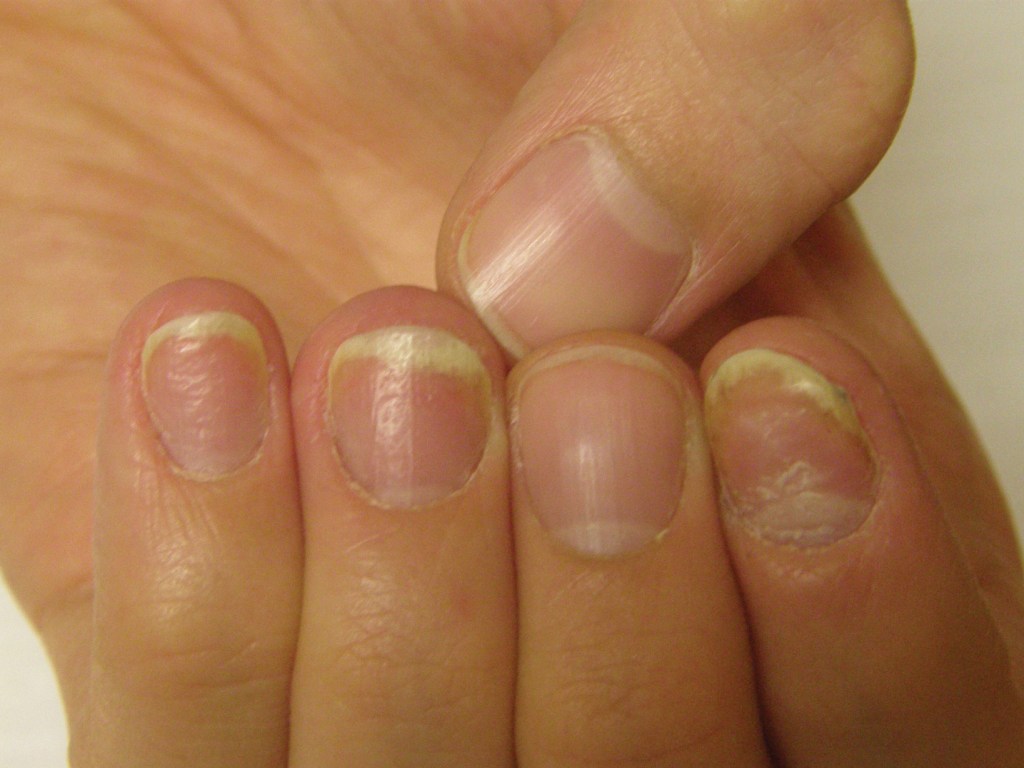
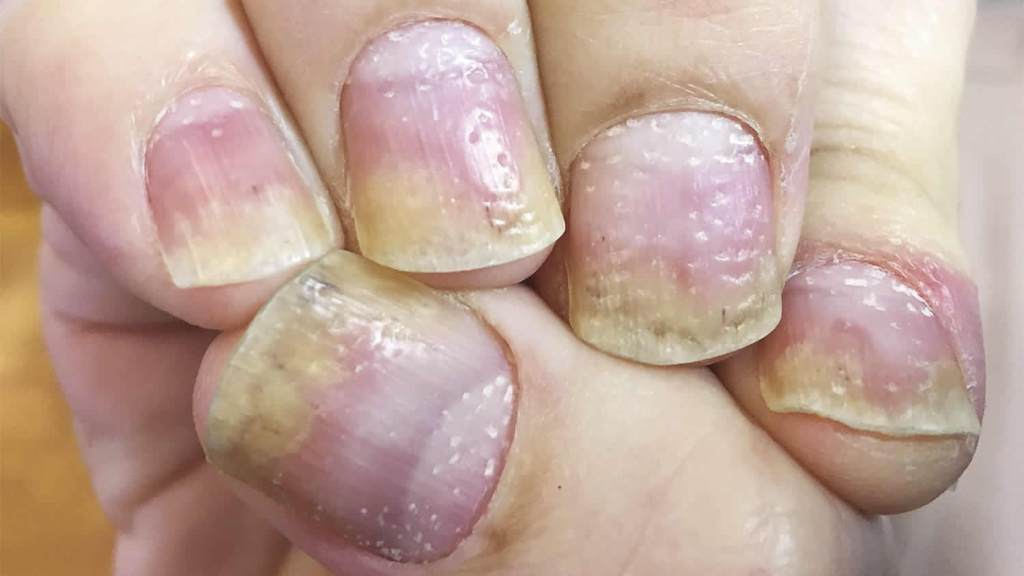
1. Nail Pitting
🔹 Small depressions (pits) in the nail surface, caused by disrupted keratin production.
🔹 Number and depth of pits can vary – from a few shallow pits to multiple deep indentations.
2. Onycholysis (Nail Separation from the Bed)
🔹 The nail lifts away from the nail bed, creating a white or yellowish gap.
🔹 May increase risk of secondary bacterial or fungal infections.
3. Oil Drop Sign
🔹 Reddish-yellow discoloration under the nail, resembling a drop of oil beneath the nail plate.
🔹 One of the most distinctive signs of nail psoriasis.
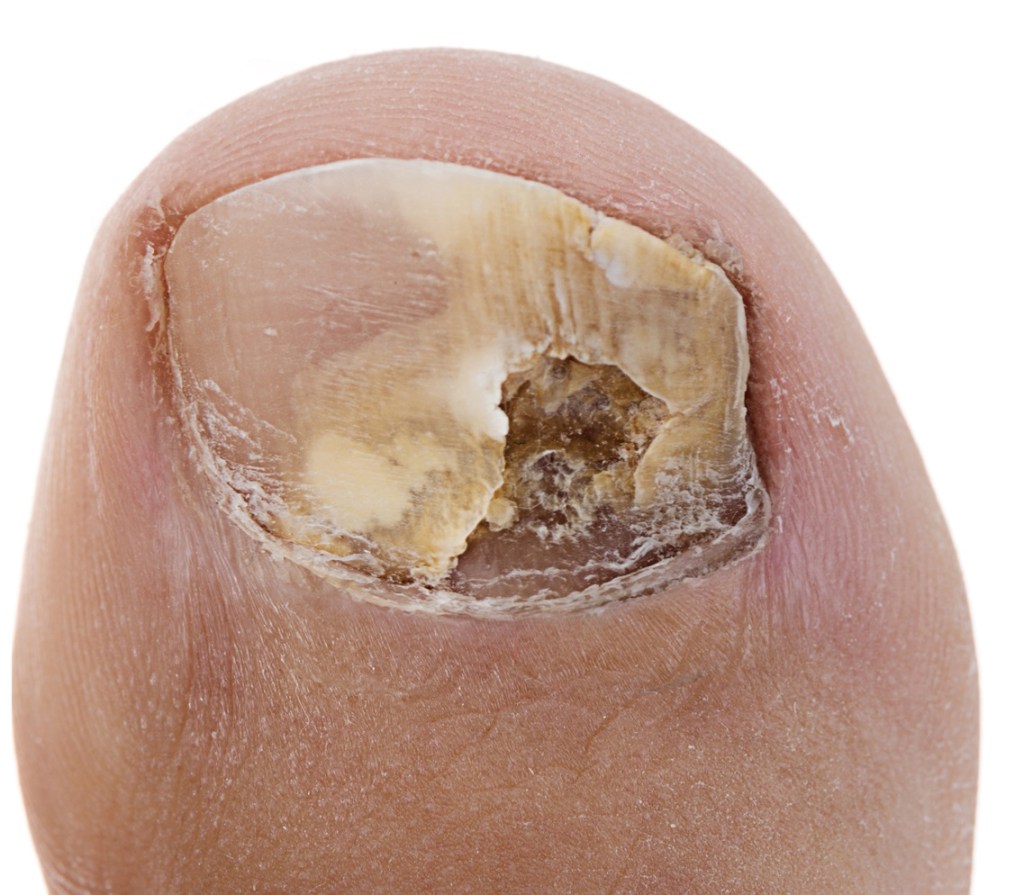
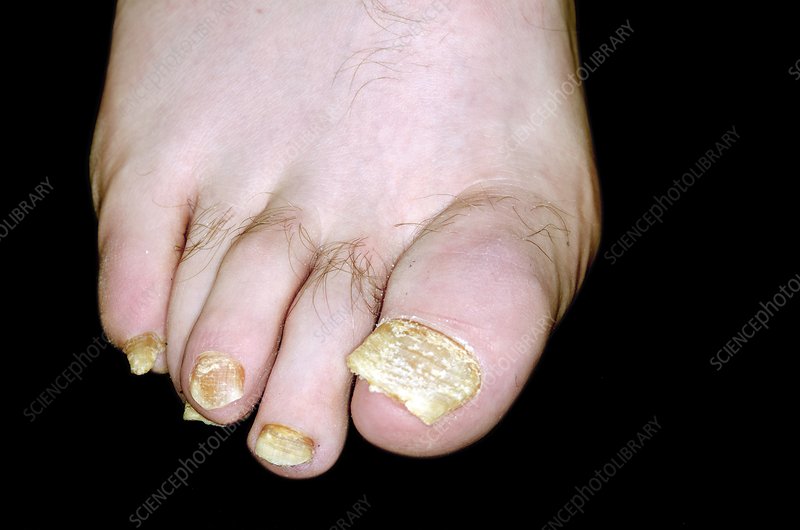
4. Subungual Hyperkeratosis
🔹 Excess keratin buildup under the nail, causing thickening and elevation of the nail plate.
🔹 Can lead to pain and discomfort, especially in toenails.
5. Nail Crumbling and Splitting
🔹 Nails may become brittle, crumbly, and break easily.
🔹 Can resemble symptoms of fungal infections or trauma.
6. Redness and Inflammation Around the Nail (Paronychia)
🔹 The skin around the nail becomes swollen and tender.
🔹 Often associated with psoriatic arthritis.
How to Differentiate Nail Psoriasis from Other Nail Disorders?
Because nail psoriasis shares symptoms with other nail diseases, proper diagnosis is crucial. Below is a comparison of nail psoriasis with other common nail conditions.
1. Nail Psoriasis vs. Fungal Nail Infections (Onychomycosis)
🔹 Similarities:
✔ Both conditions can cause nail thickening, discoloration, and crumbling.
✔ Both may lead to subungual hyperkeratosis (keratin buildup under the nail).
🔹 Differences:
✔ Nail psoriasis often presents pitting and oil drop discoloration, which are not seen in fungal infections.
✔ Fungal infections typically start at the edge of the nail and spread inward, whereas psoriasis affects the entire nail plate.
✔ Lab test: A fungal culture or PCR test can confirm the presence of a fungal infection.
2. Nail Psoriasis vs. Eczema of the Nails
🔹 Similarities:
✔ Both can cause brittle nails, ridges, and discoloration.
✔ Both may involve skin inflammation around the nails.
🔹 Differences:
✔ Eczema more commonly affects the skin surrounding the nail, leading to itching, redness, and peeling.
✔ Nail psoriasis causes pitting, oil drop discoloration, and onycholysis, which are not typical in eczema.
3. Nail Psoriasis vs. Nail Trauma (Beau’s Lines)
🔹 Similarities:
✔ Both conditions can cause horizontal ridges or nail deformities.
✔ Both may result in temporary nail discoloration.
🔹 Differences:
✔ Trauma-related nail damage usually appears after an injury (e.g., hitting the nail, tight shoes, aggressive manicure).
✔ Psoriasis-related changes persist over time, while trauma-related lines grow out as the nail regenerates.
4. Nail Psoriasis vs. Lichen Planus of the Nails
🔹 Similarities:
✔ Both cause thinning, splitting, and ridging of nails.
✔ Both conditions may lead to onycholysis (nail detachment).
🔹 Differences:
✔ Lichen planus often causes longitudinal ridging and nail loss, whereas psoriasis leads to crumbling and pitting.
✔ Lichen planus can result in total nail destruction (pterygium formation), a rare complication in psoriasis.
Diagnosis of Nail Psoriasis
📌 Diagnostic tests include:
✔ Clinical examination – evaluation of nail texture, color, and shape.
✔ Dermoscopy – helps identify psoriasis-specific nail features.
✔ Nail biopsy – confirms psoriasis if needed.
✔ Fungal culture – to rule out onychomycosis.
Treatment Options for Nail Psoriasis
Nail psoriasis cannot be cured, but treatments can improve nail appearance and reduce discomfort.
1. Topical Treatments
✔ Corticosteroid creams or gels – reduce inflammation and prevent nail thickening.
✔ Vitamin D analogs (Calcipotriol) – help normalize nail cell growth.
✔ Tazarotene (topical retinoid) – improves nail texture and reduces hyperkeratosis.
2. Systemic Treatments (For Severe Cases)
✔ Methotrexate, Cyclosporine, or Biologics (e.g., TNF inhibitors, IL-17 inhibitors) – used in patients with psoriatic arthritis or severe nail involvement.
3. Laser and Light Therapy
✔ Excimer laser or UV phototherapy (PUVA, NB-UVB) – may improve nail psoriasis symptoms over time.
4. Home Care and Prevention
✔ Keep nails short and well-trimmed to prevent further damage.
✔ Moisturize nails and cuticles to prevent cracking.
✔ Avoid aggressive manicures or artificial nails, as they can worsen nail psoriasis.
✔ Wear gloves when cleaning to protect nails from chemicals and water exposure.
Conclusion
Nail psoriasis is a chronic condition that affects nail structure, texture, and color, often leading to pitting, onycholysis, and thickening. Because its symptoms can mimic fungal infections, eczema, or lichen planus, accurate diagnosis is crucial.
If you notice persistent nail changes, consult a dermatologist for proper evaluation and treatment. Early intervention can prevent worsening symptoms and improve nail appearance over time.

 Lifestyle for Healthy Feet
Leave a comment