What Are Chilblains?
Chilblains, also known as pernio, are painful, itchy swellings that occur on the skin due to exposure to cold and damp conditions. They result from poor circulation and abnormal reaction of blood vessels to cold temperatures, leading to inflammation in the affected areas. Chilblains typically appear on the toes, fingers, ears, and nose and are more common in people with poor circulation or underlying health conditions such as Raynaud’s phenomenon.
Although chilblains are not usually serious, they can be uncomfortable and, if left untreated, may lead to complications such as blisters, skin ulcers, or infections. Understanding the causes, symptoms, and prevention methods can help minimize their occurrence and discomfort.
What Causes Chilblains?
Chilblains develop when the skin is exposed to cold temperatures, causing the small blood vessels to constrict. When the skin warms up too quickly, blood flow returns rapidly, leading to leakage of blood into surrounding tissues and inflammation. This results in redness, swelling, and discomfort.
Risk Factors for Chilblains:
✔ Cold and damp weather – sudden exposure to low temperatures or fluctuating weather conditions.
✔ Poor circulation – conditions like Raynaud’s disease increase susceptibility.
✔ Autoimmune disorders – diseases like lupus can contribute to chilblain formation.
✔ Tight footwear – restricts blood flow and increases the risk of developing chilblains.
✔ Smoking – nicotine constricts blood vessels, making chilblains more likely.
✔ Low body weight – people with less body fat have reduced insulation against the cold.
Symptoms of Chilblains
Chilblains typically appear within a few hours of cold exposure and cause the following symptoms:
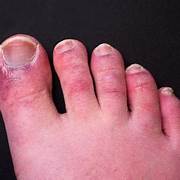
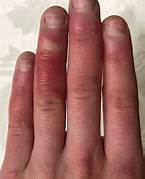
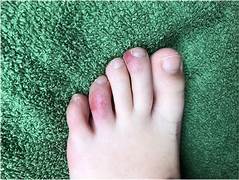
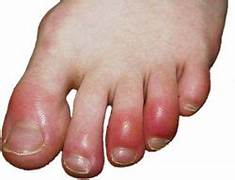
✔ Red, purple, or blue discoloration of the skin
✔ Itching, burning, or tingling sensation
✔ Swelling and tenderness in the affected area
✔ Dry, cracked skin, sometimes with small blisters
✔ In severe cases, ulcers or infections may develop
Chilblains usually last for one to three weeks, but if they persist or become infected, medical attention is necessary.
How to Treat Chilblains?
Although chilblains usually heal on their own, proper care can speed up recovery and prevent complications.
Home Treatment for Chilblains:
✔ Gradual warming of the affected area – avoid sudden heat exposure; instead, warm up gradually with wool socks, gloves, or warm (not hot) water.
✔ Moisturize the skin – apply fragrance-free creams or lanolin-based products to prevent dryness and cracking.
✔ Keep skin dry and warm – wear insulating clothing and breathable socks.
✔ Avoid scratching – scratching worsens irritation and may lead to infections.
✔ Elevate the affected area – this helps reduce swelling.
Medical Treatment for Chilblains:
If chilblains become severe or recurrent, a doctor may recommend:
✔ Nifedipine (vasodilator medication) – improves circulation by relaxing blood vessels.
✔ Topical steroids – help reduce inflammation and discomfort.
✔ Antibiotics – prescribed in case of secondary infections.
Prevention of Chilblains
To minimize the risk of chilblains, follow these preventive measures:
✔ Dress warmly in cold weather – wear thick socks, insulated gloves, and proper footwear.
✔ Layer clothing – use thermal layers to maintain body temperature.
✔ Keep feet dry – moisture can exacerbate chilblains, so change socks regularly.
✔ Exercise regularly – improves circulation and reduces the likelihood of chilblains.
✔ Avoid rapid temperature changes – allow the body to warm up gradually after cold exposure.
✔ Use moisturizers – protect the skin from drying out and cracking.
When to See a Doctor?
Consult a healthcare professional if:
✔ Chilblains last longer than three weeks or worsen.
✔ You notice blisters, ulcers, or signs of infection (redness, pus, severe pain).
✔ You experience recurring chilblains, as they may indicate an underlying circulatory problem.
Conclusion
Chilblains can be an uncomfortable reaction to cold exposure, but with proper prevention, care, and treatment, their effects can be minimized. Keeping feet warm, improving circulation, and avoiding rapid temperature changes are key strategies in managing chilblains.
If you frequently suffer from chilblains, consider visiting a Foot Health Practitioner for professional foot care and personalized recommendations. Your feet deserve the best care, so don’t ignore the early signs of circulation problems! 🦶❄️

 Lifestyle for Healthy Feet
Leave a comment