Raynaud’s disease (or Raynaud’s phenomenon) is a circulatory disorder that causes blood vessels in the fingers and toes to overreact to cold temperatures or stress, leading to numbness, tingling, and discoloration. While conventional treatments focus on managing symptoms through medications, lifestyle changes, and stress reduction, dietary choices may also play a role in improving circulation and reducing the frequency of Raynaud’s episodes.
Could a low-carb or ketogenic (keto) diet offer benefits for individuals with Raynaud’s disease? While research on this specific topic is limited, there are several mechanisms through which low-carb and keto diets might positively impact blood circulation and vascular function, potentially helping individuals with Raynaud’s.
1. How Raynaud’s Disease Affects Blood Flow
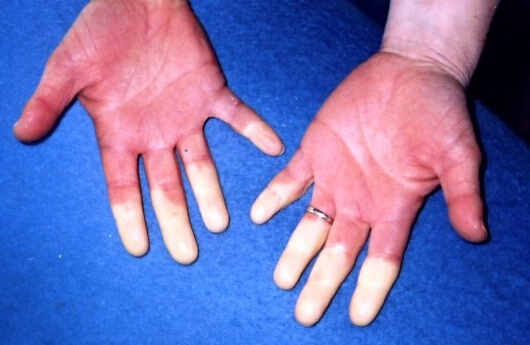
Raynaud’s disease is characterized by vasospasms, where small arteries in the fingers and toes constrict excessively in response to cold or stress, reducing blood flow. This results in:
- Pale or blue-colored fingers/toes due to lack of oxygen.
- Numbness, tingling, or pain in the affected areas.
- Episodes triggered by cold temperatures or emotional stress.
Since vascular health, inflammation, and metabolic function play crucial roles in blood circulation, dietary choices that support blood vessel flexibility, reduce inflammation, and stabilize blood sugar may help in managing Raynaud’s symptoms.
2. Potential Benefits of Low-Carb and Keto Diets for Raynaud’s Disease
2.1. Improved Blood Sugar and Insulin Sensitivity
High carbohydrate intake and frequent blood sugar fluctuations can contribute to vascular damage and poor circulation. A low-carb or keto diet helps to:
✅ Stabilize blood sugar levels, reducing oxidative stress on blood vessels.
✅ Improve insulin sensitivity, which is linked to better endothelial (blood vessel lining) function.
✅ Reduce glycation end-products (AGEs), which contribute to blood vessel stiffening.
Since vascular dysfunction is a core issue in Raynaud’s disease, a diet that stabilizes blood sugar may help improve circulation and prevent excessive vasoconstriction.
2.2. Anti-Inflammatory Effects
Chronic inflammation can exacerbate blood vessel dysfunction and contribute to increased frequency and severity of Raynaud’s attacks.
A ketogenic diet is known for its anti-inflammatory properties due to:
✅ Reduced intake of inflammatory foods (sugar, refined carbs, processed foods).
✅ Increased consumption of healthy fats (omega-3s from fatty fish, olive oil, avocados).
✅ Lower levels of inflammatory markers such as C-reactive protein (CRP).
A diet rich in omega-3 fatty acids, antioxidants, and healthy fats can help reduce inflammation in blood vessels, potentially improving circulation and decreasing the severity of Raynaud’s episodes.
2.3. Enhanced Mitochondrial Function and Energy Production
People with Raynaud’s may experience poor energy metabolism in their small blood vessels, leading to weaker responses to temperature changes.
A ketogenic diet improves mitochondrial efficiency, providing a more stable energy source (ketones) instead of glucose. This may help:
✅ Enhance blood vessel function and support better temperature regulation.
✅ Improve overall cellular energy production, potentially reducing sensitivity to cold.
2.4. Increased Nitric Oxide (NO) Production for Better Circulation
Nitric oxide (NO) is a molecule that helps blood vessels relax and expand, improving circulation and preventing vasospasms.
A well-formulated low-carb or keto diet may increase nitric oxide levels through:
✅ Higher intake of leafy greens (rich in nitrates that promote NO production).
✅ Better metabolic function, leading to enhanced NO availability.
✅ Reduced insulin resistance, which is linked to better blood vessel flexibility.
Increasing nitric oxide may help reduce the severity and frequency of Raynaud’s episodes by promoting better blood flow to the extremities.
3. What Foods to Include for Better Circulation?
To support vascular health and improve Raynaud’s symptoms, a nutrient-dense, low-carb or keto diet should include:
Healthy Fats for Reducing Inflammation and Supporting Blood Flow
✅ Omega-3-rich foods – fatty fish (salmon, sardines, mackerel), flaxseeds, chia seeds, walnuts.
✅ Olive oil and avocados – promote healthy blood vessel function.
✅ Coconut oil and MCT oil – support energy metabolism and mitochondrial function.
Nitric Oxide-Boosting Foods
✅ Leafy greens – spinach, kale, arugula, beet greens (increase nitric oxide production).
✅ Dark chocolate (high-cocoa content) – improves blood vessel dilation.
Anti-Inflammatory and Antioxidant-Rich Foods
✅ Turmeric (curcumin) – reduces inflammation and supports circulation.
✅ Ginger – improves blood flow and reduces vasospasms.
✅ Berries (low in carbs, rich in antioxidants) – reduce oxidative stress.
Electrolytes to Support Circulation and Nerve Function
✅ Magnesium-rich foods – nuts, seeds, dark leafy greens (magnesium relaxes blood vessels).
✅ Potassium-rich foods – avocados, nuts, dark chocolate (potassium helps balance blood pressure).
4. What to Avoid?
Certain foods can worsen circulation and trigger Raynaud’s attacks:
❌ Refined sugars and processed carbohydrates – contribute to inflammation and oxidative stress.
❌ Trans fats and highly processed oils – found in fried and fast foods, worsening vascular function.
❌ Caffeine and excessive alcohol – can trigger vasoconstriction and worsen symptoms.
5. Lifestyle Changes That Complement a Low-Carb/Keto Diet
Diet alone may not completely eliminate Raynaud’s symptoms, but combining it with other lifestyle changes can maximize benefits:
✅ Regular physical activity – improves blood flow and reduces stress.
✅ Cold exposure management – using gloves, heated socks, and warm drinks.
✅ Stress reduction techniques – meditation, breathing exercises, and adequate sleep.
✅ Hydration – drinking plenty of water to maintain good circulation.
6. Conclusion – Can a Low-Carb or Keto Diet Help with Raynaud’s Disease?
Although direct studies on keto/low-carb diets and Raynaud’s disease are lacking, the potential benefits of better blood sugar control, reduced inflammation, improved mitochondrial function, and enhanced circulation suggest that this dietary approach could help manage symptoms and improve vascular health.
For individuals with Raynaud’s, adopting a low-carb or ketogenic diet while focusing on nutrient-dense, anti-inflammatory foods and lifestyle modifications may contribute to better blood flow, reduced frequency of attacks, and overall improved well-being.
Should You Try a Low-Carb or Keto Diet for Raynaud’s?
If you suffer from Raynaud’s disease and struggle with poor circulation, frequent attacks, or cold sensitivity, transitioning to a low-carb, nutrient-dense diet may be worth considering, especially under medical supervision. Combining dietary changes with proper stress management, physical activity, and protective measures could provide long-term improvements in circulation and symptom management.
Would you like a more personalized approach based on your current diet and lifestyle? 😊

 Lifestyle for Healthy Feet
Leave a comment