Author: Anna Lasota

  • ☕ Coffee and Cancer — What Science Says in 2025

    Can a simple cup of coffee really protect you from cancer?

    For years, coffee had a bad reputation — people claimed it raised blood pressure, dehydrated the body, and was bad for the heart.
    Today, research paints a completely different picture. Modern studies show that moderate coffee consumption may reduce the risk of several chronic diseases, including liver and colon cancer.

    But can we really call it an anticancer beverage? Let’s look at what the latest scientific evidence says.


    🔬 What’s inside coffee that makes it so special?

    Coffee is more than caffeine. It contains over 1,000 bio-active compounds, including:

    • Polyphenols (like chlorogenic acid) — anti-inflammatory and antioxidant,
    • Diterpenes (cafestol and kahweol) — support liver detoxification enzymes,
    • Melanoidins — formed during roasting, promote gut health,
    • Minerals — magnesium, potassium, and niacin support metabolism.

    These compounds help neutralize oxidative stress, reduce inflammation, and improve insulin sensitivity — mechanisms that may explain why regular coffee drinkers show lower rates of liver and colon cancers.


    ☕ Coffee and Liver Cancer — the strongest evidence

    The link between coffee and a lower risk of liver cancer is one of the best documented.

    • A large Japanese meta-analysis (Tamura et al., BMC Cancer, 2019) involving over 600,000 participants found that heavy coffee drinkers had about 50% lower risk of liver cancer compared with non-drinkers.
    • An earlier Japanese prospective study (JNCI, 2007) reported that people drinking five or more cups daily had a 76% reduction in liver cancer risk.

    Researchers believe that coffee helps by reducing inflammation and oxidative stress — particularly among individuals infected with hepatitis B or C viruses, which are major causes of liver cancer in Asia.

    In Europe, the protective effect is milder but still significant. The EPIC cohort (over 500,000 people) and the WCRF/AICR 2024 report both show that regular coffee intake is linked to a 20–40% lower risk of liver cancer.


    🌏 Why the effect differs between Japan and Europe

    Several factors explain the differences:

    • Main causes of liver disease: In Japan, hepatitis infections dominate; in Europe, it’s obesity, alcohol, and fatty liver.
    • Genetic differences: Asian populations more often carry variants of genes (like CYP1A2) that slow caffeine metabolism.
    • Coffee type: Japan mostly drinks filtered coffee; Europeans favor espresso or French press (which contain more diterpenes that can raise LDL).
    • Baseline risk: A higher initial disease risk makes the relative effect appear stronger.

    👉 The conclusion: the protective trend is universal, but its magnitude varies by population and lifestyle.


    🧠 Coffee and Colorectal Cancer — fresh insights

    A study from the USC Norris Comprehensive Cancer Center (Stephen Gruber et al.) and the MECC Study (Frontiers in Nutrition, 2024) examined more than 9,000 participants:

    • Drinking 1–2 cups of coffee per day was linked to a 26% lower risk of colon cancer,
    • Drinking more than 2.5 cups was associated with up to 50% lower risk,
    • The effect was seen for both regular and decaffeinated coffee.

    This suggests that the benefits come not from caffeine alone, but also from the complex mix of polyphenols, diterpenes, and antioxidants in coffee.


    🧃 Does adding milk or cream destroy the benefits?

    A common myth says that milk cancels out coffee’s antioxidants.
    Recent research from the University of Copenhagen (Journal of Agricultural and Food Chemistry, 2023) found the opposite: milk proteins can actually stabilize antioxidants and prolong their activity in the body.

    If you’re on a keto diet, coffee with cream or MCT oil can be even more beneficial — fat improves the absorption of fat-soluble polyphenols.

    ✅ In short: adding cream does not destroy coffee’s health benefits, as long as you:

    • Skip sugar and syrups,
    • Brew at 92–96 °C,
    • Serve below 65 °C to avoid esophageal irritation.

    ❤️ What if you have high LDL cholesterol?

    If your LDL is elevated, coffee type matters.
    Unfiltered coffee (espresso, moka, French press) contains cafestol and kahweol, which can raise LDL levels.

    🩺 The simple fix:
    Drink paper-filtered coffee (drip, Chemex, Aeropress) — it retains flavor and antioxidants while removing most diterpenes.

    That way, you keep the anti-inflammatory benefits without the cholesterol bump.


    🔥 How much coffee is healthy?

    According to the European Food Safety Authority (EFSA):

    • Up to 400 mg of caffeine/day (about 3–5 cups) is safe for healthy adults.
    • Pregnant women should limit to 200 mg/day.

    Most benefits appear at 2–4 cups per day. Too much caffeine, however, may cause anxiety or disrupt sleep in sensitive individuals.


    ☕ Brewing coffee the healthy way

    StepRecommendationWhy
    Brewing temperature92–96 °COptimal extraction of polyphenols
    Drinking temperature< 65 °CAvoids esophageal cancer risk (WHO/IARC)
    Brewing methodPaper filterRemoves LDL-raising diterpenes
    Ratio1:16–1:18 (coffee:water)Specialty Coffee Association “Gold Cup” standard
    StorageAirtight, dry, coolPreserves aroma and antioxidants

    🩸 Coffee and your cholesterol profile

    Example: if your labs show LDL 165 mg/dL, HDL 70, TG 54, your metabolic profile is excellent despite high LDL — TG/HDL < 1 indicates good insulin sensitivity.
    In this case, filtered coffee with cream fits perfectly into a keto or low-carb lifestyle.

    For more insight, consider tracking:

    • ApoB (LDL particle count),
    • hs-CRP (inflammation marker),
    • Fasting insulin or HOMA-IR.

    These provide a better risk picture than total cholesterol alone.


    🩺 What major health authorities say

    • WHO / IARC (2016) — Coffee is not carcinogenic; only very hot drinks (> 65 °C) increase esophageal cancer risk.
    • WCRF/AICR (2024) — Strong evidence that coffee protects against liver and endometrial cancer; probable benefit for colon cancer..
    • BMJ Umbrella Review (Poole et al., 2017) — 3–4 cups/day linked to lower all-cause mortality and reduced risk of heart and liver disease.
    • EFSA (2021) — Confirms caffeine safety up to 400 mg/day for adults.

    ☕ Bottom line

    Coffee isn’t just an energy booster — it’s a scientifically supported wellness drink.
    Its strongest protective effects are seen for liver and colon cancers, but benefits also extend to type 2 diabetes and cardiovascular health.

    The keys: moderation, proper brewing, and mindful temperature.
    You don’t need five cups a day like in Japanese studies — even 2–3 cups of well-brewed, filtered coffee without sugar can make a meaningful difference.


    📚 References (credible scientific sources)

    1. Tamura T. et al. Coffee consumption and liver cancer risk in Japan: a meta-analysis of six prospective cohort studies. BMC Cancer, 2019.
    2. Inoue M. et al. Coffee drinking and hepatocellular carcinoma in a Japanese population. JNCI, 2007.
    3. WCRF/AICR. Continuous Update Project: Diet, Nutrition, Physical Activity and Liver Cancer., 2024.
    4. Poole R. et al. Coffee consumption and health: umbrella review of meta-analyses. BMJ, 2017.
    5. Gruber S. B. et al. MECC Study / USC Norris Comprehensive Cancer Center. Frontiers in Nutrition, 2024.
    6. EFSA Scientific Opinion on Caffeine Safety, 2021.
    7. WHO / IARC Monograph 116: Drinking Coffee, Mate and Very Hot Beverages., 2016.
    8. Jespersen A. et al. Protein–polyphenol interactions in coffee and milk: implications for antioxidant activity. Journal of Agricultural and Food Chemistry, 2023.
    9. EPIC Cohort Study, European Prospective Investigation into Cancer and Nutrition., Lancet Public Health, 2022.
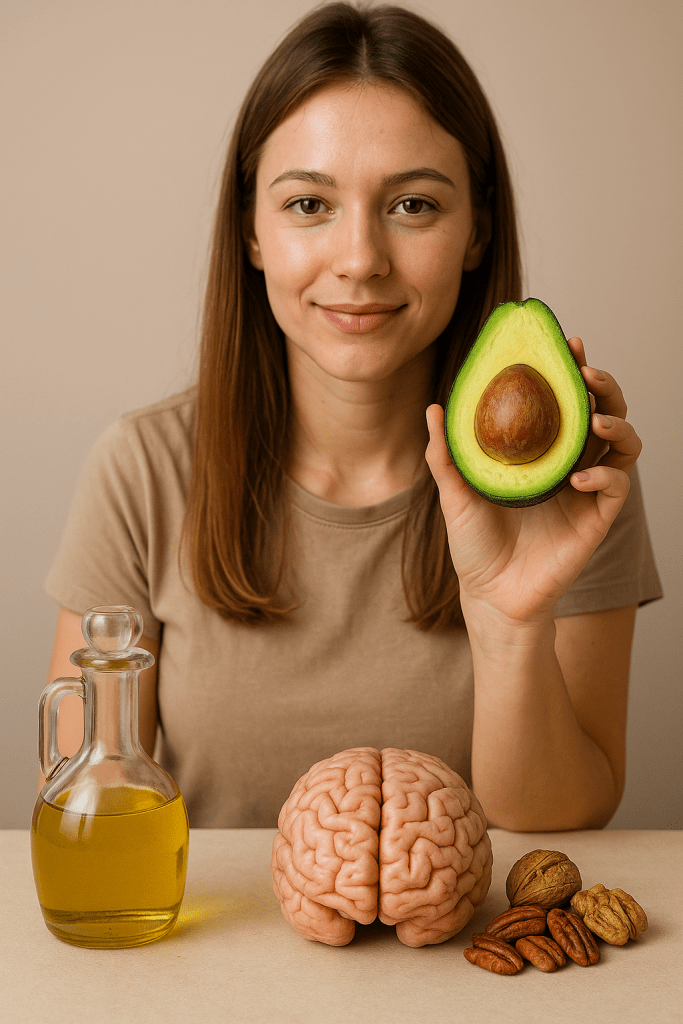
  • 🧠Does Your Brain Really Need Sugar?

    The Truth About Cholesterol and Ketones in Brain Health

    For decades, we’ve been told that our brains depend on sugar, that without glucose, we simply can’t think, concentrate, or function. But recent scientific research paints a much more nuanced picture. While glucose is indeed a key brain fuel, your body has built-in systems that allow the brain to run efficiently even when dietary carbohydrates are very low.
    In fact, your brain may work better when fueled by ketones, and it absolutely depends on cholesterol to stay healthy and sharp.


    1. Does the Brain Need Sugar?

    It’s true that the human brain uses around 100–120 grams of glucose per day, which represents about 20% of the body’s total energy needs. However, this doesn’t mean you have to eat sugar or carbohydrates to provide it.

    When carbohydrate intake drops, during fasting, low-carb, or ketogenic diets, your liver naturally produces glucose through a process called gluconeogenesis. This means your body can make the small amount of glucose the brain still needs, even if you don’t consume carbs.

    More importantly, when glucose is limited, the body begins to produce ketone bodies (beta-hydroxybutyrate and acetoacetate) from fat. These ketones cross the blood–brain barrier and serve as an alternative energy source for the brain. Studies have shown that during ketosis, ketones can supply up to 70% of the brain’s energy needs (Cunnane et al., 2016).

    In short:
    Your brain doesn’t require dietary sugar, it requires energy, which can come from glucose your body makes or from ketones produced from fat.


    2. Ketones: The Brain’s Alternative Fuel

    When your body is in a low-glucose state, ketones become a clean, efficient, and stable source of energy. Compared to glucose, ketones generate fewer free radicals and reduce oxidative stress.
    This may explain why ketogenic or low-carb diets have shown potential benefits for neurological conditions such as epilepsy, Alzheimer’s disease, and mild cognitive impairment (Freeman et al., 2007; Fortier et al., 2019).

    In a 2019 clinical study, older adults with mild cognitive impairment who drank a ketogenic supplement daily showed improved brain energy and cognitive performance (Fortier et al., 2019). Researchers suggest that ketones may help “rescue” brain function when glucose metabolism declines — a hallmark of early Alzheimer’s disease.


    3. Cholesterol: The Brain’s Unsung Hero

    While ketones provide energy, cholesterol builds the structure of your brain.
    Although often portrayed negatively, cholesterol is one of the body’s most essential molecules, especially for your nervous system.

    Did you know that:

    • The brain represents only about 2% of body weight, yet it contains 20–25% of the body’s cholesterol (Dietschy, 2009).
    • Cholesterol is vital for the formation of synapses, the communication points between neurons.
    • It’s also a key component of myelin, the protective sheath that allows electrical signals to travel quickly and efficiently along nerve cells.

    Importantly, the brain produces its own cholesterol, it does not depend on cholesterol from food because the blood–brain barrier prevents significant cholesterol transfer from the bloodstream (Björkhem & Meaney, 2004).
    This means that extremely low-cholesterol diets, especially when combined with statins, may potentially affect cognitive function if brain cholesterol synthesis is disrupted.

    As the Journal of the American College of Cardiology (Astrup et al., 2020) emphasized, dietary guidelines should focus on whole foods and overall dietary patterns, rather than demonizing natural fats or cholesterol.


    4. The “Sugar for the Brain” Myth

    The idea that “the brain needs sugar” is a half-truth that has been repeated for decades.
    While the brain does rely on glucose, there’s no biological requirement to consume sugar or refined carbohydrates. The body tightly regulates blood glucose and can produce what the brain needs internally.

    In fact, chronically high blood sugar and insulin resistance are linked to poorer memory, cognitive decline, and increased risk of dementia — a condition some researchers call “Type 3 Diabetes” (de la Monte, 2014; Neth & Craft, 2017).

    On the other hand, moderate carbohydrate restriction and mild ketosis have been associated with improved brain energy efficiency and reduced inflammation, particularly in adults with metabolic syndrome or diabetes (Newman et al., 2019).


    5. So What Should You Choose: Sugar or Fat?

    If your goal is long-term brain health, choose stable energy over spikes.
    That means:

    • Fewer refined carbs and sugars
    • More healthy fats (olive oil, avocados, fatty fish, eggs)
    • Adequate protein
    • Occasional fasting or low-carb eating periods to encourage mild ketosis

    These habits promote stable blood sugar, reduce inflammation, and support the brain’s ability to use both glucose and ketones efficiently.


    6. When to Be Cautious

    While low-carb and ketogenic diets can benefit many adults, they’re not for everyone.
    They require caution in:

    • Type 1 diabetes (insulin must be carefully managed)
    • Pregnancy and breastfeeding
    • Underweight individuals or those with eating disorders
    • Children, unless medically supervised for epilepsy

    Always consult a qualified healthcare professional before making major dietary changes — especially if you take medication or have a chronic condition.


    🧩 Final Thoughts

    Your brain doesn’t “need” dietary sugar, it needs energy, balance, and the right building blocks.
    Ketones can serve as an efficient and protective fuel, while cholesterol remains a vital structural component of every neuron.

    So the next time you crave a sugary snack for a “brain boost,” remember:
    what your brain truly loves is steady energy from healthy fats and a diet that keeps inflammation low and metabolism flexible.


    🔬 References

    1. Astrup, A., Magkos, F., Bier, D. M., Brenna, J. T., Otto, M. C. de O., Hill, J. O., … & Krauss, R. M. (2020). Saturated fats and health: A reassessment and proposal for food-based recommendations. Journal of the American College of Cardiology, 76(7), 844–857.
    2. Björkhem, I., & Meaney, S. (2004). Brain cholesterol: long secret life behind a barrier. Arteriosclerosis, Thrombosis, and Vascular Biology, 24(5), 806–815.
    3. Cahill, G. F. (2006). Fuel metabolism in starvation. Annual Review of Nutrition, 26, 1–22.
    4. Cunnane, S. C., Courchesne-Loyer, A., Vandenberghe, C., St-Pierre, V., Fortier, M., Hennebelle, M., … & Castellano, C.-A. (2016). Can ketones compensate for deteriorating brain glucose uptake during aging? Annals of the New York Academy of Sciences, 1367(1), 12–20.
    5. de la Monte, S. M. (2014). Type 3 diabetes is sporadic Alzheimer’s disease: mini-review. European Neuropsychopharmacology, 24(12), 1954–1960.
    6. Dietschy, J. M. (2009). Central nervous system: cholesterol turnover, brain development and neurodegeneration. Biological Chemistry, 390(4), 287–293.
    7. Fortier, M., Castellano, C.-A., Croteau, E., Langlois, F., Bocti, C., St-Pierre, V., … & Cunnane, S. C. (2019). A ketogenic drink improves brain energy and some measures of cognition in mild cognitive impairment. Alzheimer’s & Dementia: Translational Research & Clinical Interventions, 5, 1–13.
    8. Freeman, J. M., Kossoff, E. H., & Hartman, A. L. (2007). The ketogenic diet: one decade later. Pediatrics, 119(3), 535–543.
    9. Neth, B. J., & Craft, S. (2017). Insulin resistance and Alzheimer’s disease: bioenergetic linkages. Frontiers in Aging Neuroscience, 9, 345.
    10. Newman, J. C., & Verdin, E. (2019). Ketone bodies as signaling metabolites. Trends in Endocrinology & Metabolism, 30(3), 213–226.
  • 🧠 Metabolic Psychiatry and the Low-Carbohydrate Diet – A New Perspective on Mental Health

    Can what we eat really affect our mood and mental health?

    More and more research shows that the brain is not only the center of our emotions and thoughts but also a metabolic organ — consuming around 20% of all the body’s energy.
    If energy is not supplied or used efficiently, brain functions such as mood, focus, and stress resilience can be disrupted.
    This idea lies at the heart of metabolic psychiatry – an emerging medical field combining insights from neurology, psychiatry, and metabolism.


    🔬 What Is Metabolic Psychiatry?

    Metabolic psychiatry explores how disturbances in brain energy metabolism (such as insulin resistance, oxidative stress, inflammation, and mitochondrial dysfunction) may contribute to mental health disorders, including:

    • depression
    • anxiety
    • schizophrenia
    • bipolar disorder
    • cognitive impairment

    According to Dr. Christopher M. Palmer from Harvard Medical School, author of Brain Energy (2022), many psychiatric conditions can be understood as metabolic disorders of the brain.
    When neurons cannot efficiently produce or use energy, their function becomes unstable — which can lead to mood swings, anxiety, or cognitive decline.


    🥑 How a Low-Carbohydrate Diet Supports the Brain

    A low-carbohydrate (low-carb) or ketogenic diet may support brain function through several mechanisms that have been documented in scientific research:

    1️⃣ A Better Source of Energy for Neurons

    When carbohydrate intake is reduced, the body produces ketone bodies (such as beta-hydroxybutyrate), which serve as a cleaner and more stable fuel for the brain than glucose.
    Studies (Frontiers in Psychiatry, 2022) show that ketones may improve mitochondrial function and neural stability.

    2️⃣ Reducing Inflammation

    Chronic inflammation is commonly associated with depression and other mental illnesses.
    A ketogenic diet helps lower inflammatory markers such as CRP and interleukin, supporting the brain’s recovery and stability.

    3️⃣ Stabilizing Blood Sugar and Insulin

    Frequent blood sugar fluctuations can lead to fatigue, irritability, and anxiety.
    A low-carbohydrate diet helps maintain stable glucose levels, promoting better emotional balance.

    4️⃣ Supporting Neurotransmitter Balance

    Ketones can influence the balance between GABA (calming neurotransmitter) and glutamate (stimulating neurotransmitter).
    This balance is crucial for conditions such as epilepsy, anxiety, and depression.


    📚 What Does the Research Say?

    • ✅ Stanford Medicine (2024) reported a pilot study where patients with severe psychiatric disorders following a ketogenic diet showed improvements in mood, concentration, and body weight.
    • ✅ A review published in Frontiers in Psychiatry (2022) found that ketogenic diets may support the treatment of mood disorders and schizophrenia by improving brain metabolism.
    • ✅ A 2023 analysis in BMC Medicine concluded that low-carbohydrate diets enhance metabolic function and could be a promising adjunct in mental health, though more long-term studies are needed.

    While most research is still in early stages, the results are highly encouraging, particularly for people who have not fully responded to traditional pharmacological treatments.


    ⚠️ Important: Diet Is Not a Replacement for Psychiatric Care

    A low-carbohydrate or ketogenic diet should never replace psychiatric treatment.
    It can, however, serve as metabolic support that complements existing therapies, especially in people with insulin resistance, obesity, or type 2 diabetes.
    Any dietary change should always be made under professional supervision, particularly for individuals taking psychiatric or metabolic medications.


    🌿 Key Takeaways

    • Mental health and metabolic health are deeply connected — the brain depends on stable energy metabolism to function optimally.
    • A low-carbohydrate or ketogenic diet may improve brain function by:
      • enhancing energy efficiency,
      • reducing inflammation,
      • stabilizing blood sugar levels,
      • supporting mitochondrial performance.
    • This approach offers exciting potential in mental health care but requires further scientific research and personalized medical guidance.

    📖 Scientific References

    1. Palmer, C. M. (2022). Brain Energy: A Revolutionary Breakthrough in Understanding Mental Health—and Improving Treatment for Anxiety, Depression, OCD, PTSD, and More. BenBella Books.
    2. Sethi, J. K., et al. (2022). The Ketogenic Diet for Refractory Mental Illness. Frontiers in Psychiatry.
    3. Ghasemi, P., et al. (2024). Impact of Very Low Carbohydrate Ketogenic Diets on Cardiovascular and Metabolic Risk Factors. Nutrition & Metabolism.
    4. Stanford Medicine News Center (2024). “Keto diet shows promise for serious mental illness.”
    5. BMC Medicine (2023). Effects of Ketogenic Diets on Health Outcomes: An Umbrella Review of Meta-Analyses.
  • 🥓 The Ketogenic Diet, LDL Cholesterol, and Heart Health – What the Latest Study Shows

    The ketogenic (keto) diet has gained huge popularity in recent years. Some follow it for weight loss, others for blood sugar control or overall metabolic health. Yet one key question remains:

    👉 Does the rise in LDL cholesterol (often called “bad cholesterol”) seen on keto automatically mean a higher risk of heart disease?

    A groundbreaking study led by Dave Feldman and Dr. Matthew Budoff (Cedars-Sinai, USA), published in 2024/2025, brings surprising answers.


    🔬 Who Are Lean Mass Hyper-Responders (LMHR)?

    These are people who, on a ketogenic diet, experience:

    • very high LDL cholesterol (often >200 mg/dL),
    • high HDL (“good cholesterol”),
    • low triglycerides,
    • lean body mass and excellent metabolic health.

    This unique profile is called Lean Mass Hyper-Responder (LMHR). For doctors and patients alike, it raises questions, since traditional medicine links high LDL directly with heart disease.


    🧪 How Was the KETO-CTA Study Done?

    • 80 participants on keto for an average of 4.7 years, all with LDL ≥190 mg/dL (average ~272 mg/dL, some up to 591 mg/dL).
    • 80 matched controls from the MiHeart study with typical LDL (~123 mg/dL).
    • Both groups were similar in age, sex, BMI, blood pressure, and smoking history.
    • Researchers used advanced imaging: coronary CT angiography (CCTA) and CAC scoring, which measure arterial plaque and calcium buildup in the heart.

    📊 Key Results

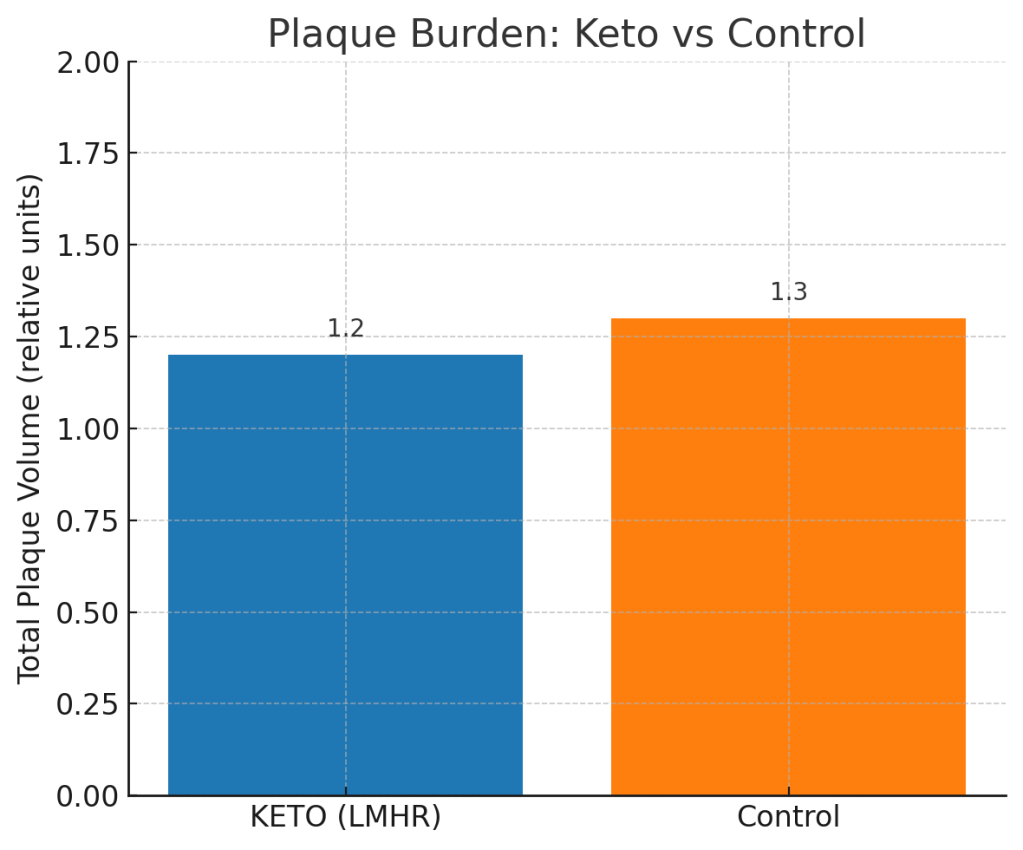
    • No difference in total plaque volume between the keto group and controls.
    • CAC score (arterial calcium) – median = 0 in the keto group vs 1 in controls.
    • No correlation between LDL levels and plaque burden, even when LDL exceeded 500 mg/dL.

    👉 In other words: for LMHR individuals, high LDL did not translate into more arterial plaque in this study.


    💡 What Does This Mean?

    • Individual response matters – not everyone on keto reacts the same way.
    • LDL is not the whole story – markers like ApoB, HDL, triglycerides, and insulin sensitivity may give a better picture of risk.
    • Monitoring is key – imaging tests (CAC, CCTA) can show real cardiovascular health rather than relying only on LDL numbers.
    • Short-term data – participants were on keto ~5 years. Heart disease often takes decades, so more long-term research is needed.

    🦶 Why Write About This on a Foot Health Blog?

    Because heart and vascular health directly affect foot health.

    • Poor circulation can cause serious foot complications.
    • Strong metabolic health protects not only the heart, but also the feet that carry us every day.

    ✅ Bottom Line

    The Feldman-Budoff study suggests that for Lean Mass Hyper-Responders, very high LDL on keto may not automatically mean higher heart disease risk. Still, more long-term evidence is needed.

    👉 The best approach: care for your whole health – cholesterol, blood sugar, exercise, sleep, and regular check-ups.


    1. Lipid Profile: Keto vs Control

    Top chart: Lipid profile (LDL, HDL, Triglycerides) comparing the Keto (LMHR) group with controls.

    Bottom chart: Median CAC scores – showing no meaningful difference despite very high LDL in the keto group.

    Plaque Burden: Keto vs Control


    It shows that total arterial plaque volume was almost identical between the Keto (LMHR) group and the control group – matching the study’s conclusion that extremely high LDL did not translate into greater plaque.

    🧪 How Was the KETO-CTA Study Done?

    This was an observational, non-randomized, matched cohort study — meaning participants were not randomly assigned to diet groups.
    Researchers compared 80 people who had followed a ketogenic diet for an average of 4.7 years (all with LDL ≥ 190 mg/dL, average ~272 mg/dL, some up to 591 mg/dL) with 80 matched controls from the MiHeart study who had typical LDL levels (~123 mg/dL).

    Both groups were similar in age, sex, BMI, blood pressure, and smoking history.
    Advanced imaging — coronary CT angiography (CCTA) and coronary artery calcium (CAC) scoring — was used to measure arterial plaque and calcium buildup in the heart.

    Because this was not a randomized controlled trial, the results do not prove cause and effect, but they do provide strong observational evidence that, in this specific population, high LDL on a ketogenic diet did not correspond to more arterial plaque.


    📚 Reference

    Budoff, M. J., Soto-Mota, A., Norwitz, N. G., Feldman, D., et al. (2024). Carbohydrate restriction–induced elevations in LDL cholesterol and atherosclerosis in lean mass hyper-responders: The Keto-CTA study. JACC: Advances. https://doi.org/10.1016/j.jacadv.2024.101109

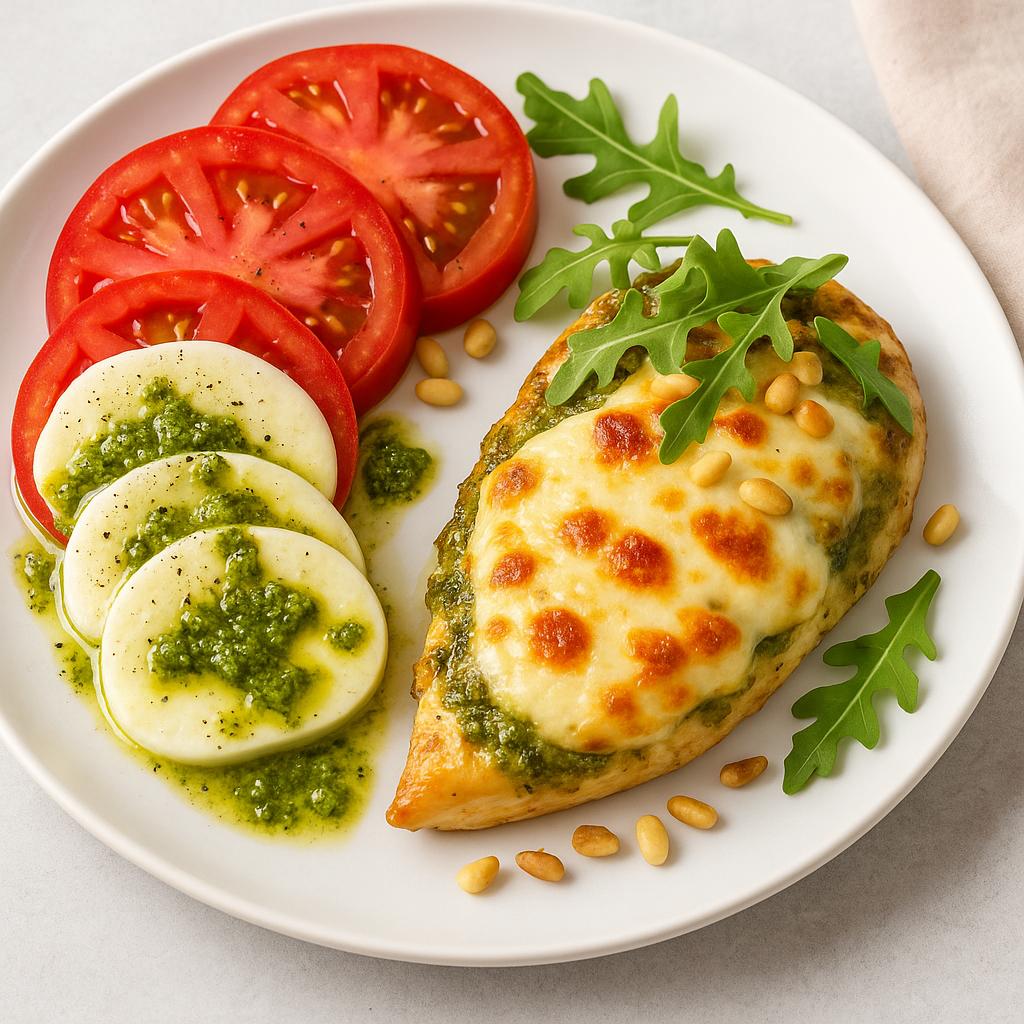
  • Baked Pesto Chicken with Fresh Mozzarella & Caprese Salad

    Sometimes the simplest flavor pairings are the most satisfying. This dish combines juicy baked chicken with aromatic pesto and creamy mozzarella, finished off with a fresh caprese salad. It’s the kind of dinner that feels indulgent but is still light and refreshing—perfect for a weeknight meal or even a casual dinner with friends.

    The warm, cheesy chicken pairs beautifully with the cool, juicy tomatoes and mozzarella in the salad. A sprinkle of pine nuts and fresh arugula brings everything together for a Mediterranean-inspired plate you’ll want to make again and again.


    Ingredients (4 servings)

    Chicken

    • 1 whole boneless, skinless chicken breast (about 14 ounces / 400 g)
    • ¼ teaspoon fine sea salt
    • ¼ teaspoon freshly ground black pepper
    • 4 tablespoons (60 ml) store-bought pesto (see note)
    • 8 ounces (225 g) fresh mozzarella cheese, sliced

    Caprese Salad

    • 3 large heirloom tomatoes
    • 8 ounces (225 g) fresh mozzarella cheese
    • 2 tablespoons extra-virgin olive oil
    • 2 tablespoons store-bought pesto
    • Fine sea salt and freshly ground black pepper

    For Garnish

    • 1 handful of fresh arugula
    • 3 tablespoons pine nuts, toasted

    Instructions

    1. Preheat oven to 400°F (205°C). Line a baking sheet with parchment paper.
    2. Slice the chicken breast in half horizontally to make 4 flat pieces. Place them on the sheet pan, season with salt and pepper, and spread each piece with 1 tablespoon of pesto. Top with mozzarella slices. Bake for 25 minutes, until the chicken is fully cooked (opaque throughout) and the cheese is golden and bubbling.
    3. Meanwhile, prepare the caprese salad: Wash and slice the tomatoes and mozzarella. Arrange them alternately in a fan shape on 4 serving plates. Drizzle with olive oil and pesto, then season with salt and pepper.
    4. Serve the baked chicken with the caprese salad. Garnish with fresh arugula and sprinkle with toasted pine nuts. Leftovers keep in the fridge for up to 3 days.

    Nutrition Facts (per serving, approx.):

    • Calories: ~420 kcal
    • Fat: ~31 g
    • Protein: ~28 g
    • Carbohydrates: ~6 g (net)

    Note

    If buying store-bought pesto, check the label to ensure it’s sugar-free. For an even fresher taste, you can make your own pesto at home.


    ✨ This dish is a celebration of Italian-inspired flavors, rich, creamy, fresh, and vibrant. It’s easy to make, looks beautiful on the plate, and is guaranteed to impress.

  • Keto Morning Butter Latte – A Creamy Low-Carb Coffee Recipe

    If you’re looking for a delicious way to start your day on a low-carb or ketogenic lifestyle, this recipe is for you. Coffee lovers around the world are discovering the benefits of keto coffee, a creamy, frothy blend of high-quality fats and freshly brewed coffee that delivers long-lasting energy and focus.

    This Keto Morning Butter Latte is a simple and tasty butter coffee recipe that combines strong coffee with butter and cream, creating a smooth and indulgent drink that keeps you satisfied for hours. Think of it as your perfect bulletproof coffee alternative, made with ingredients you already have at home.


    Ingredients (2 servings):

    • 2 cups (480 ml) strong-brewed hot coffee (dark roast works well)
    • ¼ cup (60 ml) heavy cream, warmed
    • 2 tablespoons unsalted butter, softened
    • Stevia or another low-carb sweetener (optional; I prefer unsweetened)
    • Ground cinnamon, for garnish

    Instructions:

    1. Add all ingredients to a high-powered blender. (You can use a regular blender, but the foam will be less frothy.)
    2. Blend on high speed for about 1 minute until the mixture is smooth and creamy.
    3. Pour into two 8-ounce (240-ml) mugs, sprinkle with ground cinnamon, and serve immediately.

    Nutrition Facts (per serving):

    • Calories: ~220 kcal
    • Fat: ~24 g
    • Protein: ~1 g
    • Carbohydrates: ~1 g (net)

    Why This Keto Coffee Works

    Unlike a traditional cappuccino, this low-carb latte is packed with healthy fats from butter and cream, giving you a steady energy release without the mid-morning crash. It’s a smart choice for those practicing intermittent fasting or following a ketogenic diet, since it helps curb hunger and boosts focus.

    Whether you call it butter coffee, keto latte, or your morning fuel, this recipe proves that coffee can be both indulgent and nourishing.

    So tomorrow morning, skip the coffee shop and whip up this Keto Morning Butter Latte at home, you’ll start your day energized, satisfied, and ready to go!

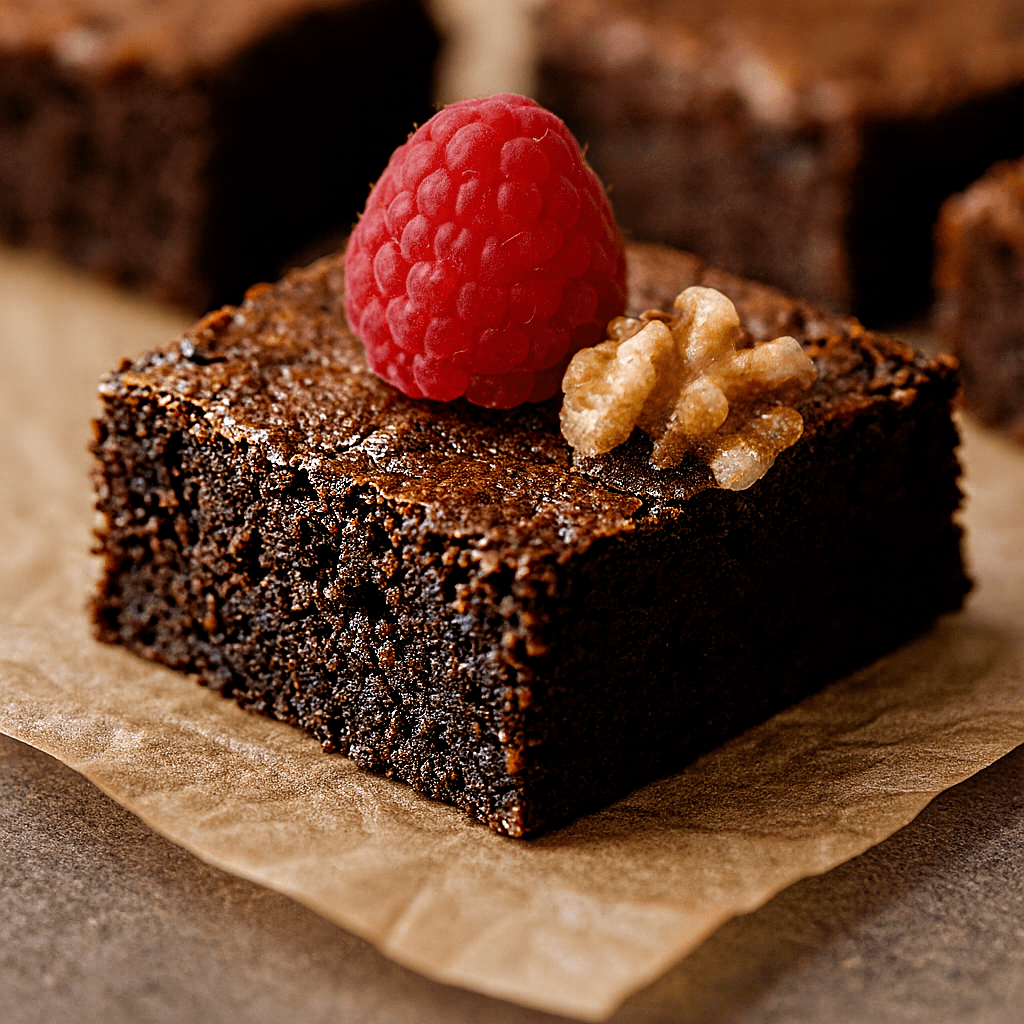
  • 🍫 Something for Keto Sweet Tooths – The Perfect Brownie!

    Just because you’re on a ketogenic diet doesn’t mean you have to give up desserts. In fact, with the right ingredients, you can enjoy rich, chocolatey treats without breaking your carb limit. Here’s a delicious keto brownie recipe that’s perfect for any low-carb lifestyle – rich in flavor, sugar-free, and truly satisfying.


    ✅ Why you’ll love it:

    • Sugar-free and gluten-free – suitable for keto and low-carb diets
    • Low glycemic index – better for blood sugar control
    • High in healthy fats – helps keep you full and energized
    • Quick and easy to make – ready in under 30 minutes
    • Freezable and fridge-friendly – perfect for meal prepping or sweet cravings

    📋 Ingredients (for a 24×24 cm baking dish):

    • 7 eggs (room temperature)
    • 150 g dark chocolate (minimum 85% cocoa or sugar-free)
    • 100 g unsalted butter
    • 40 g unsweetened cocoa powder
    • 100 g erythritol (or your preferred keto sweetener)
    • 140 g almond flour
    • 150-160g almonds or coconut milk (for extra moisture)
    • 1 teaspoon baking powder
    • A pinch of salt
    • 250g blueberries
    • Optional: 1 tsp vanilla extract, chopped nuts

    🧁 Instructions:

    1. Preheat oven to 175°C (347°F) and line the pan with parchment paper.

    2. Melt butter and chocolate together over low heat or in the microwave. Let it cool slightly.

    3. Whisk eggs and erythritol in a large bowl for 2–3 minutes until slightly fluffy.

    4. Slowly pour in the chocolate mixture, whisking constantly.

    5. Add cocoa powder, almond flour, salt, baking powder, and almonds or coconut milk. Mix until smooth.

    6. Fold in any extras (vanilla, berries, nuts).

    7. Pour batter into the pan and smooth the top.

    8. Bake for 15–20 minutes until edges are set but the center is still soft.

    Cool completely before cutting — they will firm up as they cool.


    💡 Tips:

    • For a fudgier brownie, bake closer to 15–20 minutes.
    • Store leftovers in the fridge for up to 5 days.
    • These brownies freeze perfectly – ideal for portion control or unexpected guests!

    ❤️ For Whom?

    • Anyone following a keto or low-carb lifestyle
    • People managing blood sugar or insulin resistance
    • Anyone who simply wants a healthier, guilt-free dessert

    ✨ Healthy feet start with a healthy lifestyle – and that includes treats you can feel good about. Stay tuned for more low-carb recipes and wellness tips on LifestyleForHealthyFeet.co.uk!

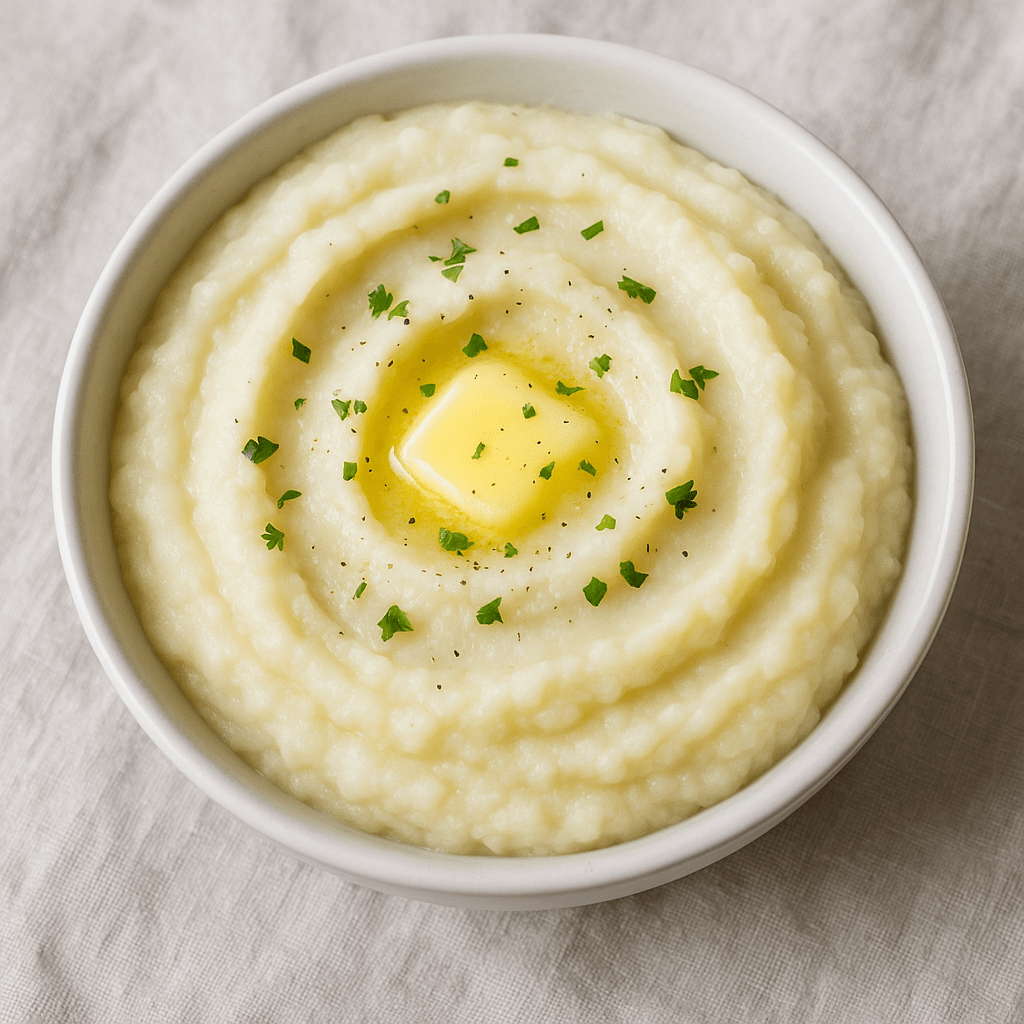
  • 🥔 Creamy Turnip Purée with Butter & Garlic

    A light and delicious low-carb alternative to mashed potatoes – perfect as a side dish for any meal.

    ✅ Low Carb | 🍽 Serves: 2 | ⏱ Ready in: ~20 minutes

    Net carbs: ~5–6 g per serving


    📝 Ingredients:

    • 2 medium turnips (approx. 300 g), peeled and chopped
    • 1 garlic clove (optional, for extra flavour)
    • 1–2 tbsp butter
    • 2 tbsp heavy cream or mascarpone
    • Salt and black pepper to taste
    • A pinch of ground nutmeg (optional)

    🍳 Instructions:

    1. Place the chopped turnips and the garlic clove (if using) into a pot of cold, salted water.
    2. Bring to a boil and cook for about 15 minutes, or until the turnips are tender.
    3. Drain well and let them sit for 2–3 minutes to release excess steam.
    4. Blend or mash the turnips with butter and cream (or mascarpone) until smooth and creamy.
    5. Season with salt, pepper, and nutmeg to taste.

    🍽 Serving Suggestions:

    • Ideal as a low-carb side dish for grilled chicken, fish, or roasted meats.
    • Delicious topped with fresh herbs or a drizzle of garlic-infused olive oil.
    • Great with sautéed spinach or broccoli for a balanced meal.
  • 🥣 Spicy Low-Carb Turnip Soup with Ginger & Curry

    A warming, creamy soup that’s full of flavour and low in carbs – ideal for keto or low-carb lifestyles.

    ✅ Low Carb | 🍽 Serves: 2–3 | ⏱ Prep & Cook Time: ~30 minutes

    Net carbs: ~7–8 g per serving


    📝 Ingredients:

    • 2 medium turnips (approx. 300 g), peeled and cubed
    • 1 small onion, chopped
    • 2 garlic cloves, minced
    • 1 tbsp freshly grated ginger (or ½ tsp ground ginger)
    • 1–2 tsp curry paste or 1 tsp curry powder
    • ½ tsp ground turmeric (optional)
    • ¼ tsp chili powder or cayenne pepper (adjust to taste)
    • 500 ml vegetable or chicken broth (unsweetened, low-carb)
    • 2–3 tbsp coconut milk or heavy cream
    • 1 tbsp ghee or coconut oil
    • Salt and pepper to taste
    • A few drops of fresh lime juice (optional, for serving)

    🍳 Instructions:

    1. Sauté the aromatics:
      In a medium pot, heat the ghee or coconut oil. Add the chopped onion and cook for 2–3 minutes until translucent.
    2. Add spices:
      Stir in the garlic, ginger, curry paste or powder, turmeric, and chili. Cook for 1 minute to release the flavours.
    3. Cook the turnips:
      Add the diced turnips and stir to coat with the spices. Pour in the broth, bring to a boil, then reduce heat and simmer for about 20 minutes, until the turnips are soft.
    4. Blend the soup:
      Use a hand blender or transfer to a blender and puree until smooth.
    5. Add creaminess:
      Stir in coconut milk or heavy cream. Season with salt, pepper, and a squeeze of lime juice (optional).
    6. Serve warm:
      Garnish with fresh herbs, pumpkin seeds, or a swirl of cream if desired.

    🌿 Serving Tips:

    • Perfect as a light lunch or starter.
    • Add grilled chicken or prawns on top for extra protein.
    • Store in the fridge for up to 3 days – flavours deepen over time!

  • 🫓 Keto Almond Flour Naan – Low Carb Indian Flatbread

    Soft, flexible, and slightly crispy at the edges, this keto naan is made without wheat flour or yeast – yet it mimics traditional Indian flatbread beautifully. It pairs perfectly with curries like Butter Chicken or Saag Paneer, and it’s ready in just 15 minutes!


    Ingredients (Makes 4 naans):

    • 1 cup almond flour (about 100 g)
    • 2 tablespoons psyllium husk (for elasticity)
    • 1/2 teaspoon baking powder
    • Pinch of salt
    • 1 egg (beaten)
    • 2 tablespoons full-fat Greek yogurt or sour cream
    • 1/4 cup hot water (about 60 ml – add gradually)

    Optional for extra flavor:

    • 1/2 teaspoon garlic powder or fresh minced garlic
    • Ghee or butter (for cooking and brushing)

    🥣 Instructions:

    1. Mix the dry ingredients – almond flour, psyllium husk, salt, baking powder, and garlic (if using).
    2. Add the egg and yogurt. Mix until a dough begins to form.
    3. Gradually add hot water while mixing until the dough is soft but not sticky. Let it rest for 2–3 minutes to allow the psyllium to absorb moisture.
    4. Divide the dough into 4 equal parts. Roll each into a ball, then flatten and roll between two sheets of baking paper to about 0.5 cm thick.
    5. Cook on a dry skillet or lightly greased with ghee, about 2–3 minutes per side until golden brown and slightly puffed.
    6. (Optional) Brush with melted garlic butter and top with fresh herbs like coriander or parsley.

    🍽️ Serving Ideas:

    • With curries like Butter Chicken or Saag Paneer
    • With keto dips, hummus, or tzatziki
    • As a wrap or base for mini low carb pizzas

    🔍 Nutrition Info (per 1 naan, approx.):

    • Calories: ~180 kcal
    • Protein: ~6–7 g
    • Fat: ~14–15 g
    • Net Carbs: ~2–3 g (depending on yogurt used)