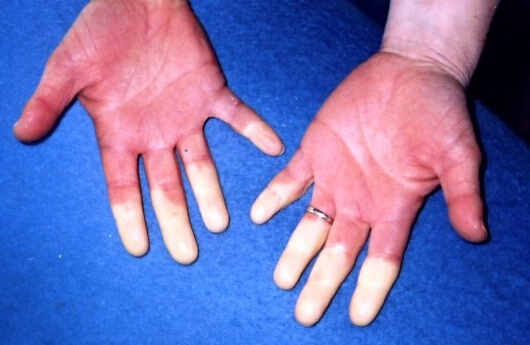
Raynaud’s disease (or Raynaud’s phenomenon) is a circulatory disorder that causes blood vessels in the fingers and toes to overreact to cold temperatures or stress, leading to numbness, tingling, and discoloration. While conventional treatments focus on managing symptoms through medications, lifestyle changes, and stress reduction, dietary choices may also play a role in improving circulation and reducing the frequency of Raynaud’s episodes.
Could a low-carb or ketogenic (keto) diet offer benefits for individuals with Raynaud’s disease? While research on this specific topic is limited, there are several mechanisms through which low-carb and keto diets might positively impact blood circulation and vascular function, potentially helping individuals with Raynaud’s.
1. How Raynaud’s Disease Affects Blood Flow
Raynaud’s disease is characterized by vasospasms, where small arteries in the fingers and toes constrict excessively in response to cold or stress, reducing blood flow. This results in:
Pale or blue-colored fingers/toes due to lack of oxygen.
Numbness, tingling, or pain in the affected areas.
Episodes triggered by cold temperatures or emotional stress.
Since vascular health, inflammation, and metabolic function play crucial roles in blood circulation, dietary choices that support blood vessel flexibility, reduce inflammation, and stabilize blood sugar may help in managing Raynaud’s symptoms.
2. Potential Benefits of Low-Carb and Keto Diets for Raynaud’s Disease
2.1. Improved Blood Sugar and Insulin Sensitivity
High carbohydrate intake and frequent blood sugar fluctuations can contribute to vascular damage and poor circulation. A low-carb or keto diet helps to:
✅ Stabilize blood sugar levels, reducing oxidative stress on blood vessels. ✅ Improve insulin sensitivity, which is linked to better endothelial (blood vessel lining) function. ✅ Reduce glycation end-products (AGEs), which contribute to blood vessel stiffening.
Since vascular dysfunction is a core issue in Raynaud’s disease, a diet that stabilizes blood sugar may help improve circulation and prevent excessive vasoconstriction.
2.2. Anti-Inflammatory Effects
Chronic inflammation can exacerbate blood vessel dysfunction and contribute to increased frequency and severity of Raynaud’s attacks.
A ketogenic diet is known for its anti-inflammatory properties due to:
✅ Reduced intake of inflammatory foods (sugar, refined carbs, processed foods). ✅ Increased consumption of healthy fats (omega-3s from fatty fish, olive oil, avocados). ✅ Lower levels of inflammatory markers such as C-reactive protein (CRP).
A diet rich in omega-3 fatty acids, antioxidants, and healthy fats can help reduce inflammation in blood vessels, potentially improving circulation and decreasing the severity of Raynaud’s episodes.
2.3. Enhanced Mitochondrial Function and Energy Production
People with Raynaud’s may experience poor energy metabolism in their small blood vessels, leading to weaker responses to temperature changes.
A ketogenic diet improves mitochondrial efficiency, providing a more stable energy source (ketones) instead of glucose. This may help:
✅ Enhance blood vessel function and support better temperature regulation. ✅ Improve overall cellular energy production, potentially reducing sensitivity to cold.
2.4. Increased Nitric Oxide (NO) Production for Better Circulation
Nitric oxide (NO) is a molecule that helps blood vessels relax and expand, improving circulation and preventing vasospasms.
A well-formulated low-carb or keto diet may increase nitric oxide levels through:
✅ Higher intake of leafy greens (rich in nitrates that promote NO production). ✅ Better metabolic function, leading to enhanced NO availability. ✅ Reduced insulin resistance, which is linked to better blood vessel flexibility.
Increasing nitric oxide may help reduce the severity and frequency of Raynaud’s episodes by promoting better blood flow to the extremities.
3. What Foods to Include for Better Circulation?
To support vascular health and improve Raynaud’s symptoms, a nutrient-dense, low-carb or keto diet should include:
Healthy Fats for Reducing Inflammation and Supporting Blood Flow
✅ Omega-3-rich foods – fatty fish (salmon, sardines, mackerel), flaxseeds, chia seeds, walnuts. ✅ Olive oil and avocados – promote healthy blood vessel function. ✅ Coconut oil and MCT oil – support energy metabolism and mitochondrial function.
Certain foods can worsen circulation and trigger Raynaud’s attacks:
❌ Refined sugars and processed carbohydrates – contribute to inflammation and oxidative stress. ❌ Trans fats and highly processed oils – found in fried and fast foods, worsening vascular function. ❌ Caffeine and excessive alcohol – can trigger vasoconstriction and worsen symptoms.
5. Lifestyle Changes That Complement a Low-Carb/Keto Diet
Diet alone may not completely eliminate Raynaud’s symptoms, but combining it with other lifestyle changes can maximize benefits:
✅ Regular physical activity – improves blood flow and reduces stress. ✅ Cold exposure management – using gloves, heated socks, and warm drinks. ✅ Stress reduction techniques – meditation, breathing exercises, and adequate sleep. ✅ Hydration – drinking plenty of water to maintain good circulation.
6. Conclusion – Can a Low-Carb or Keto Diet Help with Raynaud’s Disease?
Although direct studies on keto/low-carb diets and Raynaud’s disease are lacking, the potential benefits of better blood sugar control, reduced inflammation, improved mitochondrial function, and enhanced circulation suggest that this dietary approach could help manage symptoms and improve vascular health.
For individuals with Raynaud’s, adopting a low-carb or ketogenic diet while focusing on nutrient-dense, anti-inflammatory foods and lifestyle modifications may contribute to better blood flow, reduced frequency of attacks, and overall improved well-being.
Should You Try a Low-Carb or Keto Diet for Raynaud’s?
If you suffer from Raynaud’s disease and struggle with poor circulation, frequent attacks, or cold sensitivity, transitioning to a low-carb, nutrient-dense diet may be worth considering, especially under medical supervision. Combining dietary changes with proper stress management, physical activity, and protective measures could provide long-term improvements in circulation and symptom management.
Would you like a more personalized approach based on your current diet and lifestyle? 😊
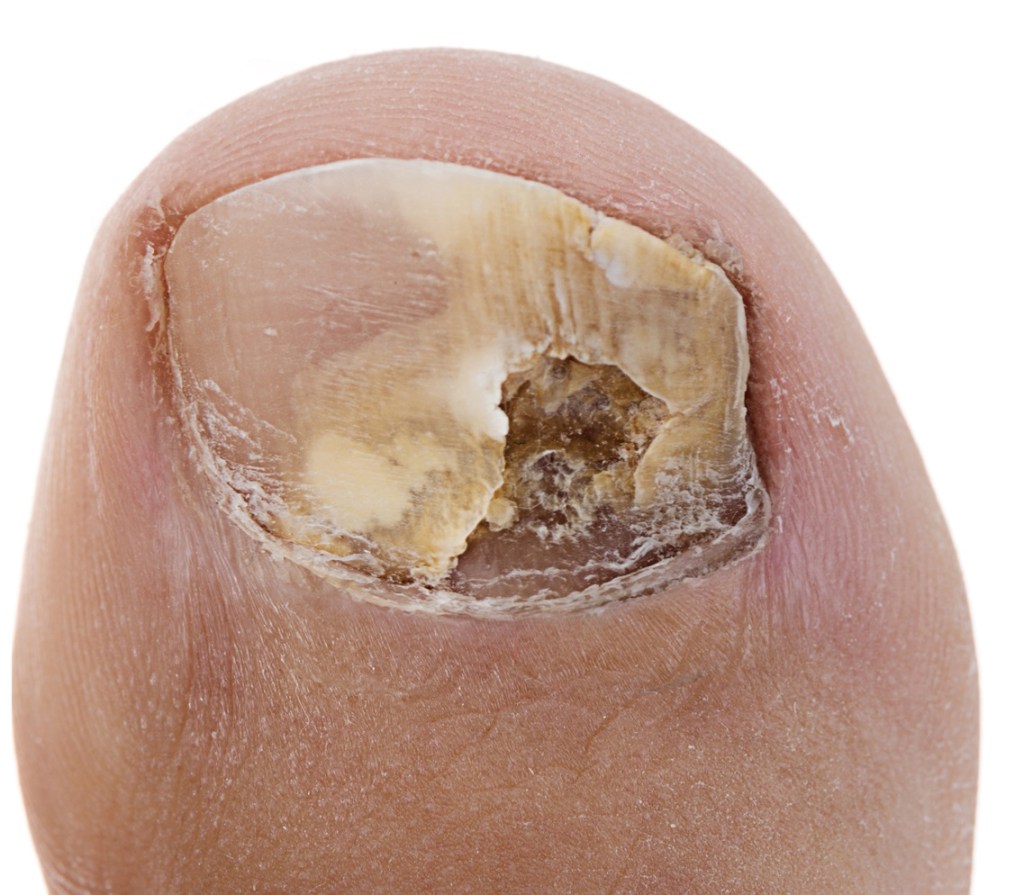
Toenail fungus (onychomycosis) is a common infection caused by dermatophytes, yeast, or molds. While antifungal medications and topical treatments are essential for eliminating the infection, growing evidence suggests that lifestyle changes, particularly dietary modifications that reduce sugar and excess carbohydrates, can not only support the treatment and prevention of toenail fungus but also have a beneficial impact on overall health. How can diet influence fungal infections, and what foods should be included or avoided to aid recovery while improving overall well-being?
1. The Connection Between Diet and Toenail Fungus
Diet plays a crucial role in immune function, gut microbiome health, and glucose metabolism, all of which affect the body’s ability to control fungal infections. A weakened immune system, high sugar intake, and an imbalanced gut flora can create an environment where fungal infections thrive, including those affecting toenails.
By reducing the consumption of processed carbohydrates and sugar, it is possible to inhibit fungal overgrowth while also improving overall health by stabilizing blood sugar levels, strengthening immunity, and promoting better metabolic function.
2. Foods That Support Toenail Fungus Treatment
2.1. Antifungal Foods
Certain foods possess natural antifungal properties and can support the body in fighting infections:
Garlic – Contains allicin, a compound with strong antifungal and immune-boosting properties.
Turmeric – Curcumin has powerful anti-inflammatory and antifungal effects.
Coconut Oil – Rich in lauric and caprylic acid, which help combat fungal infections.
Apple Cider Vinegar – Helps regulate pH levels and inhibits fungal growth.
Ginger – Supports immune function and has antifungal properties.
2.2. Strengthening the Immune System
A strong immune system is essential in combating infections. Including the following nutrients in your diet can help:
Vitamin C(citrus fruits, bell peppers, broccoli, strawberries) – Supports immunity and has antioxidant effects.
Zinc(nuts, pumpkin seeds, meat, seafood) – Promotes skin and nail regeneration and has antifungal properties.
Probiotics(kefir, natural yogurt, fermented vegetables, kombucha) – Help maintain a healthy gut microbiome, reducing fungal overgrowth.
2.3. Low-Carb (Keto) Diet for Fungus Prevention
Excess sugar in the diet fuels fungal overgrowth, especially Candida albicans, which is often linked to fungal nail infections. Reducing simple carbohydrates and sugar intake can help slow fungal growth. Recommended dietary changes include:
In addition to supporting fungal infection treatment, a low-carb or ketogenic diet improves blood sugar control and insulin sensitivity, which is especially beneficial for individuals with diabetes, insulin resistance, or metabolic disorders—conditions that often increase susceptibility to fungal infections.
3. Foods to Avoid for Toenail Fungus Treatment
3.1. Sugar and Processed Carbohydrates
Fungi, especially Candida, rely on sugar as their primary energy source. Excess sugar intake promotes their growth, making treatment more challenging.
Avoid: ❌ Sweets, sugary drinks, high-fructose corn syrup. ❌ White bread, pasta, rice, and other high-glycemic foods. ❌ Sweetened yogurts and fruit juices.
3.2. Alcohol and Caffeine
Alcohol can weaken liver function, impairing the body’s ability to eliminate toxins and fight infections. Excessive caffeine intake may also contribute to oxidative stress and nutrient depletion, weakening immunity.
Adopting a low-sugar, low-carb diet not only helps treat toenail fungus but also has wide-ranging health benefits:
✅ Blood sugar stabilization – Reduces the risk of type 2 diabetes and insulin resistance. ✅ Stronger immune system – Enhances the body’s defense against fungal and bacterial infections. ✅ Reduced inflammation – Lowers the risk of chronic diseases, including cardiovascular issues. ✅ Healthier skin and nails – Promotes stronger, clearer nails and hydrated skin.
5. Conclusion – How Can Diet Support Toenail Fungus Treatment?
A diet rich in antifungal foods (garlic, turmeric, apple cider vinegar, probiotics) can help fight infections.
Strengthening immune function with vitamins and minerals (Vitamin C, D, Zinc) can enhance the body’s defense.
Reducing sugar and processed foods limits fungal growth and lowers the risk of reinfection.
A low-carb or ketogenic diet can reduce glucose availability for fungi, supporting treatment.
Lifestyle changes through proper nutrition not only aid in fungal infection recovery but also promote long-term health and well-being.
Is It Worth Changing Your Diet?
Absolutely! Proper nutrition is not only a key part of treating toenail fungus but also a powerful way to enhance overall health, improve energy levels, and prevent future infections. By adopting a balanced, low-sugar diet, you can support both your feet and your whole body for a healthier future! 😊
Low-carbohydrate (low-carb) and ketogenic (keto) diets have gained popularity as effective approaches for weight management, blood sugar control, and metabolic health. However, their impact on the cardiovascular system, particularly on blood vessels, remains a subject of scientific debate. This article explores the effects of these diets on vascular health, including their influence on cholesterol levels, arterial function, and overall cardiovascular risk.
1. Understanding Low-Carb and Keto Diets
A low-carb diet typically restricts carbohydrate intake to 50–150 g per day, while a ketogenic diet is even more restrictive, limiting carbohydrates to below 50 g per day and increasing fat intake to induce ketosis, a metabolic state where the body primarily burns fat for energy. These dietary patterns focus on consuming healthy fats, proteins, and non-starchy vegetables, while minimizing sugars and processed carbohydrates.
2. How Low-Carb and Keto Diets Affect Blood Vessels
2.1. Effects on Cholesterol and Lipid Profiles
One of the main concerns regarding low-carb and keto diets is their effect on cholesterol levels, which are closely linked to cardiovascular health. Studies suggest:
LDL Cholesterol (“Bad” Cholesterol)
Some individuals experience an increase in LDL cholesterol when following a high-fat keto diet. However, emerging evidence suggests that LDL particle size and density may be more important than total LDL levels. Small, dense LDL particles are more atherogenic (plaque-forming), whereas large, fluffy LDL particles are less harmful.
A meta-analysis of randomized controlled trials found that while LDL levels may rise in some cases, the LDL/HDL ratio and triglyceride levels tend to improve with low-carb diets.
HDL Cholesterol (“Good” Cholesterol)
Keto and low-carb diets are known to increase HDL levels, which helps remove cholesterol from arteries and reduces cardiovascular risk.
Triglycerides
Triglycerides, a type of fat linked to heart disease, decrease significantly on low-carb diets, reducing the risk of atherosclerosis.
2.2. Effects on Arterial Function and Endothelial Health
The endothelium, the inner lining of blood vessels, plays a crucial role in vascular tone, blood pressure regulation, and preventing atherosclerosis.
Reduced Inflammation
Low-carb and keto diets are associated with a reduction in inflammatory markers, such as C-reactive protein (CRP) and interleukin-6 (IL-6), which are linked to arterial damage and cardiovascular diseases.
Lower insulin levels and blood sugar fluctuations on keto diets help protect endothelial function.
Blood Pressure Regulation
Several studies indicate that low-carb diets lead to lower blood pressure, reducing strain on blood vessels.
A systematic review and meta-analysis found that low-carb diets significantly reduce systolic and diastolic blood pressure compared to high-carb diets.
Atherosclerosis and Plaque Formation
Some concerns exist regarding potential arterial stiffness due to saturated fat intake in keto diets. However, recent studies suggest that a well-formulated low-carb or keto diet, emphasizing unsaturated fats (e.g., olive oil, avocados, nuts), does not increase arterial stiffness and may even reduce plaque buildup in some individuals.
3. Keto Diet, Type 2 Diabetes, and Vascular Complications
People with diabetes and metabolic syndrome are at higher risk for vascular complications, including peripheral artery disease, retinopathy, and nephropathy. The keto diet has shown promise in improving vascular function in these individuals:
Improved Insulin Sensitivity
Chronic high blood sugar damages blood vessels. Low-carb and keto diets reduce insulin resistance and lower fasting glucose levels, helping to prevent vascular damage.
Reduction in Advanced Glycation End Products (AGEs)
AGEs contribute to vascular stiffness and atherosclerosis. Keto diets, by reducing blood sugar spikes, lower the formation of AGEs, protecting blood vessels.
4. Addressing Concerns: Are Low-Carb and Keto Diets Safe for the Heart?
While some studies raise concerns about long-term effects, well-balanced low-carb and keto diets that prioritize healthy fats (monounsaturated and polyunsaturated), high-quality proteins, and fiber-rich vegetables can be beneficial for cardiovascular health.
Who Should Be Cautious?
Individuals with pre-existing heart disease: Regular lipid monitoring is recommended.
Hyper-responders to dietary cholesterol: Some people experience a significant rise in LDL cholesterol, requiring adjustments (e.g., replacing saturated fats with unsaturated fats).
People with familial hypercholesterolemia: Genetic predisposition to high cholesterol may require dietary modifications.
5. Conclusion: A Personalized Approach to Cardiovascular Health
Low-carb and keto diets can positively impact blood vessels by reducing inflammation, improving lipid profiles, and lowering blood pressure. However, dietary quality matters—prioritizing healthy fats, fiber, and nutrient-rich foods is essential for maintaining cardiovascular health.
For individuals considering these diets, regular check-ups, lipid monitoring, and a well-balanced approach tailored to individual health conditions are key to optimizing vascular health and minimizing risks.
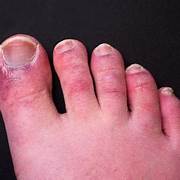
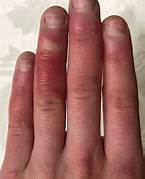
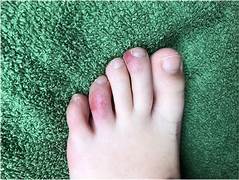
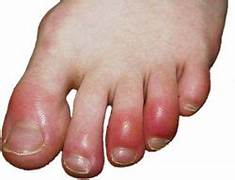
Chilblains, also known as pernio, are painful, itchy swellings that occur on the skin due to exposure to cold and damp conditions. They result from poor circulation and abnormal reaction of blood vessels to cold temperatures, leading to inflammation in the affected areas. Chilblains typically appear on the toes, fingers, ears, and nose and are more common in people with poor circulation or underlying health conditions such as Raynaud’s phenomenon.
Although chilblains are not usually serious, they can be uncomfortable and, if left untreated, may lead to complications such as blisters, skin ulcers, or infections. Understanding the causes, symptoms, and prevention methods can help minimize their occurrence and discomfort.
What Causes Chilblains?
Chilblains develop when the skin is exposed to cold temperatures, causing the small blood vessels to constrict. When the skin warms up too quickly, blood flow returns rapidly, leading to leakage of blood into surrounding tissues and inflammation. This results in redness, swelling, and discomfort.
Risk Factors for Chilblains:
✔ Cold and damp weather – sudden exposure to low temperatures or fluctuating weather conditions. ✔ Poor circulation – conditions like Raynaud’s disease increase susceptibility. ✔ Autoimmune disorders – diseases like lupus can contribute to chilblain formation. ✔ Tight footwear – restricts blood flow and increases the risk of developing chilblains. ✔ Smoking – nicotine constricts blood vessels, making chilblains more likely. ✔ Low body weight – people with less body fat have reduced insulation against the cold.
Symptoms of Chilblains
Chilblains typically appear within a few hours of cold exposure and cause the following symptoms:
✔ Red, purple, or blue discoloration of the skin ✔ Itching, burning, or tingling sensation ✔ Swelling and tenderness in the affected area ✔ Dry, cracked skin, sometimes with small blisters ✔ In severe cases, ulcers or infections may develop
Chilblains usually last for one to three weeks, but if they persist or become infected, medical attention is necessary.
How to Treat Chilblains?
Although chilblains usually heal on their own, proper care can speed up recovery and prevent complications.
Home Treatment for Chilblains:
✔ Gradual warming of the affected area – avoid sudden heat exposure; instead, warm up gradually with wool socks, gloves, or warm (not hot) water. ✔ Moisturize the skin – apply fragrance-free creams or lanolin-based products to prevent dryness and cracking. ✔ Keep skin dry and warm – wear insulating clothing and breathable socks. ✔ Avoid scratching – scratching worsens irritation and may lead to infections. ✔ Elevate the affected area – this helps reduce swelling.
Medical Treatment for Chilblains:
If chilblains become severe or recurrent, a doctor may recommend: ✔ Nifedipine (vasodilator medication) – improves circulation by relaxing blood vessels. ✔ Topical steroids – help reduce inflammation and discomfort. ✔ Antibiotics – prescribed in case of secondary infections.
Prevention of Chilblains
To minimize the risk of chilblains, follow these preventive measures:
✔ Dress warmly in cold weather – wear thick socks, insulated gloves, and proper footwear. ✔ Layer clothing – use thermal layers to maintain body temperature. ✔ Keep feet dry – moisture can exacerbate chilblains, so change socks regularly. ✔ Exercise regularly – improves circulation and reduces the likelihood of chilblains. ✔ Avoid rapid temperature changes – allow the body to warm up gradually after cold exposure. ✔ Use moisturizers – protect the skin from drying out and cracking.
When to See a Doctor?
Consult a healthcare professional if: ✔ Chilblains last longer than three weeks or worsen. ✔ You notice blisters, ulcers, or signs of infection (redness, pus, severe pain). ✔ You experience recurring chilblains, as they may indicate an underlying circulatory problem.
Conclusion
Chilblains can be an uncomfortable reaction to cold exposure, but with proper prevention, care, and treatment, their effects can be minimized. Keeping feet warm, improving circulation, and avoiding rapid temperature changes are key strategies in managing chilblains.
If you frequently suffer from chilblains, consider visiting a Foot Health Practitioner for professional foot care and personalized recommendations. Your feet deserve the best care, so don’t ignore the early signs of circulation problems! 🦶❄️
Our feet are the foundation of our body – they support us every day, allowing us to walk, run, and perform daily activities. Yet, they are often the most neglected part of our body. Many people only pay attention to their feet when they experience pain or discomfort, forgetting that foot problems can be an early sign of serious health conditions. Regular foot care and visits to specialists, such as Foot Health Practitioners, can prevent complications and improve overall well-being.
1. Why Are Feet So Important?
On average, a person takes 8,000–10,000 steps per day, which amounts to walking around the world several times in a lifetime! This constant strain can lead to various foot problems if we don’t take proper care of them.
Feet are also a reflection of overall health. They can reveal early signs of diabetes, circulation issues, and even arthritis. Regular foot check-ups help in detecting and preventing serious conditions before they become major problems.
2. Common Foot Problems
Without proper care, minor foot discomfort can develop into painful and disabling conditions. Some of the most common foot issues include:
✔ Corns and calluses – thickened skin caused by friction and pressure, leading to pain while walking. ✔ Ingrown toenails – a painful condition that can cause inflammation and infections. ✔ Cracked heels – deep fissures that can lead to infections. ✔ Fungal infections (athlete’s foot, nail fungus) – common among people who wear non-breathable shoes. ✔ Diabetic foot ulcers – serious wounds in diabetics that may require amputation if left untreated. ✔ Poor circulation – symptoms include cold feet, swelling, and pain while walking.
3. Why Visit a Foot Health Practitioner?
Many people believe that foot care is limited to home treatments and wearing comfortable shoes. While these habits are essential, regular visits to a Foot Health Practitioner can prevent serious problems and improve quality of life.
What Can a Foot Health Practitioner Do for You?
✔ Early diagnosis and prevention – detecting foot issues before they worsen. ✔ Treatment of common foot conditions – removal of corns, treatment of ingrown toenails, cracked heels, and fungal infections. ✔ Professional foot care and hygiene – procedures that cannot be done at home. ✔ Custom footwear and orthotic recommendations – guidance on the best shoes and insoles for your needs. ✔ Specialized care for diabetics and people with circulatory problems – personalized foot care to prevent serious complications.
4. How Often Should You See a Foot Specialist?
✔ Healthy individuals – at least once a year for routine check-ups. ✔ Diabetics, people with circulation issues, or arthritis – every 3–6 months to prevent complications. ✔ Individuals with recurrent foot problems (ingrown nails, corns, cracked heels) – every 6–8 weeks, as recommended by a specialist.
5. Healthy Feet = Better Quality of Life
Foot pain, discomfort, and chronic conditions can greatly affect mobility and overall well-being. Regular visits to a Foot Health Practitioner, combined with proper foot care, can prevent serious issues and help maintain mobility and comfort for years to come.
Don’t wait until problems arise – start taking care of your feet today!
Foot health is closely linked to overall well-being, and chronic conditions such as diabetes, arthritis, and cardiovascular diseases can significantly impact the feet. Without proper care and prevention, these conditions can lead to severe complications, including pain, mobility issues, infections, and even amputations. In this article, we will explore how these diseases affect foot health and discuss effective preventive measures.
1. Diabetes and Its Impact on Foot Health
Diabetic Neuropathy and Loss of Sensation
One of the most common complications of diabetes is diabetic neuropathy, which damages nerves and causes a loss of sensation in the feet. As a result, people with diabetes may not feel cuts, burns, or injuries, increasing the risk of infections and slow-healing wounds.
Diabetic Foot Syndrome and Infections
Prolonged high blood sugar levels can impair circulation in the lower limbs, leading to diabetic foot ulcers—open sores that are slow to heal and prone to infections. In severe cases, untreated wounds can lead to amputation.
Prevention Strategies
✔ Daily foot inspections – check feet for cuts, blisters, and wounds. ✔ Moisturize regularly – keep the skin hydrated to prevent cracks. ✔ Wear proper footwear – avoid tight, rubbing, or ill-fitting shoes. ✔ Control blood sugar levels – maintain stable glucose levels to improve circulation. ✔ Regular check-ups – visit a podiatrist or diabetes specialist for routine assessments.
2. Arthritis and Its Impact on Foot Health
Pain, Stiffness, and Deformities
Arthritis refers to various inflammatory joint diseases that cause chronic pain, stiffness, and deformities in the feet. This can severely limit mobility and reduce the quality of life.
Gout – A Specific Form of Arthritis
Gout is a type of arthritis caused by uric acid crystal buildup in the joints, leading to sudden and intense pain, redness, and swelling—often in the big toe.
Prevention Strategies
✔ Anti-inflammatory diet – reduce red meat, alcohol, and sugar intake. ✔ Regular exercise – keep joints flexible and strong. ✔ Wear supportive footwear – choose well-cushioned shoes that support the natural foot arch. ✔ Physical therapy – exercises and massages to maintain joint mobility. ✔ Medications – anti-inflammatory drugs and uric acid-lowering treatments.
3. Cardiovascular Diseases and Their Impact on Feet
Circulatory Issues and Swelling
Cardiovascular diseases, such as atherosclerosis, hypertension, and chronic venous insufficiency, can impair blood circulation to the feet, causing: ✔ Cold, pale feet, ✔ Swelling, especially around the ankles, ✔ Pain while walking (claudication).
Varicose Veins and Blood Clots
People with venous insufficiency are prone to varicose veins, which can lead to deep vein thrombosis (DVT)—a condition that may cause dangerous blood clots.
Prevention Strategies
✔ Regular physical activity – walking, swimming, and leg exercises to improve circulation. ✔ Avoid prolonged sitting or standing – move frequently to prevent blood pooling. ✔ Elevate the legs – rest with feet raised to reduce swelling. ✔ Skin care routines – prevent venous ulcers by keeping the skin hydrated. ✔ Compression stockings – support proper blood circulation.
Conclusion
Chronic diseases such as diabetes, arthritis, and cardiovascular conditions have a major impact on foot health. If left untreated, they can lead to pain, deformities, infections, and, in severe cases, amputations. Early detection, proper foot care, and regular medical check-ups are crucial for preventing complications.
By adopting a healthy lifestyle—including a balanced diet, physical activity, and proper foot hygiene—you can maintain strong, pain-free feet and enjoy greater mobility for years to come.
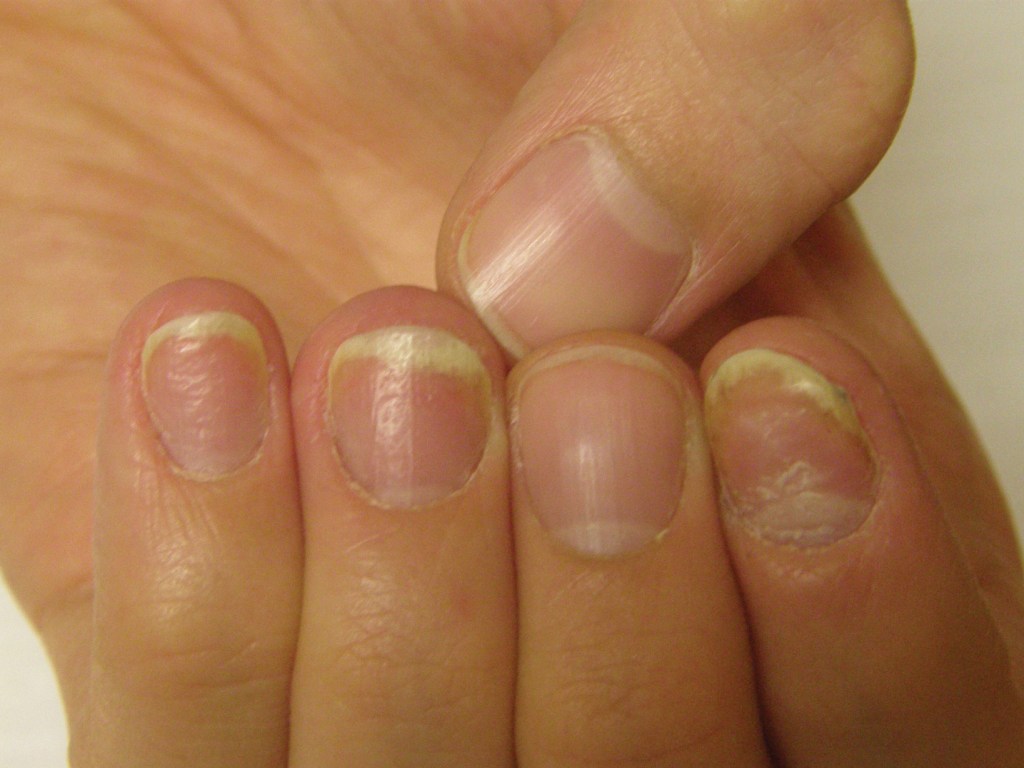
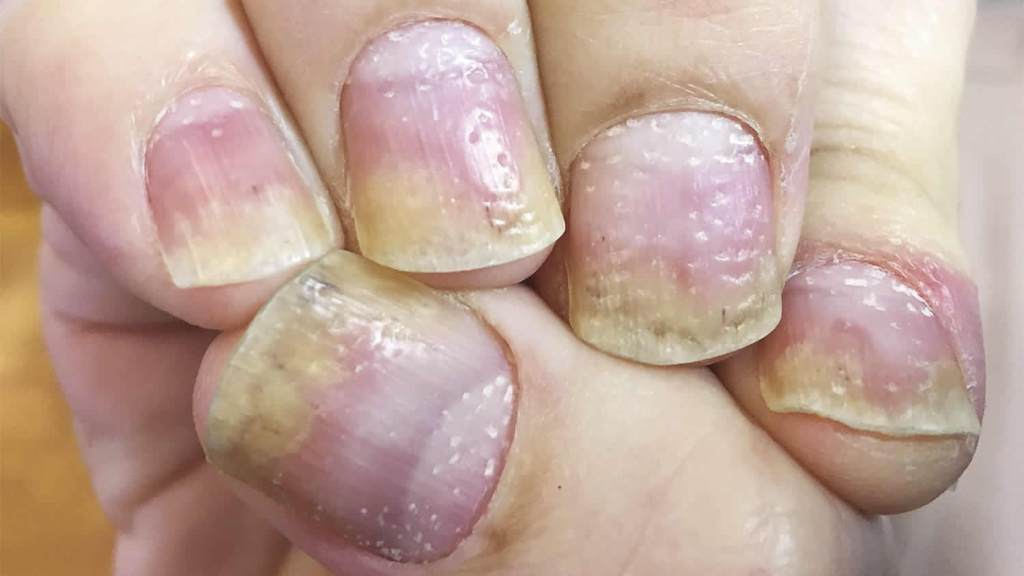
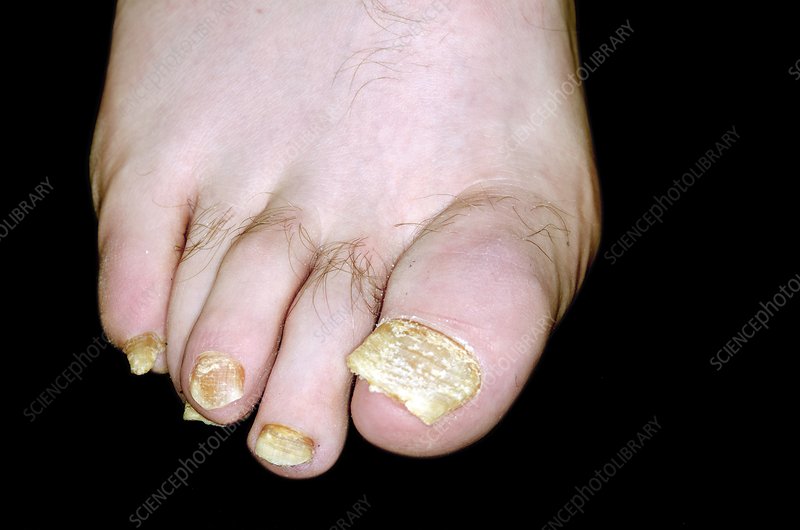
Nail psoriasis is a chronic autoimmune condition affecting the nails, often occurring in individuals with psoriasis on the skin. It leads to discoloration, pitting, thickening, and structural changes in the nail plate. Because its symptoms can resemble fungal infections, eczema, or trauma-related nail disorders, accurate diagnosis is essential for effective treatment.
In this article, we explore the causes, symptoms, diagnostic methods, and differentiation of nail psoriasis from other common nail diseases.
What Causes Nail Psoriasis?
Nail psoriasis is an autoimmune disorder in which the immune system mistakenly attacks healthy cells, leading to excessive keratin production in the nails.
🔹 Key factors contributing to nail psoriasis: ✔ Genetics – psoriasis often runs in families. ✔ Dysregulated immune response – an overactive immune system triggers inflammation in the nail matrix and nail bed. ✔ Triggers – stress, infections, injuries, and certain medications can worsen symptoms. ✔ Psoriatic arthritis (PsA) – up to 80% of people with PsA experience nail psoriasis.
Symptoms of Nail Psoriasis
Nail psoriasis can affect both fingernails and toenails. The severity of symptoms varies, but common signs include:
1. Nail Pitting
🔹 Small depressions (pits) in the nail surface, caused by disrupted keratin production. 🔹 Number and depth of pits can vary – from a few shallow pits to multiple deep indentations.
2. Onycholysis (Nail Separation from the Bed)
🔹 The nail lifts away from the nail bed, creating a white or yellowish gap. 🔹 May increase risk of secondary bacterial or fungal infections.
3. Oil Drop Sign
🔹 Reddish-yellow discoloration under the nail, resembling a drop of oil beneath the nail plate. 🔹 One of the most distinctive signs of nail psoriasis.
4. Subungual Hyperkeratosis
🔹 Excess keratin buildup under the nail, causing thickening and elevation of the nail plate. 🔹 Can lead to pain and discomfort, especially in toenails.
5. Nail Crumbling and Splitting
🔹 Nails may become brittle, crumbly, and break easily. 🔹 Can resemble symptoms of fungal infections or trauma.
6. Redness and Inflammation Around the Nail (Paronychia)
🔹 The skin around the nail becomes swollen and tender. 🔹 Often associated with psoriatic arthritis.
How to Differentiate Nail Psoriasis from Other Nail Disorders?
Because nail psoriasis shares symptoms with other nail diseases, proper diagnosis is crucial. Below is a comparison of nail psoriasis with other common nail conditions.
1. Nail Psoriasis vs. Fungal Nail Infections (Onychomycosis)
🔹 Similarities: ✔ Both conditions can cause nail thickening, discoloration, and crumbling. ✔ Both may lead to subungual hyperkeratosis (keratin buildup under the nail).
🔹 Differences: ✔ Nail psoriasis often presents pitting and oil drop discoloration, which are not seen in fungal infections. ✔ Fungal infections typically start at the edge of the nail and spread inward, whereas psoriasis affects the entire nail plate. ✔ Lab test: A fungal culture or PCR test can confirm the presence of a fungal infection.
2. Nail Psoriasis vs. Eczema of the Nails
🔹 Similarities: ✔ Both can cause brittle nails, ridges, and discoloration. ✔ Both may involve skin inflammation around the nails.
🔹 Differences: ✔ Eczema more commonly affects the skin surrounding the nail, leading to itching, redness, and peeling. ✔ Nail psoriasis causes pitting, oil drop discoloration, and onycholysis, which are not typical in eczema.
3. Nail Psoriasis vs. Nail Trauma (Beau’s Lines)
🔹 Similarities: ✔ Both conditions can cause horizontal ridges or nail deformities. ✔ Both may result in temporary nail discoloration.
🔹 Differences: ✔ Trauma-related nail damage usually appears after an injury (e.g., hitting the nail, tight shoes, aggressive manicure). ✔ Psoriasis-related changes persist over time, while trauma-related lines grow out as the nail regenerates.
4. Nail Psoriasis vs. Lichen Planus of the Nails
🔹 Similarities: ✔ Both cause thinning, splitting, and ridging of nails. ✔ Both conditions may lead to onycholysis (nail detachment).
🔹 Differences: ✔ Lichen planus often causes longitudinal ridging and nail loss, whereas psoriasis leads to crumbling and pitting. ✔ Lichen planus can result in total nail destruction (pterygium formation), a rare complication in psoriasis.
Diagnosis of Nail Psoriasis
📌 Diagnostic tests include: ✔ Clinical examination – evaluation of nail texture, color, and shape. ✔ Dermoscopy – helps identify psoriasis-specific nail features. ✔ Nail biopsy – confirms psoriasis if needed. ✔ Fungal culture – to rule out onychomycosis.
Treatment Options for Nail Psoriasis
Nail psoriasis cannot be cured, but treatments can improve nail appearance and reduce discomfort.
1. Topical Treatments
✔ Corticosteroid creams or gels – reduce inflammation and prevent nail thickening. ✔ Vitamin D analogs (Calcipotriol) – help normalize nail cell growth. ✔ Tazarotene (topical retinoid) – improves nail texture and reduces hyperkeratosis.
2. Systemic Treatments (For Severe Cases)
✔ Methotrexate, Cyclosporine, or Biologics (e.g., TNF inhibitors, IL-17 inhibitors) – used in patients with psoriatic arthritis or severe nail involvement.
3. Laser and Light Therapy
✔ Excimer laser or UV phototherapy (PUVA, NB-UVB) – may improve nail psoriasis symptoms over time.
4. Home Care and Prevention
✔ Keep nails short and well-trimmed to prevent further damage. ✔ Moisturize nails and cuticles to prevent cracking. ✔ Avoid aggressive manicures or artificial nails, as they can worsen nail psoriasis. ✔ Wear gloves when cleaning to protect nails from chemicals and water exposure.
Conclusion
Nail psoriasis is a chronic condition that affects nail structure, texture, and color, often leading to pitting, onycholysis, and thickening. Because its symptoms can mimic fungal infections, eczema, or lichen planus, accurate diagnosis is crucial.
If you notice persistent nail changes, consult a dermatologist for proper evaluation and treatment. Early intervention can prevent worsening symptoms and improve nail appearance over time.
Not to be used for advertising or in a defamatory context
Close-up of the thickened and discoloured toenails of a 36 year old male patient with psoriasis, a condition where skin cells are produced much faster than normal.
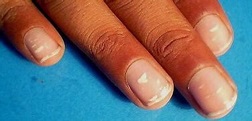
Nail leukonychia is a condition characterized by the appearance of white spots, streaks, or total whitening of the nail plate. It can result from genetic factors, mechanical trauma, nutritional deficiencies, or systemic diseases. It is important to distinguish leukonychia from other nail disorders, such as fungal infections, psoriasis, or bacterial infections, as each requires different treatment approaches.
This article explores the causes of leukonychia, its differentiation from other conditions, and the available diagnostic and treatment options.
Types of Nail Leukonychia
Leukonychia can present in different forms, depending on the extent and cause of the condition.
1. Punctate Leukonychia (Leukonychia Punctata) – White Dots
🔹 The most common form, featuring small white spots on the nails. 🔹 Usually caused by minor mechanical trauma, such as hitting or biting the nails.
2. Striated Leukonychia (Leukonychia Striata) – White Bands
🔹 Characterized by horizontal white streaks across the nails. 🔹 May be associated with zinc, calcium, or protein deficiency, or exposure to heavy metals like lead or arsenic.
3. Total Leukonychia (Leukonychia Totalis) – Completely White Nails
🔹 The entire nail plate turns white, from the nail matrix to the free edge. 🔹 Can be genetic (e.g., Bart-Pumphrey syndrome) or a sign of liver or kidney diseases.
4. Partial Leukonychia (Leukonychia Partialis) – Partial Nail Whitening
🔹 Affects only part of the nail, such as half or the tip of the plate. 🔹 Often linked to nutritional deficiencies or localized trauma.
Common Causes of Nail Leukonychia
🔹 Mechanical trauma – caused by hitting, excessive filing, or aggressive manicures. 🔹 Nutritional deficiencies – low levels of zinc, calcium, iron, and protein can disrupt nail keratinization. 🔹 Fungal and bacterial infections – can lead to white discoloration, often mistaken for leukonychia. 🔹 Allergic reactions – exposure to harsh nail polishes, gels, or detergents can cause nail whitening. 🔹 Systemic diseases – conditions like diabetes, anemia, psoriasis, liver and kidney diseases can affect nail appearance. 🔹 Heavy metal poisoning – exposure to arsenic, lead, or mercury can trigger striated leukonychia.
How to Differentiate Leukonychia from Other Nail Conditions?
White discoloration on nails can also be a symptom of other conditions, so differentiation is key.
1. Leukonychia vs. Fungal Nail Infections (Onychomycosis)
🔹 Fungal infections cause yellowish, brown, or white discoloration, often accompanied by thickening and brittleness. 🔹 In leukonychia, white spots are flat, and the nail remains smooth and unbroken. 🔹 Nail culture tests help confirm fungal infections.
2. Leukonychia vs. Nail Psoriasis
🔹 Nail psoriasis typically presents pitting (small indentations), thickening, and yellow or reddish discoloration. 🔹 Leukonychia, on the other hand, appears as white, flat discoloration without structural nail damage.
3. Leukonychia vs. Bacterial Infections (e.g., Pseudomonas Aeruginosa)
🔹 Green nail syndrome (caused by Pseudomonas bacteria) leads to greenish, blue, or black discoloration, often misidentified as leukonychia. 🔹 Bacterial infections are common in people who wear artificial nails or work in humid environments.
4. Leukonychia vs. Muehrcke’s Lines (Protein Deficiency, Liver Disease)
🔹 Muehrcke’s lines are white bands parallel to the nail base that do not move as the nail grows. 🔹 They are associated with low protein levels and liver dysfunction, rather than mechanical trauma.
Diagnosis and Treatment of Leukonychia
📌 Diagnosis involves: ✔ Medical history and visual examination of the nails ✔ Blood tests (to check iron, zinc, calcium, liver, and kidney function) ✔ Fungal culture tests (if an infection is suspected)
🔹 Treatment depends on the cause: ✔ For trauma-related leukonychia – no treatment is needed; the nail will grow out naturally. ✔ For nutritional deficiencies – supplementing with zinc, calcium, iron, and B vitamins can restore healthy nail growth. ✔ For infections – antifungal or antibacterial treatments may be required. ✔ For systemic diseases – treating the underlying condition is essential.
How to Prevent Nail Leukonychia?
✔ Avoid mechanical trauma – be gentle when filing or clipping nails. ✔ Maintain a balanced diet – consume foods rich in zinc, iron, protein, and vitamins (e.g., eggs, nuts, fish, vegetables). ✔ Use safe nail products – avoid harsh chemicals in polishes and nail hardeners. ✔ Protect nails from chemical exposure – wear gloves when using detergents. ✔ Practice good nail hygiene – moisturize and strengthen the nail plate regularly.
Conclusion
Nail leukonychia is a common condition that is usually harmless and caused by minor injuries or nutritional deficiencies. However, in some cases, it may indicate underlying health problems, such as systemic diseases or infections. Proper differentiation from other nail disorders, such as fungal infections or psoriasis, is crucial for appropriate treatment.
If white spots persist, affect multiple nails, or are accompanied by other symptoms (e.g., fatigue, hair loss, or skin issues), consulting a doctor is recommended.
Nail plate melanoma is a rare but highly dangerous malignant tumor that can appear on both fingernails and toenails. It is sometimes mistaken for other conditions such as nail fungus, bruises, or pigmentation changes. Early diagnosis is crucial because melanoma can develop rapidly and metastasize. How can it be recognized, and how can it be distinguished from other nail diseases?
What Does Nail Melanoma Look Like?
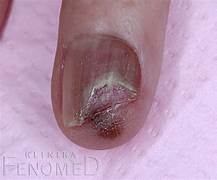
Nail plate melanoma most often appears as a brown or black streak running along the nail. It can also manifest as irregular discoloration of the entire nail plate and, in more advanced cases, lead to its destruction. Characteristic symptoms include:
Dark, irregular discoloration that gradually increases in size,
Discoloration extending beyond the nail plate (known as Hutchinson’s sign),
Nail deformation, splitting, or crumbling,
No association of the change with an injury (for example, a subungual hematoma may appear after trauma but gradually fades, whereas melanoma remains and grows).
How to Differentiate Melanoma from Other Nail Diseases?
1. Nail Fungus (Onychomycosis)
Nail fungus is one of the most common conditions affecting toenails. It manifests as:
A change in nail color to yellow, brown, or white,
Thickening and brittleness of the nail plate,
Separation of the nail from the nail bed,
An unpleasant odor (in advanced cases).
Difference: Unlike melanoma, fungal infections develop gradually and rarely cause dark streaks. Additionally, they can be effectively treated with antifungal medications.
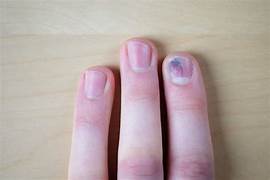
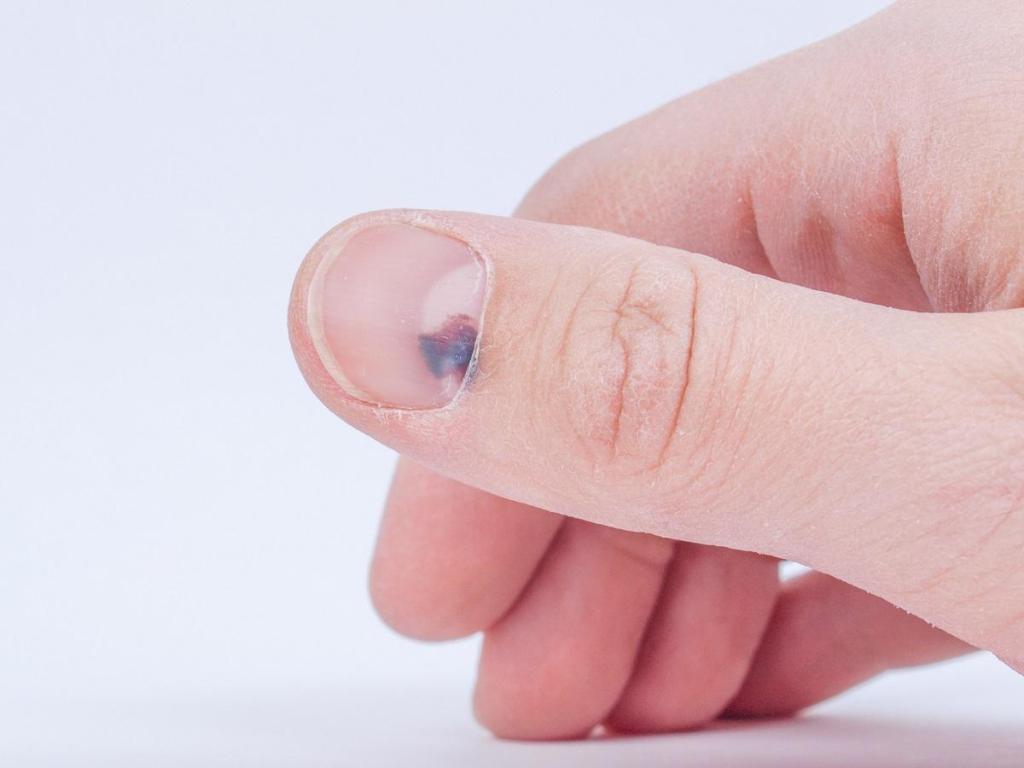
2. Subungual Hematoma
A hematoma can occur after trauma, such as hitting a toe. It is characterized by:
Dark discoloration (red, purple, or black),
No extension of the discoloration beyond the nail,
Gradual movement of the discoloration as the nail grows out.
Difference: A hematoma moves as the nail grows, while melanoma does not.
3. Melanonychia
This is a benign pigmentation of the nail caused by excess melanin. It presents as:
Uniform dark pigmentation in the form of streaks,
Often occurring in individuals with darker skin tones,
No destruction of the nail plate.
Difference: In melanonychia, the color is uniform and symmetrical, whereas melanoma appears irregular.
When to See a Doctor?
If you notice a dark, irregular discoloration on your nail that:
Gradually increases in size,
Does not disappear over several months,
Extends beyond the nail,
Is accompanied by pain, ulceration, or nail deformation, it is essential to consult a dermatologist or podiatrist as soon as possible. Early melanoma diagnosis significantly improves the prognosis and helps avoid severe consequences.
Conclusion
Nail plate melanoma is a serious condition that can be mistaken for other diseases, such as fungal infections, hematomas, or melanonychia. It is crucial to pay attention to unusual nail discolorations, their irregularity, and the lack of connection to trauma. Regular foot and nail health checks and consulting a doctor when suspicious changes appear can be life-saving. Remember, healthy feet are not only an aesthetic concern but also an indicator of overall health!






 Lifestyle for Healthy Feet