Author: Anna Lasota

  • Vitamin D3 – The Key to Health: Unknown Deficiency Symptoms and Why You Shouldn’t Fear Supplementation

    Vitamin D3, often called the “sunshine vitamin,” is, in fact, a hormone that plays a vital role in the proper functioning of the human body. It is essential for bone health, muscle function, the nervous system, and even mental health. Did you know that 10% of our genes around 2,500 out of 25,000 depend on vitamin D3 to function correctly? Its deficiency can lead to a range of symptoms that are often overlooked. Moreover, fears of overdosing on vitamin D3 are largely unfounded, as it is extremely rare. Let’s take a closer look at some lesser-known deficiency symptoms and why supplementation is safe and beneficial.


    Lesser-Known Symptoms of Vitamin D3 Deficiency

    While vitamin D3 is widely recognized for its role in supporting bone health and immunity, its deficiency can manifest in less obvious ways. Here are eight symptoms you might not associate with a lack of vitamin D3:

    1. Excessive Sweating, Especially on the Head

    The head contains more sweat glands than other parts of the body, and their activity is regulated by the sympathetic nervous system, which requires vitamin D3 for proper functioning. Excessive sweating on the head, particularly at rest, could be an early indicator of deficiency.

    2. Mood Swings and Panic Attacks

    Vitamin D3 regulates serotonin levels a key neurotransmitter responsible for mood. Its deficiency can lead to mood swings, anxiety, and even panic attacks. The lack of vitamin D3 disrupts the functioning of the amygdala, the brain structure responsible for stress responses, potentially causing heightened panic reactions.

    3. Bone and Muscle Pain

    Pain in the lower back, hips, or upper thighs may indicate osteomalacia, a softening of the bones caused by insufficient calcium absorption due to a lack of vitamin D3. This can result in weak bones and chronic muscle discomfort.

    4. Joint Stiffness and Inflammation

    Cartilage in joints, such as the costosternal joints, is prone to inflammation when vitamin D3 levels are low. This can lead to pain, reduced mobility, and even poor posture.

    5. Difficulty Building Muscle Mass

    Vitamin D3 supports protein synthesis and mitochondrial function key factors in muscle growth. Without adequate vitamin D3, building muscle tissue, even with regular exercise, becomes challenging.

    6. Chronic Fatigue

    Vitamin D3 plays a crucial role in mitochondrial function, particularly in ATP production the body’s main energy source. Its deficiency disrupts enzyme activity involved in energy production, leading to persistent fatigue.

    7. Constant Hunger

    A lack of vitamin D3 affects appetite-regulating hormones such as leptin, leading to a continuous feeling of hunger. This debunks the myth that weight gain is solely about calorie intake or physical activity vitamin D3 deficiency could be the root cause.

    8. Insulin Resistance

    Vitamin D3 supports insulin function, the hormone responsible for regulating blood sugar levels. Its deficiency increases the risk of insulin resistance, which can lead to elevated blood glucose levels and type 2 diabetes.


    Don’t Fear Vitamin D3 – Overdosing Is Almost Impossible

    Many people are hesitant to supplement with vitamin D3, fearing potential overdose. In reality, overdosing is extremely rare. Even high doses, such as 4,000 IU daily, are considered safe. Toxicity typically occurs only with doses exceeding 50,000 IU daily over several months far beyond recommended levels.

    The body has natural mechanisms to regulate vitamin D3 absorption, and supplementation in recommended doses is both safe and effective. During periods of low sun exposure, such as autumn and winter, supplementation is essential to prevent deficiencies.


    Vitamin D3 is a cornerstone of health and proper bodily function. Its deficiency can lead to numerous symptoms that are often unnoticed but have a significant impact on well-being. Regular testing, a balanced diet, and appropriate supplementation are the best ways to maintain optimal health.

    Remember don’t fear vitamin D3! It’s not just a vitamin but a hormone that governs your health. Invest in your well-being, and your body will thank you!

  • Ingrown Toenails – Causes, Symptoms, and Modern Solutions

    Ingrown toenails are a common problem affecting millions of people worldwide. They can cause pain, inflammation, and difficulty in daily activities. Fortunately, effective and safe treatment methods exist that avoid invasive procedures. One such method is the VHO brace – an innovative solution that provides relief and improves quality of life.


    Why Do Toenails Become Ingrown?

    An ingrown toenail occurs when the edge of the nail grows into the surrounding skin, causing discomfort and pain. This condition can have various causes, including:

    • Improper nail trimming – Cutting nails too short or rounding the edges increases the risk of ingrown toenails
    • Tight footwear – Shoes that squeeze the toes put pressure on the nail plate.
    • Mechanical injuries – Trauma or injury can alter the nail’s growth direction.
    • Genetic factors – People with naturally curved nails are more prone to this issue.
    • Chronic conditions – Diseases such as diabetes or poor circulation can weaken the skin and nails, increasing susceptibility.

    Symptoms of Ingrown Toenails

    Signs that you may have an ingrown toenail include:

    • Pain and tenderness along the edge of the nail,
    • Redness and swelling,
    • In advanced cases, infection with pus discharge.

    If you notice these symptoms, it’s important to address the problem early to prevent worsening.


    VHO Brace – A Modern and Safe Solution

    The VHO brace is an effective alternative to surgical nail removal. It’s an orthonyxial method that corrects the nail’s growth direction while relieving pressure on the skin.

    How Does the VHO Brace Work?

    • A specially designed wire brace is custom-fitted to the shape of the nail.
    • Once applied, it gently lifts the nail edges, reducing pressure on the surrounding skin.
    • Gradual correction ensures the nail grows in the proper direction over time.

    Benefits of the VHO Brace

    • Pain-Free – The procedure is comfortable and doesn’t require anesthesia.
    • No Surgery Needed – Avoids the need for painful nail removal.
    • Effective – Regular monitoring and use of the brace ensure lasting results.
    • Universal Application – Suitable for people of all ages.
    • Aesthetic – The brace is nearly invisible and doesn’t interfere with daily life.

    How to Prevent Ingrown Toenails

    Here are a few simple tips to help you avoid ingrown toenails:

    1. Trim your nails straight across without rounding the edges.
    2. Avoid tight shoes – opt for footwear with a wide toe box.
    3. Maintain good foot hygiene and moisturize your skin regularly.
    4. Monitor for early symptoms and address them promptly.
    5. Consult a podiatrist if you notice any unusual changes.

    Ingrown toenails can be effectively treated with modern methods like the VHO brace. This innovative technique corrects the nail’s growth direction, providing relief and comfort without the need for surgical intervention.

    If you have questions about ingrown toenails or other foot health concerns, feel free to reach out through my Facebook page. Taking care of your feet regularly is the key to their health and your everyday comfort.

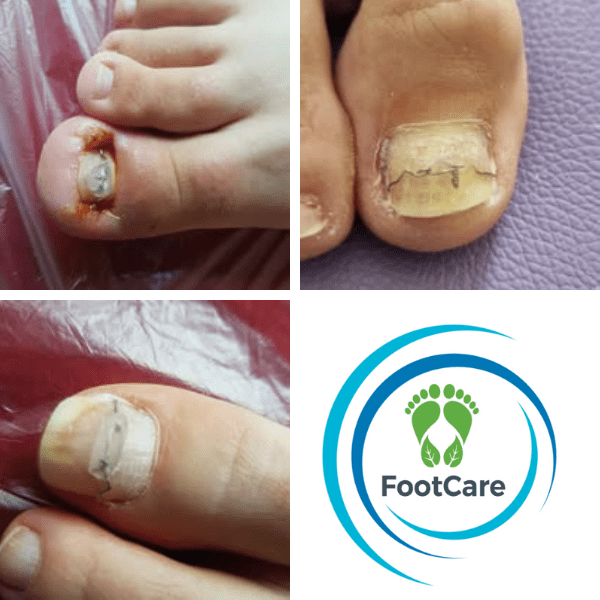
    Photo 1: Ingrown Toenail – Correction with Orthonyxic Brace


    This photo showcases the treatment of an ingrown toenail using an orthonyxic brace. The initial image shows an acute inflammatory condition around the nail. The treatment process required wearing the brace for 6 months to achieve a fully healed and corrected nail.

    Why is this important?
    Ingrown toenails are a common issue that can cause pain, infections, and significant discomfort in daily life. Brace correction is an effective alternative to surgical procedures, offering a gradual and non-invasive solution for restoring the nail’s natural shape and health.

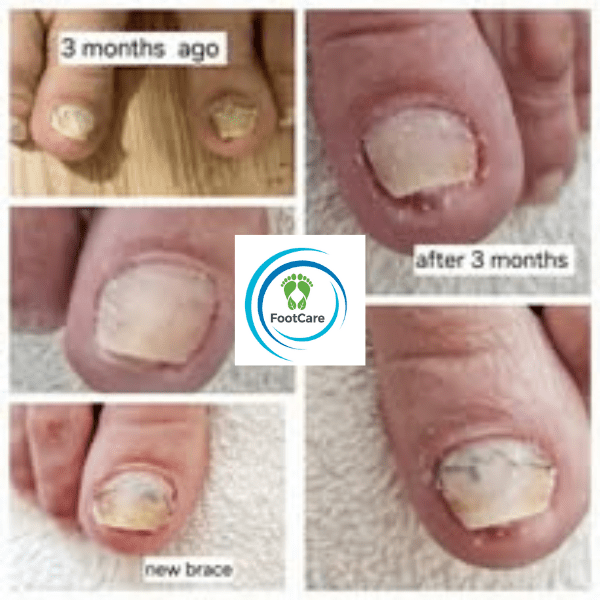
    Photo 2: Nail Correction Results After 3 Month


    This photo illustrates the process of nail correction for a client with an ingrown toenail. The first image documents the condition before treatment, while the last image highlights the results after three months of therapy. Thanks to the orthonyxic brace, the nail regained its proper shape, and the surrounding tissue healed completely.

    Client Benefits:

    • Relief from pain and discomfort
    • Restored aesthetic appearance of the nail
    • Avoidance of surgical intervention

    How to Effectively Manage Ingrown Toenails?

    Ingrown toenails are a common issue affecting people of all ages. They can result from improper nail trimming, wearing tight shoes, or underlying health conditions like diabetes. In the photos above, you can see the results of my work using orthonyxic braces, which:

    • Provide pain relief from the first application
    • Gradually restore the natural shape of the nail
    • Are safe for elderly and diabetic individuals

    If you’re struggling with a similar issue, feel free to reach out. At my clinic in Dudley, I offer professional treatments with the highest standards of hygiene and safety. Whether you need ingrown toenail correction or general foot care, I am here to help you get back on your feet comfortably.

  • Vitamin D3 – The Key to Overall Health

    Vitamin D3, also known as the “sunshine vitamin,” plays a crucial role in the functioning of our body. While it has long been associated with bone health, recent research reveals its impact extends far beyond this. Unfortunately, a global deficiency of vitamin D3 is one of the greatest health challenges of our time. What are its functions, how much do we need, and why is it so important? Let’s find out.


    The Classical and Non-Classical Roles of Vitamin D3

    Classical Role

    Since the 1920s, vitamin D3 has been known for its role in regulating calcium and phosphorus metabolism, preventing rickets in children and osteomalacia in adults. It is essential for the development of healthy bones and teeth and aids in the absorption of calcium and phosphorus.

    Non-Classical Role

    In recent years, research has uncovered that vitamin D3 also contributes to:

    • Immune system support: Enhances the body’s ability to fight infections.
    • Apoptosis regulation: Controls natural cell death, essential for tissue health.
    • Inflammation reduction: Acts as an anti-inflammatory agent.
    • Neurogenesis: Supports the development of new nerve cells.

    Additionally, vitamin D3 is linked to the prevention of autoimmune diseases like type 1 diabetes and neurodegenerative disorders, including depression and schizophrenia. It is also considered a biomarker for chronic diseases and frailty.


    The Global Problem of Vitamin D3 Deficiency

    It is estimated that 42% to 97% of the global population suffers from vitamin D3 deficiency. The main causes include:

    • Limited sun exposure: Due to air pollution, full-body clothing, or geographical location.
    • Lifestyle factors: Spending most of the time indoors.
    • Skin pigmentation: People with darker skin have lower vitamin D3 production.
    • Aging: The skin’s ability to produce vitamin D3 decreases with age.

    The effects of deficiency include weakened immunity, an increased risk of cancers, type 2 diabetes, cardiovascular diseases, and depression.


    How Much Vitamin D3 Do We Need?

    Standard Doses

    • 600 IU (15 µg) is the minimum recommended daily dose, but this often proves insufficient.
    • 2000 IU per day is widely recognized as a safe and effective dose for most individuals, especially during periods of limited sun exposure.

    Higher Doses for Deficiency

    • 5000 IU per day is recommended for people with moderate vitamin D3 deficiency.
    • 10,000 IU per day or higher may be used for severe deficiencies, but such supplementation should be strictly monitored by a healthcare professional.

    Optimal Blood Levels of Vitamin D3

    Research indicates that the optimal blood levels of vitamin D3 are:

    • 50–80 ng/dl (125–200 nmol/l). Maintaining these levels is associated with reduced risk of chronic diseases and improved quality of life.

    How to Ensure Adequate Vitamin D3 Levels?

    1. Sun Exposure: Vitamin D3 production in the skin under UVB radiation is the most natural way to obtain it. However, its efficiency depends on factors like the time of year, geographical location, skin pigmentation, and the amount of time spent outdoors.
    2. Diet: Vitamin D3 is naturally found in a limited number of foods, such as:
      • Fatty fish (salmon, mackerel, sardines).
      • Egg yolks.
      • Fortified milk and dairy products.
    3. Supplementation: This is the most reliable way to ensure adequate vitamin D3 intake, especially during seasons with little sun exposure.

    Cofactors Supporting Vitamin D3

    Vitamin D3 requires the support of other nutrients to maximize its potential. Key cofactors include:

    1. Magnesium: Helps activate vitamin D3 in the body.
    2. Omega-3 fatty acids: Support cardiovascular and immune health.
    3. Zinc and boron: Aid in vitamin D3 metabolism.
    4. Vitamin K2: Directs calcium to the bones, preventing its deposition in arteries.

    Why Is Monitoring Vitamin D3 Levels Important?

    Regular blood tests to measure 25(OH)D levels are essential for safe vitamin D3 supplementation. These tests help avoid both deficiency and potential risks of excess, such as hypercalcemia.


    Vitamin D3 is the foundation of a healthy life. Its impact on bone health, the immune system, mental well-being, and the prevention of chronic diseases makes it one of the most vital nutrients. To maintain good health, ensure regular sun exposure, a diet rich in vitamin D3, and appropriate supplementation. Don’t forget to monitor your vitamin levels through regular blood tests—it’s the key to optimal health and well-bei

  • Position of the European Association for the Study of Obesity (EASO): The Role of Nutritional Therapy in the Treatment of Overweight, Obesity, and Cancer

    The latest research published by the European Association for the Study of Obesity (EASO) sheds new light on the role of nutritional therapy in treating individuals with overweight, obesity, and cancer. In its statement published in Obesity Facts, EASO presents scientific evidence supporting the benefits of tailored dietary strategies for these groups of patients.


    Why is the topic of overweight and obesity crucial in cancer treatment?

    EASO emphasizes that obesity is one of the most significant risk factors for developing cancer. Excess fat tissue is associated with a higher risk of developing:

    • Breast cancer,
    • Colorectal cancer,
    • Esophageal cancer,
    • Pancreatic cancer,
    • Liver cancer, among others.

    According to studies, excess fat tissue contributes to approximately a 17% increase in cancer-specific mortality. Moreover, obesity can affect the effectiveness of cancer therapies, hindering their proper execution and increasing the risk of side effects.


    Nutritional therapy as support in the treatment of cancer and obesity

    EASO’s position highlights that nutritional therapy (Medical Nutrition Therapy, MNT) plays a key role in improving the health of patients with overweight and obesity suffering from cancer. Properly tailored diets can:

    1. Help reduce body weight, which, in turn, improves cancer treatment outcomes.
    2. Correct micronutrient deficiencies, supporting the overall health of the body.
    3. Reduce inflammation, which is a key mechanism in cancer development.

    Which diets does EASO recommend?

    In its position statement, EASO points to three main dietary approaches that can be effective for these groups of patients:

    1. Mediterranean Diet (MedDiet):
      • Rich in vegetables, olive oil, fish, and nuts.
      • Supports heart health and reduces inflammation.
    2. Ketogenic Diet (KD):
      • Characterized by high fat content and low carbohydrate intake.
      • May support glycemic control and limit energy availability for cancer cells.
    3. Intermittent Fasting (IF):
      • Involves periodic calorie restriction, e.g., in a 16:8 pattern.
      • Can improve insulin sensitivity and aid in weight reduction.

    What are the key findings of the research?

    • Nutritional therapy should be personalized and adapted to each patient’s needs.
    • Weight reduction and nutritional status control are key to improving the effectiveness of cancer therapies.
    • The diet should be coordinated with the medical team to ensure the best treatment outcomes.

    Summary

    The position of the European Association for the Study of Obesity clearly indicates that diet is not only a support but also a crucial element in treating individuals with overweight, obesity, and cancer. Nutritional therapy, based on scientific evidence such as the Mediterranean diet, ketogenic diet, or intermittent fasting, can improve treatment outcomes, reduce inflammation, and support the overall health of patients.

    For more information, you can find the full EASO statement at: karger.com.

    Let’s take care of our health by incorporating scientifically proven dietary strategies into our daily lives.

  • Eggs on a Low-Carb/Keto Diet: 3 a Day for Your Health

    The low-carb and ketogenic diets are gaining popularity for their health benefits, including weight loss support, improved glycemic control, and reduced risk of metabolic diseases. One food that fits perfectly into these dietary styles is eggs. Recent studies suggest that people on low-carb/keto diets can consume up to 3 eggs a day without health concerns—and with significant benefits to their bodies.


    What Do Studies Say?

    A literature review published in the American Journal of Clinical Nutrition (2023) indicates that consuming up to 3 eggs a day on a low-carb or ketogenic diet:

    • Does not raise LDL cholesterol (“bad” cholesterol) for most people. In fact, eggs can increase HDL cholesterol (“good” cholesterol), which protects the heart.
    • Supports glycemic control – thanks to their low glycemic index and high protein content, eggs help stabilize blood sugar levels.
    • Promotes satiety – eggs are rich in protein and fats, making them an ideal breakfast choice that keeps you full for hours.

    Why Are Eggs Perfect for a Low-Carb/Keto Diet?

    1. High Nutritional Value

    Eggs are a source of:

    • Complete protein that supports muscle repair and metabolic health.
    • Heart-healthy fats essential for the ketogenic diet.
    • Vitamin D to boost your immune system and maintain strong bones.
    • Choline for brain function and fat metabolism.

    2. Practical and Versatile

    Eggs are quick to prepare, versatile, and pair perfectly with other keto-friendly foods like avocado, butter, or low-carb vegetables.

    3. Heart Health Benefits

    Research published in Nutrients (2023) found that eggs consumed as part of a low-carb diet can improve heart health by reducing inflammatory markers and enhancing lipid profiles.


    How to Incorporate 3 Eggs a Day into a Low-Carb/Keto Diet

    • Breakfast: Omelette with avocado and cheese.
    • Lunch: Hard-boiled eggs with keto mayonnaise and vegetables.
    • Dinner: Fried eggs with clarified butter and broccoli.

    Summary

    Eggs are a true superfood for those on low-carb and keto diets. Eating up to 3 eggs a day provides essential nutrients, supports heart health, stabilizes blood sugar levels, and aids in weight loss. Recent studies debunk myths about their harm, proving they are not only safe but also incredibly beneficial for health.

    Enjoy your meals and stay healthy! 🥚💪

    Feel free to share your favorite egg recipes in the comments! 😊

    Leave a comment

  • The Best Slippers and Shoes for Plantar Fasciitis Available in the UK

    If you suffer from plantar fasciitis, the right footwear can make a huge difference in managing symptoms and improving comfort. Below is a curated list of slippers and shoes that are highly recommended and readily available in the UK.


    Recommended Slippers for Plantar Fasciitis

    Slippers provide essential support for your feet at home, preventing strain caused by walking barefoot on hard surfaces.

    1. Vionic Relax Slippers
      • Features: Built-in orthotic support, adjustable straps, and cushioned footbed.
      • Benefits: Helps align the foot and provides excellent arch support for all-day comfort.
      • Availability: Widely available online in the UK, including retailers like Amazon and Vionic UK.
    2. OrthoFeet Asheville Slippers
      • Features: Orthotic insoles, ergonomic soles, and soft interior lining.
      • Benefits: Reduces heel pain and supports the arch, making them ideal for plantar fasciitis sufferers.
      • Availability: Available via OrthoFeet’s website with UK shipping.
    3. Snugrugs Orthopaedic Slippers
      • Features: Memory foam insoles and non-slip soles.
      • Benefits: Provides light arch support and comfort for plantar fasciitis sufferers at home.
      • Availability: Sold through UK-based online retailers.

    Recommended Shoes for Plantar Fasciitis

    The following shoes are suitable for various activities, whether for work, casual wear, or exercise. They are designed to provide arch support, cushioning, and stability.

    Everyday Shoes

    1. Skechers Arch Fit
      • Features: Podiatrist-certified arch support and cushioned insoles.
      • Benefits: Reduces strain on the plantar fascia and provides excellent shock absorption.
      • Availability: Available at Skechers UK stores and online.
    2. Vionic Walker Classic
      • Features: Built-in orthotic support and a durable outsole.
      • Benefits: Ideal for long walks or daily errands, providing comfort and stability.
      • Availability: Available from Vionic UK and other online retailers.
    3. Clarks WaveWalk Collection
      • Features: Wave technology for smoother motion and cushioned soles.
      • Benefits: Stylish and supportive, perfect for daily wear.
      • Availability: Available at Clarks stores and online in the UK.

    Sports and Running Shoes

    1. Brooks Ghost
      • Features: High cushioning and support for neutral feet.
      • Benefits: Absorbs impact and reduces heel pain during running or walking.
      • Availability: Sold by UK sports stores and online retailers like Brooks Running UK.
    2. Hoka One One Bondi
      • Features: Maximum cushioning and a rocker sole.
      • Benefits: Provides exceptional comfort for long-distance activities.
      • Availability: Available online through Hoka’s UK website and other sports retailers.
    3. Asics Gel-Nimbus
      • Features: Gel cushioning system and arch support.
      • Benefits: Reduces shock and supports the natural foot motion.
      • Availability: Sold at Asics UK stores and online retailers.

    Work Shoes

    1. Dansko Professional Clogs
      • Features: Wide toe box and arch support.
      • Benefits: Perfect for individuals who stand for extended periods.
      • Availability: Available from online retailers with UK shipping.
    2. New Balance 928v3
      • Features: Motion control technology and cushioned soles.
      • Benefits: Provides stability and reduces foot fatigue.
      • Availability: Available through New Balance UK and Amazon.

    Key Features to Look for in Footwear

    When selecting slippers or shoes for plantar fasciitis, focus on the following features:

    • Arch Support: Reduces strain on the plantar fascia.
    • Cushioned Sole: Absorbs impact and alleviates pressure on the heel.
    • Heel Cup: Stabilizes the foot and reduces pain.
    • Flexible Yet Firm Sole: Supports natural foot movement without overstraining the plantar fascia.
    • Proper Fit: Ensure shoes are neither too tight nor too loose.

    Final Thoughts

    Investing in high-quality footwear designed to support your feet can significantly reduce the discomfort of plantar fasciitis. The recommended slippers and shoes listed above are not only effective but also easily accessible in the UK.

    For more tips on foot health and managing common conditions, visit our blog: Lifestyle For Healthy Feet. Prioritize your foot comfort and enjoy every step you take!

  • Plantar Fasciitis – Causes, Symptoms, and Treatment

    Plantar fasciitis, or inflammation of the plantar fascia, is a common condition that can significantly impact daily comfort. It affects both physically active individuals and those with a more sedentary lifestyle. This article explains the causes, symptoms, and effective ways to manage this condition.


    What is Plantar Fasciitis?

    The plantar fascia is a thick band of connective tissue running from the heel to the toes. It supports the arch of the foot and acts as a shock absorber during walking. When this tissue becomes overstrained or suffers from micro-tears, inflammation occurs, leading to pain, especially in the heel area.


    Causes

    Several factors can contribute to plantar fasciitis, including:

    1. Overuse and Excessive Strain
      Activities such as running, long walks on hard surfaces, or intense physical activity can overload the plantar fascia.
    2. Foot Biomechanics
      Foot conditions like flat feet, high arches, or overpronation (excessive inward rolling of the foot) can increase stress on the plantar fascia.
    3. Inappropriate Footwear
      Shoes without adequate arch support or with thin soles can lead to excessive strain.
    4. Demographic and Lifestyle Factors
      • Age: People aged 40–60 are at higher risk of plantar fasciitis.
      • Excess Weight: Extra body weight puts additional stress on the feet.
      • Prolonged Standing: Jobs requiring long hours of standing increase the likelihood of developing this condition.

    Symptoms

    • Sharp heel pain, particularly noticeable in the morning or after rest.
    • A feeling of tightness in the arch of the foot.
    • Pain that worsens with prolonged walking, running, or standing.

    Treatment Options

    1. Conservative and Home Treatments

    • Rest and Activity Modification
      Reducing activities that strain the plantar fascia allows it to heal.
    • Stretching Exercises
      Regular stretching of the calves and plantar fascia can alleviate symptoms. Using a tennis ball to massage the sole of the foot is a common practice.
    • Cold Therapy
      Applying ice packs to the heel reduces inflammation and relieves pain.
    • Orthotic Insoles
      Custom or off-the-shelf insoles that support the foot arch can reduce strain.

    2. Physiotherapy

    Physiotherapy techniques, such as manual therapy, ultrasound, or shockwave therapy (ESWT), can promote healing and relieve discomfort.

    3. Advanced Medical Treatments

    • Corticosteroid Injections
      These can be used for persistent pain but should be administered cautiously.
    • Platelet-Rich Plasma (PRP) Therapy
      A regenerative treatment to help repair damaged tissue.

    4. Surgical Intervention

    Surgery is considered only in severe cases where all other treatments have failed.


    Prevention

    • Wear comfortable footwear with proper arch support and cushioning.
    • Avoid walking barefoot on hard surfaces.
    • Engage in regular strengthening and stretching exercises for the feet and calves.
    • Maintain a healthy weight to reduce pressure on the feet.

    Plantar fasciitis can cause significant discomfort, but with appropriate treatment and preventive measures, it is possible to reduce pain and restore foot function. If you are experiencing foot-related issues, I offer professional advice and treatments tailored to your individual needs.

    Feel free to reach out via my page Foot Care Practitioner & Mobile Pedicure Services. Let’s take care of your feet together!

  • The Sweet Trap: How Companies Hook Us on Sugar and Sweets

    Have you ever wondered why it’s so hard to resist that chocolate bar or sugary drink? The answer lies in how sugar affects our brains and how the food industry leverages this to their advantage. Sugar isn’t just in desserts; it’s hidden in everyday foods like bread, sauces, and even “healthy” snacks. Let’s uncover how this addictive ingredient has become a staple in our diets, the marketing tricks behind it, and what you can do to break free.


    Why Sugar Feels So Addictive

    When you eat something sweet, your brain releases dopamine a “feel-good” chemical that gives you a sense of reward. The more sugar you consume, the more your brain craves it, creating a cycle that’s hard to break. This is no accident. Food companies have spent decades perfecting products that trigger this reaction, making their sugary snacks and drinks nearly impossible to resist.

    Studies have shown that sugar can activate the brain’s reward system in a way similar to addictive substances. The difference? Sugar is legal, cheap, and marketed as a harmless treat.


    How the Food Industry Keeps Us Hooked

    1. Hiding Sugar in Plain Sight
      Most people recognize sugar on labels, but what about its many aliases? Companies use over 50 different names for sugar, such as glucose syrup, sucrose, maltodextrin, and high-fructose corn syrup. By disguising sugar under different terms, they make it harder for consumers to understand just how much they’re consuming.
    2. Marketing “Healthy” Products
      Labels like “low-fat,” “natural,” or “protein-packed” often give a false sense of health. In many cases, these products are loaded with hidden sugars to compensate for reduced fat or other flavors. Granola bars, flavored yogurts, and even “whole grain” cereals can contain as much sugar as a dessert.
    3. Targeting Children
      From colorful packaging to playful mascots, sugary products are deliberately marketed to children. Ads paint sugary snacks as essential to fun and happiness, while supermarkets place these items at eye level for young shoppers. This isn’t just about selling candy it’s about creating lifelong customers.
    4. Normalizing Sugar as a Lifestyle
      Advertising often presents sugar as a reward or a way to celebrate. Whether it’s “treating yourself” after a tough day or indulging during holidays, the message is clear: life is sweeter with sugar. This clever emotional manipulation makes it even harder to resist.

    The Hidden Costs of Sugar

    Excessive sugar consumption isn’t just a harmless habit. It can lead to serious health problems, including:

    • Obesity: Sugar-laden foods are high in calories but low in nutrients, contributing to weight gain.
    • Type 2 Diabetes: Regular consumption of sugary foods and drinks increases insulin resistance.
    • Heart Disease: A diet high in added sugars raises the risk of heart conditions, even for those with a healthy weight.
    • Dental Decay: Sugar feeds the bacteria that cause cavities and gum disease.
    • Chronic Inflammation: Sugar can trigger inflammation, a key factor in many diseases.

    In the UK, adults consume an average of 56 grams of sugar per day far exceeding the NHS recommendation of 30 grams (around 7 teaspoons) for adults. For children, the problem is even worse.


    How to Break Free from Sugar Dependence

    1. Read Labels
      Look out for hidden sugars in processed foods and opt for whole, unprocessed ingredients.
    2. Cut Sugary Drinks
      Swap sodas and sugary juices for water, herbal teas, or unsweetened alternatives.
    3. Choose Natural Alternatives
      Use natural sweeteners like stevia, erythritol, or monk fruit instead of refined sugar.
    4. Cook from Scratch
      Preparing meals at home allows you to control what goes into your food.
    5. Reprogram Your Rewards
      Find non-food rewards for achievements or comfort try a walk, a book, or a relaxing bath.

    The Bigger Picture

    Breaking free from sugar is about more than personal health it’s about challenging the systems that profit from our addiction. The food industry thrives on convenience, taste, and cost, often at the expense of our well-being. By choosing healthier options and staying informed, we can push back against these manipulative practices and take control of our diets.


    What’s Your Experience?
    Have you tried cutting back on sugar or noticed how often it appears in your food? Share your story in the comments below, and let’s support each other in making healthier choices!

    Together, we can beat the sweet trap and reclaim our health one choice at a time. 🍎

  • The Impact of Obesity on Foot Health and Circulation

    Obesity is a growing health concern that affects not only overall well-being but also the health of our feet and circulatory system. As the foundation of our body, feet play a crucial role in daily activities, bearing the entire weight of the body. Excess weight places additional pressure on the feet and impairs circulation, leading to a range of health issues that significantly impact quality of life.

    How Obesity Affects Foot Health and Circulation

    1. Pain and Overload
      Excess body weight places added pressure on the feet, leading to strain on joints, ligaments, and tendons. Chronic pain, particularly in the heels (e.g., heel spurs) and arches, is common.
    2. Swelling (Edema)
      People with obesity are prone to fluid retention in the lower extremities, including feet and ankles. Excess weight compresses blood vessels and lymphatic pathways, making it difficult to drain fluids effectively.
    3. Impaired Circulation
      Obesity increases pressure on blood vessels, particularly in the legs, reducing blood flow. This can lead to varicose veins, heaviness in the legs, and an elevated risk of blood clots.
    4. Flat Feet and Structural Problems
      Obesity weakens the muscles and ligaments supporting the foot arch, leading to its collapse and flat feet. This can exacerbate pain and mobility issues.
    5. Skin Problems
      Increased weight leads to greater friction and pressure on the feet, resulting in calluses, corns, and cracked heels. Excessive sweating creates an environment for fungal and bacterial infections.
    6. Type 2 Diabetes and Diabetic Foot Complications
      Obesity significantly raises the risk of type 2 diabetes, which can lead to poor circulation and nerve damage in the feet. Wounds heal slower, and infections are more severe.
    7. Arthritis and Joint Strain
      Obesity places additional strain on foot and ankle joints, accelerating the development of osteoarthritis and other joint issues.

    How to Manage Foot Health and Improve Circulation

    • Weight Reduction
      Losing even a small amount of weight reduces pressure on the feet and improves circulation.
    • Physical Activity
      Light exercises, such as walking or swimming, help improve circulation and reduce swelling.
    • Dietary Changes
      Limiting salt intake and eating more fiber and vegetables can reduce water retention and improve vascular health.
    • Elevating Legs
      Resting with legs elevated promotes blood flow and reduces swelling in the feet and ankles.
    • Compression Socks
      Wearing compression socks supports blood flow and helps prevent swelling and fluid retention.
    • Comfortable Footwear
      Wearing well-fitted shoes with proper arch support minimizes strain and enhances mobility.
    • Regular Foot Care
      Daily foot care, including moisturizing and checking for skin changes, prevents complications like infections and cracks.
    • Consult a Specialist
      Regular visits to a Foot Health Practitioner or podiatrist can help identify and address problems early.

    Obesity’s impact on foot health and circulation highlights the importance of a proactive approach to self-care and lifestyle changes. Taking steps to improve your foot health not only enhances mobility and comfort but also contributes to better overall health.

    Visit our blog for more tips on foot health and a healthy lifestyle. If you need professional assistance, contact us for a range of foot care and advisory services tailored to your needs.

    ➡️ Join our Facebook Group: Foot Health Care
    ➡️ Learn more: www.LifestyleForHealthyFeet.co.uk

    Your feet are your foundation – take care of them! 👣

  • How to Prevent Diabetic Foot Complications? 12 Proven Tips

    Healthy feet are the foundation of our comfort and mobility. For people with diabetes, proper foot care is crucial, as neglecting it can lead to serious complications such as neuropathy, ulcers, and even amputations. In this post, I’ll explain the risks of diabetic foot complications, share practical tips, and present scientific data highlighting the importance of prevention.

    Why Are Diabetic Feet at Risk?

    Research shows that 15–25% of people with diabetes will develop foot ulcers at some point in their lives. The main reasons include:

    • Diabetic Neuropathy – nerve damage that leads to loss of sensation in the feet. This can result in unnoticed injuries that worsen over time.
    • Circulation Problems – reduced blood flow makes it harder for wounds to heal and increases the risk of infection.
    • Improper Footwear – wearing poorly fitting shoes can cause blisters or pressure points that develop into severe issues.

    Symptoms to Watch Out For:

    • Redness, cracks, or calluses on the skin.
    • Swelling, pain, or discharge from a wound.
    • Loss of sensation in the feet.

    12 Tips for Diabetic Foot Care:

    1. Daily Foot Check – Inspect your feet for cuts, redness, blisters, or other changes.
    2. Wash and Dry – Clean your feet daily with warm water and dry them thoroughly, especially between the toes.
    3. Moisturize – Apply a moisturizer to keep the skin soft but avoid putting it between the toes to prevent excess moisture.
    4. Proper Footwear – Wear well-fitted, comfortable shoes to protect your feet from injury.
    5. Regular Checkups – Visit a podiatrist or doctor for regular foot health assessments.
    6. Proper Nail Care – Trim your nails straight across to avoid ingrown toenails.
    7. Improve Circulation – Elevate your feet, massage them gently, or take walks to promote blood flow.
    8. Protect from Extreme Temperatures – Avoid walking barefoot on hot or cold surfaces.
    9. Cotton Socks – Wear clean, breathable socks daily to prevent moisture buildup.
    10. Avoid DIY Treatments – Don’t attempt to remove corns or calluses yourself; leave it to a professional.
    11. Monitor Blood Sugar Levels – Keeping your blood sugar under control supports overall foot health.
    12. Educate Yourself – Learn about diabetic foot complications to make informed decisions about your care.

    What Do Studies Say?

    According to research published in the Journal of Clinical Endocrinology & Metabolism, regular foot care can reduce the risk of amputation by 50%. Prevention and early intervention are the keys to maintaining foot health.

    My Services:

    If you need professional foot care, I offer:

    • Stationary and mobile pedicure services.
    • Treatments for cracked heels, corns, and nail care.
    • Customized care for elderly individuals and people with diabetes.

    Remember, small changes in your daily foot care routine can make a big difference in your health and comfort!

    👉 Contact Me:
    📍 Visit my page

    Your feet deserve the best care! 👣💙