Category: Diabetes & Foot Care

  • 🍎 Apple Cider Vinegar – Benefits, Risks, and When to Avoid It πŸ

    Apple cider vinegar (ACV) is praised for various health benefits, but did you know it can also interact negatively with certain medications?

    Potential Benefits:

    • 🌱 Helps manage blood sugar levels.
    • πŸ₯— May support weight loss by boosting satiety.
    • ❀️ Could improve cholesterol and heart health.
    • πŸ‹ Contains antioxidants beneficial for overall health.
    • 🌿 Skin Health: Has antibacterial and anti-fungal properties beneficial for various skin conditions.

    πŸ‘£ Benefits for Foot Care:

    • 🦢 Reduces Foot Odor: Neutralizes bacteria responsible for unpleasant smells.
    • πŸ„ Treats Mild Foot Fungus: Combats fungal infections such as athlete’s foot and mild toenail fungus.
    • πŸ’¦ Soothes Dry Skin: Can soften calluses and dry skin when used regularly.
    • 🌊 Natural Exfoliant: Promotes removal of dead skin cells, leaving feet soft and smooth.
    • πŸ›‘οΈ Prevents Foot Infections: Antibacterial properties help reduce the risk of infections.

    However, be cautious if you’re taking:

    • πŸ’Š Diabetes medications or insulin – ACV may significantly lower blood sugar, risking hypoglycemia.
    • πŸ’Š Diuretics (water pills): May further lower potassium levels, leading to electrolyte imbalance.
    • πŸ’Š Digoxin or heart medications: Could potentially affect potassium levels and cause irregular heart rhythms.

    ⚠️ Contraindications & Precautions:

    • 🚫 Digestive Issues: Can irritate digestive system if consumed undiluted or in excess.
    • 🦷 Dental Health: May damage tooth enamel due to acidity; always dilute and rinse mouth afterward.
    • πŸ’Š Medication Interactions: Can interact with medications for diabetes, heart conditions, and diuretics.
    • 🀰 Pregnancy & Breastfeeding: Consult your healthcare provider before regular consumption.

    🍎 Tips for Safe Consumption & Foot Use:

    • πŸ’§ Dilute 1–2 tablespoons ACV in a glass of water for drinking.
    • πŸ› Foot Soak Recipe: Mix Β½ cup ACV with warm water; soak feet for 15–20 mins, 1–2 times weekly.
    • 🧽 After soaking, thoroughly dry feet to prevent fungal growth.

    Always discuss with your healthcare provider before adding apple cider vinegar regularly, especially if you’re on medication or have chronic health conditions.

    Your health matters! Have questions? Feel free to ask below. 🍎✨
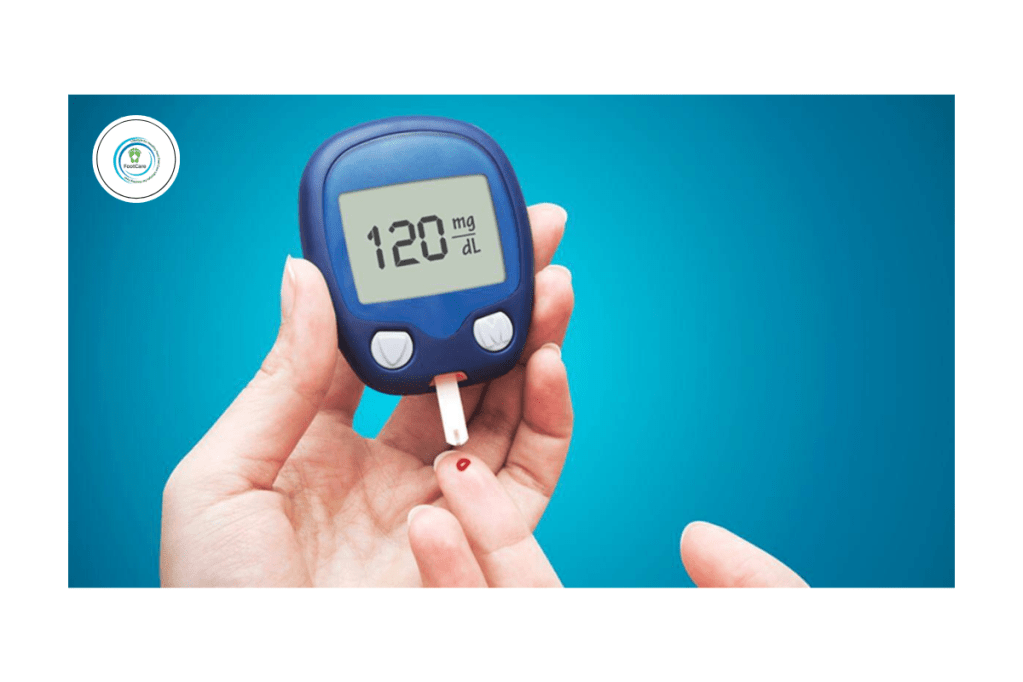
  • Intermittent Fasting – An Effective Strategy for Treating Diabetes and Obesity

    Introduction

    Intermittent fasting (IF) has gained popularity as a simple yet powerful approach to improving health. It is particularly effective in managing type 2 diabetes and obesity, two of the most pressing global health challenges today. Unlike traditional diets that focus on what to eat, intermittent fasting emphasizes when to eat, allowing the body to regulate metabolism more efficiently. With increasing scientific support, IF is proving to be a sustainable method for weight loss, blood sugar control, and overall metabolic health.

    What is Intermittent Fasting?

    Intermittent fasting is an eating pattern that alternates between periods of eating and fasting. It does not dictate specific foods but instead focuses on structuring meal timing to allow the body to function optimally. The most common IF methods include:

    • 16:8 method – Eating within an 8-hour window and fasting for 16 hours.
    • 14:10 method – A more flexible approach with a 10-hour eating window.
    • 5:2 method – Eating normally for five days and restricting calorie intake for two non-consecutive days per week.
    • Alternate-day fasting (ADF) – Alternating between normal eating days and very low-calorie intake days.

    Why is Intermittent Fasting Effective for Diabetes?

    Diabetes, especially type 2 diabetes, is often linked to insulin resistance, meaning the body struggles to process sugar properly. Intermittent fasting helps restore balance in the following ways:

    βœ… Stabilizes Blood Sugar Levels – By limiting eating times, the body gets longer breaks from insulin spikes, helping to improve insulin sensitivity.

    βœ… Reduces the Need for Medication – Many individuals following IF have experienced a reduction in their need for diabetes medications as their blood sugar levels stabilize naturally.

    βœ… Encourages Fat Burning – When the body is in a fasted state, it shifts from using glucose as its primary energy source to burning stored fat, leading to better weight control.

    βœ… Improves Overall Metabolic Health – Fasting promotes cellular repair and reduces inflammation, both crucial factors in preventing diabetes-related complications.

    Intermittent Fasting and Weight Loss

    Obesity is a key driver of metabolic diseases, and IF offers a natural, sustainable weight loss method. Here’s why:

    πŸ“‰ Encourages Fat Loss – The extended fasting period forces the body to tap into stored fat for energy, aiding in weight loss, particularly around the abdomen.

    🍽️ Reduces Caloric Intake Without Strict Dieting – Many people naturally eat fewer calories when following IF because their eating window is shortened.

    βš–οΈ Supports Long-Term Weight Maintenance – Unlike restrictive diets that lead to yo-yo weight gain, IF helps regulate hunger hormones, making weight management easier.

    πŸ”₯ Boosts Metabolism – Fasting helps optimize hormone levels that support fat burning, such as increased growth hormone production and improved insulin function.

    How to Implement Intermittent Fasting Safely?

    Intermittent fasting is a flexible approach that can be adapted to suit individual lifestyles. To make it effective and safe:

    πŸ”Ή Ease into it – Start with a 12-hour fasting window and gradually increase it to 14 or 16 hours.

    πŸ”Ή Choose nutritious foods – Focus on lean proteins, healthy fats, fiber-rich vegetables, and whole foods to stay full and energized.

    πŸ”Ή Stay hydrated – Drink water, herbal teas, or black coffee during fasting periods to prevent dehydration and hunger pangs.

    πŸ”Ή Avoid processed foods – Eating whole, unprocessed foods during the eating window maximizes IF’s benefits.

    πŸ”Ή Listen to your body – Adjust fasting periods as needed to fit personal energy levels and lifestyle.

    Conclusion

    Intermittent fasting is emerging as one of the most effective and science-backed strategies for managing diabetes and obesity. By naturally regulating blood sugar levels, promoting fat loss, and improving metabolic health, it offers a sustainable alternative to conventional dieting. Unlike restrictive meal plans, IF allows for flexibility while delivering long-term results. With the right approach and consistency, it can be a life-changing tool for better health and well-being.

  • Low-Carbohydrate Diets in Type 2 Diabetes – What Does the Research Say?

    Introduction

    Type 2 diabetes is a growing global health concern, affecting millions of people. Managing blood sugar levels effectively is crucial to preventing complications. One approach that has gained significant attention is low-carbohydrate diets (LCDs). But what does the scientific evidence say about their effectiveness in diabetes management?

    How Do Low-Carbohydrate Diets Affect Blood Sugar?

    A low-carbohydrate diet reduces the intake of glucose-producing foods, forcing the body to use fat for energy instead of carbohydrates. This leads to: βœ… Lower blood sugar spikes after meals βœ… Reduced insulin demand βœ… Improved insulin sensitivity βœ… More stable energy levels throughout the day

    Research Findings on Low-Carb Diets and Type 2 Diabetes

    Studies have shown that low-carbohydrate diets can significantly improve diabetes management. Here are some key findings:

    πŸ”Ή Blood Sugar Control: Research suggests that reducing carbohydrate intake helps lower HbA1c levels (a long-term blood sugar marker), making diabetes easier to manage. πŸ”Ή Weight Loss: Many individuals with type 2 diabetes struggle with excess weight. Studies indicate that LCDs promote fat loss, especially around the abdomen, which improves insulin sensitivity. πŸ”Ή Reduced Medication Use: Some trials have reported that patients on a low-carb diet were able to reduce or eliminate diabetes medications. πŸ”Ή Heart Health Benefits: Contrary to previous concerns, research shows that LCDs can improve cholesterol profiles, increasing HDL (‘good’ cholesterol) and lowering triglycerides, reducing the risk of heart disease.

    Comparing Low-Carb Diets to Other Approaches

    While low-fat and calorie-restricted diets have traditionally been recommended for diabetes, recent studies show that low-carb diets can be more effective in some cases. LCDs provide better blood sugar control and long-term adherence compared to conventional dietary approaches.

    Practical Tips for Following a Low-Carb Diet with Type 2 Diabetes

    βœ… Prioritize whole, nutrient-dense foods – lean proteins, healthy fats, and non-starchy vegetables. βœ… Limit high-carb foods – minimize intake of bread, pasta, rice, and sugary snacks. βœ… Choose healthy fats – avocados, nuts, seeds, and olive oil help maintain satiety. βœ… Monitor blood sugar levels – adjusting diet based on individual responses is key. βœ… Work with a healthcare provider – dietary changes should be made under medical supervision, especially for those on medication.

    Conclusion

    Scientific research supports low-carbohydrate diets as an effective tool for managing type 2 diabetes. LCDs help stabilize blood sugar, promote weight loss, and improve overall metabolic health. While individual needs may vary, incorporating a well-balanced low-carb diet can be a game changer in diabetes care.

  • Low-Carb Diet and Diabetic Health – How Lifestyle Changes Impact Blood Sugar Levels?

    A low-carbohydrate diet (low-carb), and in some cases, a ketogenic diet, is one of the most effective tools for preventing type 2 diabetes and managing the condition. Research shows that reducing carbohydrate intake can stabilize blood sugar levels, leading to a reduced need for medication and insulin.

    Can a Low-Carb Diet Help Reverse Diabetes?

    Many people with type 2 diabetes who adopt a low-carb diet under medical supervision experience significant improvements in their blood glucose levels, and some can even completely stop taking medications. However, it’s important to remember:
    βœ” If you are already taking diabetes medication or insulin, do not start a low-carb diet on your own – reducing carbohydrates quickly stabilizes blood sugar, which may lead to hypoglycemia.
    βœ” Always consult your doctor before making major dietary changes – an informed physician will adjust your medication accordingly.
    βœ” After just a few weeks on a low-carb diet, your doctor will likely need to reduce your medication or insulin dosage, as your body will become better at regulating blood glucose naturally.

    Does a Low-Carb Diet Cause Ketoacidosis?

    Properly followed, a low-carb diet does not cause diabetic ketoacidosis (DKA) – this condition occurs only when diabetes medications and insulin dosages are not properly adjusted after changing the diet. That’s why it’s crucial to monitor blood sugar levels and consult a doctor regularly.

    Is Changing Your Lifestyle Worth It?

    Ask yourself: Do you want to continue relying on medication and insulin, or take control of your health?
    🍞 Is it worth eating white bread full of artificial additives? You might think whole-grain bread is better – but it still contains a high amount of carbohydrates.
    πŸ₯” Do you really need potatoes, grains, oats, and cornflakes, which cause sharp blood sugar spikes?
    πŸ’‰ Why do you have to check your glucose levels after every meal and take medications right away? The answer is simple – you’re eating foods that cause rapid glucose spikes, forcing you to take more medication.

    πŸ”Ή Your choice:
    βœ” You can stick to a high-carb diet, take medication, and risk diabetes complications.
    βœ” Or you can take control of your health, reduce carbohydrates, and avoid severe complications such as diabetic neuropathy, foot ulcers, and even amputations.

    A low-carb diet is not just about stabilizing blood sugar it’s also about a better quality of life, a lower risk of complications, and a longer, healthier future.

    πŸ’¬ What will you choose? Health and freedom from medications, or a life of constant blood sugar monitoring and dependency on pharmaceutical drugs?

  • How to Take Care of Your Feet with Diabetes? A Guide for Diabetics

    Diabetes is a condition that affects the entire body, and one of its most common and serious complications is diabetic neuropathy and diabetic foot syndrome. People with diabetes must take special care of their feet, as even minor injuries can lead to serious infections and complications. In this guide, you will find practical tips on how to properly care for your feet and avoid health issues.


    Why Do Diabetics Need to Pay Special Attention to Their Feet?

    People with diabetes are at higher risk of:
    βœ… Diabetic neuropathy – nerve damage leading to reduced sensation in the feet, making it easier to overlook injuries.
    βœ… Circulatory problems – diabetes worsens blood flow, making wound healing more difficult and increasing the risk of infections.
    βœ… Fungal and bacterial infections – weakened skin immunity makes even small wounds prone to serious infections.

    Remember: Even minor injuries can become dangerous. That’s why prevention and daily foot care are essential!


    Daily Foot Care – Step by Step

    1. Washing and Drying Your Feet

    πŸ› Wash your feet daily in lukewarm water (never hot!) with mild, unscented soap.
    🦢 Dry your feet thoroughly, especially between the toes, to prevent fungal infections.

    2. Moisturizing the Skin

    πŸ’§ Diabetes often causes dry skin, so regularly apply moisturizing creams (e.g., with 5-10% urea), but avoid applying cream between the toes to prevent excessive moisture and fungal infections.

    3. Regular Foot Inspection

    πŸ” Check your feet daily – look for scrapes, cracks, redness, or wounds. If you have trouble bending down, use a mirror or ask a family member for help.

    4. Proper Nail Trimming

    βœ‚οΈ Cut your nails straight across, avoiding rounded edges to prevent ingrown toenails. If you have trouble managing your nails, consult a podiatrist or a Foot Health Practitioner.

    5. Choosing the Right Footwear

    πŸ‘Ÿ Wear comfortable, well-fitting shoes with soft padding and a wide toe box to prevent pressure and rubbing.
    🧦 Avoid walking barefoot – even at home! Always wear socks and slippers to protect your feet from injury.

    6. Preventing Injuries and Calluses

    🚫 Do not use sharp tools to remove calluses or hard skin (e.g., scalpels, pumice stones). If you have corns or calluses, visit a podiatrist.


    When to See a Doctor?

    Do not ignore any changes in your feet! Seek medical attention if you notice:
    ⚠️ Wounds that do not heal within a few days
    ⚠️ Redness, swelling, or pus
    ⚠️ Numbness, tingling, or burning in your feet
    ⚠️ Changes in the shape of your foot, such as a collapsed arch


    Additional Tips for Diabetics

    βœ… Monitor your blood sugar levels – keeping diabetes under control reduces complications.
    βœ… Move your feet regularly – daily exercises help improve circulation.
    βœ… Avoid smoking – it worsens circulation and accelerates blood vessel damage.


    Taking care of your feet when you have diabetes is about daily prevention, which can help prevent serious complications such as diabetic foot syndrome. Regular foot care, proper footwear, and blood sugar control are key elements in keeping your feet healthy.

    Do not ignore any symptoms – prevention is better than cure! If you have concerns, consult a podiatrist or Foot Health Practitioner for professional advice.

    πŸ’¬ Do you have any questions? Share them in the comments!

    Leave a comment

  • Insulin Resistance – A Silent Threat to Your Health

    Insulin resistance is a growing health concern affecting people worldwide. It occurs when the body’s cells stop responding properly to insulin – the hormone responsible for regulating blood sugar levels. As a result, glucose levels in the blood rise, leading to serious health problems such as type 2 diabetes, obesity, cardiovascular diseases, and other metabolic disorders.

    How Does Insulin Resistance Develop?

    Insulin resistance often results from a combination of genetic and environmental factors, such as:

    • Unhealthy diet – high intake of simple sugars, processed foods, and excess calories.
    • Lack of physical activity – a sedentary lifestyle reduces the cells’ sensitivity to insulin.
    • Obesity, especially abdominal fat – visceral fat impacts insulin metabolism.
    • Chronic stress and sleep deprivation – these disrupt the body’s hormonal balance.
    • Hormonal imbalances – such as polycystic ovary syndrome (PCOS) in women.

    Symptoms of Insulin Resistance

    Insulin resistance can develop over many years without noticeable symptoms. However, watch out for:

    • Persistent fatigue,
    • Intense sugar cravings,
    • Difficulty losing weight,
    • Weight gain, particularly around the abdomen,
    • Skin changes, like darkened patches (acanthosis nigricans).

    How to Combat Insulin Resistance?

    1. Low Glycemic Index (GI) Diet
      Following a low-carb or ketogenic diet can significantly improve insulin sensitivity. Reducing simple sugars and processed carbs is key to success.
    2. Regular Physical Activity
      Exercises like walking, strength training, or swimming enhance insulin sensitivity.
    3. Healthy Lifestyle
      Ensure adequate sleep, manage stress effectively, and maintain regular meal times.
    4. Weight Management
      Losing even a small amount of weight (5-10% of your current weight) can make a big difference.
    5. Supplementation
      Certain supplements, such as berberine, magnesium, omega-3 fatty acids, and vitamin D, can support the fight against insulin resistance.

    Why Act Now?

    Untreated insulin resistance can lead to type 2 diabetes and other severe conditions. Adopting healthy eating habits and incorporating regular physical activity into your routine is an investment in a longer, healthier life.

    If you’re struggling with insulin resistance or suspect you might have it, consult a specialist. Early intervention is key to halting disease progression and improving your quality of life.


    Follow my blog for more tips on a healthy lifestyle, low-carb diets, and health support. Remember, your health journey begins with small steps! 🌱

    Share your experiences in the comments and visit our Facebook page: Foot Health Practice & Mobile Pedicure.

  • Low-Carb and Keto Diets: A Game-Changer in Diabetes Management

    Diabetes often leads to foot health complications, including neuropathy, poor circulation, and a higher risk of ulcers and infections. Stabilizing blood sugar levels is key to reducing these risks, and recent research highlights the role of low-carb diets in achieving this goal.

    Research Evidence

    A meta-analysis published in Nature (2017) demonstrated that low-carb diets significantly improved key metabolic markers, such as HbA1c and triglycerides. These changes not only contribute to better overall health but also reduce the likelihood of nerve damage and improve wound healing in diabetic patients. By addressing blood sugar control and reducing inflammation, low-carb diets provide a foundation for preventing common foot-related complications in diabetics. (Read the study)


    The Problem: How Diabetes Impacts Foot Health

    Diabetes significantly impacts foot health, often leading to complications such as neuropathy and ulcers. Many of these issues arise due to poor blood sugar control, inflammation, and metabolic imbalances, which damage nerves and blood vessels.

    Traditional treatments, such as calorie restriction combined with exercise and intensive medication regimens, have shown some benefits in managing insulin resistance and type 2 diabetes. However, evidence suggests these approaches do not always lead to long-term health improvements.

    The Limitations of Conventional Treatment

    While conventional treatments can help manage insulin resistance and type 2 diabetes, they often fail to address the root causes or lead to sustainable health improvements. At least seven randomized controlled trials (RCTs) have demonstrated that the majority of diabetes medications do not reduce the risk of cardiovascular diseaseβ€”one of the leading causes of death in people with diabetes. This highlights the need for alternative dietary approaches that target both blood sugar control and overall metabolic health.


    The Solution: Evidence for Low-Carb and Keto Diets

    Benefits Demonstrated in Research

    Low-carb and ketogenic diets have emerged as effective alternatives for managing type 2 diabetes and supporting overall metabolic health. Several systematic reviews and meta-analyses of RCTs have highlighted their advantages. For example:

    1. A meta-analysis published in Nature in 2017 demonstrated that low-carb diets significantly reduced the need for medications and improved key metabolic markers, including HbA1c (glycated hemoglobin), HDL cholesterol, triglycerides, and blood pressure. The authors concluded: β€œReducing carbohydrate intake in the diet may provide clinical improvements in managing type 2 diabetes.” (Read the study).
    2. Another systematic review published in BMJ Open Diabetes Research & Care found that low-carb diets effectively improved blood sugar control and reduced inflammation in people with diabetes. (Read the study)
    3. A study in PubMed further reinforced these findings, highlighting reductions in insulin resistance and improved overall metabolic outcomes. (Read the study)

    Why Low-Carb and Keto Work for Diabetic Foot Health

    Improved blood sugar control achieved through low-carb and keto diets plays a pivotal role in protecting foot health. High blood sugar levels damage blood vessels and nerves, leading to conditions such as neuropathy and poor wound healing. By stabilizing glucose levels and reducing insulin resistance, low-carb diets help mitigate these risks. Additionally, the anti-inflammatory effects of these diets promote better circulation, allowing oxygen and nutrients to reach the extremities, which is crucial for healing and maintaining healthy feet.


    Practical Tips for Incorporating Low-Carb and Keto Diets

    1. Focus on Low-Carb Alternatives: Replace refined carbohydrates with non-starchy vegetables like broccoli, spinach, and zucchini.
    2. Incorporate Healthy Fats: Add avocados, nuts, seeds, and olive oil to your meals to support energy levels and satiety.
    3. Monitor Your Progress: Regularly check blood sugar levels and consult your healthcare provider to adjust medications as needed.
    4. Stay Consistent: Long-term adherence to a low-carb or keto diet is essential for maintaining its metabolic benefits.

    Conclusion

    Low-carb and ketogenic diets have demonstrated significant advantages in managing type 2 diabetes, which in turn supports better foot health by reducing inflammation, stabilizing blood sugar, and improving circulation. While conventional treatments play a role, research shows that dietary interventions can provide clinically meaningful improvements. As always, consult your healthcare provider before making major dietary changes to ensure they align with your individual health needs.

    Leave a comment