Category: Keto & Low-Carb Lifestyle

  • ☕ Coffee and Cancer — What Science Says in 2025

    Can a simple cup of coffee really protect you from cancer?

    For years, coffee had a bad reputation — people claimed it raised blood pressure, dehydrated the body, and was bad for the heart.
    Today, research paints a completely different picture. Modern studies show that moderate coffee consumption may reduce the risk of several chronic diseases, including liver and colon cancer.

    But can we really call it an anticancer beverage? Let’s look at what the latest scientific evidence says.


    🔬 What’s inside coffee that makes it so special?

    Coffee is more than caffeine. It contains over 1,000 bio-active compounds, including:

    • Polyphenols (like chlorogenic acid) — anti-inflammatory and antioxidant,
    • Diterpenes (cafestol and kahweol) — support liver detoxification enzymes,
    • Melanoidins — formed during roasting, promote gut health,
    • Minerals — magnesium, potassium, and niacin support metabolism.

    These compounds help neutralize oxidative stress, reduce inflammation, and improve insulin sensitivity — mechanisms that may explain why regular coffee drinkers show lower rates of liver and colon cancers.


    ☕ Coffee and Liver Cancer — the strongest evidence

    The link between coffee and a lower risk of liver cancer is one of the best documented.

    • A large Japanese meta-analysis (Tamura et al., BMC Cancer, 2019) involving over 600,000 participants found that heavy coffee drinkers had about 50% lower risk of liver cancer compared with non-drinkers.
    • An earlier Japanese prospective study (JNCI, 2007) reported that people drinking five or more cups daily had a 76% reduction in liver cancer risk.

    Researchers believe that coffee helps by reducing inflammation and oxidative stress — particularly among individuals infected with hepatitis B or C viruses, which are major causes of liver cancer in Asia.

    In Europe, the protective effect is milder but still significant. The EPIC cohort (over 500,000 people) and the WCRF/AICR 2024 report both show that regular coffee intake is linked to a 20–40% lower risk of liver cancer.


    🌏 Why the effect differs between Japan and Europe

    Several factors explain the differences:

    • Main causes of liver disease: In Japan, hepatitis infections dominate; in Europe, it’s obesity, alcohol, and fatty liver.
    • Genetic differences: Asian populations more often carry variants of genes (like CYP1A2) that slow caffeine metabolism.
    • Coffee type: Japan mostly drinks filtered coffee; Europeans favor espresso or French press (which contain more diterpenes that can raise LDL).
    • Baseline risk: A higher initial disease risk makes the relative effect appear stronger.

    👉 The conclusion: the protective trend is universal, but its magnitude varies by population and lifestyle.


    🧠 Coffee and Colorectal Cancer — fresh insights

    A study from the USC Norris Comprehensive Cancer Center (Stephen Gruber et al.) and the MECC Study (Frontiers in Nutrition, 2024) examined more than 9,000 participants:

    • Drinking 1–2 cups of coffee per day was linked to a 26% lower risk of colon cancer,
    • Drinking more than 2.5 cups was associated with up to 50% lower risk,
    • The effect was seen for both regular and decaffeinated coffee.

    This suggests that the benefits come not from caffeine alone, but also from the complex mix of polyphenols, diterpenes, and antioxidants in coffee.


    🧃 Does adding milk or cream destroy the benefits?

    A common myth says that milk cancels out coffee’s antioxidants.
    Recent research from the University of Copenhagen (Journal of Agricultural and Food Chemistry, 2023) found the opposite: milk proteins can actually stabilize antioxidants and prolong their activity in the body.

    If you’re on a keto diet, coffee with cream or MCT oil can be even more beneficial — fat improves the absorption of fat-soluble polyphenols.

    ✅ In short: adding cream does not destroy coffee’s health benefits, as long as you:

    • Skip sugar and syrups,
    • Brew at 92–96 °C,
    • Serve below 65 °C to avoid esophageal irritation.

    ❤️ What if you have high LDL cholesterol?

    If your LDL is elevated, coffee type matters.
    Unfiltered coffee (espresso, moka, French press) contains cafestol and kahweol, which can raise LDL levels.

    🩺 The simple fix:
    Drink paper-filtered coffee (drip, Chemex, Aeropress) — it retains flavor and antioxidants while removing most diterpenes.

    That way, you keep the anti-inflammatory benefits without the cholesterol bump.


    🔥 How much coffee is healthy?

    According to the European Food Safety Authority (EFSA):

    • Up to 400 mg of caffeine/day (about 3–5 cups) is safe for healthy adults.
    • Pregnant women should limit to 200 mg/day.

    Most benefits appear at 2–4 cups per day. Too much caffeine, however, may cause anxiety or disrupt sleep in sensitive individuals.


    ☕ Brewing coffee the healthy way

    StepRecommendationWhy
    Brewing temperature92–96 °COptimal extraction of polyphenols
    Drinking temperature< 65 °CAvoids esophageal cancer risk (WHO/IARC)
    Brewing methodPaper filterRemoves LDL-raising diterpenes
    Ratio1:16–1:18 (coffee:water)Specialty Coffee Association “Gold Cup” standard
    StorageAirtight, dry, coolPreserves aroma and antioxidants

    🩸 Coffee and your cholesterol profile

    Example: if your labs show LDL 165 mg/dL, HDL 70, TG 54, your metabolic profile is excellent despite high LDL — TG/HDL < 1 indicates good insulin sensitivity.
    In this case, filtered coffee with cream fits perfectly into a keto or low-carb lifestyle.

    For more insight, consider tracking:

    • ApoB (LDL particle count),
    • hs-CRP (inflammation marker),
    • Fasting insulin or HOMA-IR.

    These provide a better risk picture than total cholesterol alone.


    🩺 What major health authorities say

    • WHO / IARC (2016) — Coffee is not carcinogenic; only very hot drinks (> 65 °C) increase esophageal cancer risk.
    • WCRF/AICR (2024) — Strong evidence that coffee protects against liver and endometrial cancer; probable benefit for colon cancer..
    • BMJ Umbrella Review (Poole et al., 2017) — 3–4 cups/day linked to lower all-cause mortality and reduced risk of heart and liver disease.
    • EFSA (2021) — Confirms caffeine safety up to 400 mg/day for adults.

    ☕ Bottom line

    Coffee isn’t just an energy booster — it’s a scientifically supported wellness drink.
    Its strongest protective effects are seen for liver and colon cancers, but benefits also extend to type 2 diabetes and cardiovascular health.

    The keys: moderation, proper brewing, and mindful temperature.
    You don’t need five cups a day like in Japanese studies — even 2–3 cups of well-brewed, filtered coffee without sugar can make a meaningful difference.


    📚 References (credible scientific sources)

    1. Tamura T. et al. Coffee consumption and liver cancer risk in Japan: a meta-analysis of six prospective cohort studies. BMC Cancer, 2019.
    2. Inoue M. et al. Coffee drinking and hepatocellular carcinoma in a Japanese population. JNCI, 2007.
    3. WCRF/AICR. Continuous Update Project: Diet, Nutrition, Physical Activity and Liver Cancer., 2024.
    4. Poole R. et al. Coffee consumption and health: umbrella review of meta-analyses. BMJ, 2017.
    5. Gruber S. B. et al. MECC Study / USC Norris Comprehensive Cancer Center. Frontiers in Nutrition, 2024.
    6. EFSA Scientific Opinion on Caffeine Safety, 2021.
    7. WHO / IARC Monograph 116: Drinking Coffee, Mate and Very Hot Beverages., 2016.
    8. Jespersen A. et al. Protein–polyphenol interactions in coffee and milk: implications for antioxidant activity. Journal of Agricultural and Food Chemistry, 2023.
    9. EPIC Cohort Study, European Prospective Investigation into Cancer and Nutrition., Lancet Public Health, 2022.
  • 🧠Does Your Brain Really Need Sugar?

    The Truth About Cholesterol and Ketones in Brain Health

    For decades, we’ve been told that our brains depend on sugar, that without glucose, we simply can’t think, concentrate, or function. But recent scientific research paints a much more nuanced picture. While glucose is indeed a key brain fuel, your body has built-in systems that allow the brain to run efficiently even when dietary carbohydrates are very low.
    In fact, your brain may work better when fueled by ketones, and it absolutely depends on cholesterol to stay healthy and sharp.


    1. Does the Brain Need Sugar?

    It’s true that the human brain uses around 100–120 grams of glucose per day, which represents about 20% of the body’s total energy needs. However, this doesn’t mean you have to eat sugar or carbohydrates to provide it.

    When carbohydrate intake drops, during fasting, low-carb, or ketogenic diets, your liver naturally produces glucose through a process called gluconeogenesis. This means your body can make the small amount of glucose the brain still needs, even if you don’t consume carbs.

    More importantly, when glucose is limited, the body begins to produce ketone bodies (beta-hydroxybutyrate and acetoacetate) from fat. These ketones cross the blood–brain barrier and serve as an alternative energy source for the brain. Studies have shown that during ketosis, ketones can supply up to 70% of the brain’s energy needs (Cunnane et al., 2016).

    In short:
    Your brain doesn’t require dietary sugar, it requires energy, which can come from glucose your body makes or from ketones produced from fat.


    2. Ketones: The Brain’s Alternative Fuel

    When your body is in a low-glucose state, ketones become a clean, efficient, and stable source of energy. Compared to glucose, ketones generate fewer free radicals and reduce oxidative stress.
    This may explain why ketogenic or low-carb diets have shown potential benefits for neurological conditions such as epilepsy, Alzheimer’s disease, and mild cognitive impairment (Freeman et al., 2007; Fortier et al., 2019).

    In a 2019 clinical study, older adults with mild cognitive impairment who drank a ketogenic supplement daily showed improved brain energy and cognitive performance (Fortier et al., 2019). Researchers suggest that ketones may help “rescue” brain function when glucose metabolism declines — a hallmark of early Alzheimer’s disease.


    3. Cholesterol: The Brain’s Unsung Hero

    While ketones provide energy, cholesterol builds the structure of your brain.
    Although often portrayed negatively, cholesterol is one of the body’s most essential molecules, especially for your nervous system.

    Did you know that:

    • The brain represents only about 2% of body weight, yet it contains 20–25% of the body’s cholesterol (Dietschy, 2009).
    • Cholesterol is vital for the formation of synapses, the communication points between neurons.
    • It’s also a key component of myelin, the protective sheath that allows electrical signals to travel quickly and efficiently along nerve cells.

    Importantly, the brain produces its own cholesterol, it does not depend on cholesterol from food because the blood–brain barrier prevents significant cholesterol transfer from the bloodstream (Björkhem & Meaney, 2004).
    This means that extremely low-cholesterol diets, especially when combined with statins, may potentially affect cognitive function if brain cholesterol synthesis is disrupted.

    As the Journal of the American College of Cardiology (Astrup et al., 2020) emphasized, dietary guidelines should focus on whole foods and overall dietary patterns, rather than demonizing natural fats or cholesterol.


    4. The “Sugar for the Brain” Myth

    The idea that “the brain needs sugar” is a half-truth that has been repeated for decades.
    While the brain does rely on glucose, there’s no biological requirement to consume sugar or refined carbohydrates. The body tightly regulates blood glucose and can produce what the brain needs internally.

    In fact, chronically high blood sugar and insulin resistance are linked to poorer memory, cognitive decline, and increased risk of dementia — a condition some researchers call “Type 3 Diabetes” (de la Monte, 2014; Neth & Craft, 2017).

    On the other hand, moderate carbohydrate restriction and mild ketosis have been associated with improved brain energy efficiency and reduced inflammation, particularly in adults with metabolic syndrome or diabetes (Newman et al., 2019).


    5. So What Should You Choose: Sugar or Fat?

    If your goal is long-term brain health, choose stable energy over spikes.
    That means:

    • Fewer refined carbs and sugars
    • More healthy fats (olive oil, avocados, fatty fish, eggs)
    • Adequate protein
    • Occasional fasting or low-carb eating periods to encourage mild ketosis

    These habits promote stable blood sugar, reduce inflammation, and support the brain’s ability to use both glucose and ketones efficiently.


    6. When to Be Cautious

    While low-carb and ketogenic diets can benefit many adults, they’re not for everyone.
    They require caution in:

    • Type 1 diabetes (insulin must be carefully managed)
    • Pregnancy and breastfeeding
    • Underweight individuals or those with eating disorders
    • Children, unless medically supervised for epilepsy

    Always consult a qualified healthcare professional before making major dietary changes — especially if you take medication or have a chronic condition.


    🧩 Final Thoughts

    Your brain doesn’t “need” dietary sugar, it needs energy, balance, and the right building blocks.
    Ketones can serve as an efficient and protective fuel, while cholesterol remains a vital structural component of every neuron.

    So the next time you crave a sugary snack for a “brain boost,” remember:
    what your brain truly loves is steady energy from healthy fats and a diet that keeps inflammation low and metabolism flexible.


    🔬 References

    1. Astrup, A., Magkos, F., Bier, D. M., Brenna, J. T., Otto, M. C. de O., Hill, J. O., … & Krauss, R. M. (2020). Saturated fats and health: A reassessment and proposal for food-based recommendations. Journal of the American College of Cardiology, 76(7), 844–857.
    2. Björkhem, I., & Meaney, S. (2004). Brain cholesterol: long secret life behind a barrier. Arteriosclerosis, Thrombosis, and Vascular Biology, 24(5), 806–815.
    3. Cahill, G. F. (2006). Fuel metabolism in starvation. Annual Review of Nutrition, 26, 1–22.
    4. Cunnane, S. C., Courchesne-Loyer, A., Vandenberghe, C., St-Pierre, V., Fortier, M., Hennebelle, M., … & Castellano, C.-A. (2016). Can ketones compensate for deteriorating brain glucose uptake during aging? Annals of the New York Academy of Sciences, 1367(1), 12–20.
    5. de la Monte, S. M. (2014). Type 3 diabetes is sporadic Alzheimer’s disease: mini-review. European Neuropsychopharmacology, 24(12), 1954–1960.
    6. Dietschy, J. M. (2009). Central nervous system: cholesterol turnover, brain development and neurodegeneration. Biological Chemistry, 390(4), 287–293.
    7. Fortier, M., Castellano, C.-A., Croteau, E., Langlois, F., Bocti, C., St-Pierre, V., … & Cunnane, S. C. (2019). A ketogenic drink improves brain energy and some measures of cognition in mild cognitive impairment. Alzheimer’s & Dementia: Translational Research & Clinical Interventions, 5, 1–13.
    8. Freeman, J. M., Kossoff, E. H., & Hartman, A. L. (2007). The ketogenic diet: one decade later. Pediatrics, 119(3), 535–543.
    9. Neth, B. J., & Craft, S. (2017). Insulin resistance and Alzheimer’s disease: bioenergetic linkages. Frontiers in Aging Neuroscience, 9, 345.
    10. Newman, J. C., & Verdin, E. (2019). Ketone bodies as signaling metabolites. Trends in Endocrinology & Metabolism, 30(3), 213–226.
  • 🧠 Metabolic Psychiatry and the Low-Carbohydrate Diet – A New Perspective on Mental Health

    Can what we eat really affect our mood and mental health?

    More and more research shows that the brain is not only the center of our emotions and thoughts but also a metabolic organ — consuming around 20% of all the body’s energy.
    If energy is not supplied or used efficiently, brain functions such as mood, focus, and stress resilience can be disrupted.
    This idea lies at the heart of metabolic psychiatry – an emerging medical field combining insights from neurology, psychiatry, and metabolism.


    🔬 What Is Metabolic Psychiatry?

    Metabolic psychiatry explores how disturbances in brain energy metabolism (such as insulin resistance, oxidative stress, inflammation, and mitochondrial dysfunction) may contribute to mental health disorders, including:

    • depression
    • anxiety
    • schizophrenia
    • bipolar disorder
    • cognitive impairment

    According to Dr. Christopher M. Palmer from Harvard Medical School, author of Brain Energy (2022), many psychiatric conditions can be understood as metabolic disorders of the brain.
    When neurons cannot efficiently produce or use energy, their function becomes unstable — which can lead to mood swings, anxiety, or cognitive decline.


    🥑 How a Low-Carbohydrate Diet Supports the Brain

    A low-carbohydrate (low-carb) or ketogenic diet may support brain function through several mechanisms that have been documented in scientific research:

    1️⃣ A Better Source of Energy for Neurons

    When carbohydrate intake is reduced, the body produces ketone bodies (such as beta-hydroxybutyrate), which serve as a cleaner and more stable fuel for the brain than glucose.
    Studies (Frontiers in Psychiatry, 2022) show that ketones may improve mitochondrial function and neural stability.

    2️⃣ Reducing Inflammation

    Chronic inflammation is commonly associated with depression and other mental illnesses.
    A ketogenic diet helps lower inflammatory markers such as CRP and interleukin, supporting the brain’s recovery and stability.

    3️⃣ Stabilizing Blood Sugar and Insulin

    Frequent blood sugar fluctuations can lead to fatigue, irritability, and anxiety.
    A low-carbohydrate diet helps maintain stable glucose levels, promoting better emotional balance.

    4️⃣ Supporting Neurotransmitter Balance

    Ketones can influence the balance between GABA (calming neurotransmitter) and glutamate (stimulating neurotransmitter).
    This balance is crucial for conditions such as epilepsy, anxiety, and depression.


    📚 What Does the Research Say?

    • ✅ Stanford Medicine (2024) reported a pilot study where patients with severe psychiatric disorders following a ketogenic diet showed improvements in mood, concentration, and body weight.
    • ✅ A review published in Frontiers in Psychiatry (2022) found that ketogenic diets may support the treatment of mood disorders and schizophrenia by improving brain metabolism.
    • ✅ A 2023 analysis in BMC Medicine concluded that low-carbohydrate diets enhance metabolic function and could be a promising adjunct in mental health, though more long-term studies are needed.

    While most research is still in early stages, the results are highly encouraging, particularly for people who have not fully responded to traditional pharmacological treatments.


    ⚠️ Important: Diet Is Not a Replacement for Psychiatric Care

    A low-carbohydrate or ketogenic diet should never replace psychiatric treatment.
    It can, however, serve as metabolic support that complements existing therapies, especially in people with insulin resistance, obesity, or type 2 diabetes.
    Any dietary change should always be made under professional supervision, particularly for individuals taking psychiatric or metabolic medications.


    🌿 Key Takeaways

    • Mental health and metabolic health are deeply connected — the brain depends on stable energy metabolism to function optimally.
    • A low-carbohydrate or ketogenic diet may improve brain function by:
      • enhancing energy efficiency,
      • reducing inflammation,
      • stabilizing blood sugar levels,
      • supporting mitochondrial performance.
    • This approach offers exciting potential in mental health care but requires further scientific research and personalized medical guidance.

    📖 Scientific References

    1. Palmer, C. M. (2022). Brain Energy: A Revolutionary Breakthrough in Understanding Mental Health—and Improving Treatment for Anxiety, Depression, OCD, PTSD, and More. BenBella Books.
    2. Sethi, J. K., et al. (2022). The Ketogenic Diet for Refractory Mental Illness. Frontiers in Psychiatry.
    3. Ghasemi, P., et al. (2024). Impact of Very Low Carbohydrate Ketogenic Diets on Cardiovascular and Metabolic Risk Factors. Nutrition & Metabolism.
    4. Stanford Medicine News Center (2024). “Keto diet shows promise for serious mental illness.”
    5. BMC Medicine (2023). Effects of Ketogenic Diets on Health Outcomes: An Umbrella Review of Meta-Analyses.
  • 🥓 The Ketogenic Diet, LDL Cholesterol, and Heart Health – What the Latest Study Shows

    The ketogenic (keto) diet has gained huge popularity in recent years. Some follow it for weight loss, others for blood sugar control or overall metabolic health. Yet one key question remains:

    👉 Does the rise in LDL cholesterol (often called “bad cholesterol”) seen on keto automatically mean a higher risk of heart disease?

    A groundbreaking study led by Dave Feldman and Dr. Matthew Budoff (Cedars-Sinai, USA), published in 2024/2025, brings surprising answers.


    🔬 Who Are Lean Mass Hyper-Responders (LMHR)?

    These are people who, on a ketogenic diet, experience:

    • very high LDL cholesterol (often >200 mg/dL),
    • high HDL (“good cholesterol”),
    • low triglycerides,
    • lean body mass and excellent metabolic health.

    This unique profile is called Lean Mass Hyper-Responder (LMHR). For doctors and patients alike, it raises questions, since traditional medicine links high LDL directly with heart disease.


    🧪 How Was the KETO-CTA Study Done?

    • 80 participants on keto for an average of 4.7 years, all with LDL ≥190 mg/dL (average ~272 mg/dL, some up to 591 mg/dL).
    • 80 matched controls from the MiHeart study with typical LDL (~123 mg/dL).
    • Both groups were similar in age, sex, BMI, blood pressure, and smoking history.
    • Researchers used advanced imaging: coronary CT angiography (CCTA) and CAC scoring, which measure arterial plaque and calcium buildup in the heart.

    📊 Key Results

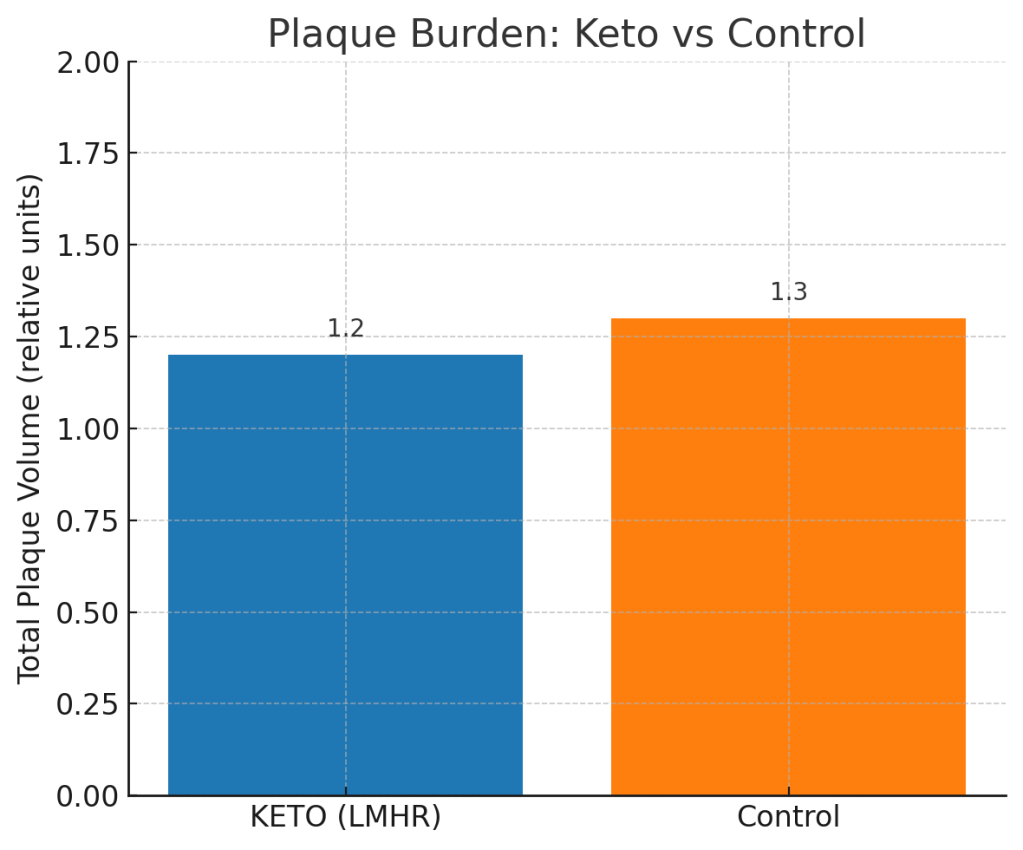
    • No difference in total plaque volume between the keto group and controls.
    • CAC score (arterial calcium) – median = 0 in the keto group vs 1 in controls.
    • No correlation between LDL levels and plaque burden, even when LDL exceeded 500 mg/dL.

    👉 In other words: for LMHR individuals, high LDL did not translate into more arterial plaque in this study.


    💡 What Does This Mean?

    • Individual response matters – not everyone on keto reacts the same way.
    • LDL is not the whole story – markers like ApoB, HDL, triglycerides, and insulin sensitivity may give a better picture of risk.
    • Monitoring is key – imaging tests (CAC, CCTA) can show real cardiovascular health rather than relying only on LDL numbers.
    • Short-term data – participants were on keto ~5 years. Heart disease often takes decades, so more long-term research is needed.

    🦶 Why Write About This on a Foot Health Blog?

    Because heart and vascular health directly affect foot health.

    • Poor circulation can cause serious foot complications.
    • Strong metabolic health protects not only the heart, but also the feet that carry us every day.

    ✅ Bottom Line

    The Feldman-Budoff study suggests that for Lean Mass Hyper-Responders, very high LDL on keto may not automatically mean higher heart disease risk. Still, more long-term evidence is needed.

    👉 The best approach: care for your whole health – cholesterol, blood sugar, exercise, sleep, and regular check-ups.


    1. Lipid Profile: Keto vs Control

    Top chart: Lipid profile (LDL, HDL, Triglycerides) comparing the Keto (LMHR) group with controls.

    Bottom chart: Median CAC scores – showing no meaningful difference despite very high LDL in the keto group.

    Plaque Burden: Keto vs Control


    It shows that total arterial plaque volume was almost identical between the Keto (LMHR) group and the control group – matching the study’s conclusion that extremely high LDL did not translate into greater plaque.

    🧪 How Was the KETO-CTA Study Done?

    This was an observational, non-randomized, matched cohort study — meaning participants were not randomly assigned to diet groups.
    Researchers compared 80 people who had followed a ketogenic diet for an average of 4.7 years (all with LDL ≥ 190 mg/dL, average ~272 mg/dL, some up to 591 mg/dL) with 80 matched controls from the MiHeart study who had typical LDL levels (~123 mg/dL).

    Both groups were similar in age, sex, BMI, blood pressure, and smoking history.
    Advanced imaging — coronary CT angiography (CCTA) and coronary artery calcium (CAC) scoring — was used to measure arterial plaque and calcium buildup in the heart.

    Because this was not a randomized controlled trial, the results do not prove cause and effect, but they do provide strong observational evidence that, in this specific population, high LDL on a ketogenic diet did not correspond to more arterial plaque.


    📚 Reference

    Budoff, M. J., Soto-Mota, A., Norwitz, N. G., Feldman, D., et al. (2024). Carbohydrate restriction–induced elevations in LDL cholesterol and atherosclerosis in lean mass hyper-responders: The Keto-CTA study. JACC: Advances. https://doi.org/10.1016/j.jacadv.2024.101109

  • 🫓 Keto Chapati with Bamboo Fiber Flour

    Low-Carb | High-Fiber | Gluten-Free | Diabetic-Friendly

    Looking for a keto-friendly alternative to Indian flatbread? This Keto Chapati is soft, flexible, and made without grains or gluten – perfect for anyone following a low-carb, diabetic, or high-fiber diet.

    Made with bamboo fiber flour, ground flaxseed, and psyllium husk, it holds together well and delivers satisfying texture and taste without the carbs.


    🧾 Ingredients (Makes 4 chapatis):

    • 6 tbsp bamboo fiber flour (~40 g)
    • 2 eggs
    • 2 tbsp ground flaxseed
    • 1 tsp psyllium husk powder (optional but recommended for structure)
    • 1 tbsp olive oil
    • ~4–6 tbsp warm water (add gradually)
    • Pinch of salt

    👩‍🍳 Instructions:

    1. In a bowl, combine bamboo fiber flour, ground flaxseed, psyllium husk, and salt.
    2. Add eggs and olive oil, then gradually mix in the warm water to form a soft, sticky dough.
    3. Let the dough rest for 10 minutes – the fiber will absorb moisture and become pliable.
    4. Divide the dough into 4 equal parts.
    5. Roll each piece between two sheets of baking paper or on a silicone mat to form thin, round flatbreads.
    6. Heat a dry non-stick pan over medium heat (no oil needed).
    7. Cook each chapati for 1.5–2 minutes per side, until golden spots appear. Press lightly with a spatula if needed.
    8. Serve warm as a wrap, side bread, or with curries.

    🔥 Pan Tip:

    Always cook on a dry pan, just like traditional Indian roti. The olive oil in the dough is enough – no need to add more fat when cooking.


    🔢 Nutrition Per 1 Chapati (1/4 batch):

    NutrientAmount
    Calories~110 kcal
    Protein~5 g
    Fat~8 g
    Carbohydrates~2 g
    Fiber~6 g
    Net Carbs~0 g

    ✅ Why You’ll Love It:

    • Soft and flexible – easy to roll or fold
    • High in fiber – great for digestion and blood sugar balance
    • Gluten-free and grain-free
    • Easy to store and reheat

    🧊 Storage:

    Keep in the fridge for up to 2 days, or freeze between parchment sheets. Reheat in a dry pan or briefly in the microwave with a splash of water.

  • 🌿 Discover Bamboo Fiber Flour: A Low-Carb Boost for Your Baking!

    Bamboo fiber flour is a unique, plant-based ingredient growing in popularity among low-carb and keto dieters. Made from the inner fibers of bamboo plants, this flour is extremely low in carbohydrates, high in fiber, and naturally gluten-free. It has no strong flavor of its own, which makes it a perfect base for both sweet and savory bakes.

    Bamboo flour adds bulk and structure to baked goods without increasing the carb count – ideal for anyone watching their blood sugar, managing diabetes, or following a ketogenic lifestyle.


    🧁 Bamboo & Almond Flour Muffins (Keto-Friendly)

    These muffins are light, fiber-rich, and fully low-carb thanks to bamboo fiber flour and almond flour. Perfect for people following a keto or diabetic-friendly diet.

    Ingredients (makes approx. 12 muffins):

    • 2 cups bamboo fiber flour (approx. 80g)
    • 1 cup almond flour (approx. 96g)
    • 2 tsp baking powder
    • 1 tsp baking soda
    • ½ cup melted butter (approx. 113g)
    • ½ tsp salt
    • ½ cup erythritol or xylitol (approx. 100g)
    • 1 cup unsweetened almond milk (240ml)
    • 2 eggs (approx. 100g total)

    Instructions:

    1. Preheat oven to 175°C (350°F).
    2. In a large bowl, mix bamboo fiber flour, almond flour, baking powder, baking soda, and salt.
    3. In another bowl, whisk melted butter, sweetener, eggs, and almond milk.
    4. Combine wet and dry ingredients until just mixed.
    5. Divide batter into 12 greased muffin cups.
    6. Bake for 20–25 minutes or until golden and firm.

    🔢 Nutrition Facts (Per 1 Muffin — 1/12th of batch):

    NutrientAmount
    Calories~145 kcal
    Protein~5.5 g
    Fat~12 g
    Carbohydrates~5 g
    Fiber~6 g
    Net Carbs~<1 g

    These muffins are low in digestible carbohydrates and high in fiber, making them ideal for keto or diabetic diets.


    💡 Why Bamboo & Almond Flour?

    Both flours are:

    • Gluten-free
    • Low-carb
    • Blood sugar friendly
    • Rich in fiber (bamboo) and healthy fats (almond)

    This makes the combination perfect for people who want to enjoy baking without compromising their health goals.


    🦶 Foot Health Tip

    If you’re diabetic or at risk, limiting carbs while boosting fiber helps stabilize blood glucose – reducing the risk of nerve damage and foot ulcers. Recipes like these are not just tasty – they’re a step toward better foot health.

  • “95% of Nutrition Experts Have Ties to Industry” – What Nina Teicholz Discovered About Your Diet

    For decades, we were told: Fat is bad, especially saturated fat. Choose margarine, eat whole grains, avoid red meat.
    But what if this advice wasn’t based on science… but on politics, money, and industry influence?

    In her eye-opening book The Big Fat Surprise, investigative journalist Nina Teicholz reveals the hidden forces that shaped official dietary guidelines, and how they’ve contributed to chronic illness, obesity, and confusion about what’s truly healthy.


    🧠 How Fat Became Public Enemy #1

    The origins of the anti-fat movement can be traced to the 1950s, when American scientist Ancel Keys introduced the lipid hypothesis – the idea that saturated fat raises cholesterol, leading to heart disease.

    However, as Teicholz shows in her research, Keys cherry-picked his data, excluding countries that contradicted his theory. From a total of 22 countries, he only presented data from 6 – those that fit his narrative.

    Despite the lack of strong scientific support, Keys’ theory gained traction thanks to political pressure, media support, and industry backing. Soon, butter, eggs, and meat were demonized, while low-fat, high-carb foods were promoted worldwide.


    💼 Who Writes Our Dietary Guidelines?

    Teicholz reveals a disturbing fact: 95% of experts involved in writing government nutrition guidelines have financial ties to the food or pharmaceutical industry.
    This means that public health policies are often shaped by corporate interests, not by unbiased science.

    For example, the American Heart Association (AHA) was a small, unknown organization in the 1940s – until it received a massive $1.7 million donation from Procter & Gamble, the manufacturer of Crisco vegetable shortening.
    Soon after, the AHA began recommending vegetable oils and margarine over butter or lard, pushing millions of people to switch to processed fats.


    🧬 Are Saturated Fats Really Harmful?

    Contrary to what we’ve been told, modern research (many studies reviewed in Teicholz’s book) fails to show a clear link between saturated fat and heart disease. In fact:

    • Saturated fats are more chemically stable and less likely to oxidize than vegetable oils.
    • They are essential for brain health, hormone production, and cell membrane integrity.
    • They help absorb fat-soluble vitamins A, D, E, and K – crucial for immune and metabolic health.

    Teicholz argues that saturated fats have been unfairly blamed, while refined carbs, processed seed oils, and sugar escaped scrutiny.


    🌱 Veganism – Free Choice or Corporate Narrative?

    The push for plant-based diets may seem modern and ethical, but Teicholz cautions that it’s often driven by ideological agendas and corporate profits.

    Many companies now profit from ultra-processed vegan products, lab-grown meat, and synthetic supplements, often promoted under the guise of “sustainability” or “health.”
    Yet, long-term studies on strict vegan diets are lacking, and nutritional deficiencies are a real risk, especially for children, pregnant women, and the elderly.


    📚 Key Takeaways from The Big Fat Surprise

    ✅ Saturated fats like butter, eggs, and red meat are not harmful – and may even be protective.
    ✅ Highly refined vegetable oils (like soybean, corn, or sunflower oil) may pose health risks.
    ✅ Official dietary guidelines are often influenced by corporate interests, not neutral science.
    ✅ Returning to traditional foods – unprocessed and nutrient-dense – is a safer, more natural path.
    ✅ We must demand transparency and independence in nutritional science.


    🗣 Who Do You Trust?

    Thanks to Nina Teicholz’s decade-long investigation, we now understand how flawed – and even dangerous – many official dietary recommendations have been.
    If we want to live healthier, longer lives, we need to reclaim our food choices from corporate control and go back to real food, informed by real science.


    📖 Recommended Resources:

    • The Big Fat Surprise – Nina Teicholz
    • Podcasts with Nina Teicholz (e.g. Dr. Mark Hyman’s The Doctor’s Farmacy)
    • Documentaries: Fat Fiction, The Magic Pill
  • Animal vs. Plant Proteins – Are We Ignoring the Whole Truth?

    In recent years, plant-based diets have gained massive popularity, often promoted as healthier, more ethical, and environmentally friendly alternatives to diets rich in animal products. But are plant proteins really superior to animal proteins when it comes to supporting the human body?

    A critical review by Polish researchers Prof. Grażyna Cichosz and Dr. Hanna Czeczot challenges the widespread assumption that plant proteins are always the better choice. Their 2013 article titled “Controversies around diet proteins” dives into the biological, nutritional, and metabolic implications of replacing animal proteins with plant-based alternatives.


    🧬 Protein Quality: Not All Sources Are Equal

    Proteins are made up of amino acids, nine of which are essential—meaning the human body cannot synthesize them and must obtain them from food.

    • Animal proteins (from meat, dairy, eggs, and fish) contain all essential amino acids in optimal proportions for human physiology.
    • Plant proteins often lack one or more essential amino acids, such as methionine, lysine, or tryptophan.

    The authors emphasize the vital role of sulfur-containing amino acids (like methionine and cysteine) found predominantly in animal proteins. These amino acids are essential for:

    • Glutathione production (a key antioxidant in cellular defense)
    • Liver detoxification
    • Collagen formation
    • Brain development and neurotransmitter balance

    🌱 The Risks of Over-Relying on Plant Proteins

    While plant proteins can be part of a healthy diet, replacing animal proteins entirely—especially in vulnerable populations—may lead to unintended consequences:

    1. Nutrient Deficiencies
      Plant-based proteins often come with lower bioavailability of nutrients such as vitamin B12, iron, zinc, and omega-3 fatty acids (EPA/DHA), which are abundant in animal-based sources.
    2. Imbalanced Amino Acid Profile
      Relying heavily on cereals, legumes, or soy products can result in deficiencies of key amino acids, potentially affecting muscle maintenance, immune function, and neurological health.
    3. Digestive Issues
      Some plant-based proteins contain anti-nutrients (e.g., phytic acid, lectins, oxalates), which may hinder the absorption of minerals and irritate the digestive tract.

    🥩 Animal Proteins – Still Essential?

    Cichosz and Czeczot argue that animal-derived proteins remain irreplaceable in the human diet, particularly for:

    • Children and adolescents during growth
    • Pregnant and lactating women
    • Elderly people, who are at greater risk of sarcopenia (muscle loss)
    • People recovering from illness or injury

    They also warn against politicizing nutrition and allowing economic or ideological motivations to override scientific facts about human physiology.


    🌿 So Should We Avoid Plant Proteins?

    Not at all.

    Plant proteins (from beans, lentils, nuts, seeds, and whole grains) offer fiber, phytochemicals, and lower saturated fat, contributing to a healthy cardiovascular profile. However, they should complement—not replace—animal proteins, especially in diets aiming for complete amino acid coverage.


    🔍 Final Takeaway

    The debate over plant vs. animal proteins is not black and white. As Cichosz and Czeczot highlight, the human body thrives on high-quality, bioavailable proteins, and animal proteins remain the gold standard in this regard.

    Before making sweeping dietary changes, especially under the influence of popular trends, we should ask:

    ❝Is this choice supported by biology—or just by marketing?❞


    📚 Reference

    Cichosz, G., & Czeczot, H. (2013). Controversies around diet proteins. Polski Merkuriusz Lekarski, 35(210), 397–401. PMID: 24490473


  • Processed Food: A Hidden Driver of Modern Illnesses?

    The Modern Diet – Fast, Cheap, but Dangerous?

    In a world where convenience often dictates our food choices, ultra-processed food has become a staple in many diets. However, emerging evidence suggests that these products—though affordable and long-lasting—could pose serious risks to our health.


    What Is Processed or Ultra-Processed Food?

    Processed food refers to products that have been significantly altered from their natural state. Ultra-processed foods (UPFs) typically contain:

    • Artificial sweeteners (e.g., aspartame)
    • Flavor enhancers (e.g., MSG)
    • Emulsifiers and stabilizers
    • Genetically modified soy protein
    • Refined vegetable oils
    • Preservatives, colorants, and synthetic additives

    Common examples include: packaged snacks, fast food, instant soups, sweetened beverages, deli meats, and soy-based meat substitutes.


    Key Health Risks Associated with Processed Food

    🧬 Cancer Risk

    A large-scale British study published in The Lancet found a clear correlation between the intake of ultra-processed food and the risk of developing various cancers, especially in middle-aged adults.

    Reference: Fiolet, T. et al. (2018). Consumption of ultra-processed foods and cancer risk: results from NutriNet-Santé prospective cohort. BMJ, 360, k322. https://doi.org/10.1136/bmj.k322


    🌱 Gut Health and Autoimmune Concerns

    Genetically modified soy proteins contain immune-reactive globulins that may damage the intestinal lining, increasing permeability (“leaky gut”), disturbing the microbiome, and raising the risk of autoimmune disorders.

    Reference: Rezaie, A., Buresi, M., Lembo, A., et al. (2017). Hydrogen sulfide in gastrointestinal diseases. Digestive Diseases and Sciences, 62(9), 2241–2257. https://doi.org/10.1007/s10620-017-4626-2


    🧠 Neurotoxic Effects

    Additives like aspartame and MSG (monosodium glutamate) have been associated with:

    • Headaches and dizziness
    • Sleep disturbances
    • Cognitive impairment
    • Increased risk of neurodegenerative diseases

    Reference: Walton, R. G. (1996). Adverse reactions to aspartame: Double-blind challenge in patients from a vulnerable population. Biological Psychiatry, 40(8), 578–582.

    Reference: Olney, J. W. (1994). Excitotoxins in foods. Neurotoxicology, 15(3), 535–544.


    🔥 Oxidative Stress from Heated Oils

    Foods fried in vegetable oils release toxic aldehydes and acrylamide, which damage mitochondria, reduce energy production, and increase the risk of cancer.

    Reference: Zhang, Y., & Zhang, G. (2007). Formation and mitigation of acrylamide in heat-processed foods. Journal of Food Science, 72(6), R174–R183.


    🧪 Additives and Functional Ingredients

    Transglutaminase (“meat glue”) and food colorants are commonly used to improve texture or appearance. However, they may create novel protein structures that are poorly digested and unrecognized by the immune system.

    Reference: Gianferri, R., et al. (2021). Transglutaminase: A review of enzymatic properties and food applications. Foods, 10(12), 3086. https://doi.org/10.3390/foods10123086


    Why It Matters

    • Long-term consumption of ultra-processed foods is associated with higher mortality, obesity, heart disease, type 2 diabetes, and mental health disorders.
    • Children, the elderly, and people with chronic illness are most vulnerable to the effects of artificial food chemicals.
    • Nutrient absorption, hormone balance, fertility, cognitive development, and immune function can all be impaired.

    Reference: Monteiro, C. A., et al. (2019). Ultra-processed foods: what they are and how to identify them. Public Health Nutrition, 22(5), 936–941. https://doi.org/10.1017/S1368980018003762


    What You Can Do

    ✔ Choose whole, unprocessed foods
    ✔ Cook more meals at home
    ✔ Read ingredient labels carefully
    ✔ Avoid products with long, unrecognizable ingredient lists
    ✔ Prioritize quality protein sources, healthy fats, and fiber


    Final Thoughts

    Ultra-processed foods may offer convenience and low cost, but they come at a significant price to your health. The science is clear: what you eat shapes your long-term well-being. Make informed choices to protect your body and brain.

    🧠 Real food fuels real health.

  • 🧬 Does High Cholesterol Always Mean Risk? Discover the Surprising LMHR Phenotype

    In recent years, the conversation around health and nutrition has increasingly shifted toward personalized care. One of the most intriguing topics in this space is the concept of the Lean Mass Hyper-Responder (LMHR) phenotype, identified by American researcher and engineer Dave Feldman.

    🔍 What Is LMHR?

    LMHR stands for Lean Mass Hyper-Responder. It describes individuals who, after adopting a low-carbohydrate or ketogenic diet, experience a sharp rise in LDL cholesterol levels, while maintaining excellent health markers in every other area.

    A typical LMHR lipid profile looks like this:

    • LDL-C (“bad cholesterol”): over 200 mg/dL (5.2 mmol/L),
    • HDL-C (“good cholesterol”): over 80 mg/dL (2.1 mmol/L),
    • Triglycerides: very low, usually below 70 mg/dL (0.8 mmol/L).

    Sounds like a paradox, right? Traditional medical advice warns us about high LDL-C, yet these individuals are lean, physically active, metabolically healthy, and show no signs of inflammation or insulin resistance.

    👨‍🔬 Who Is Studying This?

    Dave Feldman began researching this phenomenon after observing a dramatic spike in his own LDL-C levels when he switched to a ketogenic diet, despite his other health markers being ideal. He launched the Citizen Science Foundation and, in collaboration with UCLA, started the Lean Mass Hyper-Responder Study in 2022.

    The aim of the study is to determine whether individuals with the LMHR phenotype are genuinely at cardiovascular risk or if their elevated LDL-C is simply a natural adaptation to using fat as their primary fuel source.

    📊 What Do Early Findings Show?

    Initial data—including advanced coronary imaging (CCTA)—reveals that many LMHR participants show no signs of arterial plaque, even with extremely high LDL-C levels.

    One published case report describes a healthy 26-year-old male who switched to a ketogenic diet and saw his LDL-C soar to 545 mg/dL. Despite this, a CT scan revealed clear arteries and no signs of atherosclerosis.

    Source: PMC9048595

    ❗ Does That Mean LDL Doesn’t Matter?

    Not necessarily. Feldman is very clear: this does not give everyone permission to ignore high LDL-C. The LMHR pattern appears in a specific group of individuals—those who are lean, insulin-sensitive, and have a favourable lipid profile otherwise.

    For people who are overweight, sedentary, or have metabolic issues, high LDL-C can still be a significant risk factor.

    👣 What Does This Have to Do with Foot Health?

    As a Foot Health Practitioner, I work with many clients dealing with diabetes, obesity, and metabolic syndrome. These conditions not only affect cardiovascular health but also directly impact the circulatory health of the feet—increasing the risk of ulcers, infections, and poor healing.

    Understanding phenotypes like LMHR helps us avoid one-size-fits-all thinking. Not all high LDL-C readings mean the same thing. For some, a low-carb lifestyle improves insulin levels, reduces inflammation, and ultimately supports better foot and overall health.


    📚 Sources: