
Category: Keto & Low-Carb Lifestyle

  • Fruits and Vegetables in a Low-Carb Diet – What to Choose and What to Avoid?

    A low-carb diet focuses on reducing carbohydrate intake, which requires careful selection of foods with low sugar and carbohydrate content. Which fruits and vegetables should you include in your diet, and which are better to avoid? Let’s explore this in detail.


    Vegetables in a Low-Carb Diet

    Vegetables are the foundation of a low-carb diet, providing essential vitamins, minerals, and fiber. However, not all vegetables are suitable. Let’s focus on the ones that fit best into a low-carb lifestyle.

    The Best Low-Carb Vegetables

    1. Leafy Greens
      • Spinach, kale, arugula, and romaine lettuce – minimal carbs and rich in vitamins.
      • Net carbs per 100 g: 1-2 g.
    2. Cruciferous Vegetables
      • Broccoli, cauliflower, Brussels sprouts, and cabbage – high in fiber and antioxidants.
      • Net carbs per 100 g: 3-4 g.
    3. Low-Starch Vegetables
      • Zucchini, cucumber, and eggplant – versatile in cooking, perfect for salads, casseroles, or as pasta substitutes.
      • Net carbs per 100 g: 3-5 g.
    4. Peppers
      • Green peppers are the lowest in carbs (3-4 g net carbs per 100 g) and the best choice for a low-carb diet. Red and yellow bell peppers are sweeter and contain slightly more carbs (6-7 g net carbs per 100 g) but can still be enjoyed in moderation.
    5. Tomatoes
      • Fresh tomatoes have about 2-3 g net carbs per 100 g, making them an excellent addition to salads and main dishes. However, tomato products like concentrates contain more sugar (10-12 g net carbs per 100 g) and should be consumed sparingly.
    6. Avocado
      • Technically a fruit, but a perfect match for vegetables in a low-carb diet due to its high healthy fat content and minimal sugar.
      • Net carbs per 100 g: 1.8 g.

    Vegetables to Limit

    • Potatoes, sweet potatoes, and corn – high in starch and carbohydrates.
    • Net carbs per 100 g: 15-20 g.

    Fruits in a Low-Carb Diet

    Fruits can be more challenging in a low-carb diet because they contain natural sugars. Choose those with a low glycemic index and limited carbohydrate content.

    The Best Low-Carb Fruits

    1. Berries
      • Raspberries, blackberries, blueberries, and strawberries – low in sugar, high in fiber and antioxidants.
      • Net carbs per 100 g: 5-7 g.
    2. Citrus Fruits: Oranges, Lemons, Limes
      • Oranges: Can be eaten in moderation as they contain about 9-11 g net carbs per 100 g. They are rich in vitamin C, potassium, and flavonoids that support heart health and the immune system.
      • Lemons and limes: Much lower in carbs (2-3 g net carbs per 100 g) and ideal for adding flavor to water, tea, or dishes.
      • Are oranges good for low-carb diets?
      • Yes, but in moderation:
      • Oranges can be good for low-carb diets if you eat them in small portions and count their carbs towards your daily limit (usually 20-50g net carbs).
      • Things to avoid:
      • If you are following a more restrictive version of low-carb, such as a ketogenic diet (20-30g net carbs per day), oranges and tangerines can quickly hit your daily carb limit.
    3. Melons and Watermelon
      • Their high water content makes them a good choice in small amounts.
      • Net carbs per 100 g: 7-8 g.

    Fruits to Limit

    • Bananas, grapes, and mangoes – high in sugar.
    • Net carbs per 100 g: 15-20 g.

    Practical Tips

    1. Choose Variety
      • A colorful plate ensures a rich supply of vitamins and minerals.
    2. Control Portions
      • Even low-carb fruits and vegetables can add up in carbohydrates if eaten in large quantities.
    3. Focus on Seasonality
      • Fresh, seasonal fruits and vegetables are more nutritious than those available year-round.

    Low-Carb Meal Ideas with Fruits and Vegetables

    • Greek Salad: Cucumber, tomato, green bell pepper, olives, and feta, drizzled with olive oil.
    • Avocado Pesto: Blended avocado with basil, olive oil, and walnuts – perfect as a sauce for grilled vegetables.
    • Citrus-Berry Smoothie: Raspberries, orange juice, lime juice, and a splash of coconut milk.
    • Stuffed Bell Peppers: Green bell peppers filled with ground meat and spices, baked with cheese.

    A low-carb diet doesn’t mean giving up fruits and vegetables – it’s about making smart choices. Leafy greens, broccoli, avocado, green bell peppers, and fresh tomatoes are excellent staples. Oranges, while containing more sugars, can be included in moderation, adding a boost of vitamin C and other nutrients.

    Want more inspiration for healthy eating? Visit my blog www.lifestyleforhealthyfeet.co.uk and discover more practical tips on a low-carb diet and foot health care! 😊

  • Insulin Resistance – A Silent Threat to Your Health

    Insulin resistance is a growing health concern affecting people worldwide. It occurs when the body’s cells stop responding properly to insulin – the hormone responsible for regulating blood sugar levels. As a result, glucose levels in the blood rise, leading to serious health problems such as type 2 diabetes, obesity, cardiovascular diseases, and other metabolic disorders.

    How Does Insulin Resistance Develop?

    Insulin resistance often results from a combination of genetic and environmental factors, such as:

    • Unhealthy diet – high intake of simple sugars, processed foods, and excess calories.
    • Lack of physical activity – a sedentary lifestyle reduces the cells’ sensitivity to insulin.
    • Obesity, especially abdominal fat – visceral fat impacts insulin metabolism.
    • Chronic stress and sleep deprivation – these disrupt the body’s hormonal balance.
    • Hormonal imbalances – such as polycystic ovary syndrome (PCOS) in women.

    Symptoms of Insulin Resistance

    Insulin resistance can develop over many years without noticeable symptoms. However, watch out for:

    • Persistent fatigue,
    • Intense sugar cravings,
    • Difficulty losing weight,
    • Weight gain, particularly around the abdomen,
    • Skin changes, like darkened patches (acanthosis nigricans).

    How to Combat Insulin Resistance?

    1. Low Glycemic Index (GI) Diet
      Following a low-carb or ketogenic diet can significantly improve insulin sensitivity. Reducing simple sugars and processed carbs is key to success.
    2. Regular Physical Activity
      Exercises like walking, strength training, or swimming enhance insulin sensitivity.
    3. Healthy Lifestyle
      Ensure adequate sleep, manage stress effectively, and maintain regular meal times.
    4. Weight Management
      Losing even a small amount of weight (5-10% of your current weight) can make a big difference.
    5. Supplementation
      Certain supplements, such as berberine, magnesium, omega-3 fatty acids, and vitamin D, can support the fight against insulin resistance.

    Why Act Now?

    Untreated insulin resistance can lead to type 2 diabetes and other severe conditions. Adopting healthy eating habits and incorporating regular physical activity into your routine is an investment in a longer, healthier life.

    If you’re struggling with insulin resistance or suspect you might have it, consult a specialist. Early intervention is key to halting disease progression and improving your quality of life.


    Follow my blog for more tips on a healthy lifestyle, low-carb diets, and health support. Remember, your health journey begins with small steps! 🌱

    Share your experiences in the comments and visit our Facebook page: Foot Health Practice & Mobile Pedicure.

  • Welcome to a Low-Carb Culinary Journey!

    Eating low-carb doesn’t mean sacrificing flavor or variety. Whether you’re managing your weight, supporting your overall health, or simply exploring the benefits of a low-carb lifestyle, these recipes are perfect for you. Each dish is easy to prepare, packed with nutrients, and tailored to help you stay within your daily macronutrient goals. Explore these delicious options and transform your meals into healthy, satisfying experiences.


    1. Baked Eggs in Avocado

    A simple, nutritious breakfast or snack that’s low in carbs and high in healthy fats.

    Ingredients:

    • 2 avocados
    • 4 small eggs
    • Salt and pepper to taste
    • Chives for garnish
    • Optional: bacon or shredded cheddar cheese

    Instructions:

    1. Preheat your oven to 200°C (392°F).
    2. Cut the avocados in half, remove the pits, and scoop out a bit of the flesh to make room for the eggs.
    3. Crack an egg into each avocado half.
    4. Season with salt and pepper, and optionally top with shredded cheese or bacon.
    5. Bake for 10-15 minutes until the egg whites are set.
    6. Garnish with chives and serve warm.

    Macros per serving (1 avocado half with 1 egg):

    • Calories: 160 kcal
    • Protein: 7 g
    • Fat: 13 g
    • Net carbs: 2 g

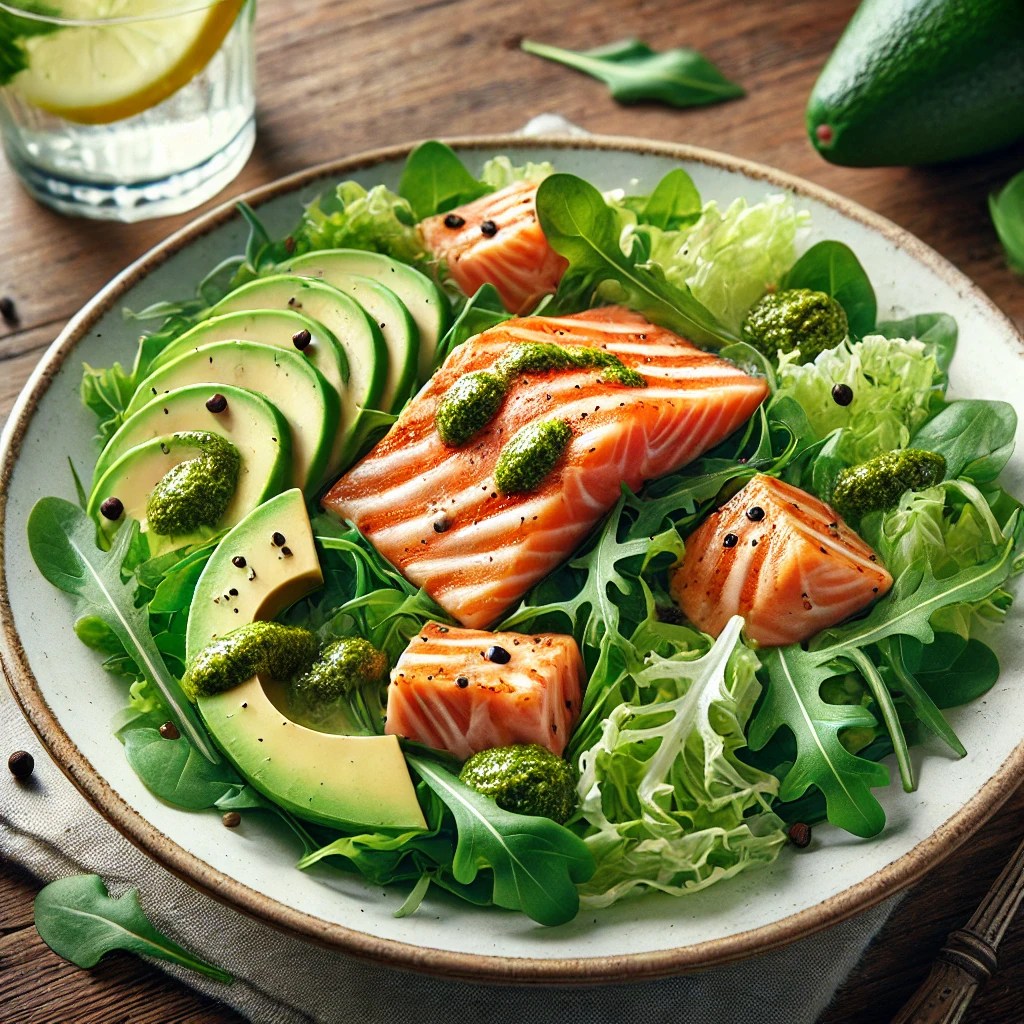
    2. Salmon and Pesto Salad

    A light yet satisfying dish, perfect for lunch or dinner.

    Ingredients:

    • 200 g fresh or smoked salmon
    • 2 handfuls of arugula
    • 1/2 head of iceberg lettuce
    • 1/2 avocado
    • 2 tbsp green pesto
    • 1 tbsp olive oil
    • Lemon juice
    • Salt and pepper to taste

    Instructions:

    1. Grill the fresh salmon until cooked (skip this step if using smoked salmon).
    2. Arrange the arugula, lettuce, and sliced avocado on a plate.
    3. Add the salmon in pieces.
    4. Mix pesto with olive oil and lemon juice, then drizzle over the salad.
    5. Season with salt and pepper to taste and enjoy.

    Macros per serving (1 large salad):

    • Calories: 450 kcal
    • Protein: 30 g
    • Fat: 35 g
    • Net carbs: 4 g

    3. Coconut Chicken with Broccoli

    A creamy, savory dish that’s low in carbs and high in flavor.

    Ingredients:

    • 400 g chicken breast
    • 200 ml coconut milk
    • 1 broccoli head
    • 1 garlic clove, minced
    • 1 tbsp coconut oil
    • Salt, pepper, and curry powder to taste

    Instructions:

    1. Cut the chicken into cubes and season with salt, pepper, and curry powder.
    2. Heat the coconut oil in a pan and brown the chicken.
    3. Add the minced garlic and stir for 1 minute.
    4. Pour in the coconut milk and simmer on low heat for 10 minutes.
    5. Steam the broccoli until tender.
    6. Serve the chicken with broccoli on the side.

    Macros per serving (half of the recipe):

    • Calories: 400 kcal
    • Protein: 35 g
    • Fat: 25 g
    • Net carbs: 6 g

    4. No-Bake Mascarpone Tart with Blueberries

    A sweet, low-carb dessert that’s perfect for any occasion.

    Ingredients

    Crust:

    • 200 g almond flour
    • 100 g butter (cold, cubed)
    • 1 egg yolk
    • A pinch of salt
    • 2 tbsp erythritol

    Cream:

    • 300 g mascarpone
    • 200 g double cream
    • 2 tbsp erythritol

    Lemon Syrup:

    • 1 tbsp erythritol
    • Juice of 1 lemon
    • 1/3 cup water

    Topping:

    • Fresh blueberries or strawberries
    • Mint leaves for decoration

    Instructions

    For the Crust:

    1. Preheat the oven to 180°C (356°F).
    2. Combine almond flour, butter, salt, and erythritol in a mixing bowl. Use your hands or a pastry cutter to blend until the mixture resembles breadcrumbs.
    3. Add the egg yolk and mix until the dough forms a ball. Chill in the fridge for 20 minutes.
    4. Roll out the dough between two sheets of parchment paper or press it directly into a tart pan.
    5. Poke the base with a fork to prevent puffing and bake for 15-18 minutes or until golden brown. Let it cool completely.

    For the Cream:

    1. Beat mascarpone, double cream, and erythritol together until smooth and fluffy. Chill in the fridge while preparing the syrup.

    For the Lemon Syrup:

    1. In a small saucepan, combine erythritol, lemon juice, and water.
    2. Heat on low until the erythritol dissolves. Simmer for 2-3 minutes, then let it cool.

    Assembly:

    1. Pour the lemon syrup evenly over the baked crust and allow it to soak in slightly.
    2. Spread the mascarpone cream over the crust.
    3. Top with fresh blueberries or strawberries.
    4. Garnish with mint leaves for a fresh finish.

    Macros per serving (1 slice, 8 slices total):

    • Calories: ~280 kcal
    • Protein: ~5 g
    • Fat: ~25 g
    • Net carbs: ~4 g

    5. Creamy Cauliflower and Cheddar Soup

    A comforting low-carb soup that’s perfect for colder days.

    Ingredients:

    • 1 medium cauliflower
    • 1 liter chicken stock
    • 200 g grated cheddar cheese
    • 100 ml heavy cream
    • Salt, pepper, and nutmeg to taste

    Instructions:

    1. Break the cauliflower into florets and cook in the chicken stock until tender.
    2. Blend the mixture into a smooth soup using an immersion blender.
    3. Stir in the cream and cheddar cheese until fully melted.
    4. Season with salt, pepper, and nutmeg.
    5. Serve with toasted nuts or seeds for added crunch.

    Macros per serving (1 bowl, 4 servings total):

    • Calories: 220 kcal
    • Protein: 10 g
    • Fat: 18 g
    • Net carbs: 5 g

    These recipes prove that low-carb eating can be both delicious and diverse. Perfect for anyone looking to maintain a healthy lifestyle or explore the benefits of a low-carb diet, they’re sure to impress your taste buds while supporting your nutritional goals. For more tips, recipes, and inspiration, explore the other sections of our website. Stay healthy and enjoy! 😊

  • The Impact of Vitamin D3 on the Brain – What You Need to Know

    Vitamin D3, often associated with bone health and immunity, also plays a crucial role in brain function. Its deficiency can affect mental health, cognitive processes, and emotional stability, as well as increase the risk of neurodegenerative diseases. Below is an in-depth look at how vitamin D3 supports brain health and why it is so essential.


    1. Regulating Mood and Emotions

    Vitamin D3 is involved in the production of serotonin, a neurotransmitter responsible for maintaining a stable mood. Adequate serotonin levels help:

    • Stabilize mood,
    • Reduce the risk of depression,
    • Alleviate anxiety and panic attacks.

    Studies show that individuals with vitamin D3 deficiency are more likely to experience depressive and anxiety disorders. Supplementing vitamin D3 has been found to improve mood, particularly during periods of low sunlight exposure.


    2. Supporting the Nervous System

    Vitamin D3 has neuroprotective properties, meaning it helps protect nerve cells from damage. It does so by:

    • Reducing inflammation in the brain, which can lead to neurodegeneration,
    • Decreasing oxidative stress, a key factor in brain aging,
    • Supporting the regeneration of neurons and the formation of new neural connections.

    3. Boosting Cognitive Functions

    Research suggests that vitamin D3 supports cognitive functions such as:

    • Memory,
    • Focus,
    • Learning ability.

    Its deficiency can lead to memory problems and reduced cognitive performance. In older adults, low levels of vitamin D3 are associated with an increased risk of dementia and Alzheimer’s disease.


    4. Regulating Sleep

    Vitamin D3 receptors are present in the hypothalamus, a part of the brain that regulates the sleep-wake cycle. A deficiency in vitamin D3 can lead to:

    • Difficulty falling asleep,
    • Reduced deep sleep phases,
    • Poor sleep quality.

    Maintaining optimal levels of vitamin D3 can improve circadian rhythms and support restorative sleep.


    5. Reducing the Risk of Neurodegenerative Diseases

    Vitamin D3 plays a role in protecting the brain from neurodegenerative diseases such as:

    • Alzheimer’s disease,
    • Parkinson’s disease,
    • Multiple sclerosis.

    It achieves this by supporting the immune system and reducing inflammation, both of which are major contributors to neuronal damage.


    6. Stress Response Regulation

    The amygdala, the part of the brain responsible for processing stress and emotions, functions optimally when vitamin D3 levels are sufficient. A deficiency can cause overactivation of the amygdala, leading to:

    • Exaggerated responses to everyday situations,
    • Heightened feelings of anxiety,
    • Frequent panic attacks.

    7. Balancing the Dopamine System

    Vitamin D3 supports the dopamine system, which is crucial for:

    • Motivation,
    • Pleasure,
    • Learning.

    A deficiency in vitamin D3 can impair the efficiency of this system, leading to apathy, low energy levels, and reduced enjoyment of daily activities.


    How to Maintain Brain Health with Vitamin D3

    To support brain health, consider the following:

    • Regularly monitor your vitamin D3 levels (optimal range: 30-50 ng/ml),
    • Include foods rich in vitamin D3 in your diet, such as fatty fish (salmon, mackerel, sardines), egg yolks, and fortified dairy products,
    • Supplement vitamin D3 during periods of low sunlight exposure, particularly in autumn and winter.

    Vitamin D3 is not just essential for healthy bones; it is also a cornerstone of brain health. Its influence on mood, memory, cognitive functions, and protection against neurodegenerative diseases cannot be overstated. By maintaining adequate vitamin D3 levels, you can improve your mental well-being, enhance brain function, and support your overall quality of life. Don’t overlook the power of this extraordinary vitamin your brain will thank you!

  • Vitamin D3 – The Key to Health: Unknown Deficiency Symptoms and Why You Shouldn’t Fear Supplementation

    Vitamin D3, often called the “sunshine vitamin,” is, in fact, a hormone that plays a vital role in the proper functioning of the human body. It is essential for bone health, muscle function, the nervous system, and even mental health. Did you know that 10% of our genes around 2,500 out of 25,000 depend on vitamin D3 to function correctly? Its deficiency can lead to a range of symptoms that are often overlooked. Moreover, fears of overdosing on vitamin D3 are largely unfounded, as it is extremely rare. Let’s take a closer look at some lesser-known deficiency symptoms and why supplementation is safe and beneficial.


    Lesser-Known Symptoms of Vitamin D3 Deficiency

    While vitamin D3 is widely recognized for its role in supporting bone health and immunity, its deficiency can manifest in less obvious ways. Here are eight symptoms you might not associate with a lack of vitamin D3:

    1. Excessive Sweating, Especially on the Head

    The head contains more sweat glands than other parts of the body, and their activity is regulated by the sympathetic nervous system, which requires vitamin D3 for proper functioning. Excessive sweating on the head, particularly at rest, could be an early indicator of deficiency.

    2. Mood Swings and Panic Attacks

    Vitamin D3 regulates serotonin levels a key neurotransmitter responsible for mood. Its deficiency can lead to mood swings, anxiety, and even panic attacks. The lack of vitamin D3 disrupts the functioning of the amygdala, the brain structure responsible for stress responses, potentially causing heightened panic reactions.

    3. Bone and Muscle Pain

    Pain in the lower back, hips, or upper thighs may indicate osteomalacia, a softening of the bones caused by insufficient calcium absorption due to a lack of vitamin D3. This can result in weak bones and chronic muscle discomfort.

    4. Joint Stiffness and Inflammation

    Cartilage in joints, such as the costosternal joints, is prone to inflammation when vitamin D3 levels are low. This can lead to pain, reduced mobility, and even poor posture.

    5. Difficulty Building Muscle Mass

    Vitamin D3 supports protein synthesis and mitochondrial function key factors in muscle growth. Without adequate vitamin D3, building muscle tissue, even with regular exercise, becomes challenging.

    6. Chronic Fatigue

    Vitamin D3 plays a crucial role in mitochondrial function, particularly in ATP production the body’s main energy source. Its deficiency disrupts enzyme activity involved in energy production, leading to persistent fatigue.

    7. Constant Hunger

    A lack of vitamin D3 affects appetite-regulating hormones such as leptin, leading to a continuous feeling of hunger. This debunks the myth that weight gain is solely about calorie intake or physical activity vitamin D3 deficiency could be the root cause.

    8. Insulin Resistance

    Vitamin D3 supports insulin function, the hormone responsible for regulating blood sugar levels. Its deficiency increases the risk of insulin resistance, which can lead to elevated blood glucose levels and type 2 diabetes.


    Don’t Fear Vitamin D3 – Overdosing Is Almost Impossible

    Many people are hesitant to supplement with vitamin D3, fearing potential overdose. In reality, overdosing is extremely rare. Even high doses, such as 4,000 IU daily, are considered safe. Toxicity typically occurs only with doses exceeding 50,000 IU daily over several months far beyond recommended levels.

    The body has natural mechanisms to regulate vitamin D3 absorption, and supplementation in recommended doses is both safe and effective. During periods of low sun exposure, such as autumn and winter, supplementation is essential to prevent deficiencies.


    Vitamin D3 is a cornerstone of health and proper bodily function. Its deficiency can lead to numerous symptoms that are often unnoticed but have a significant impact on well-being. Regular testing, a balanced diet, and appropriate supplementation are the best ways to maintain optimal health.

    Remember don’t fear vitamin D3! It’s not just a vitamin but a hormone that governs your health. Invest in your well-being, and your body will thank you!

  • Vitamin D3 – The Key to Overall Health

    Vitamin D3, also known as the “sunshine vitamin,” plays a crucial role in the functioning of our body. While it has long been associated with bone health, recent research reveals its impact extends far beyond this. Unfortunately, a global deficiency of vitamin D3 is one of the greatest health challenges of our time. What are its functions, how much do we need, and why is it so important? Let’s find out.


    The Classical and Non-Classical Roles of Vitamin D3

    Classical Role

    Since the 1920s, vitamin D3 has been known for its role in regulating calcium and phosphorus metabolism, preventing rickets in children and osteomalacia in adults. It is essential for the development of healthy bones and teeth and aids in the absorption of calcium and phosphorus.

    Non-Classical Role

    In recent years, research has uncovered that vitamin D3 also contributes to:

    • Immune system support: Enhances the body’s ability to fight infections.
    • Apoptosis regulation: Controls natural cell death, essential for tissue health.
    • Inflammation reduction: Acts as an anti-inflammatory agent.
    • Neurogenesis: Supports the development of new nerve cells.

    Additionally, vitamin D3 is linked to the prevention of autoimmune diseases like type 1 diabetes and neurodegenerative disorders, including depression and schizophrenia. It is also considered a biomarker for chronic diseases and frailty.


    The Global Problem of Vitamin D3 Deficiency

    It is estimated that 42% to 97% of the global population suffers from vitamin D3 deficiency. The main causes include:

    • Limited sun exposure: Due to air pollution, full-body clothing, or geographical location.
    • Lifestyle factors: Spending most of the time indoors.
    • Skin pigmentation: People with darker skin have lower vitamin D3 production.
    • Aging: The skin’s ability to produce vitamin D3 decreases with age.

    The effects of deficiency include weakened immunity, an increased risk of cancers, type 2 diabetes, cardiovascular diseases, and depression.


    How Much Vitamin D3 Do We Need?

    Standard Doses

    • 600 IU (15 µg) is the minimum recommended daily dose, but this often proves insufficient.
    • 2000 IU per day is widely recognized as a safe and effective dose for most individuals, especially during periods of limited sun exposure.

    Higher Doses for Deficiency

    • 5000 IU per day is recommended for people with moderate vitamin D3 deficiency.
    • 10,000 IU per day or higher may be used for severe deficiencies, but such supplementation should be strictly monitored by a healthcare professional.

    Optimal Blood Levels of Vitamin D3

    Research indicates that the optimal blood levels of vitamin D3 are:

    • 50–80 ng/dl (125–200 nmol/l). Maintaining these levels is associated with reduced risk of chronic diseases and improved quality of life.

    How to Ensure Adequate Vitamin D3 Levels?

    1. Sun Exposure: Vitamin D3 production in the skin under UVB radiation is the most natural way to obtain it. However, its efficiency depends on factors like the time of year, geographical location, skin pigmentation, and the amount of time spent outdoors.
    2. Diet: Vitamin D3 is naturally found in a limited number of foods, such as:
      • Fatty fish (salmon, mackerel, sardines).
      • Egg yolks.
      • Fortified milk and dairy products.
    3. Supplementation: This is the most reliable way to ensure adequate vitamin D3 intake, especially during seasons with little sun exposure.

    Cofactors Supporting Vitamin D3

    Vitamin D3 requires the support of other nutrients to maximize its potential. Key cofactors include:

    1. Magnesium: Helps activate vitamin D3 in the body.
    2. Omega-3 fatty acids: Support cardiovascular and immune health.
    3. Zinc and boron: Aid in vitamin D3 metabolism.
    4. Vitamin K2: Directs calcium to the bones, preventing its deposition in arteries.

    Why Is Monitoring Vitamin D3 Levels Important?

    Regular blood tests to measure 25(OH)D levels are essential for safe vitamin D3 supplementation. These tests help avoid both deficiency and potential risks of excess, such as hypercalcemia.


    Vitamin D3 is the foundation of a healthy life. Its impact on bone health, the immune system, mental well-being, and the prevention of chronic diseases makes it one of the most vital nutrients. To maintain good health, ensure regular sun exposure, a diet rich in vitamin D3, and appropriate supplementation. Don’t forget to monitor your vitamin levels through regular blood tests—it’s the key to optimal health and well-bei

  • Position of the European Association for the Study of Obesity (EASO): The Role of Nutritional Therapy in the Treatment of Overweight, Obesity, and Cancer

    The latest research published by the European Association for the Study of Obesity (EASO) sheds new light on the role of nutritional therapy in treating individuals with overweight, obesity, and cancer. In its statement published in Obesity Facts, EASO presents scientific evidence supporting the benefits of tailored dietary strategies for these groups of patients.


    Why is the topic of overweight and obesity crucial in cancer treatment?

    EASO emphasizes that obesity is one of the most significant risk factors for developing cancer. Excess fat tissue is associated with a higher risk of developing:

    • Breast cancer,
    • Colorectal cancer,
    • Esophageal cancer,
    • Pancreatic cancer,
    • Liver cancer, among others.

    According to studies, excess fat tissue contributes to approximately a 17% increase in cancer-specific mortality. Moreover, obesity can affect the effectiveness of cancer therapies, hindering their proper execution and increasing the risk of side effects.


    Nutritional therapy as support in the treatment of cancer and obesity

    EASO’s position highlights that nutritional therapy (Medical Nutrition Therapy, MNT) plays a key role in improving the health of patients with overweight and obesity suffering from cancer. Properly tailored diets can:

    1. Help reduce body weight, which, in turn, improves cancer treatment outcomes.
    2. Correct micronutrient deficiencies, supporting the overall health of the body.
    3. Reduce inflammation, which is a key mechanism in cancer development.

    Which diets does EASO recommend?

    In its position statement, EASO points to three main dietary approaches that can be effective for these groups of patients:

    1. Mediterranean Diet (MedDiet):
      • Rich in vegetables, olive oil, fish, and nuts.
      • Supports heart health and reduces inflammation.
    2. Ketogenic Diet (KD):
      • Characterized by high fat content and low carbohydrate intake.
      • May support glycemic control and limit energy availability for cancer cells.
    3. Intermittent Fasting (IF):
      • Involves periodic calorie restriction, e.g., in a 16:8 pattern.
      • Can improve insulin sensitivity and aid in weight reduction.

    What are the key findings of the research?

    • Nutritional therapy should be personalized and adapted to each patient’s needs.
    • Weight reduction and nutritional status control are key to improving the effectiveness of cancer therapies.
    • The diet should be coordinated with the medical team to ensure the best treatment outcomes.

    Summary

    The position of the European Association for the Study of Obesity clearly indicates that diet is not only a support but also a crucial element in treating individuals with overweight, obesity, and cancer. Nutritional therapy, based on scientific evidence such as the Mediterranean diet, ketogenic diet, or intermittent fasting, can improve treatment outcomes, reduce inflammation, and support the overall health of patients.

    For more information, you can find the full EASO statement at: karger.com.

    Let’s take care of our health by incorporating scientifically proven dietary strategies into our daily lives.

  • Eggs on a Low-Carb/Keto Diet: 3 a Day for Your Health

    The low-carb and ketogenic diets are gaining popularity for their health benefits, including weight loss support, improved glycemic control, and reduced risk of metabolic diseases. One food that fits perfectly into these dietary styles is eggs. Recent studies suggest that people on low-carb/keto diets can consume up to 3 eggs a day without health concerns—and with significant benefits to their bodies.


    What Do Studies Say?

    A literature review published in the American Journal of Clinical Nutrition (2023) indicates that consuming up to 3 eggs a day on a low-carb or ketogenic diet:

    • Does not raise LDL cholesterol (“bad” cholesterol) for most people. In fact, eggs can increase HDL cholesterol (“good” cholesterol), which protects the heart.
    • Supports glycemic control – thanks to their low glycemic index and high protein content, eggs help stabilize blood sugar levels.
    • Promotes satiety – eggs are rich in protein and fats, making them an ideal breakfast choice that keeps you full for hours.

    Why Are Eggs Perfect for a Low-Carb/Keto Diet?

    1. High Nutritional Value

    Eggs are a source of:

    • Complete protein that supports muscle repair and metabolic health.
    • Heart-healthy fats essential for the ketogenic diet.
    • Vitamin D to boost your immune system and maintain strong bones.
    • Choline for brain function and fat metabolism.

    2. Practical and Versatile

    Eggs are quick to prepare, versatile, and pair perfectly with other keto-friendly foods like avocado, butter, or low-carb vegetables.

    3. Heart Health Benefits

    Research published in Nutrients (2023) found that eggs consumed as part of a low-carb diet can improve heart health by reducing inflammatory markers and enhancing lipid profiles.


    How to Incorporate 3 Eggs a Day into a Low-Carb/Keto Diet

    • Breakfast: Omelette with avocado and cheese.
    • Lunch: Hard-boiled eggs with keto mayonnaise and vegetables.
    • Dinner: Fried eggs with clarified butter and broccoli.

    Summary

    Eggs are a true superfood for those on low-carb and keto diets. Eating up to 3 eggs a day provides essential nutrients, supports heart health, stabilizes blood sugar levels, and aids in weight loss. Recent studies debunk myths about their harm, proving they are not only safe but also incredibly beneficial for health.

    Enjoy your meals and stay healthy! 🥚💪

    Feel free to share your favorite egg recipes in the comments! 😊

    Leave a comment

  • The Sweet Trap: How Companies Hook Us on Sugar and Sweets

    Have you ever wondered why it’s so hard to resist that chocolate bar or sugary drink? The answer lies in how sugar affects our brains and how the food industry leverages this to their advantage. Sugar isn’t just in desserts; it’s hidden in everyday foods like bread, sauces, and even “healthy” snacks. Let’s uncover how this addictive ingredient has become a staple in our diets, the marketing tricks behind it, and what you can do to break free.


    Why Sugar Feels So Addictive

    When you eat something sweet, your brain releases dopamine a “feel-good” chemical that gives you a sense of reward. The more sugar you consume, the more your brain craves it, creating a cycle that’s hard to break. This is no accident. Food companies have spent decades perfecting products that trigger this reaction, making their sugary snacks and drinks nearly impossible to resist.

    Studies have shown that sugar can activate the brain’s reward system in a way similar to addictive substances. The difference? Sugar is legal, cheap, and marketed as a harmless treat.


    How the Food Industry Keeps Us Hooked

    1. Hiding Sugar in Plain Sight
      Most people recognize sugar on labels, but what about its many aliases? Companies use over 50 different names for sugar, such as glucose syrup, sucrose, maltodextrin, and high-fructose corn syrup. By disguising sugar under different terms, they make it harder for consumers to understand just how much they’re consuming.
    2. Marketing “Healthy” Products
      Labels like “low-fat,” “natural,” or “protein-packed” often give a false sense of health. In many cases, these products are loaded with hidden sugars to compensate for reduced fat or other flavors. Granola bars, flavored yogurts, and even “whole grain” cereals can contain as much sugar as a dessert.
    3. Targeting Children
      From colorful packaging to playful mascots, sugary products are deliberately marketed to children. Ads paint sugary snacks as essential to fun and happiness, while supermarkets place these items at eye level for young shoppers. This isn’t just about selling candy it’s about creating lifelong customers.
    4. Normalizing Sugar as a Lifestyle
      Advertising often presents sugar as a reward or a way to celebrate. Whether it’s “treating yourself” after a tough day or indulging during holidays, the message is clear: life is sweeter with sugar. This clever emotional manipulation makes it even harder to resist.

    The Hidden Costs of Sugar

    Excessive sugar consumption isn’t just a harmless habit. It can lead to serious health problems, including:

    • Obesity: Sugar-laden foods are high in calories but low in nutrients, contributing to weight gain.
    • Type 2 Diabetes: Regular consumption of sugary foods and drinks increases insulin resistance.
    • Heart Disease: A diet high in added sugars raises the risk of heart conditions, even for those with a healthy weight.
    • Dental Decay: Sugar feeds the bacteria that cause cavities and gum disease.
    • Chronic Inflammation: Sugar can trigger inflammation, a key factor in many diseases.

    In the UK, adults consume an average of 56 grams of sugar per day far exceeding the NHS recommendation of 30 grams (around 7 teaspoons) for adults. For children, the problem is even worse.


    How to Break Free from Sugar Dependence

    1. Read Labels
      Look out for hidden sugars in processed foods and opt for whole, unprocessed ingredients.
    2. Cut Sugary Drinks
      Swap sodas and sugary juices for water, herbal teas, or unsweetened alternatives.
    3. Choose Natural Alternatives
      Use natural sweeteners like stevia, erythritol, or monk fruit instead of refined sugar.
    4. Cook from Scratch
      Preparing meals at home allows you to control what goes into your food.
    5. Reprogram Your Rewards
      Find non-food rewards for achievements or comfort try a walk, a book, or a relaxing bath.

    The Bigger Picture

    Breaking free from sugar is about more than personal health it’s about challenging the systems that profit from our addiction. The food industry thrives on convenience, taste, and cost, often at the expense of our well-being. By choosing healthier options and staying informed, we can push back against these manipulative practices and take control of our diets.


    What’s Your Experience?
    Have you tried cutting back on sugar or noticed how often it appears in your food? Share your story in the comments below, and let’s support each other in making healthier choices!

    Together, we can beat the sweet trap and reclaim our health one choice at a time. 🍎

  • What is the Ketogenic Diet?

    The Ketogenic Diet – Your Path to Health and Energy

    What is the Ketogenic Diet?

    The ketogenic diet, commonly referred to as keto, is a lifestyle centered on reducing carbohydrate intake to a minimum – typically below 50 g per day, often even as low as 20 g. In return, the main source of energy becomes fats and fiber, supporting the body’s transition to a metabolic state known as ketosis. During ketosis, dietary fats and fat stores are burned to provide energy, resulting in numerous health benefits.


    Basic Principles

    The key to the ketogenic diet is focusing on the right food groups:

    What to Eat?

    • Berries – cranberries, strawberries, blueberries (in moderation).
    • Nuts and Seeds – almonds, hazelnuts, chia seeds, flaxseeds.
    • Eggs and Dairy – eggs, butter, cheeses (especially hard cheeses).
    • Green Vegetables – broccoli, spinach, lettuce, courgette.
    • Certain Red Vegetables – peppers, tomatoes (in limited quantities).
    • Oils – olive oil, coconut oil, clarified butter (ghee), avocado oil.
    • Meat and Fish – salmon, poultry, beef, seafood.

    What to Avoid?

    • Bread – loaves, rolls, croissants.
    • Pasta – both white and wholegrain varieties.
    • Milk – due to its sugar content (lactose).
    • Sweets – cakes, biscuits, candies.
    • Corn – both as kernels and processed products.
    • Legumes – beans, peas, chickpeas.
    • Rice – both white and brown.

    Ketosis – The Secret to Energy and Health

    Ketosis is a natural metabolic state where the body derives energy from fats and ketones instead of glucose. When carbohydrate intake is restricted, glycogen stores in the liver are depleted, and the body switches to more efficient fat burning.


    Benefits of the Keto Diet

    1. Reduced Hunger – Ketosis suppresses appetite, freeing you from constant cravings.
    2. Weight Loss – The keto diet promotes fat loss by regulating insulin levels.
    3. Improved Metabolic Health – It can reverse insulin resistance and type 2 diabetes.
    4. Reduced Inflammation – Ketones have anti-inflammatory effects, supporting heart and brain health.
    5. Enhanced Focus – Ketones provide stable energy for the brain, eliminating blood sugar fluctuations.

    Is the Keto Diet Right for You?

    The keto diet is safe for most people, but there are some contraindications. Individuals with liver, heart, or kidney conditions, or those taking insulin, should consult a doctor before starting.

    Side Effects During the first few days, you may experience the so-called “keto flu,” including fatigue, headaches, and dizziness. These symptoms can be alleviated by staying hydrated and supplementing electrolytes.


    How to Enter Ketosis?

    1. Limit net carbohydrates to less than 50 g per day.
    2. Try intermittent fasting (e.g., 16 hours without eating).
    3. Choose healthy fats, such as coconut oil and olive oil.
    4. Start walking regularly to support the metabolic process.
    5. Measure your blood ketone levels to track progress.

    Conclusion

    The ketogenic diet is more than just a diet – it’s a lifestyle that can transform your health. It provides steady energy, improves metabolism, supports weight loss, and helps combat chronic diseases. As you embark on your keto journey, remember to tailor the diet to your needs and listen to your body.

    Don’t wait – give it a try today and see how the ketogenic diet can enhance your life!

    Learn More About Keto

    If you’re new to the ketogenic diet or want to dive deeper into its principles and benefits, watch this beginner-friendly video: