Category: Uncategorized

  • 🧠 Metabolic Psychiatry and the Low-Carbohydrate Diet – A New Perspective on Mental Health

    Can what we eat really affect our mood and mental health?

    More and more research shows that the brain is not only the center of our emotions and thoughts but also a metabolic organ — consuming around 20% of all the body’s energy.
    If energy is not supplied or used efficiently, brain functions such as mood, focus, and stress resilience can be disrupted.
    This idea lies at the heart of metabolic psychiatry – an emerging medical field combining insights from neurology, psychiatry, and metabolism.


    🔬 What Is Metabolic Psychiatry?

    Metabolic psychiatry explores how disturbances in brain energy metabolism (such as insulin resistance, oxidative stress, inflammation, and mitochondrial dysfunction) may contribute to mental health disorders, including:

    • depression
    • anxiety
    • schizophrenia
    • bipolar disorder
    • cognitive impairment

    According to Dr. Christopher M. Palmer from Harvard Medical School, author of Brain Energy (2022), many psychiatric conditions can be understood as metabolic disorders of the brain.
    When neurons cannot efficiently produce or use energy, their function becomes unstable — which can lead to mood swings, anxiety, or cognitive decline.


    🥑 How a Low-Carbohydrate Diet Supports the Brain

    A low-carbohydrate (low-carb) or ketogenic diet may support brain function through several mechanisms that have been documented in scientific research:

    1️⃣ A Better Source of Energy for Neurons

    When carbohydrate intake is reduced, the body produces ketone bodies (such as beta-hydroxybutyrate), which serve as a cleaner and more stable fuel for the brain than glucose.
    Studies (Frontiers in Psychiatry, 2022) show that ketones may improve mitochondrial function and neural stability.

    2️⃣ Reducing Inflammation

    Chronic inflammation is commonly associated with depression and other mental illnesses.
    A ketogenic diet helps lower inflammatory markers such as CRP and interleukin, supporting the brain’s recovery and stability.

    3️⃣ Stabilizing Blood Sugar and Insulin

    Frequent blood sugar fluctuations can lead to fatigue, irritability, and anxiety.
    A low-carbohydrate diet helps maintain stable glucose levels, promoting better emotional balance.

    4️⃣ Supporting Neurotransmitter Balance

    Ketones can influence the balance between GABA (calming neurotransmitter) and glutamate (stimulating neurotransmitter).
    This balance is crucial for conditions such as epilepsy, anxiety, and depression.


    📚 What Does the Research Say?

    • ✅ Stanford Medicine (2024) reported a pilot study where patients with severe psychiatric disorders following a ketogenic diet showed improvements in mood, concentration, and body weight.
    • ✅ A review published in Frontiers in Psychiatry (2022) found that ketogenic diets may support the treatment of mood disorders and schizophrenia by improving brain metabolism.
    • ✅ A 2023 analysis in BMC Medicine concluded that low-carbohydrate diets enhance metabolic function and could be a promising adjunct in mental health, though more long-term studies are needed.

    While most research is still in early stages, the results are highly encouraging, particularly for people who have not fully responded to traditional pharmacological treatments.


    ⚠️ Important: Diet Is Not a Replacement for Psychiatric Care

    A low-carbohydrate or ketogenic diet should never replace psychiatric treatment.
    It can, however, serve as metabolic support that complements existing therapies, especially in people with insulin resistance, obesity, or type 2 diabetes.
    Any dietary change should always be made under professional supervision, particularly for individuals taking psychiatric or metabolic medications.


    🌿 Key Takeaways

    • Mental health and metabolic health are deeply connected — the brain depends on stable energy metabolism to function optimally.
    • A low-carbohydrate or ketogenic diet may improve brain function by:
      • enhancing energy efficiency,
      • reducing inflammation,
      • stabilizing blood sugar levels,
      • supporting mitochondrial performance.
    • This approach offers exciting potential in mental health care but requires further scientific research and personalized medical guidance.

    📖 Scientific References

    1. Palmer, C. M. (2022). Brain Energy: A Revolutionary Breakthrough in Understanding Mental Health—and Improving Treatment for Anxiety, Depression, OCD, PTSD, and More. BenBella Books.
    2. Sethi, J. K., et al. (2022). The Ketogenic Diet for Refractory Mental Illness. Frontiers in Psychiatry.
    3. Ghasemi, P., et al. (2024). Impact of Very Low Carbohydrate Ketogenic Diets on Cardiovascular and Metabolic Risk Factors. Nutrition & Metabolism.
    4. Stanford Medicine News Center (2024). “Keto diet shows promise for serious mental illness.”
    5. BMC Medicine (2023). Effects of Ketogenic Diets on Health Outcomes: An Umbrella Review of Meta-Analyses.
  • Obesity as a Growing Health Problem in the USA and the UK – How to Manage It?

    Obesity is a chronic disease characterized by excessive accumulation of fat tissue, leading to numerous serious health conditions such as cardiovascular diseases, type 2 diabetes, and musculoskeletal problems. In the United States and the United Kingdom, obesity has reached epidemic proportions, becoming one of the most serious health challenges of the 21st century.

    The Scale of the Problem in the USA and the UK

    In the United States, the percentage of obese individuals is currently 42%, marking an increase of nearly 10% compared to the previous decade. In the United Kingdom, projections are equally concerning – a report from The Lancet predicts that the obesity rate among children aged 5 to 14 will rise from 12% among girls in 2021 to 18.4% in 2050 and from 9.9% to 15.5% among boys in the same period.

    How to Manage Obesity?

    Effective obesity management requires a comprehensive approach, encompassing both individual actions and systemic support:

    1. Changing Dietary Habits – The Role of a Low-Carb Diet

    A low-carbohydrate (low-carb) diet has been shown to be one of the most effective dietary strategies for weight management and metabolic health. Reducing carbohydrate intake can lead to:
    Improved blood sugar control – Lower carbohydrate consumption prevents blood sugar spikes and reduces insulin resistance.
    Increased fat burning – With fewer carbs, the body switches to burning fat for energy, aiding in weight loss.
    Reduced hunger and cravings – A diet rich in healthy fats and proteins helps keep you fuller for longer.

    What to Eat on a Low-Carb Diet?
    ✔️ Proteins: Meat (beef, chicken, turkey, pork), fish (salmon, mackerel, sardines), eggs, tofu, tempeh.
    ✔️ Healthy Fats: Avocados, nuts (almonds, walnuts, macadamia), seeds, olive oil, butter, coconut oil.
    ✔️ Low-Carb Vegetables: Leafy greens (spinach, kale, arugula), cruciferous vegetables (broccoli, cauliflower, Brussels sprouts), zucchini, asparagus, peppers.
    ✔️ Dairy (if well tolerated): Cheese, Greek yogurt, cream.
    ✔️ Beverages: Water, unsweetened tea, black coffee, bone broth.

    What to Avoid?
    ❌ Sugar and sugary drinks (soda, fruit juices, energy drinks).
    ❌ Processed and refined carbohydrates (bread, pasta, rice, cereals, baked goods).
    ❌ Seed oils (canola, soybean, sunflower oils).
    ❌ High-starch vegetables (potatoes, corn).

    2. Physical Activity

    Regular Exercise – Engaging in moderate physical activities such as walking, running, swimming, or cycling for at least 150 minutes per week.
    Strength Training – Resistance exercises such as weightlifting help build muscle and improve metabolism.
    Daily Activity – Choosing stairs over elevators, walking during work breaks, and incorporating movement into everyday routines.

    3. Psychological Support

    Managing Stress – Stress can lead to emotional eating and increased cravings. Effective stress management techniques include meditation, relaxation exercises, and physical activity.
    Support Groups – Participating in peer support groups can enhance motivation and provide a sense of community.

    4. Medical Consultation

    Pharmacotherapy – In some cases, doctors may prescribe weight-loss medications to support obesity treatment.
    Bariatric Surgery – For individuals with severe obesity who have not succeeded with other methods, surgical intervention may be an effective solution.

    The Benefits of a Low-Carb Approach for Weight Loss

    📌 Faster initial weight loss – Reducing carbs can lead to significant weight loss in the first few weeks due to lower insulin levels and water loss.
    📌 Better appetite control – Eating high-protein, high-fat meals naturally reduces calorie intake.
    📌 Stable energy levels – No more energy crashes from high-carb meals; steady energy throughout the day.
    📌 Potential long-term health benefits – Lower risk of diabetes, heart disease, and metabolic disorders.

    Conclusion

    Obesity is a serious health issue with complex causes and numerous consequences. The key to effective weight management is a holistic approach that includes dietary modifications, increased physical activity, psychological support, and medical interventions if necessary.

    A low-carb diet can be particularly beneficial for obesity and metabolic health, as it helps with hormonal balance, appetite control, and fat loss. Additionally, raising public awareness and promoting education about a healthy lifestyle are essential to combat the growing obesity epidemic in the USA, UK, and worldwide.

  • Low-Carbohydrate Diets in Type 2 Diabetes – What Does the Research Say?

    Introduction

    Type 2 diabetes is a growing global health concern, affecting millions of people. Managing blood sugar levels effectively is crucial to preventing complications. One approach that has gained significant attention is low-carbohydrate diets (LCDs). But what does the scientific evidence say about their effectiveness in diabetes management?

    How Do Low-Carbohydrate Diets Affect Blood Sugar?

    A low-carbohydrate diet reduces the intake of glucose-producing foods, forcing the body to use fat for energy instead of carbohydrates. This leads to: ✅ Lower blood sugar spikes after meals ✅ Reduced insulin demand ✅ Improved insulin sensitivity ✅ More stable energy levels throughout the day

    Research Findings on Low-Carb Diets and Type 2 Diabetes

    Studies have shown that low-carbohydrate diets can significantly improve diabetes management. Here are some key findings:

    🔹 Blood Sugar Control: Research suggests that reducing carbohydrate intake helps lower HbA1c levels (a long-term blood sugar marker), making diabetes easier to manage. 🔹 Weight Loss: Many individuals with type 2 diabetes struggle with excess weight. Studies indicate that LCDs promote fat loss, especially around the abdomen, which improves insulin sensitivity. 🔹 Reduced Medication Use: Some trials have reported that patients on a low-carb diet were able to reduce or eliminate diabetes medications. 🔹 Heart Health Benefits: Contrary to previous concerns, research shows that LCDs can improve cholesterol profiles, increasing HDL (‘good’ cholesterol) and lowering triglycerides, reducing the risk of heart disease.

    Comparing Low-Carb Diets to Other Approaches

    While low-fat and calorie-restricted diets have traditionally been recommended for diabetes, recent studies show that low-carb diets can be more effective in some cases. LCDs provide better blood sugar control and long-term adherence compared to conventional dietary approaches.

    Practical Tips for Following a Low-Carb Diet with Type 2 Diabetes

    Prioritize whole, nutrient-dense foods – lean proteins, healthy fats, and non-starchy vegetables. ✅ Limit high-carb foods – minimize intake of bread, pasta, rice, and sugary snacks. ✅ Choose healthy fats – avocados, nuts, seeds, and olive oil help maintain satiety. ✅ Monitor blood sugar levels – adjusting diet based on individual responses is key. ✅ Work with a healthcare provider – dietary changes should be made under medical supervision, especially for those on medication.

    Conclusion

    Scientific research supports low-carbohydrate diets as an effective tool for managing type 2 diabetes. LCDs help stabilize blood sugar, promote weight loss, and improve overall metabolic health. While individual needs may vary, incorporating a well-balanced low-carb diet can be a game changer in diabetes care.

  • Can a Low-Carb or Keto Diet Positively Impact Raynaud’s Disease?

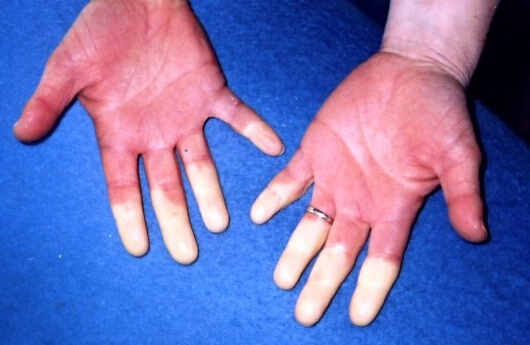
    Raynaud’s disease (or Raynaud’s phenomenon) is a circulatory disorder that causes blood vessels in the fingers and toes to overreact to cold temperatures or stress, leading to numbness, tingling, and discoloration. While conventional treatments focus on managing symptoms through medications, lifestyle changes, and stress reduction, dietary choices may also play a role in improving circulation and reducing the frequency of Raynaud’s episodes.

    Could a low-carb or ketogenic (keto) diet offer benefits for individuals with Raynaud’s disease? While research on this specific topic is limited, there are several mechanisms through which low-carb and keto diets might positively impact blood circulation and vascular function, potentially helping individuals with Raynaud’s.


    1. How Raynaud’s Disease Affects Blood Flow

    Raynaud’s disease is characterized by vasospasms, where small arteries in the fingers and toes constrict excessively in response to cold or stress, reducing blood flow. This results in:

    • Pale or blue-colored fingers/toes due to lack of oxygen.
    • Numbness, tingling, or pain in the affected areas.
    • Episodes triggered by cold temperatures or emotional stress.

    Since vascular health, inflammation, and metabolic function play crucial roles in blood circulation, dietary choices that support blood vessel flexibility, reduce inflammation, and stabilize blood sugar may help in managing Raynaud’s symptoms.


    2. Potential Benefits of Low-Carb and Keto Diets for Raynaud’s Disease

    2.1. Improved Blood Sugar and Insulin Sensitivity

    High carbohydrate intake and frequent blood sugar fluctuations can contribute to vascular damage and poor circulation. A low-carb or keto diet helps to:

    Stabilize blood sugar levels, reducing oxidative stress on blood vessels.
    Improve insulin sensitivity, which is linked to better endothelial (blood vessel lining) function.
    Reduce glycation end-products (AGEs), which contribute to blood vessel stiffening.

    Since vascular dysfunction is a core issue in Raynaud’s disease, a diet that stabilizes blood sugar may help improve circulation and prevent excessive vasoconstriction.

    2.2. Anti-Inflammatory Effects

    Chronic inflammation can exacerbate blood vessel dysfunction and contribute to increased frequency and severity of Raynaud’s attacks.

    A ketogenic diet is known for its anti-inflammatory properties due to:

    Reduced intake of inflammatory foods (sugar, refined carbs, processed foods).
    Increased consumption of healthy fats (omega-3s from fatty fish, olive oil, avocados).
    Lower levels of inflammatory markers such as C-reactive protein (CRP).

    A diet rich in omega-3 fatty acids, antioxidants, and healthy fats can help reduce inflammation in blood vessels, potentially improving circulation and decreasing the severity of Raynaud’s episodes.

    2.3. Enhanced Mitochondrial Function and Energy Production

    People with Raynaud’s may experience poor energy metabolism in their small blood vessels, leading to weaker responses to temperature changes.

    A ketogenic diet improves mitochondrial efficiency, providing a more stable energy source (ketones) instead of glucose. This may help:

    Enhance blood vessel function and support better temperature regulation.
    Improve overall cellular energy production, potentially reducing sensitivity to cold.

    2.4. Increased Nitric Oxide (NO) Production for Better Circulation

    Nitric oxide (NO) is a molecule that helps blood vessels relax and expand, improving circulation and preventing vasospasms.

    A well-formulated low-carb or keto diet may increase nitric oxide levels through:

    Higher intake of leafy greens (rich in nitrates that promote NO production).
    Better metabolic function, leading to enhanced NO availability.
    Reduced insulin resistance, which is linked to better blood vessel flexibility.

    Increasing nitric oxide may help reduce the severity and frequency of Raynaud’s episodes by promoting better blood flow to the extremities.


    3. What Foods to Include for Better Circulation?

    To support vascular health and improve Raynaud’s symptoms, a nutrient-dense, low-carb or keto diet should include:

    Healthy Fats for Reducing Inflammation and Supporting Blood Flow

    Omega-3-rich foods – fatty fish (salmon, sardines, mackerel), flaxseeds, chia seeds, walnuts.
    Olive oil and avocados – promote healthy blood vessel function.
    Coconut oil and MCT oil – support energy metabolism and mitochondrial function.

    Nitric Oxide-Boosting Foods

    Leafy greens – spinach, kale, arugula, beet greens (increase nitric oxide production).
    Dark chocolate (high-cocoa content) – improves blood vessel dilation.

    Anti-Inflammatory and Antioxidant-Rich Foods

    Turmeric (curcumin) – reduces inflammation and supports circulation.
    Ginger – improves blood flow and reduces vasospasms.
    Berries (low in carbs, rich in antioxidants) – reduce oxidative stress.

    Electrolytes to Support Circulation and Nerve Function

    Magnesium-rich foods – nuts, seeds, dark leafy greens (magnesium relaxes blood vessels).
    Potassium-rich foods – avocados, nuts, dark chocolate (potassium helps balance blood pressure).


    4. What to Avoid?

    Certain foods can worsen circulation and trigger Raynaud’s attacks:

    Refined sugars and processed carbohydrates – contribute to inflammation and oxidative stress.
    Trans fats and highly processed oils – found in fried and fast foods, worsening vascular function.
    Caffeine and excessive alcohol – can trigger vasoconstriction and worsen symptoms.


    5. Lifestyle Changes That Complement a Low-Carb/Keto Diet

    Diet alone may not completely eliminate Raynaud’s symptoms, but combining it with other lifestyle changes can maximize benefits:

    Regular physical activity – improves blood flow and reduces stress.
    Cold exposure management – using gloves, heated socks, and warm drinks.
    Stress reduction techniques – meditation, breathing exercises, and adequate sleep.
    Hydration – drinking plenty of water to maintain good circulation.


    6. Conclusion – Can a Low-Carb or Keto Diet Help with Raynaud’s Disease?

    Although direct studies on keto/low-carb diets and Raynaud’s disease are lacking, the potential benefits of better blood sugar control, reduced inflammation, improved mitochondrial function, and enhanced circulation suggest that this dietary approach could help manage symptoms and improve vascular health.

    For individuals with Raynaud’s, adopting a low-carb or ketogenic diet while focusing on nutrient-dense, anti-inflammatory foods and lifestyle modifications may contribute to better blood flow, reduced frequency of attacks, and overall improved well-being.

    Should You Try a Low-Carb or Keto Diet for Raynaud’s?

    If you suffer from Raynaud’s disease and struggle with poor circulation, frequent attacks, or cold sensitivity, transitioning to a low-carb, nutrient-dense diet may be worth considering, especially under medical supervision. Combining dietary changes with proper stress management, physical activity, and protective measures could provide long-term improvements in circulation and symptom management.

    Would you like a more personalized approach based on your current diet and lifestyle? 😊