Tag: beauty

  • Why You Should Take Care of Your Feet and Visit a Foot Health Practitioner Regularly

    Our feet are the foundation of our body – they support us every day, allowing us to walk, run, and perform daily activities. Yet, they are often the most neglected part of our body. Many people only pay attention to their feet when they experience pain or discomfort, forgetting that foot problems can be an early sign of serious health conditions. Regular foot care and visits to specialists, such as Foot Health Practitioners, can prevent complications and improve overall well-being.


    1. Why Are Feet So Important?

    On average, a person takes 8,000–10,000 steps per day, which amounts to walking around the world several times in a lifetime! This constant strain can lead to various foot problems if we don’t take proper care of them.

    Feet are also a reflection of overall health. They can reveal early signs of diabetes, circulation issues, and even arthritis. Regular foot check-ups help in detecting and preventing serious conditions before they become major problems.


    2. Common Foot Problems

    Without proper care, minor foot discomfort can develop into painful and disabling conditions. Some of the most common foot issues include:

    Corns and calluses – thickened skin caused by friction and pressure, leading to pain while walking.
    Ingrown toenails – a painful condition that can cause inflammation and infections.
    Cracked heels – deep fissures that can lead to infections.
    Fungal infections (athlete’s foot, nail fungus) – common among people who wear non-breathable shoes.
    Diabetic foot ulcers – serious wounds in diabetics that may require amputation if left untreated.
    Poor circulation – symptoms include cold feet, swelling, and pain while walking.


    3. Why Visit a Foot Health Practitioner?

    Many people believe that foot care is limited to home treatments and wearing comfortable shoes. While these habits are essential, regular visits to a Foot Health Practitioner can prevent serious problems and improve quality of life.

    What Can a Foot Health Practitioner Do for You?

    Early diagnosis and prevention – detecting foot issues before they worsen.
    Treatment of common foot conditions – removal of corns, treatment of ingrown toenails, cracked heels, and fungal infections.
    Professional foot care and hygiene – procedures that cannot be done at home.
    Custom footwear and orthotic recommendations – guidance on the best shoes and insoles for your needs.
    Specialized care for diabetics and people with circulatory problems – personalized foot care to prevent serious complications.


    4. How Often Should You See a Foot Specialist?

    Healthy individuals – at least once a year for routine check-ups.
    Diabetics, people with circulation issues, or arthritis – every 3–6 months to prevent complications.
    Individuals with recurrent foot problems (ingrown nails, corns, cracked heels) – every 6–8 weeks, as recommended by a specialist.


    5. Healthy Feet = Better Quality of Life

    Foot pain, discomfort, and chronic conditions can greatly affect mobility and overall well-being. Regular visits to a Foot Health Practitioner, combined with proper foot care, can prevent serious issues and help maintain mobility and comfort for years to come.

    Don’t wait until problems arise – start taking care of your feet today!

  • Ingrown Toenails – Causes, Symptoms, and Modern Solutions

    Ingrown toenails are a common problem affecting millions of people worldwide. They can cause pain, inflammation, and difficulty in daily activities. Fortunately, effective and safe treatment methods exist that avoid invasive procedures. One such method is the VHO brace – an innovative solution that provides relief and improves quality of life.


    Why Do Toenails Become Ingrown?

    An ingrown toenail occurs when the edge of the nail grows into the surrounding skin, causing discomfort and pain. This condition can have various causes, including:

    • Improper nail trimming – Cutting nails too short or rounding the edges increases the risk of ingrown toenails
    • Tight footwear – Shoes that squeeze the toes put pressure on the nail plate.
    • Mechanical injuries – Trauma or injury can alter the nail’s growth direction.
    • Genetic factors – People with naturally curved nails are more prone to this issue.
    • Chronic conditions – Diseases such as diabetes or poor circulation can weaken the skin and nails, increasing susceptibility.

    Symptoms of Ingrown Toenails

    Signs that you may have an ingrown toenail include:

    • Pain and tenderness along the edge of the nail,
    • Redness and swelling,
    • In advanced cases, infection with pus discharge.

    If you notice these symptoms, it’s important to address the problem early to prevent worsening.


    VHO Brace – A Modern and Safe Solution

    The VHO brace is an effective alternative to surgical nail removal. It’s an orthonyxial method that corrects the nail’s growth direction while relieving pressure on the skin.

    How Does the VHO Brace Work?

    • A specially designed wire brace is custom-fitted to the shape of the nail.
    • Once applied, it gently lifts the nail edges, reducing pressure on the surrounding skin.
    • Gradual correction ensures the nail grows in the proper direction over time.

    Benefits of the VHO Brace

    • Pain-Free – The procedure is comfortable and doesn’t require anesthesia.
    • No Surgery Needed – Avoids the need for painful nail removal.
    • Effective – Regular monitoring and use of the brace ensure lasting results.
    • Universal Application – Suitable for people of all ages.
    • Aesthetic – The brace is nearly invisible and doesn’t interfere with daily life.

    How to Prevent Ingrown Toenails

    Here are a few simple tips to help you avoid ingrown toenails:

    1. Trim your nails straight across without rounding the edges.
    2. Avoid tight shoes – opt for footwear with a wide toe box.
    3. Maintain good foot hygiene and moisturize your skin regularly.
    4. Monitor for early symptoms and address them promptly.
    5. Consult a podiatrist if you notice any unusual changes.

    Ingrown toenails can be effectively treated with modern methods like the VHO brace. This innovative technique corrects the nail’s growth direction, providing relief and comfort without the need for surgical intervention.

    If you have questions about ingrown toenails or other foot health concerns, feel free to reach out through my Facebook page. Taking care of your feet regularly is the key to their health and your everyday comfort.

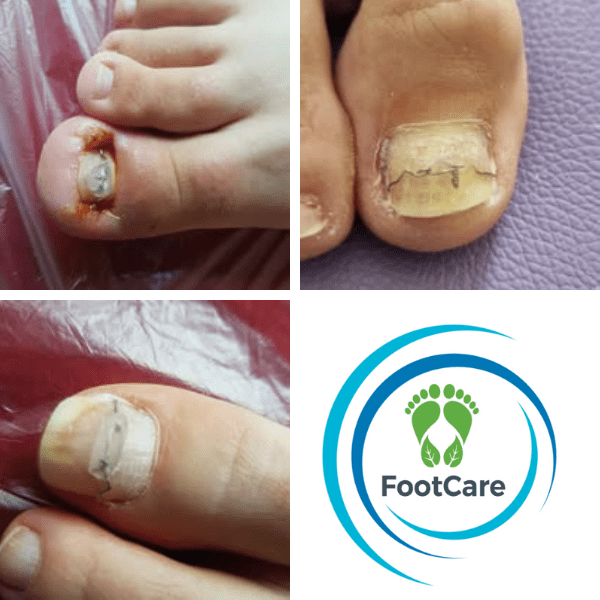
    Photo 1: Ingrown Toenail – Correction with Orthonyxic Brace


    This photo showcases the treatment of an ingrown toenail using an orthonyxic brace. The initial image shows an acute inflammatory condition around the nail. The treatment process required wearing the brace for 6 months to achieve a fully healed and corrected nail.

    Why is this important?
    Ingrown toenails are a common issue that can cause pain, infections, and significant discomfort in daily life. Brace correction is an effective alternative to surgical procedures, offering a gradual and non-invasive solution for restoring the nail’s natural shape and health.

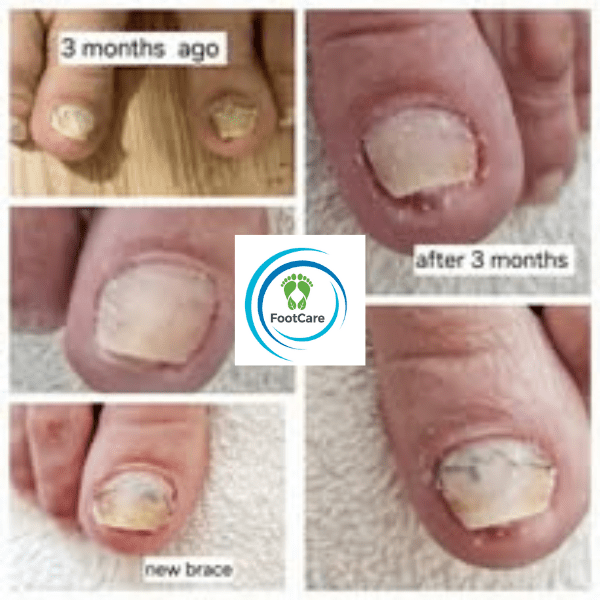
    Photo 2: Nail Correction Results After 3 Month


    This photo illustrates the process of nail correction for a client with an ingrown toenail. The first image documents the condition before treatment, while the last image highlights the results after three months of therapy. Thanks to the orthonyxic brace, the nail regained its proper shape, and the surrounding tissue healed completely.

    Client Benefits:

    • Relief from pain and discomfort
    • Restored aesthetic appearance of the nail
    • Avoidance of surgical intervention

    How to Effectively Manage Ingrown Toenails?

    Ingrown toenails are a common issue affecting people of all ages. They can result from improper nail trimming, wearing tight shoes, or underlying health conditions like diabetes. In the photos above, you can see the results of my work using orthonyxic braces, which:

    • Provide pain relief from the first application
    • Gradually restore the natural shape of the nail
    • Are safe for elderly and diabetic individuals

    If you’re struggling with a similar issue, feel free to reach out. At my clinic in Dudley, I offer professional treatments with the highest standards of hygiene and safety. Whether you need ingrown toenail correction or general foot care, I am here to help you get back on your feet comfortably.