Tag: diet

  • Eggs on a Low-Carb/Keto Diet: 3 a Day for Your Health

    The low-carb and ketogenic diets are gaining popularity for their health benefits, including weight loss support, improved glycemic control, and reduced risk of metabolic diseases. One food that fits perfectly into these dietary styles is eggs. Recent studies suggest that people on low-carb/keto diets can consume up to 3 eggs a day without health concerns—and with significant benefits to their bodies.


    What Do Studies Say?

    A literature review published in the American Journal of Clinical Nutrition (2023) indicates that consuming up to 3 eggs a day on a low-carb or ketogenic diet:

    • Does not raise LDL cholesterol (“bad” cholesterol) for most people. In fact, eggs can increase HDL cholesterol (“good” cholesterol), which protects the heart.
    • Supports glycemic control – thanks to their low glycemic index and high protein content, eggs help stabilize blood sugar levels.
    • Promotes satiety – eggs are rich in protein and fats, making them an ideal breakfast choice that keeps you full for hours.

    Why Are Eggs Perfect for a Low-Carb/Keto Diet?

    1. High Nutritional Value

    Eggs are a source of:

    • Complete protein that supports muscle repair and metabolic health.
    • Heart-healthy fats essential for the ketogenic diet.
    • Vitamin D to boost your immune system and maintain strong bones.
    • Choline for brain function and fat metabolism.

    2. Practical and Versatile

    Eggs are quick to prepare, versatile, and pair perfectly with other keto-friendly foods like avocado, butter, or low-carb vegetables.

    3. Heart Health Benefits

    Research published in Nutrients (2023) found that eggs consumed as part of a low-carb diet can improve heart health by reducing inflammatory markers and enhancing lipid profiles.


    How to Incorporate 3 Eggs a Day into a Low-Carb/Keto Diet

    • Breakfast: Omelette with avocado and cheese.
    • Lunch: Hard-boiled eggs with keto mayonnaise and vegetables.
    • Dinner: Fried eggs with clarified butter and broccoli.

    Summary

    Eggs are a true superfood for those on low-carb and keto diets. Eating up to 3 eggs a day provides essential nutrients, supports heart health, stabilizes blood sugar levels, and aids in weight loss. Recent studies debunk myths about their harm, proving they are not only safe but also incredibly beneficial for health.

    Enjoy your meals and stay healthy! 🥚💪

    Feel free to share your favorite egg recipes in the comments! 😊

    Leave a comment

  • The Sweet Trap: How Companies Hook Us on Sugar and Sweets

    Have you ever wondered why it’s so hard to resist that chocolate bar or sugary drink? The answer lies in how sugar affects our brains and how the food industry leverages this to their advantage. Sugar isn’t just in desserts; it’s hidden in everyday foods like bread, sauces, and even “healthy” snacks. Let’s uncover how this addictive ingredient has become a staple in our diets, the marketing tricks behind it, and what you can do to break free.


    Why Sugar Feels So Addictive

    When you eat something sweet, your brain releases dopamine a “feel-good” chemical that gives you a sense of reward. The more sugar you consume, the more your brain craves it, creating a cycle that’s hard to break. This is no accident. Food companies have spent decades perfecting products that trigger this reaction, making their sugary snacks and drinks nearly impossible to resist.

    Studies have shown that sugar can activate the brain’s reward system in a way similar to addictive substances. The difference? Sugar is legal, cheap, and marketed as a harmless treat.


    How the Food Industry Keeps Us Hooked

    1. Hiding Sugar in Plain Sight
      Most people recognize sugar on labels, but what about its many aliases? Companies use over 50 different names for sugar, such as glucose syrup, sucrose, maltodextrin, and high-fructose corn syrup. By disguising sugar under different terms, they make it harder for consumers to understand just how much they’re consuming.
    2. Marketing “Healthy” Products
      Labels like “low-fat,” “natural,” or “protein-packed” often give a false sense of health. In many cases, these products are loaded with hidden sugars to compensate for reduced fat or other flavors. Granola bars, flavored yogurts, and even “whole grain” cereals can contain as much sugar as a dessert.
    3. Targeting Children
      From colorful packaging to playful mascots, sugary products are deliberately marketed to children. Ads paint sugary snacks as essential to fun and happiness, while supermarkets place these items at eye level for young shoppers. This isn’t just about selling candy it’s about creating lifelong customers.
    4. Normalizing Sugar as a Lifestyle
      Advertising often presents sugar as a reward or a way to celebrate. Whether it’s “treating yourself” after a tough day or indulging during holidays, the message is clear: life is sweeter with sugar. This clever emotional manipulation makes it even harder to resist.

    The Hidden Costs of Sugar

    Excessive sugar consumption isn’t just a harmless habit. It can lead to serious health problems, including:

    • Obesity: Sugar-laden foods are high in calories but low in nutrients, contributing to weight gain.
    • Type 2 Diabetes: Regular consumption of sugary foods and drinks increases insulin resistance.
    • Heart Disease: A diet high in added sugars raises the risk of heart conditions, even for those with a healthy weight.
    • Dental Decay: Sugar feeds the bacteria that cause cavities and gum disease.
    • Chronic Inflammation: Sugar can trigger inflammation, a key factor in many diseases.

    In the UK, adults consume an average of 56 grams of sugar per day far exceeding the NHS recommendation of 30 grams (around 7 teaspoons) for adults. For children, the problem is even worse.


    How to Break Free from Sugar Dependence

    1. Read Labels
      Look out for hidden sugars in processed foods and opt for whole, unprocessed ingredients.
    2. Cut Sugary Drinks
      Swap sodas and sugary juices for water, herbal teas, or unsweetened alternatives.
    3. Choose Natural Alternatives
      Use natural sweeteners like stevia, erythritol, or monk fruit instead of refined sugar.
    4. Cook from Scratch
      Preparing meals at home allows you to control what goes into your food.
    5. Reprogram Your Rewards
      Find non-food rewards for achievements or comfort try a walk, a book, or a relaxing bath.

    The Bigger Picture

    Breaking free from sugar is about more than personal health it’s about challenging the systems that profit from our addiction. The food industry thrives on convenience, taste, and cost, often at the expense of our well-being. By choosing healthier options and staying informed, we can push back against these manipulative practices and take control of our diets.


    What’s Your Experience?
    Have you tried cutting back on sugar or noticed how often it appears in your food? Share your story in the comments below, and let’s support each other in making healthier choices!

    Together, we can beat the sweet trap and reclaim our health one choice at a time. 🍎

  • What is the Ketogenic Diet?

    The Ketogenic Diet – Your Path to Health and Energy

    What is the Ketogenic Diet?

    The ketogenic diet, commonly referred to as keto, is a lifestyle centered on reducing carbohydrate intake to a minimum – typically below 50 g per day, often even as low as 20 g. In return, the main source of energy becomes fats and fiber, supporting the body’s transition to a metabolic state known as ketosis. During ketosis, dietary fats and fat stores are burned to provide energy, resulting in numerous health benefits.


    Basic Principles

    The key to the ketogenic diet is focusing on the right food groups:

    What to Eat?

    • Berries – cranberries, strawberries, blueberries (in moderation).
    • Nuts and Seeds – almonds, hazelnuts, chia seeds, flaxseeds.
    • Eggs and Dairy – eggs, butter, cheeses (especially hard cheeses).
    • Green Vegetables – broccoli, spinach, lettuce, courgette.
    • Certain Red Vegetables – peppers, tomatoes (in limited quantities).
    • Oils – olive oil, coconut oil, clarified butter (ghee), avocado oil.
    • Meat and Fish – salmon, poultry, beef, seafood.

    What to Avoid?

    • Bread – loaves, rolls, croissants.
    • Pasta – both white and wholegrain varieties.
    • Milk – due to its sugar content (lactose).
    • Sweets – cakes, biscuits, candies.
    • Corn – both as kernels and processed products.
    • Legumes – beans, peas, chickpeas.
    • Rice – both white and brown.

    Ketosis – The Secret to Energy and Health

    Ketosis is a natural metabolic state where the body derives energy from fats and ketones instead of glucose. When carbohydrate intake is restricted, glycogen stores in the liver are depleted, and the body switches to more efficient fat burning.


    Benefits of the Keto Diet

    1. Reduced Hunger – Ketosis suppresses appetite, freeing you from constant cravings.
    2. Weight Loss – The keto diet promotes fat loss by regulating insulin levels.
    3. Improved Metabolic Health – It can reverse insulin resistance and type 2 diabetes.
    4. Reduced Inflammation – Ketones have anti-inflammatory effects, supporting heart and brain health.
    5. Enhanced Focus – Ketones provide stable energy for the brain, eliminating blood sugar fluctuations.

    Is the Keto Diet Right for You?

    The keto diet is safe for most people, but there are some contraindications. Individuals with liver, heart, or kidney conditions, or those taking insulin, should consult a doctor before starting.

    Side Effects During the first few days, you may experience the so-called “keto flu,” including fatigue, headaches, and dizziness. These symptoms can be alleviated by staying hydrated and supplementing electrolytes.


    How to Enter Ketosis?

    1. Limit net carbohydrates to less than 50 g per day.
    2. Try intermittent fasting (e.g., 16 hours without eating).
    3. Choose healthy fats, such as coconut oil and olive oil.
    4. Start walking regularly to support the metabolic process.
    5. Measure your blood ketone levels to track progress.

    Conclusion

    The ketogenic diet is more than just a diet – it’s a lifestyle that can transform your health. It provides steady energy, improves metabolism, supports weight loss, and helps combat chronic diseases. As you embark on your keto journey, remember to tailor the diet to your needs and listen to your body.

    Don’t wait – give it a try today and see how the ketogenic diet can enhance your life!

    Learn More About Keto

    If you’re new to the ketogenic diet or want to dive deeper into its principles and benefits, watch this beginner-friendly video:

  • My Journey to Health and Happiness

    Thank You, Joanna! My Journey to Health and Happiness

    This post is dedicated to my daughter, Joanna, who has been my greatest inspiration. It was she who told me about the low-carb and keto diet, and her words, “Mom, do something for yourself while there’s still time. Don’t wait until it’s too late,” changed my life.

    When writing about real stories, I couldn’t help but start with my own. My story isn’t extraordinary – many of you will likely see yourselves in it. Perhaps it will inspire you to make changes in your lifestyle and start living a healthy, long, and happy life.

    Today, I can proudly say: I am healthy and happy. But the road to this point wasn’t easy. Throughout my life, I tried many diets – each promising to be the “best.” I worked out tirelessly at the gym because that’s what I was told: “If you don’t exercise enough, you need to burn more calories, eat less, and push yourself harder.” It was exhausting, and the results never lasted. Every diet ended with the dreaded yo-yo effect, and my weight kept increasing.

    I reached a point where even climbing stairs was painful. I had to pull myself up using the handrail because my joints couldn’t handle the strain. Routine blood tests revealed alarming results: my liver function markers were doubled, triglycerides were at the upper limit, glucose levels were borderline high, and my uric acid was above normal. My doctor warned that if my results didn’t improve within a year, I would need to start taking medication for metabolic syndrome.

    I was terrified. Diabetes ran in my family – my grandfather lost his vision and had a leg amputated due to diabetic complications. I didn’t want the same fate.

    I started searching for knowledge and stumbled upon information about low-carb and keto diets. At first, I was skeptical and scared. Eating full-fat foods? Cooking with lard or clarified butter instead of vegetable oils? It went against everything I had been taught. But I decided to give it a try – I had nothing to lose except my health problems.

    I changed my diet for one month, full of doubts. I began eating eggs, full-fat dairy, and meats. To my surprise, after just one month, my blood test results improved significantly. Heartburn, liver pain, and bleeding gums disappeared. My triglycerides dropped, my HDL cholesterol improved, and my weight started to decrease. I felt 20 years younger, and my mind was sharper than ever.

    Gradually, I learned how to adapt my favorite dishes to fit the keto lifestyle. Instead of white flour, I used almond and coconut flour. Instead of sugar, I used erythritol. I replaced bread with homemade keto rolls, and I said goodbye to potatoes, pasta, and other high-carb foods. Was it easy? No. I was addicted to sugar, and my morning coffee without a sweet treat felt impossible. But I pushed through, one step at a time.

    Today, at 60 years old, I am healthy, full of energy, and thriving. I’m studying, working, and enjoying life. I no longer need medication, and my body thanks me every day. Most importantly, I have lost 30 kilograms. I feel lighter, not just physically but emotionally, and I’m proud of the journey I’ve taken to reclaim my health.

    If you think you’re young and have plenty of time, you’re mistaken. Yes, you have time to take care of yourself if you’re not ill yet, but you don’t have time to waste on poor eating habits or supporting industries that don’t care about your health.

    Contrary to what it may seem, this post isn’t just for older adults—it’s also for younger people. Wake up before it’s too late. Take control of your health now, while you still can.

    If my story can help even one person, it was worth sharing.

    Thank you, Joanna, for believing in me when I didn’t believe in myself.

    Leave a comment

  • Low-Carb Diet – A Natural Way to Manage Type 2 Diabetes

    Did you know that changing your eating habits can help manage type 2 diabetes or even lead to its remission? More and more doctors and studies highlight that a low-carb diet is a great way to improve health. In this post, I’ll explain why it’s worth considering!

    What is a low-carb diet?

    A low-carb diet focuses on reducing carbohydrate intake, such as sugar, bread, pasta, or potatoes. Instead, it emphasizes eating protein, healthy fats, and low-carb vegetables. This helps stabilize blood sugar levels and promotes fat burning.

    How does it work in practice?

    Studies in the UK have shown that patients with type 2 diabetes who adopted a low-carb diet:

    • Lost an average of 10 kg (22 lbs) within a few months.
    • Improved their blood sugar levels without the need for additional medication.
    • Many even achieved full remission of their diabetes!

    An inspiring example – Dr. David Unwin

    Dr. David Unwin, a family doctor from the UK, has been helping his patients manage type 2 diabetes with a low-carb diet for years. Thanks to his approach, many patients have reduced or stopped taking medications and are enjoying better health. Dr. Unwin proves that this diet is not just a trendy fad but a real solution for people struggling with diabetes.

    Does the NHS recommend this?

    Yes! The National Health Service (NHS) in the UK increasingly recognizes the benefits of lifestyle changes. A low-carb diet is one of the approaches that helps patients manage diabetes and improve their quality of life – without high costs or complicated treatments.

    How to get started?

    If you’d like to try a low-carb diet, here are a few simple tips:

    1. Replace sugar and white bread with vegetables, protein, and healthy fats (e.g., avocado, eggs, nuts).
    2. Avoid sugary drinks and fast food.
    3. Always consult dietary changes with your doctor or a dietitian, especially if you have diabetes.

    Summary

    A low-carb diet is a simple and natural way to improve your health. If you’re dealing with diabetes or want to take care of your weight, this approach is worth trying. Remember, every step towards a healthier lifestyle is a step in the right direction!

    Follow my blog to learn more about healthy eating and taking care of your health. If you have any questions, I’m happy to help!

    Leave a comment

  • Keto Diet: A Path to Better Health and Metabolic Wellness

    In today’s world, we face an increasing prevalence of metabolic diseases such as insulin resistance, type 2 diabetes, fatty liver disease, and gout. However, the right diet can significantly improve our health and help prevent many serious conditions. The ketogenic diet (keto) is a scientifically proven lifestyle that not only aids in weight loss but also brings numerous benefits to metabolic health.


    Why Consider the Ketogenic Diet?

    1. Combating Metabolic Diseases
      The keto diet, based on low carbohydrate intake and high healthy fat consumption, helps lower insulin levels in the blood. Insulin resistance, the main cause of type 2 diabetes, can be reduced or even eliminated through this diet. Additionally, keto supports managing fatty liver disease, gout, and obesity.
    2. Preventing Heart Disease and Strokes
      Reducing sugar and simple carbohydrates, while replacing them with healthy fats, positively affects lipid profiles, lowers triglycerides, and stabilizes blood glucose levels.
    3. Improving Overall Health
      Studies show that reducing carbohydrates can decrease the risk of cancers, thyroid diseases, and other conditions related to metabolic imbalances.

    Why Current Nutritional Guidelines Fail

    For years, we were encouraged to follow diets rich in grains, eat low-fat products, and consume small portions several times a day. We were told eggs and butter were harmful, while margarine was a healthier alternative. These misconceptions led to a global rise in obesity, diabetes, and heart disease. Ironically, individuals were blamed for poor eating habits and lack of exercise.

    In reality, it is excessive carbohydrate intake and frequent meals that cause constant insulin spikes, which block fat burning. Insulin, an anabolic hormone, drives fat storage, and its excess leads to weight gain.


    Who Benefits from This?

    Pharmaceutical and food industries profit from the current situation. Products loaded with sugar and cheap vegetable oils contribute to metabolic diseases, fueling the demand for medications for diabetes, cholesterol, and hypertension. Unfortunately, dietary recommendations are slow to change, despite growing evidence of their ineffectiveness.


    How to Start Your Journey to Health

    The first step toward a healthier lifestyle is reducing meal frequency and cutting back on carbohydrates. This lowers insulin levels, allowing your body to start burning stored fat. Incorporating intermittent fasting and increasing healthy fats such as butter, olive oil, and avocado are additional steps to support this process.


    What’s Next?

    This is just the beginning of a lifestyle transformation. The next blog post will provide practical tips on how to reduce carbohydrate intake and develop healthier eating habits. If you’re curious, check the “Scientific Research” section, where you’ll find more information on the scientific basis of the ketogenic diet.


    Your Health in Your Hands

    The ketogenic diet is not just a weight-loss strategy; it’s a lifestyle that can improve your health for years to come. Start small—cut back on sugars, reduce meal frequency, and introduce healthy fats. Your health is the best investment you can make!

    If you have questions or need support, feel free to reach out to me—I’m here to help you on your journey to better health! 😊

    Leave a comment

  • The Impact of Harmful Vegetable Oils on Health: What You Need to Know

    The Impact of Harmful Vegetable Oils on Health: What You Need to Know

    Canola oil, sunflower oil, soybean oil—these products seem like neutral, everyday staples in modern diets. However, recent research and expert opinions, such as those of Dr. Cate Shanahan, suggest that refined vegetable oils may have devastating effects on our health. In this article, you’ll learn why these oils are compared to cigarettes and why their toxicity is a growing concern.


    Why Are Vegetable Oils Harmful?

    Refined vegetable oils, such as canola, sunflower, and soybean oil, undergo intense chemical processing that alters their molecular structure. As a result:

    1. Antioxidants are stripped away – leaving fats unprotected against oxidation.
    2. Toxic lipid oxidation products (LOPs) – These compounds have pro-inflammatory properties and are linked to diseases like cancer and cardiovascular disorders.
    3. Trans fats are formed – Up to 5% of these oils can consist of harmful trans fats, especially after heating.

    Toxicity of Vegetable Oils – Scientific Facts

    Dr. Cate Shanahan likens the consumption of foods fried in refined vegetable oils to smoking cigarettes. Research has shown:

    • A single serving of French fries fried in refined oils can have a toxicity level equivalent to smoking a pack of cigarettes.
    • Accumulated toxins from these oils lead to cellular damage, chronic inflammation, and dysfunction in the body.
    • High temperatures during frying significantly increase the production of toxic aldehydes, which have carcinogenic properties.

    What Should You Eat Instead of Refined Oils?

    If you want to protect your health, choose natural fats such as:

    1. Extra Virgin Olive Oil – Rich in antioxidants and stable at moderate cooking temperatures.
    2. Butter or Lard – Contain fewer polyunsaturated fatty acids, making them more resistant to oxidation.
    3. Coconut Oil – Excellent for frying due to its high saturated fat content.

    Avoid the “Hateful Eight,” a group of the most harmful refined vegetable oils:

    • Canola oil,
    • Sunflower oil,
    • Soybean oil,
    • Corn oil,
    • Cottonseed oil,
    • Grapeseed oil,
    • Safflower oil,
    • Rice bran oil.

    Key Takeaway: Your Health Is in Your Hands

    Modern diets often rely heavily on refined vegetable oils hidden in many processed foods. To improve your health, avoid these oils and opt for natural, minimally processed fats. Making informed dietary choices is essential for preventing lifestyle diseases like diabetes, hypertension, and acid reflux.

    Remember, your daily food choices shape your long-term health!

    Leave a comment

  • Low-Carb and Keto Diets: A Game-Changer in Diabetes Management

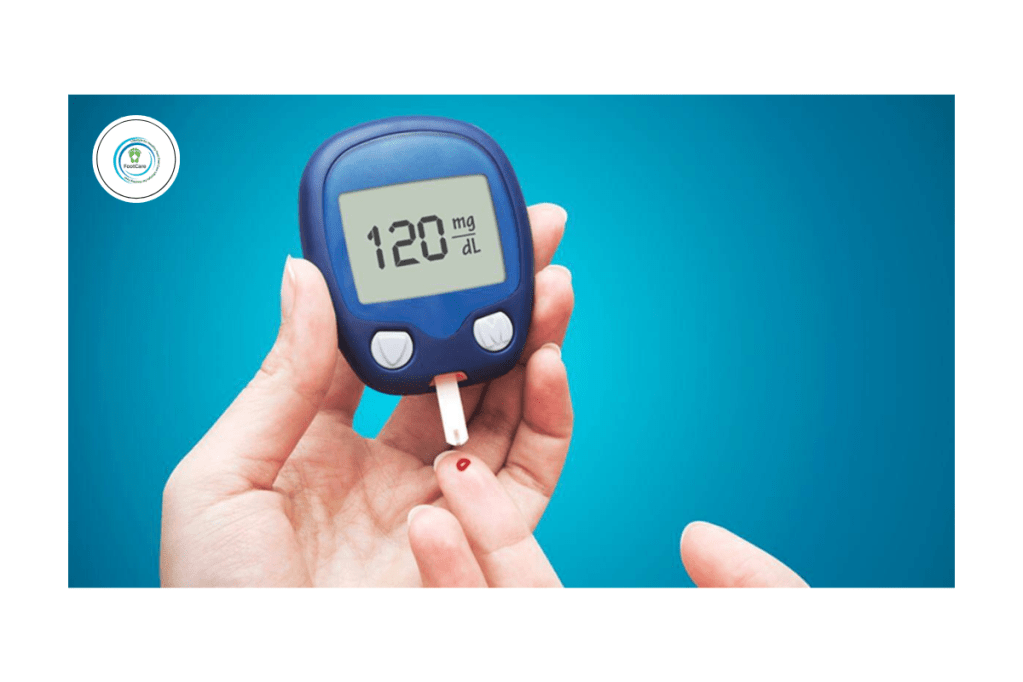
    Diabetes often leads to foot health complications, including neuropathy, poor circulation, and a higher risk of ulcers and infections. Stabilizing blood sugar levels is key to reducing these risks, and recent research highlights the role of low-carb diets in achieving this goal.

    Research Evidence

    A meta-analysis published in Nature (2017) demonstrated that low-carb diets significantly improved key metabolic markers, such as HbA1c and triglycerides. These changes not only contribute to better overall health but also reduce the likelihood of nerve damage and improve wound healing in diabetic patients. By addressing blood sugar control and reducing inflammation, low-carb diets provide a foundation for preventing common foot-related complications in diabetics. (Read the study)


    The Problem: How Diabetes Impacts Foot Health

    Diabetes significantly impacts foot health, often leading to complications such as neuropathy and ulcers. Many of these issues arise due to poor blood sugar control, inflammation, and metabolic imbalances, which damage nerves and blood vessels.

    Traditional treatments, such as calorie restriction combined with exercise and intensive medication regimens, have shown some benefits in managing insulin resistance and type 2 diabetes. However, evidence suggests these approaches do not always lead to long-term health improvements.

    The Limitations of Conventional Treatment

    While conventional treatments can help manage insulin resistance and type 2 diabetes, they often fail to address the root causes or lead to sustainable health improvements. At least seven randomized controlled trials (RCTs) have demonstrated that the majority of diabetes medications do not reduce the risk of cardiovascular disease—one of the leading causes of death in people with diabetes. This highlights the need for alternative dietary approaches that target both blood sugar control and overall metabolic health.


    The Solution: Evidence for Low-Carb and Keto Diets

    Benefits Demonstrated in Research

    Low-carb and ketogenic diets have emerged as effective alternatives for managing type 2 diabetes and supporting overall metabolic health. Several systematic reviews and meta-analyses of RCTs have highlighted their advantages. For example:

    1. A meta-analysis published in Nature in 2017 demonstrated that low-carb diets significantly reduced the need for medications and improved key metabolic markers, including HbA1c (glycated hemoglobin), HDL cholesterol, triglycerides, and blood pressure. The authors concluded: “Reducing carbohydrate intake in the diet may provide clinical improvements in managing type 2 diabetes.” (Read the study).
    2. Another systematic review published in BMJ Open Diabetes Research & Care found that low-carb diets effectively improved blood sugar control and reduced inflammation in people with diabetes. (Read the study)
    3. A study in PubMed further reinforced these findings, highlighting reductions in insulin resistance and improved overall metabolic outcomes. (Read the study)

    Why Low-Carb and Keto Work for Diabetic Foot Health

    Improved blood sugar control achieved through low-carb and keto diets plays a pivotal role in protecting foot health. High blood sugar levels damage blood vessels and nerves, leading to conditions such as neuropathy and poor wound healing. By stabilizing glucose levels and reducing insulin resistance, low-carb diets help mitigate these risks. Additionally, the anti-inflammatory effects of these diets promote better circulation, allowing oxygen and nutrients to reach the extremities, which is crucial for healing and maintaining healthy feet.


    Practical Tips for Incorporating Low-Carb and Keto Diets

    1. Focus on Low-Carb Alternatives: Replace refined carbohydrates with non-starchy vegetables like broccoli, spinach, and zucchini.
    2. Incorporate Healthy Fats: Add avocados, nuts, seeds, and olive oil to your meals to support energy levels and satiety.
    3. Monitor Your Progress: Regularly check blood sugar levels and consult your healthcare provider to adjust medications as needed.
    4. Stay Consistent: Long-term adherence to a low-carb or keto diet is essential for maintaining its metabolic benefits.

    Conclusion

    Low-carb and ketogenic diets have demonstrated significant advantages in managing type 2 diabetes, which in turn supports better foot health by reducing inflammation, stabilizing blood sugar, and improving circulation. While conventional treatments play a role, research shows that dietary interventions can provide clinically meaningful improvements. As always, consult your healthcare provider before making major dietary changes to ensure they align with your individual health needs.

    Leave a comment