Tag: feet

  • Fascinating Facts About Modern Nutrition and Foot Health

    In the fast-evolving world of health and wellness, many intriguing connections between diet and foot health have come to light. While we often focus on visible signs of health, our feet provide unique insights into our overall well-being. Below are some modern discoveries and lesser-known facts about how nutrition impacts foot health:

    1. The Microbiome Connection

    Research has shown that the health of our gut microbiome the collection of microorganisms in our digestive tract is linked to inflammation throughout the body, including in the feet. A balanced microbiome can:

    • Reduce swelling in joints.
    • Improve circulation to extremities.
    • Enhance recovery from injuries.

    Tip: Include fermented foods like yogurt, kefir, sauerkraut, and kimchi in your diet to support a healthy microbiome.

    2. Intermittent Fasting for Better Circulation

    Intermittent fasting (e.g., the 16:8 method) is becoming popular for its potential to boost circulation. Better blood flow can prevent common foot issues like swelling and varicose veins.

    Fact: Studies suggest that fasting periods trigger autophagy, a process where the body removes damaged cells, promoting healthier tissues and potentially reducing inflammation in the feet.

    3. Vitamin K2: The Unsung Hero

    Vitamin K2 directs calcium to where it’s needed your bones and away from soft tissues, preventing calcification. This is vital for foot health because calcification in the feet can reduce mobility and increase discomfort.

    Sources: Fermented foods, hard cheeses, egg yolks, and liver.

    4. Anti-Inflammatory Diets and Pain Relief

    Foot pain from conditions like plantar fasciitis or arthritis may be alleviated by adopting an anti-inflammatory diet. Foods rich in antioxidants and omega-3 fatty acids help combat inflammation.

    Include:

    • Fatty fish like salmon and mackerel.
    • Colorful fruits and vegetables (berries, spinach, carrots).
    • Spices like turmeric and ginger.

    5. Dehydration and Cramping

    Foot cramps often signal dehydration or an imbalance of electrolytes. Staying hydrated and maintaining potassium and magnesium levels can prevent this.

    Quick Fix: Snack on bananas, avocados, or a handful of nuts to keep cramps at bay.

    6. Keto Diet and Diabetes Management

    For individuals managing diabetes, ketogenic diets have gained attention for improving blood sugar levels and reducing the risk of diabetic neuropathy in the feet. However, it’s crucial to follow such diets under medical supervision to ensure balanced nutrition.

    7. The Role of Collagen in Skin Health

    Collagen supplements and collagen-rich foods are known for their role in skin elasticity and repair. This benefit extends to foot care, aiding in the prevention of cracks and dryness.

    Try: Bone broth, fish, and citrus fruits for natural collagen production.

    8. Green Tea and Circulation Boost

    Packed with antioxidants, green tea supports better blood flow, which is crucial for foot health. Improved circulation helps reduce swelling and accelerates healing of minor injuries.

    9. Alkaline Diets for Gout Prevention

    Gout, a painful condition often affecting the feet, can be managed through an alkaline diet. Foods like cucumbers, leafy greens, and watermelon help neutralize uric acid levels, reducing flare-ups.

    10. Sugar and Fungal Infections

    High sugar consumption can exacerbate fungal infections like athlete’s foot. Cutting down on refined sugars may improve the skin’s ability to resist such infections.

    Final Thoughts

    Modern research continues to unveil how closely diet is tied to the health of our feet. By making mindful food choices, you can support not only your overall well-being but also the strength, mobility, and comfort of your feet. They may be at the bottom of your body, but they should always be a top priority!

  • Ingrown Toenails – Causes, Symptoms, and Modern Solutions

    Ingrown toenails are a common problem affecting millions of people worldwide. They can cause pain, inflammation, and difficulty in daily activities. Fortunately, effective and safe treatment methods exist that avoid invasive procedures. One such method is the VHO brace – an innovative solution that provides relief and improves quality of life.


    Why Do Toenails Become Ingrown?

    An ingrown toenail occurs when the edge of the nail grows into the surrounding skin, causing discomfort and pain. This condition can have various causes, including:

    • Improper nail trimming – Cutting nails too short or rounding the edges increases the risk of ingrown toenails
    • Tight footwear – Shoes that squeeze the toes put pressure on the nail plate.
    • Mechanical injuries – Trauma or injury can alter the nail’s growth direction.
    • Genetic factors – People with naturally curved nails are more prone to this issue.
    • Chronic conditions – Diseases such as diabetes or poor circulation can weaken the skin and nails, increasing susceptibility.

    Symptoms of Ingrown Toenails

    Signs that you may have an ingrown toenail include:

    • Pain and tenderness along the edge of the nail,
    • Redness and swelling,
    • In advanced cases, infection with pus discharge.

    If you notice these symptoms, it’s important to address the problem early to prevent worsening.


    VHO Brace – A Modern and Safe Solution

    The VHO brace is an effective alternative to surgical nail removal. It’s an orthonyxial method that corrects the nail’s growth direction while relieving pressure on the skin.

    How Does the VHO Brace Work?

    • A specially designed wire brace is custom-fitted to the shape of the nail.
    • Once applied, it gently lifts the nail edges, reducing pressure on the surrounding skin.
    • Gradual correction ensures the nail grows in the proper direction over time.

    Benefits of the VHO Brace

    • Pain-Free – The procedure is comfortable and doesn’t require anesthesia.
    • No Surgery Needed – Avoids the need for painful nail removal.
    • Effective – Regular monitoring and use of the brace ensure lasting results.
    • Universal Application – Suitable for people of all ages.
    • Aesthetic – The brace is nearly invisible and doesn’t interfere with daily life.

    How to Prevent Ingrown Toenails

    Here are a few simple tips to help you avoid ingrown toenails:

    1. Trim your nails straight across without rounding the edges.
    2. Avoid tight shoes – opt for footwear with a wide toe box.
    3. Maintain good foot hygiene and moisturize your skin regularly.
    4. Monitor for early symptoms and address them promptly.
    5. Consult a podiatrist if you notice any unusual changes.

    Ingrown toenails can be effectively treated with modern methods like the VHO brace. This innovative technique corrects the nail’s growth direction, providing relief and comfort without the need for surgical intervention.

    If you have questions about ingrown toenails or other foot health concerns, feel free to reach out through my Facebook page. Taking care of your feet regularly is the key to their health and your everyday comfort.

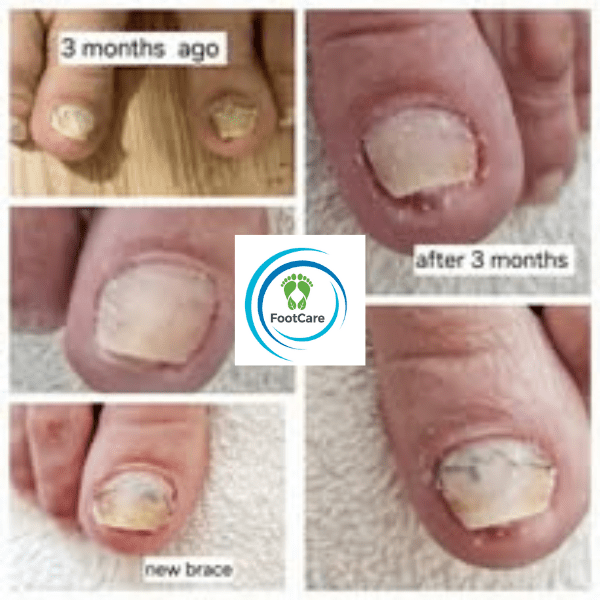
    Photo 1: Ingrown Toenail – Correction with Orthonyxic Brace


    This photo showcases the treatment of an ingrown toenail using an orthonyxic brace. The initial image shows an acute inflammatory condition around the nail. The treatment process required wearing the brace for 6 months to achieve a fully healed and corrected nail.

    Why is this important?
    Ingrown toenails are a common issue that can cause pain, infections, and significant discomfort in daily life. Brace correction is an effective alternative to surgical procedures, offering a gradual and non-invasive solution for restoring the nail’s natural shape and health.

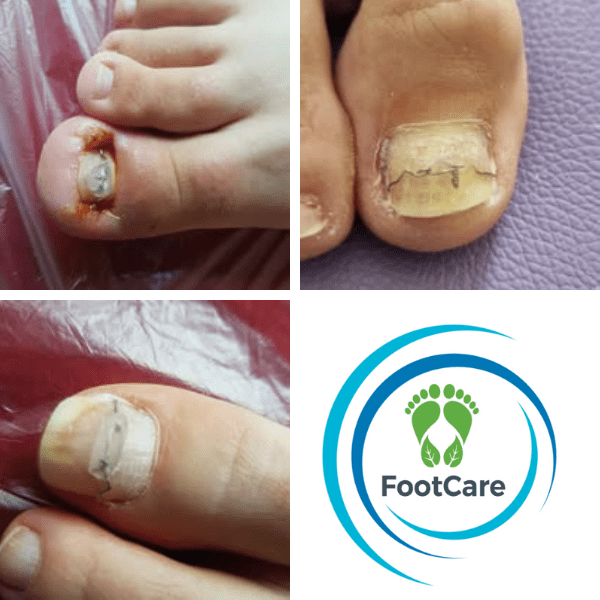
    Photo 2: Nail Correction Results After 3 Month


    This photo illustrates the process of nail correction for a client with an ingrown toenail. The first image documents the condition before treatment, while the last image highlights the results after three months of therapy. Thanks to the orthonyxic brace, the nail regained its proper shape, and the surrounding tissue healed completely.

    Client Benefits:

    • Relief from pain and discomfort
    • Restored aesthetic appearance of the nail
    • Avoidance of surgical intervention

    How to Effectively Manage Ingrown Toenails?

    Ingrown toenails are a common issue affecting people of all ages. They can result from improper nail trimming, wearing tight shoes, or underlying health conditions like diabetes. In the photos above, you can see the results of my work using orthonyxic braces, which:

    • Provide pain relief from the first application
    • Gradually restore the natural shape of the nail
    • Are safe for elderly and diabetic individuals

    If you’re struggling with a similar issue, feel free to reach out. At my clinic in Dudley, I offer professional treatments with the highest standards of hygiene and safety. Whether you need ingrown toenail correction or general foot care, I am here to help you get back on your feet comfortably.

  • The Impact of Obesity on Foot Health and Circulation

    Obesity is a growing health concern that affects not only overall well-being but also the health of our feet and circulatory system. As the foundation of our body, feet play a crucial role in daily activities, bearing the entire weight of the body. Excess weight places additional pressure on the feet and impairs circulation, leading to a range of health issues that significantly impact quality of life.

    How Obesity Affects Foot Health and Circulation

    1. Pain and Overload
      Excess body weight places added pressure on the feet, leading to strain on joints, ligaments, and tendons. Chronic pain, particularly in the heels (e.g., heel spurs) and arches, is common.
    2. Swelling (Edema)
      People with obesity are prone to fluid retention in the lower extremities, including feet and ankles. Excess weight compresses blood vessels and lymphatic pathways, making it difficult to drain fluids effectively.
    3. Impaired Circulation
      Obesity increases pressure on blood vessels, particularly in the legs, reducing blood flow. This can lead to varicose veins, heaviness in the legs, and an elevated risk of blood clots.
    4. Flat Feet and Structural Problems
      Obesity weakens the muscles and ligaments supporting the foot arch, leading to its collapse and flat feet. This can exacerbate pain and mobility issues.
    5. Skin Problems
      Increased weight leads to greater friction and pressure on the feet, resulting in calluses, corns, and cracked heels. Excessive sweating creates an environment for fungal and bacterial infections.
    6. Type 2 Diabetes and Diabetic Foot Complications
      Obesity significantly raises the risk of type 2 diabetes, which can lead to poor circulation and nerve damage in the feet. Wounds heal slower, and infections are more severe.
    7. Arthritis and Joint Strain
      Obesity places additional strain on foot and ankle joints, accelerating the development of osteoarthritis and other joint issues.

    How to Manage Foot Health and Improve Circulation

    • Weight Reduction
      Losing even a small amount of weight reduces pressure on the feet and improves circulation.
    • Physical Activity
      Light exercises, such as walking or swimming, help improve circulation and reduce swelling.
    • Dietary Changes
      Limiting salt intake and eating more fiber and vegetables can reduce water retention and improve vascular health.
    • Elevating Legs
      Resting with legs elevated promotes blood flow and reduces swelling in the feet and ankles.
    • Compression Socks
      Wearing compression socks supports blood flow and helps prevent swelling and fluid retention.
    • Comfortable Footwear
      Wearing well-fitted shoes with proper arch support minimizes strain and enhances mobility.
    • Regular Foot Care
      Daily foot care, including moisturizing and checking for skin changes, prevents complications like infections and cracks.
    • Consult a Specialist
      Regular visits to a Foot Health Practitioner or podiatrist can help identify and address problems early.

    Obesity’s impact on foot health and circulation highlights the importance of a proactive approach to self-care and lifestyle changes. Taking steps to improve your foot health not only enhances mobility and comfort but also contributes to better overall health.

    Visit our blog for more tips on foot health and a healthy lifestyle. If you need professional assistance, contact us for a range of foot care and advisory services tailored to your needs.

    ➡️ Join our Facebook Group: Foot Health Care
    ➡️ Learn more: www.LifestyleForHealthyFeet.co.uk

    Your feet are your foundation – take care of them! 👣