Tag: fitness

  • “95% of Nutrition Experts Have Ties to Industry” – What Nina Teicholz Discovered About Your Diet

    For decades, we were told: Fat is bad, especially saturated fat. Choose margarine, eat whole grains, avoid red meat.
    But what if this advice wasn’t based on science… but on politics, money, and industry influence?

    In her eye-opening book The Big Fat Surprise, investigative journalist Nina Teicholz reveals the hidden forces that shaped official dietary guidelines, and how they’ve contributed to chronic illness, obesity, and confusion about what’s truly healthy.


    🧠 How Fat Became Public Enemy #1

    The origins of the anti-fat movement can be traced to the 1950s, when American scientist Ancel Keys introduced the lipid hypothesis – the idea that saturated fat raises cholesterol, leading to heart disease.

    However, as Teicholz shows in her research, Keys cherry-picked his data, excluding countries that contradicted his theory. From a total of 22 countries, he only presented data from 6 – those that fit his narrative.

    Despite the lack of strong scientific support, Keys’ theory gained traction thanks to political pressure, media support, and industry backing. Soon, butter, eggs, and meat were demonized, while low-fat, high-carb foods were promoted worldwide.


    💼 Who Writes Our Dietary Guidelines?

    Teicholz reveals a disturbing fact: 95% of experts involved in writing government nutrition guidelines have financial ties to the food or pharmaceutical industry.
    This means that public health policies are often shaped by corporate interests, not by unbiased science.

    For example, the American Heart Association (AHA) was a small, unknown organization in the 1940s – until it received a massive $1.7 million donation from Procter & Gamble, the manufacturer of Crisco vegetable shortening.
    Soon after, the AHA began recommending vegetable oils and margarine over butter or lard, pushing millions of people to switch to processed fats.


    🧬 Are Saturated Fats Really Harmful?

    Contrary to what we’ve been told, modern research (many studies reviewed in Teicholz’s book) fails to show a clear link between saturated fat and heart disease. In fact:

    • Saturated fats are more chemically stable and less likely to oxidize than vegetable oils.
    • They are essential for brain health, hormone production, and cell membrane integrity.
    • They help absorb fat-soluble vitamins A, D, E, and K – crucial for immune and metabolic health.

    Teicholz argues that saturated fats have been unfairly blamed, while refined carbs, processed seed oils, and sugar escaped scrutiny.


    🌱 Veganism – Free Choice or Corporate Narrative?

    The push for plant-based diets may seem modern and ethical, but Teicholz cautions that it’s often driven by ideological agendas and corporate profits.

    Many companies now profit from ultra-processed vegan products, lab-grown meat, and synthetic supplements, often promoted under the guise of “sustainability” or “health.”
    Yet, long-term studies on strict vegan diets are lacking, and nutritional deficiencies are a real risk, especially for children, pregnant women, and the elderly.


    📚 Key Takeaways from The Big Fat Surprise

    ✅ Saturated fats like butter, eggs, and red meat are not harmful – and may even be protective.
    ✅ Highly refined vegetable oils (like soybean, corn, or sunflower oil) may pose health risks.
    ✅ Official dietary guidelines are often influenced by corporate interests, not neutral science.
    ✅ Returning to traditional foods – unprocessed and nutrient-dense – is a safer, more natural path.
    ✅ We must demand transparency and independence in nutritional science.


    🗣 Who Do You Trust?

    Thanks to Nina Teicholz’s decade-long investigation, we now understand how flawed – and even dangerous – many official dietary recommendations have been.
    If we want to live healthier, longer lives, we need to reclaim our food choices from corporate control and go back to real food, informed by real science.


    📖 Recommended Resources:

    • The Big Fat Surprise – Nina Teicholz
    • Podcasts with Nina Teicholz (e.g. Dr. Mark Hyman’s The Doctor’s Farmacy)
    • Documentaries: Fat Fiction, The Magic Pill
  • Animal vs. Plant Proteins – Are We Ignoring the Whole Truth?

    In recent years, plant-based diets have gained massive popularity, often promoted as healthier, more ethical, and environmentally friendly alternatives to diets rich in animal products. But are plant proteins really superior to animal proteins when it comes to supporting the human body?

    A critical review by Polish researchers Prof. Grażyna Cichosz and Dr. Hanna Czeczot challenges the widespread assumption that plant proteins are always the better choice. Their 2013 article titled “Controversies around diet proteins” dives into the biological, nutritional, and metabolic implications of replacing animal proteins with plant-based alternatives.


    🧬 Protein Quality: Not All Sources Are Equal

    Proteins are made up of amino acids, nine of which are essential—meaning the human body cannot synthesize them and must obtain them from food.

    • Animal proteins (from meat, dairy, eggs, and fish) contain all essential amino acids in optimal proportions for human physiology.
    • Plant proteins often lack one or more essential amino acids, such as methionine, lysine, or tryptophan.

    The authors emphasize the vital role of sulfur-containing amino acids (like methionine and cysteine) found predominantly in animal proteins. These amino acids are essential for:

    • Glutathione production (a key antioxidant in cellular defense)
    • Liver detoxification
    • Collagen formation
    • Brain development and neurotransmitter balance

    🌱 The Risks of Over-Relying on Plant Proteins

    While plant proteins can be part of a healthy diet, replacing animal proteins entirely—especially in vulnerable populations—may lead to unintended consequences:

    1. Nutrient Deficiencies
      Plant-based proteins often come with lower bioavailability of nutrients such as vitamin B12, iron, zinc, and omega-3 fatty acids (EPA/DHA), which are abundant in animal-based sources.
    2. Imbalanced Amino Acid Profile
      Relying heavily on cereals, legumes, or soy products can result in deficiencies of key amino acids, potentially affecting muscle maintenance, immune function, and neurological health.
    3. Digestive Issues
      Some plant-based proteins contain anti-nutrients (e.g., phytic acid, lectins, oxalates), which may hinder the absorption of minerals and irritate the digestive tract.

    🥩 Animal Proteins – Still Essential?

    Cichosz and Czeczot argue that animal-derived proteins remain irreplaceable in the human diet, particularly for:

    • Children and adolescents during growth
    • Pregnant and lactating women
    • Elderly people, who are at greater risk of sarcopenia (muscle loss)
    • People recovering from illness or injury

    They also warn against politicizing nutrition and allowing economic or ideological motivations to override scientific facts about human physiology.


    🌿 So Should We Avoid Plant Proteins?

    Not at all.

    Plant proteins (from beans, lentils, nuts, seeds, and whole grains) offer fiber, phytochemicals, and lower saturated fat, contributing to a healthy cardiovascular profile. However, they should complement—not replace—animal proteins, especially in diets aiming for complete amino acid coverage.


    🔍 Final Takeaway

    The debate over plant vs. animal proteins is not black and white. As Cichosz and Czeczot highlight, the human body thrives on high-quality, bioavailable proteins, and animal proteins remain the gold standard in this regard.

    Before making sweeping dietary changes, especially under the influence of popular trends, we should ask:

    ❝Is this choice supported by biology—or just by marketing?❞


    📚 Reference

    Cichosz, G., & Czeczot, H. (2013). Controversies around diet proteins. Polski Merkuriusz Lekarski, 35(210), 397–401. PMID: 24490473


  • Chilblains – Causes, Symptoms, and Effective Treatment

    What Are Chilblains?

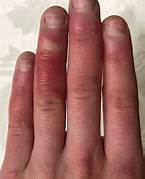
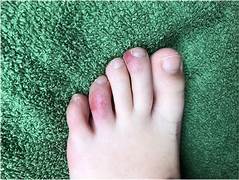
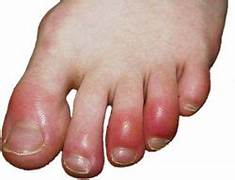
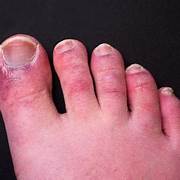
    Chilblains, also known as pernio, are painful, itchy swellings that occur on the skin due to exposure to cold and damp conditions. They result from poor circulation and abnormal reaction of blood vessels to cold temperatures, leading to inflammation in the affected areas. Chilblains typically appear on the toes, fingers, ears, and nose and are more common in people with poor circulation or underlying health conditions such as Raynaud’s phenomenon.

    Although chilblains are not usually serious, they can be uncomfortable and, if left untreated, may lead to complications such as blisters, skin ulcers, or infections. Understanding the causes, symptoms, and prevention methods can help minimize their occurrence and discomfort.


    What Causes Chilblains?

    Chilblains develop when the skin is exposed to cold temperatures, causing the small blood vessels to constrict. When the skin warms up too quickly, blood flow returns rapidly, leading to leakage of blood into surrounding tissues and inflammation. This results in redness, swelling, and discomfort.

    Risk Factors for Chilblains:

    Cold and damp weather – sudden exposure to low temperatures or fluctuating weather conditions.
    Poor circulation – conditions like Raynaud’s disease increase susceptibility.
    Autoimmune disorders – diseases like lupus can contribute to chilblain formation.
    Tight footwear – restricts blood flow and increases the risk of developing chilblains.
    Smoking – nicotine constricts blood vessels, making chilblains more likely.
    Low body weight – people with less body fat have reduced insulation against the cold.


    Symptoms of Chilblains

    Chilblains typically appear within a few hours of cold exposure and cause the following symptoms:

    Red, purple, or blue discoloration of the skin
    Itching, burning, or tingling sensation
    Swelling and tenderness in the affected area
    Dry, cracked skin, sometimes with small blisters
    In severe cases, ulcers or infections may develop

    Chilblains usually last for one to three weeks, but if they persist or become infected, medical attention is necessary.


    How to Treat Chilblains?

    Although chilblains usually heal on their own, proper care can speed up recovery and prevent complications.

    Home Treatment for Chilblains:

    Gradual warming of the affected area – avoid sudden heat exposure; instead, warm up gradually with wool socks, gloves, or warm (not hot) water.
    Moisturize the skin – apply fragrance-free creams or lanolin-based products to prevent dryness and cracking.
    Keep skin dry and warm – wear insulating clothing and breathable socks.
    Avoid scratching – scratching worsens irritation and may lead to infections.
    Elevate the affected area – this helps reduce swelling.

    Medical Treatment for Chilblains:

    If chilblains become severe or recurrent, a doctor may recommend:
    Nifedipine (vasodilator medication) – improves circulation by relaxing blood vessels.
    Topical steroids – help reduce inflammation and discomfort.
    Antibiotics – prescribed in case of secondary infections.


    Prevention of Chilblains

    To minimize the risk of chilblains, follow these preventive measures:

    Dress warmly in cold weather – wear thick socks, insulated gloves, and proper footwear.
    Layer clothing – use thermal layers to maintain body temperature.
    Keep feet dry – moisture can exacerbate chilblains, so change socks regularly.
    Exercise regularly – improves circulation and reduces the likelihood of chilblains.
    Avoid rapid temperature changes – allow the body to warm up gradually after cold exposure.
    Use moisturizers – protect the skin from drying out and cracking.


    When to See a Doctor?

    Consult a healthcare professional if:
    ✔ Chilblains last longer than three weeks or worsen.
    ✔ You notice blisters, ulcers, or signs of infection (redness, pus, severe pain).
    ✔ You experience recurring chilblains, as they may indicate an underlying circulatory problem.


    Conclusion

    Chilblains can be an uncomfortable reaction to cold exposure, but with proper prevention, care, and treatment, their effects can be minimized. Keeping feet warm, improving circulation, and avoiding rapid temperature changes are key strategies in managing chilblains.

    If you frequently suffer from chilblains, consider visiting a Foot Health Practitioner for professional foot care and personalized recommendations. Your feet deserve the best care, so don’t ignore the early signs of circulation problems! 🦶❄️

  • Why You Should Take Care of Your Feet and Visit a Foot Health Practitioner Regularly

    Our feet are the foundation of our body – they support us every day, allowing us to walk, run, and perform daily activities. Yet, they are often the most neglected part of our body. Many people only pay attention to their feet when they experience pain or discomfort, forgetting that foot problems can be an early sign of serious health conditions. Regular foot care and visits to specialists, such as Foot Health Practitioners, can prevent complications and improve overall well-being.


    1. Why Are Feet So Important?

    On average, a person takes 8,000–10,000 steps per day, which amounts to walking around the world several times in a lifetime! This constant strain can lead to various foot problems if we don’t take proper care of them.

    Feet are also a reflection of overall health. They can reveal early signs of diabetes, circulation issues, and even arthritis. Regular foot check-ups help in detecting and preventing serious conditions before they become major problems.


    2. Common Foot Problems

    Without proper care, minor foot discomfort can develop into painful and disabling conditions. Some of the most common foot issues include:

    Corns and calluses – thickened skin caused by friction and pressure, leading to pain while walking.
    Ingrown toenails – a painful condition that can cause inflammation and infections.
    Cracked heels – deep fissures that can lead to infections.
    Fungal infections (athlete’s foot, nail fungus) – common among people who wear non-breathable shoes.
    Diabetic foot ulcers – serious wounds in diabetics that may require amputation if left untreated.
    Poor circulation – symptoms include cold feet, swelling, and pain while walking.


    3. Why Visit a Foot Health Practitioner?

    Many people believe that foot care is limited to home treatments and wearing comfortable shoes. While these habits are essential, regular visits to a Foot Health Practitioner can prevent serious problems and improve quality of life.

    What Can a Foot Health Practitioner Do for You?

    Early diagnosis and prevention – detecting foot issues before they worsen.
    Treatment of common foot conditions – removal of corns, treatment of ingrown toenails, cracked heels, and fungal infections.
    Professional foot care and hygiene – procedures that cannot be done at home.
    Custom footwear and orthotic recommendations – guidance on the best shoes and insoles for your needs.
    Specialized care for diabetics and people with circulatory problems – personalized foot care to prevent serious complications.


    4. How Often Should You See a Foot Specialist?

    Healthy individuals – at least once a year for routine check-ups.
    Diabetics, people with circulation issues, or arthritis – every 3–6 months to prevent complications.
    Individuals with recurrent foot problems (ingrown nails, corns, cracked heels) – every 6–8 weeks, as recommended by a specialist.


    5. Healthy Feet = Better Quality of Life

    Foot pain, discomfort, and chronic conditions can greatly affect mobility and overall well-being. Regular visits to a Foot Health Practitioner, combined with proper foot care, can prevent serious issues and help maintain mobility and comfort for years to come.

    Don’t wait until problems arise – start taking care of your feet today!

  • The Impact of Chronic Diseases on Foot Health: How Diabetes, Arthritis, and Cardiovascular Diseases Affect the Feet and How to Prevent Complications

    Foot health is closely linked to overall well-being, and chronic conditions such as diabetes, arthritis, and cardiovascular diseases can significantly impact the feet. Without proper care and prevention, these conditions can lead to severe complications, including pain, mobility issues, infections, and even amputations. In this article, we will explore how these diseases affect foot health and discuss effective preventive measures.


    1. Diabetes and Its Impact on Foot Health

    Diabetic Neuropathy and Loss of Sensation

    One of the most common complications of diabetes is diabetic neuropathy, which damages nerves and causes a loss of sensation in the feet. As a result, people with diabetes may not feel cuts, burns, or injuries, increasing the risk of infections and slow-healing wounds.

    Diabetic Foot Syndrome and Infections

    Prolonged high blood sugar levels can impair circulation in the lower limbs, leading to diabetic foot ulcers—open sores that are slow to heal and prone to infections. In severe cases, untreated wounds can lead to amputation.

    Prevention Strategies

    Daily foot inspections – check feet for cuts, blisters, and wounds.
    Moisturize regularly – keep the skin hydrated to prevent cracks.
    Wear proper footwear – avoid tight, rubbing, or ill-fitting shoes.
    Control blood sugar levels – maintain stable glucose levels to improve circulation.
    Regular check-ups – visit a podiatrist or diabetes specialist for routine assessments.


    2. Arthritis and Its Impact on Foot Health

    Pain, Stiffness, and Deformities

    Arthritis refers to various inflammatory joint diseases that cause chronic pain, stiffness, and deformities in the feet. This can severely limit mobility and reduce the quality of life.

    Gout – A Specific Form of Arthritis

    Gout is a type of arthritis caused by uric acid crystal buildup in the joints, leading to sudden and intense pain, redness, and swelling—often in the big toe.

    Prevention Strategies

    Anti-inflammatory diet – reduce red meat, alcohol, and sugar intake.
    Regular exercise – keep joints flexible and strong.
    Wear supportive footwear – choose well-cushioned shoes that support the natural foot arch.
    Physical therapy – exercises and massages to maintain joint mobility.
    Medications – anti-inflammatory drugs and uric acid-lowering treatments.


    3. Cardiovascular Diseases and Their Impact on Feet

    Circulatory Issues and Swelling

    Cardiovascular diseases, such as atherosclerosis, hypertension, and chronic venous insufficiency, can impair blood circulation to the feet, causing:
    ✔ Cold, pale feet,
    ✔ Swelling, especially around the ankles,
    ✔ Pain while walking (claudication).

    Varicose Veins and Blood Clots

    People with venous insufficiency are prone to varicose veins, which can lead to deep vein thrombosis (DVT)—a condition that may cause dangerous blood clots.

    Prevention Strategies

    Regular physical activity – walking, swimming, and leg exercises to improve circulation.
    Avoid prolonged sitting or standing – move frequently to prevent blood pooling.
    Elevate the legs – rest with feet raised to reduce swelling.
    Skin care routines – prevent venous ulcers by keeping the skin hydrated.
    Compression stockings – support proper blood circulation.


    Conclusion

    Chronic diseases such as diabetes, arthritis, and cardiovascular conditions have a major impact on foot health. If left untreated, they can lead to pain, deformities, infections, and, in severe cases, amputations. Early detection, proper foot care, and regular medical check-ups are crucial for preventing complications.

    By adopting a healthy lifestyle—including a balanced diet, physical activity, and proper foot hygiene—you can maintain strong, pain-free feet and enjoy greater mobility for years to come.

  • Dehydration and Foot Health – Are You Drinking Enough Water?

    Water is an essential component for proper body function, but its role in foot health is often overlooked. Proper hydration affects skin condition, ligament flexibility, muscle function, and circulation. A lack of hydration can lead to serious issues such as dry skin, swelling, and foot pain. However, drinking plain water alone may not be enough – what matters is how we hydrate and what we drink to maximize absorption.


    The Role of Hydration in the Body

    Water plays multiple vital roles in maintaining health:

    💧 Nutrient transportation – delivers minerals and vitamins to cells.
    💧 Regulates body temperature – prevents overheating through sweating.
    💧 Supports joint and muscle function – hydrates connective tissues and reduces the risk of injury.
    💧 Prevents dry skin – maintains elasticity and moisture.

    Inadequate hydration can weaken blood circulation in the lower limbs, leading to heavy legs, swelling, and an increased risk of cracked skin on the feet.


    What to Drink for Effective Hydration?

    Contrary to popular belief, plain water alone does not always hydrate the body effectively. The body needs electrolytes to absorb fluids efficiently and maintain water-mineral balance.

    🔹 Best Drinks for Hydration:

    Water with lemon – a natural electrolyte that improves hydration and provides vitamin C.
    Water with a pinch of Himalayan salt – contains essential minerals like magnesium, potassium, and sodium that aid hydration.
    Coconut water – rich in natural electrolytes, supports hydration, and replenishes potassium levels.
    Herbal teas (mint, chamomile, nettle) – caffeine-free and provide anti-inflammatory benefits.
    Bone broth – an excellent source of minerals and collagen, supporting skin, joint, and muscle health.

    🔹 Drinks to Avoid:

    Sugary soft drinks – loaded with sugar and artificial additives, which actually dehydrate the body.
    Bottled fruit juices – most contain added sugar and preservatives, lacking the nutrients of freshly squeezed juices.
    Energy drinks – high in caffeine and artificial stimulants, which deplete minerals and lead to dehydration.
    Excess coffee and alcohol – act as diuretics, causing faster water loss.

    🔹 How to Hydrate Properly?

    🔄 Avoid drinking large amounts of water all at once – sip small amounts throughout the day.
    🧂 Add a pinch of salt – helps retain fluids and prevents the loss of essential minerals.
    🍋 Drink lemon water – one of the best natural hydration solutions.
    🥒 Eat hydrating foods – cucumbers, watermelon, oranges, and celery help maintain hydration.


    Dehydration and Foot Health – How to Recognize It?

    If you don’t drink enough water, your feet may show the first signs of dehydration:

    Dry, cracked skin – especially on the heels, which can lead to painful fissures.
    Swelling and puffiness – ironically, dehydration can cause the body to retain fluids.
    Muscle cramps and foot pain – electrolyte deficiencies (especially magnesium and potassium) increase the risk of painful cramps.
    Poor circulation – dehydration thickens the blood, making it harder for it to reach the lower limbs.


    Conclusion

    Proper hydration is essential for foot health and overall well-being. To effectively hydrate the skin, support muscles, and prevent swelling, remember that water alone is not enough – the best results come from adding lemon, Himalayan salt, or natural electrolytes to your drinks.

    🚰 The best choice? Water with lemon! It not only hydrates but also provides essential vitamins and minerals.

    Avoid sugary drinks, bottled juices, and sodas, which dehydrate the body rather than hydrating it. Drinking balanced fluids regularly will improve your foot health, prevent dry skin, and support overall body regeneration.

    💬 Do you pay attention to what you drink?

  • The Best Exercises for Healthy Feet – How to Strengthen Muscles and Improve Circulation?

    Our feet are the foundation of our body – they support our weight, enable movement, and maintain balance. Unfortunately, we often neglect their care and strengthening. Weak foot muscles and poor circulation can lead to pain, fatigue, swelling, flat feet, and even serious conditions like bunions or plantar fasciitis.

    How can we prevent these issues? Regular foot exercises help strengthen muscles, improve flexibility, and boost circulation. Here are the best exercises to include in your daily routine!


    Why Should You Strengthen Your Feet?

    Better stability and balance – strong feet help prevent falls and improve body control.
    Reduced pain and tension – proper exercises can relieve foot, heel, and ankle pain.
    Injury prevention – flexible and strong feet are less prone to sprains, strains, and fractures.
    Improved circulation – exercises enhance blood flow, reducing swelling and the risk of varicose veins.
    Support for people with diabetes – better circulation and stronger muscles help prevent diabetic foot complications.


    The Best Exercises for Healthy Feet

    The following exercises are divided into three categories: strengthening, flexibility, and circulation-boosting exercises. They can be done daily, either in the morning or evening.


    Strengthening Exercises for Foot Muscles

    1️⃣ Toe and Heel Raises
    🦶 Stand straight, lift all toes off the ground, then slowly lower them.
    🦵 You can also raise your heels and balance on your toes for a few seconds.
    🔄 Repeat 10-15 times.

    🔹 Benefits: Strengthens foot and calf muscles, improves stability.


    2️⃣ Picking Up Objects with Toes
    🦶 Place a small towel or balls (e.g., ping-pong balls) on the floor.
    👣 Try to pick them up using your toes.
    🔄 Repeat 10 times for each foot.

    🔹 Benefits: Strengthens toe muscles and improves coordination.


    3️⃣ Rolling a Ball Under the Foot
    🎾 Sit on a chair and place a small tennis ball under your foot.
    🔄 Roll the ball from your toes to your heel while applying slight pressure.
    Do this for 1-2 minutes per foot.

    🔹 Benefits: Relaxes the plantar fascia, helps with heel pain and plantar fasciitis.


    Flexibility Exercises

    4️⃣ Toe and Arch Stretch
    🦶 Sit and grab your toes with your hands.
    🦵 Gently pull them toward you to stretch the arch of your foot.
    Hold for 20 seconds, repeat 3 times per foot.

    🔹 Benefits: Improves range of motion, reduces foot tension.


    5️⃣ Towel Scrunch Exercise
    🦶 Sit on a chair, place a towel on the floor, and try to scrunch it toward you using your toes.
    🔄 Repeat 2-3 times per foot.

    🔹 Benefits: Strengthens foot arch muscles, helps prevent flat feet.


    Circulation-Boosting Exercises

    6️⃣ Ankle Rotations
    🦶 Sit comfortably and lift one foot off the ground.
    🔄 Rotate your foot in circular motions – 10 times clockwise, 10 times counterclockwise.
    🔄 Repeat with the other foot.

    🔹 Benefits: Improves blood circulation and ankle mobility.


    7️⃣ Walking on Toes and Heels
    👣 Walk a few steps on your toes, then switch to walking on your heels.
    🔄 Repeat 2-3 sets of 10 steps.

    🔹 Benefits: Improves balance and strengthens foot arches.


    8️⃣ Foot Massage and Toe Rubbing
    👋 After exercising, gently massage your foot, rubbing the heel, arch, and toes.
    💆 You can also try a warm foot bath with Epsom salt or a cold water rinse to stimulate circulation.

    🔹 Benefits: Relaxes muscles, improves blood flow, reduces foot fatigue.


    Regular foot exercises are essential for maintaining strong, healthy, and functional feet throughout life. When done daily, they can prevent pain, improve circulation, and strengthen muscles, which is especially beneficial for:

    People with a sedentary lifestyle
    Individuals with obesity or diabetes
    Those suffering from foot pain or swelling
    Athletes looking to avoid injuries

    Don’t neglect your feet – they carry you through life! If you experience chronic discomfort, consult a Foot Health Practitioner or podiatrist to receive professional guidance on foot care and exercises.

  • The Impact of Obesity on Foot Health – How to Reduce the Burden?

    Obesity is a serious health issue that affects the entire body, including the feet. Excess weight puts pressure on the joints, tendons, and bones, leading to pain, inflammation, and severe foot conditions. What are the consequences of obesity for foot health, and how can you reduce the strain? Here’s a comprehensive guide.


    How Does Obesity Affect Foot Health?

    People with overweight and obesity are at higher risk of developing various foot-related health problems, such as:

    Foot pain and joint overload – Excess weight puts significant pressure on the ankle and midfoot joints, leading to pain and reduced mobility.
    Flat feet – Extra weight weakens the arches of the feet, causing them to flatten and increasing the risk of foot deformities.
    Plantar fasciitis – Being overweight increases the likelihood of damaging the plantar fascia, leading to severe heel pain, especially in the morning.
    Calluses and corns – Increased pressure on the feet results in painful, hardened skin formations.
    Higher risk of injuries – Obesity puts additional stress on joints and muscles, making sprains, dislocations, and fractures more likely.
    Poor circulation – Excess body weight contributes to reduced blood flow in the lower limbs, leading to swelling, varicose veins, and slower wound healing.


    How to Reduce the Burden on Your Feet?

    1. Weight Reduction

    The most effective way to reduce foot strain is to gradually lose weight through:

    🍏 A low-carb or ketogenic diet – Reducing carbohydrate intake helps control weight and blood sugar levels, lowering inflammation and joint pain.
    🚶 Regular physical activity – Activities such as swimming, cycling, and walking help burn calories without overloading the feet.
    💦 Proper hydration – Drinking enough water supports metabolism and helps maintain a healthy weight.


    2. Choosing the Right Footwear

    👟 Shoes with good cushioning – They should provide proper arch support and absorb shock to reduce joint strain.
    👣 Avoiding high heels and stiff soles – These types of shoes increase pressure on the joints and can worsen foot problems.
    🧦 Wearing compression socks – These can help reduce swelling and improve circulation.


    3. Regular Foot Care

    🛁 Daily hygiene – Washing and thoroughly drying the feet prevents bacterial and fungal infections.
    🦶 Moisturizing the skin – Using creams with urea helps prevent cracked heels and dryness.
    🔍 Regular foot inspection – People with obesity and diabetes should check their feet regularly for cuts, blisters, or skin changes.


    4. Foot-Strengthening Exercises

    To improve mobility and reduce pain, try simple foot exercises:

    Toe exercises – Picking up small objects with your toes improves strength and flexibility.
    Rolling a tennis ball under your foot – Helps release tension in the plantar fascia and reduces heel pain.
    Heel and toe lifts – Strengthens foot muscles and improves balance.


    Obesity has a significant impact on foot health, causing pain, joint strain, and an increased risk of injuries. The best way to reduce foot burden is through weight loss, a proper diet, choosing the right footwear, regular foot care, and strengthening exercises.

    🔹 Take care of your feet – they carry you through life! If you experience persistent pain or foot problems, consult a Foot Health Practitioner or podiatrist for professional help.

  • How to Take Care of Your Feet with Diabetes? A Guide for Diabetics

    Diabetes is a condition that affects the entire body, and one of its most common and serious complications is diabetic neuropathy and diabetic foot syndrome. People with diabetes must take special care of their feet, as even minor injuries can lead to serious infections and complications. In this guide, you will find practical tips on how to properly care for your feet and avoid health issues.


    Why Do Diabetics Need to Pay Special Attention to Their Feet?

    People with diabetes are at higher risk of:
    Diabetic neuropathy – nerve damage leading to reduced sensation in the feet, making it easier to overlook injuries.
    Circulatory problems – diabetes worsens blood flow, making wound healing more difficult and increasing the risk of infections.
    Fungal and bacterial infections – weakened skin immunity makes even small wounds prone to serious infections.

    Remember: Even minor injuries can become dangerous. That’s why prevention and daily foot care are essential!


    Daily Foot Care – Step by Step

    1. Washing and Drying Your Feet

    🛁 Wash your feet daily in lukewarm water (never hot!) with mild, unscented soap.
    🦶 Dry your feet thoroughly, especially between the toes, to prevent fungal infections.

    2. Moisturizing the Skin

    💧 Diabetes often causes dry skin, so regularly apply moisturizing creams (e.g., with 5-10% urea), but avoid applying cream between the toes to prevent excessive moisture and fungal infections.

    3. Regular Foot Inspection

    🔍 Check your feet daily – look for scrapes, cracks, redness, or wounds. If you have trouble bending down, use a mirror or ask a family member for help.

    4. Proper Nail Trimming

    ✂️ Cut your nails straight across, avoiding rounded edges to prevent ingrown toenails. If you have trouble managing your nails, consult a podiatrist or a Foot Health Practitioner.

    5. Choosing the Right Footwear

    👟 Wear comfortable, well-fitting shoes with soft padding and a wide toe box to prevent pressure and rubbing.
    🧦 Avoid walking barefoot – even at home! Always wear socks and slippers to protect your feet from injury.

    6. Preventing Injuries and Calluses

    🚫 Do not use sharp tools to remove calluses or hard skin (e.g., scalpels, pumice stones). If you have corns or calluses, visit a podiatrist.


    When to See a Doctor?

    Do not ignore any changes in your feet! Seek medical attention if you notice:
    ⚠️ Wounds that do not heal within a few days
    ⚠️ Redness, swelling, or pus
    ⚠️ Numbness, tingling, or burning in your feet
    ⚠️ Changes in the shape of your foot, such as a collapsed arch


    Additional Tips for Diabetics

    Monitor your blood sugar levels – keeping diabetes under control reduces complications.
    Move your feet regularly – daily exercises help improve circulation.
    Avoid smoking – it worsens circulation and accelerates blood vessel damage.


    Taking care of your feet when you have diabetes is about daily prevention, which can help prevent serious complications such as diabetic foot syndrome. Regular foot care, proper footwear, and blood sugar control are key elements in keeping your feet healthy.

    Do not ignore any symptoms – prevention is better than cure! If you have concerns, consult a podiatrist or Foot Health Practitioner for professional advice.

    💬 Do you have any questions? Share them in the comments!

    Leave a comment

  • Are Your Feet Suffering from Bunions? When to See a Specialist

    Bunions, also known as hallux valgus, are a common foot condition that affects many people, particularly women. They appear as a painful misalignment of the big toe, causing it to tilt toward the smaller toes and leading to a noticeable bump at the base of the toe. While bunions may initially seem like a cosmetic issue, they can lead to significant foot health problems if left untreated.

    When Should You Pay Attention to Symptoms?

    • Discomfort or pain while walking or wearing shoes.
    • Redness, swelling, or tenderness around the big toe joint.
    • Difficulty finding shoes that fit due to changes in foot shape.
    • Development of calluses or corns caused by pressure on the bunion.

    Can You Prevent Bunions from Getting Worse?

    Preventive measures such as wearing comfortable, wide-fitting shoes, doing regular exercises to strengthen foot muscles, and avoiding high heels can slow the progression of bunions. However, in advanced cases, a specialist’s intervention may be necessary.

    When Should You See a Doctor?

    • If the pain interferes with daily activities.
    • When you notice rapid changes in the shape of your foot.
    • If home remedies, such as orthotic insoles or toe separators, don’t provide relief.
    • When additional issues like joint inflammation or balance difficulties arise.

    What Does Treatment Involve?

    A specialist may recommend custom orthotics, physical therapy, or, in severe cases, surgery to correct the deformity. Early diagnosis is key to preventing further complications and improving your quality of life.

    Exercises for Bunions

    Regular exercises can help strengthen foot muscles, improve flexibility, and reduce pain associated with bunions. Here are some simple exercises you can do at home:

    1. Toe Stretching:
      • Sit comfortably and place your foot flat on the floor.
      • Lift all your toes upward, then try to spread them as wide as possible. Hold for 5-10 seconds and relax. Repeat 10 times.
    2. Ball Rolling:
      • Place a small ball (like a tennis or rubber ball) under your foot.
      • Gently roll the ball back and forth, massaging the sole. Perform for 1-2 minutes on each foot.
    3. Object Grabbing:
      • Place small objects (e.g., marbles, buttons) on the floor and try to pick them up using your toes.
      • This exercise strengthens foot muscles and improves precision of movement.
    4. Tendon Stretching:
      • Sit on the floor with your legs extended.
      • Wrap a towel around the sole of your foot and gently pull it toward you while keeping your leg straight. Hold for 15-20 seconds, then switch feet.
    5. Walking on Tiptoes:
      • Walk around the room on your tiptoes for 1-2 minutes.
      • This exercise strengthens the foot arch and stabilizing muscles.
    6. Writing with Your Foot:
      • Try to “write” the alphabet in the air using your big toe. This helps improve range of motion and increases foot flexibility.

    Don’t ignore the early signs of bunions! Your feet are the foundation of your health and daily comfort. Regular care and prompt attention to troubling symptoms can save you from pain and more serious problems in the future.