Tag: food

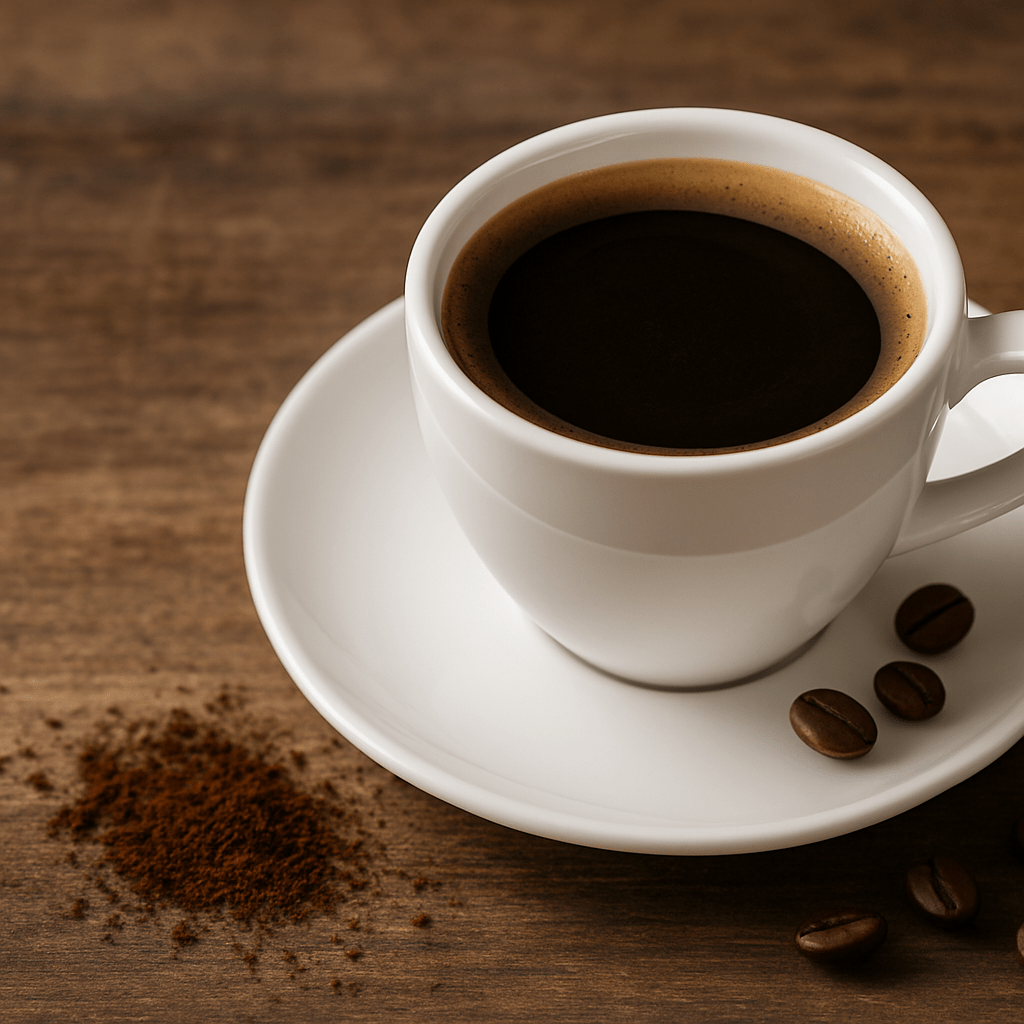
  • ☕ Coffee and Cancer — What Science Says in 2025

    Can a simple cup of coffee really protect you from cancer?

    For years, coffee had a bad reputation — people claimed it raised blood pressure, dehydrated the body, and was bad for the heart.
    Today, research paints a completely different picture. Modern studies show that moderate coffee consumption may reduce the risk of several chronic diseases, including liver and colon cancer.

    But can we really call it an anticancer beverage? Let’s look at what the latest scientific evidence says.


    🔬 What’s inside coffee that makes it so special?

    Coffee is more than caffeine. It contains over 1,000 bio-active compounds, including:

    • Polyphenols (like chlorogenic acid) — anti-inflammatory and antioxidant,
    • Diterpenes (cafestol and kahweol) — support liver detoxification enzymes,
    • Melanoidins — formed during roasting, promote gut health,
    • Minerals — magnesium, potassium, and niacin support metabolism.

    These compounds help neutralize oxidative stress, reduce inflammation, and improve insulin sensitivity — mechanisms that may explain why regular coffee drinkers show lower rates of liver and colon cancers.


    ☕ Coffee and Liver Cancer — the strongest evidence

    The link between coffee and a lower risk of liver cancer is one of the best documented.

    • A large Japanese meta-analysis (Tamura et al., BMC Cancer, 2019) involving over 600,000 participants found that heavy coffee drinkers had about 50% lower risk of liver cancer compared with non-drinkers.
    • An earlier Japanese prospective study (JNCI, 2007) reported that people drinking five or more cups daily had a 76% reduction in liver cancer risk.

    Researchers believe that coffee helps by reducing inflammation and oxidative stress — particularly among individuals infected with hepatitis B or C viruses, which are major causes of liver cancer in Asia.

    In Europe, the protective effect is milder but still significant. The EPIC cohort (over 500,000 people) and the WCRF/AICR 2024 report both show that regular coffee intake is linked to a 20–40% lower risk of liver cancer.


    🌏 Why the effect differs between Japan and Europe

    Several factors explain the differences:

    • Main causes of liver disease: In Japan, hepatitis infections dominate; in Europe, it’s obesity, alcohol, and fatty liver.
    • Genetic differences: Asian populations more often carry variants of genes (like CYP1A2) that slow caffeine metabolism.
    • Coffee type: Japan mostly drinks filtered coffee; Europeans favor espresso or French press (which contain more diterpenes that can raise LDL).
    • Baseline risk: A higher initial disease risk makes the relative effect appear stronger.

    👉 The conclusion: the protective trend is universal, but its magnitude varies by population and lifestyle.


    🧠 Coffee and Colorectal Cancer — fresh insights

    A study from the USC Norris Comprehensive Cancer Center (Stephen Gruber et al.) and the MECC Study (Frontiers in Nutrition, 2024) examined more than 9,000 participants:

    • Drinking 1–2 cups of coffee per day was linked to a 26% lower risk of colon cancer,
    • Drinking more than 2.5 cups was associated with up to 50% lower risk,
    • The effect was seen for both regular and decaffeinated coffee.

    This suggests that the benefits come not from caffeine alone, but also from the complex mix of polyphenols, diterpenes, and antioxidants in coffee.


    🧃 Does adding milk or cream destroy the benefits?

    A common myth says that milk cancels out coffee’s antioxidants.
    Recent research from the University of Copenhagen (Journal of Agricultural and Food Chemistry, 2023) found the opposite: milk proteins can actually stabilize antioxidants and prolong their activity in the body.

    If you’re on a keto diet, coffee with cream or MCT oil can be even more beneficial — fat improves the absorption of fat-soluble polyphenols.

    ✅ In short: adding cream does not destroy coffee’s health benefits, as long as you:

    • Skip sugar and syrups,
    • Brew at 92–96 °C,
    • Serve below 65 °C to avoid esophageal irritation.

    ❤️ What if you have high LDL cholesterol?

    If your LDL is elevated, coffee type matters.
    Unfiltered coffee (espresso, moka, French press) contains cafestol and kahweol, which can raise LDL levels.

    🩺 The simple fix:
    Drink paper-filtered coffee (drip, Chemex, Aeropress) — it retains flavor and antioxidants while removing most diterpenes.

    That way, you keep the anti-inflammatory benefits without the cholesterol bump.


    🔥 How much coffee is healthy?

    According to the European Food Safety Authority (EFSA):

    • Up to 400 mg of caffeine/day (about 3–5 cups) is safe for healthy adults.
    • Pregnant women should limit to 200 mg/day.

    Most benefits appear at 2–4 cups per day. Too much caffeine, however, may cause anxiety or disrupt sleep in sensitive individuals.


    ☕ Brewing coffee the healthy way

    StepRecommendationWhy
    Brewing temperature92–96 °COptimal extraction of polyphenols
    Drinking temperature< 65 °CAvoids esophageal cancer risk (WHO/IARC)
    Brewing methodPaper filterRemoves LDL-raising diterpenes
    Ratio1:16–1:18 (coffee:water)Specialty Coffee Association “Gold Cup” standard
    StorageAirtight, dry, coolPreserves aroma and antioxidants

    🩸 Coffee and your cholesterol profile

    Example: if your labs show LDL 165 mg/dL, HDL 70, TG 54, your metabolic profile is excellent despite high LDL — TG/HDL < 1 indicates good insulin sensitivity.
    In this case, filtered coffee with cream fits perfectly into a keto or low-carb lifestyle.

    For more insight, consider tracking:

    • ApoB (LDL particle count),
    • hs-CRP (inflammation marker),
    • Fasting insulin or HOMA-IR.

    These provide a better risk picture than total cholesterol alone.


    🩺 What major health authorities say

    • WHO / IARC (2016) — Coffee is not carcinogenic; only very hot drinks (> 65 °C) increase esophageal cancer risk.
    • WCRF/AICR (2024) — Strong evidence that coffee protects against liver and endometrial cancer; probable benefit for colon cancer..
    • BMJ Umbrella Review (Poole et al., 2017) — 3–4 cups/day linked to lower all-cause mortality and reduced risk of heart and liver disease.
    • EFSA (2021) — Confirms caffeine safety up to 400 mg/day for adults.

    ☕ Bottom line

    Coffee isn’t just an energy booster — it’s a scientifically supported wellness drink.
    Its strongest protective effects are seen for liver and colon cancers, but benefits also extend to type 2 diabetes and cardiovascular health.

    The keys: moderation, proper brewing, and mindful temperature.
    You don’t need five cups a day like in Japanese studies — even 2–3 cups of well-brewed, filtered coffee without sugar can make a meaningful difference.


    📚 References (credible scientific sources)

    1. Tamura T. et al. Coffee consumption and liver cancer risk in Japan: a meta-analysis of six prospective cohort studies. BMC Cancer, 2019.
    2. Inoue M. et al. Coffee drinking and hepatocellular carcinoma in a Japanese population. JNCI, 2007.
    3. WCRF/AICR. Continuous Update Project: Diet, Nutrition, Physical Activity and Liver Cancer., 2024.
    4. Poole R. et al. Coffee consumption and health: umbrella review of meta-analyses. BMJ, 2017.
    5. Gruber S. B. et al. MECC Study / USC Norris Comprehensive Cancer Center. Frontiers in Nutrition, 2024.
    6. EFSA Scientific Opinion on Caffeine Safety, 2021.
    7. WHO / IARC Monograph 116: Drinking Coffee, Mate and Very Hot Beverages., 2016.
    8. Jespersen A. et al. Protein–polyphenol interactions in coffee and milk: implications for antioxidant activity. Journal of Agricultural and Food Chemistry, 2023.
    9. EPIC Cohort Study, European Prospective Investigation into Cancer and Nutrition., Lancet Public Health, 2022.
  • 🥓 The Ketogenic Diet, LDL Cholesterol, and Heart Health – What the Latest Study Shows

    The ketogenic (keto) diet has gained huge popularity in recent years. Some follow it for weight loss, others for blood sugar control or overall metabolic health. Yet one key question remains:

    👉 Does the rise in LDL cholesterol (often called “bad cholesterol”) seen on keto automatically mean a higher risk of heart disease?

    A groundbreaking study led by Dave Feldman and Dr. Matthew Budoff (Cedars-Sinai, USA), published in 2024/2025, brings surprising answers.


    🔬 Who Are Lean Mass Hyper-Responders (LMHR)?

    These are people who, on a ketogenic diet, experience:

    • very high LDL cholesterol (often >200 mg/dL),
    • high HDL (“good cholesterol”),
    • low triglycerides,
    • lean body mass and excellent metabolic health.

    This unique profile is called Lean Mass Hyper-Responder (LMHR). For doctors and patients alike, it raises questions, since traditional medicine links high LDL directly with heart disease.


    🧪 How Was the KETO-CTA Study Done?

    • 80 participants on keto for an average of 4.7 years, all with LDL ≥190 mg/dL (average ~272 mg/dL, some up to 591 mg/dL).
    • 80 matched controls from the MiHeart study with typical LDL (~123 mg/dL).
    • Both groups were similar in age, sex, BMI, blood pressure, and smoking history.
    • Researchers used advanced imaging: coronary CT angiography (CCTA) and CAC scoring, which measure arterial plaque and calcium buildup in the heart.

    📊 Key Results

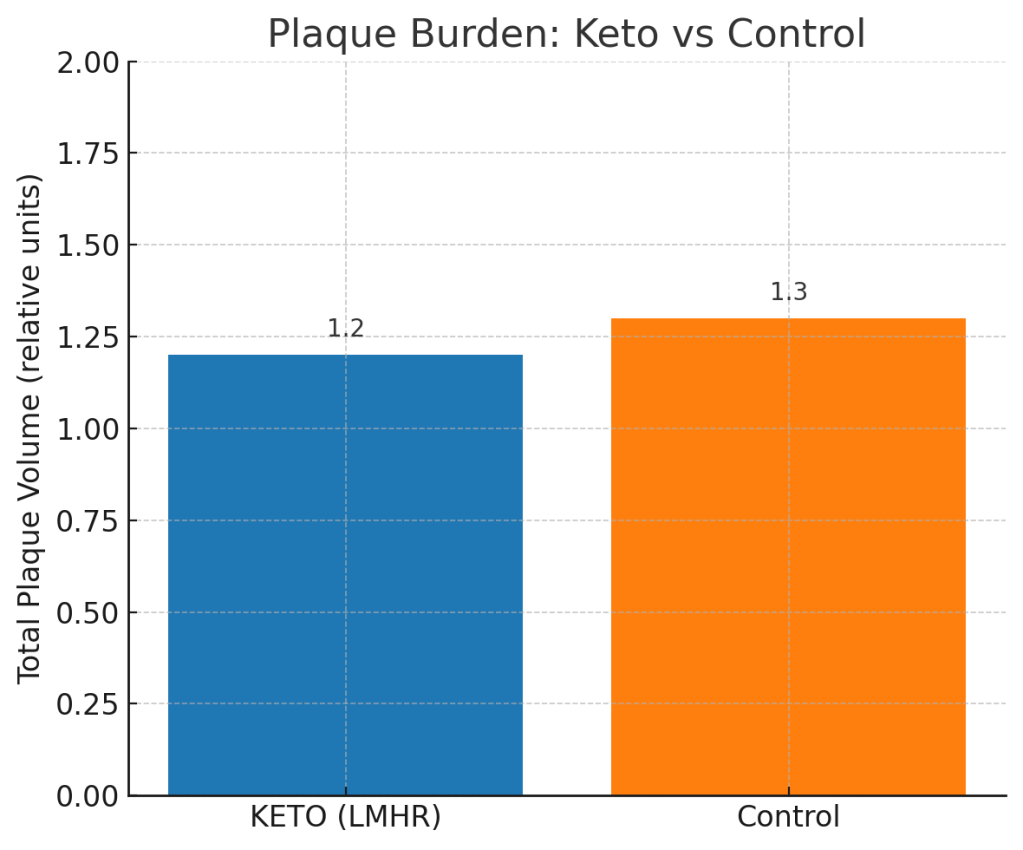
    • No difference in total plaque volume between the keto group and controls.
    • CAC score (arterial calcium) – median = 0 in the keto group vs 1 in controls.
    • No correlation between LDL levels and plaque burden, even when LDL exceeded 500 mg/dL.

    👉 In other words: for LMHR individuals, high LDL did not translate into more arterial plaque in this study.


    💡 What Does This Mean?

    • Individual response matters – not everyone on keto reacts the same way.
    • LDL is not the whole story – markers like ApoB, HDL, triglycerides, and insulin sensitivity may give a better picture of risk.
    • Monitoring is key – imaging tests (CAC, CCTA) can show real cardiovascular health rather than relying only on LDL numbers.
    • Short-term data – participants were on keto ~5 years. Heart disease often takes decades, so more long-term research is needed.

    🦶 Why Write About This on a Foot Health Blog?

    Because heart and vascular health directly affect foot health.

    • Poor circulation can cause serious foot complications.
    • Strong metabolic health protects not only the heart, but also the feet that carry us every day.

    ✅ Bottom Line

    The Feldman-Budoff study suggests that for Lean Mass Hyper-Responders, very high LDL on keto may not automatically mean higher heart disease risk. Still, more long-term evidence is needed.

    👉 The best approach: care for your whole health – cholesterol, blood sugar, exercise, sleep, and regular check-ups.


    1. Lipid Profile: Keto vs Control

    Top chart: Lipid profile (LDL, HDL, Triglycerides) comparing the Keto (LMHR) group with controls.

    Bottom chart: Median CAC scores – showing no meaningful difference despite very high LDL in the keto group.

    Plaque Burden: Keto vs Control


    It shows that total arterial plaque volume was almost identical between the Keto (LMHR) group and the control group – matching the study’s conclusion that extremely high LDL did not translate into greater plaque.

    🧪 How Was the KETO-CTA Study Done?

    This was an observational, non-randomized, matched cohort study — meaning participants were not randomly assigned to diet groups.
    Researchers compared 80 people who had followed a ketogenic diet for an average of 4.7 years (all with LDL ≥ 190 mg/dL, average ~272 mg/dL, some up to 591 mg/dL) with 80 matched controls from the MiHeart study who had typical LDL levels (~123 mg/dL).

    Both groups were similar in age, sex, BMI, blood pressure, and smoking history.
    Advanced imaging — coronary CT angiography (CCTA) and coronary artery calcium (CAC) scoring — was used to measure arterial plaque and calcium buildup in the heart.

    Because this was not a randomized controlled trial, the results do not prove cause and effect, but they do provide strong observational evidence that, in this specific population, high LDL on a ketogenic diet did not correspond to more arterial plaque.


    📚 Reference

    Budoff, M. J., Soto-Mota, A., Norwitz, N. G., Feldman, D., et al. (2024). Carbohydrate restriction–induced elevations in LDL cholesterol and atherosclerosis in lean mass hyper-responders: The Keto-CTA study. JACC: Advances. https://doi.org/10.1016/j.jacadv.2024.101109

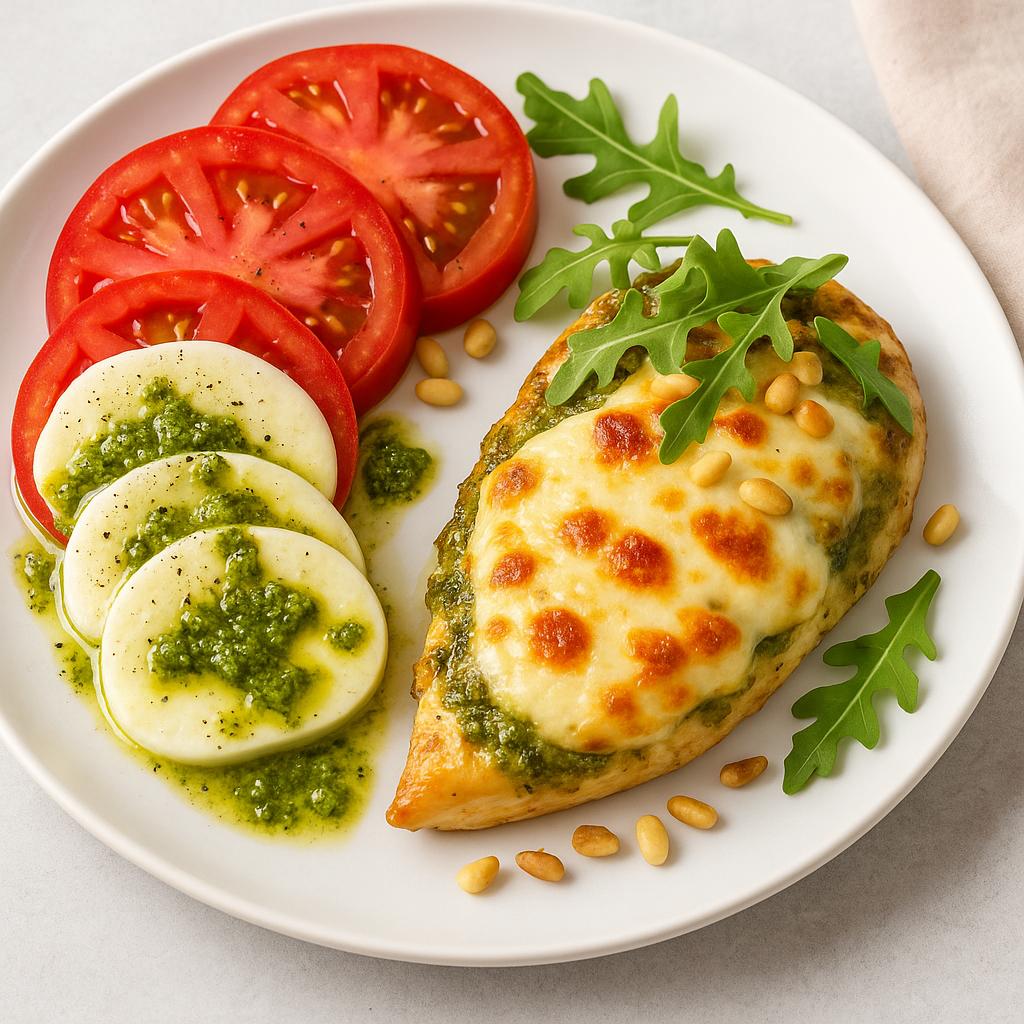
  • Baked Pesto Chicken with Fresh Mozzarella & Caprese Salad

    Sometimes the simplest flavor pairings are the most satisfying. This dish combines juicy baked chicken with aromatic pesto and creamy mozzarella, finished off with a fresh caprese salad. It’s the kind of dinner that feels indulgent but is still light and refreshing—perfect for a weeknight meal or even a casual dinner with friends.

    The warm, cheesy chicken pairs beautifully with the cool, juicy tomatoes and mozzarella in the salad. A sprinkle of pine nuts and fresh arugula brings everything together for a Mediterranean-inspired plate you’ll want to make again and again.


    Ingredients (4 servings)

    Chicken

    • 1 whole boneless, skinless chicken breast (about 14 ounces / 400 g)
    • ¼ teaspoon fine sea salt
    • ¼ teaspoon freshly ground black pepper
    • 4 tablespoons (60 ml) store-bought pesto (see note)
    • 8 ounces (225 g) fresh mozzarella cheese, sliced

    Caprese Salad

    • 3 large heirloom tomatoes
    • 8 ounces (225 g) fresh mozzarella cheese
    • 2 tablespoons extra-virgin olive oil
    • 2 tablespoons store-bought pesto
    • Fine sea salt and freshly ground black pepper

    For Garnish

    • 1 handful of fresh arugula
    • 3 tablespoons pine nuts, toasted

    Instructions

    1. Preheat oven to 400°F (205°C). Line a baking sheet with parchment paper.
    2. Slice the chicken breast in half horizontally to make 4 flat pieces. Place them on the sheet pan, season with salt and pepper, and spread each piece with 1 tablespoon of pesto. Top with mozzarella slices. Bake for 25 minutes, until the chicken is fully cooked (opaque throughout) and the cheese is golden and bubbling.
    3. Meanwhile, prepare the caprese salad: Wash and slice the tomatoes and mozzarella. Arrange them alternately in a fan shape on 4 serving plates. Drizzle with olive oil and pesto, then season with salt and pepper.
    4. Serve the baked chicken with the caprese salad. Garnish with fresh arugula and sprinkle with toasted pine nuts. Leftovers keep in the fridge for up to 3 days.

    Nutrition Facts (per serving, approx.):

    • Calories: ~420 kcal
    • Fat: ~31 g
    • Protein: ~28 g
    • Carbohydrates: ~6 g (net)

    Note

    If buying store-bought pesto, check the label to ensure it’s sugar-free. For an even fresher taste, you can make your own pesto at home.


    ✨ This dish is a celebration of Italian-inspired flavors, rich, creamy, fresh, and vibrant. It’s easy to make, looks beautiful on the plate, and is guaranteed to impress.

  • Keto Morning Butter Latte – A Creamy Low-Carb Coffee Recipe

    If you’re looking for a delicious way to start your day on a low-carb or ketogenic lifestyle, this recipe is for you. Coffee lovers around the world are discovering the benefits of keto coffee, a creamy, frothy blend of high-quality fats and freshly brewed coffee that delivers long-lasting energy and focus.

    This Keto Morning Butter Latte is a simple and tasty butter coffee recipe that combines strong coffee with butter and cream, creating a smooth and indulgent drink that keeps you satisfied for hours. Think of it as your perfect bulletproof coffee alternative, made with ingredients you already have at home.


    Ingredients (2 servings):

    • 2 cups (480 ml) strong-brewed hot coffee (dark roast works well)
    • ¼ cup (60 ml) heavy cream, warmed
    • 2 tablespoons unsalted butter, softened
    • Stevia or another low-carb sweetener (optional; I prefer unsweetened)
    • Ground cinnamon, for garnish

    Instructions:

    1. Add all ingredients to a high-powered blender. (You can use a regular blender, but the foam will be less frothy.)
    2. Blend on high speed for about 1 minute until the mixture is smooth and creamy.
    3. Pour into two 8-ounce (240-ml) mugs, sprinkle with ground cinnamon, and serve immediately.

    Nutrition Facts (per serving):

    • Calories: ~220 kcal
    • Fat: ~24 g
    • Protein: ~1 g
    • Carbohydrates: ~1 g (net)

    Why This Keto Coffee Works

    Unlike a traditional cappuccino, this low-carb latte is packed with healthy fats from butter and cream, giving you a steady energy release without the mid-morning crash. It’s a smart choice for those practicing intermittent fasting or following a ketogenic diet, since it helps curb hunger and boosts focus.

    Whether you call it butter coffee, keto latte, or your morning fuel, this recipe proves that coffee can be both indulgent and nourishing.

    So tomorrow morning, skip the coffee shop and whip up this Keto Morning Butter Latte at home, you’ll start your day energized, satisfied, and ready to go!

  • 🥦 Saag Paneer – Low Carb Spinach & Cheese Curry

    A comforting vegetarian dish made with creamy spinach and rich, golden-fried cheese – a traditional Indian favorite reimagined for a low carb lifestyle. Perfect for those reducing carbs, managing type 2 diabetes, or following a keto or vegetarian diet.


    Ingredients (Serves 3–4):

    • 250 g paneer, halloumi or firm tofu, cubed
    • 400 g fresh spinach (or 300 g frozen, thawed)
    • 2 tablespoons butter or ghee
    • 2 tablespoons double cream or coconut cream
    • 1 small onion, finely chopped (optional)
    • 2 cloves garlic, minced
    • 1 teaspoon grated fresh ginger
    • 1/2 teaspoon ground cumin
    • 1/2 teaspoon garam masala
    • 1/2 teaspoon turmeric
    • 1/2 teaspoon chili powder (optional)
    • Salt and pepper to taste
    • Water or vegetable broth, if needed (to loosen the sauce)

    🥣 Instructions:

    1. Fry the cheese:
      Heat 1 tablespoon of butter or ghee in a non-stick pan. Add cubed paneer or halloumi and fry until golden on all sides. Set aside.
    2. Cook the aromatics:
      In the same pan, add the remaining butter. Sauté the onion (if using) until soft. Add garlic, ginger, and spices. Cook for 30–60 seconds until fragrant.
    3. Add spinach:
      Add fresh spinach in batches, letting it wilt down (or add thawed frozen spinach). Cook for 5–7 minutes until soft. If the mixture is too thick, add a splash of water or broth.
    4. Blend (optional):
      For a smooth sauce, blend the spinach mixture using a hand blender (off heat) to your preferred texture. For a rustic version, leave it chunky.
    5. Finish the dish:
      Stir in cream and return the fried cheese to the pan. Simmer for 3–5 minutes. Season to taste.
    6. Serve hot with cauliflower rice or low carb naan/keto chapati (see my recipe on the blog!).

    🍽️ Serving Suggestions:

    • Cauliflower rice
    • Keto chapati or almond flour naan
    • As a side dish with grilled meat or curry

    🌿 Why it’s great for a low carb diet:

    • High in healthy fats and protein
    • Naturally low in carbohydrates
    • Suitable for vegetarians and people managing blood sugar levels

    Nutritional values per serving of the low-carb Saag Paneer:

    • Calories: 399 kcal
    • Protein: 19.8 g
    • Fat: 31.7 g
    • Carbohydrates: 8.6 g
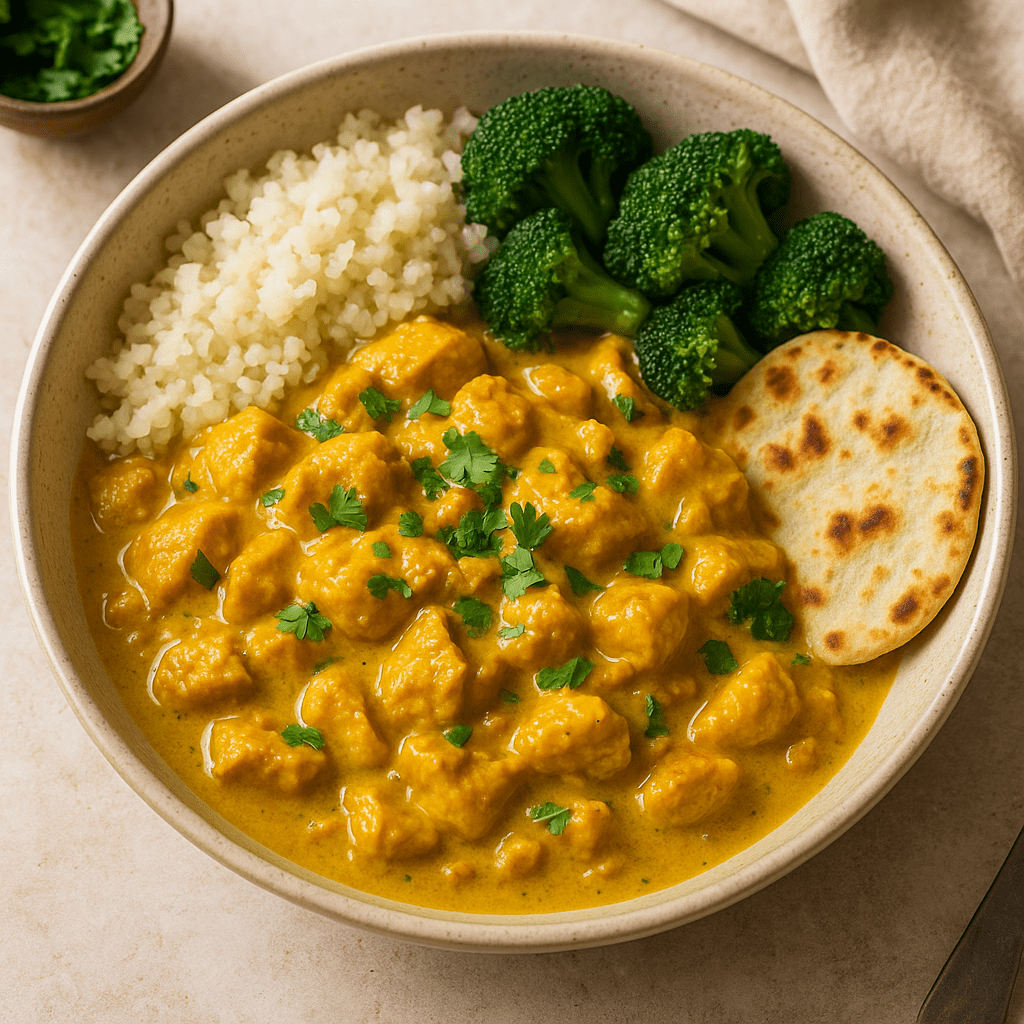
  • 🍛 Traditional Chicken Curry – Low Carb Version

    Curry is a classic dish of Indian cuisine, known around the world for its rich aroma and bold flavor. In this version, I wanted to preserve the essence of the traditional recipe while adapting it for those following a low-carb lifestyle. This curry includes all the key spices, creamy coconut milk, and tender pieces of chicken – but instead of rice, I serve it with cauliflower “rice”, low-carb vegetables, or my homemade keto chapati (recipe available on the blog!).
    Perfect for anyone who loves authentic flavors but wants to reduce their carbohydrate intake.


    ✅ Ingredients (Serves 4):

    • 500 g chicken breast or thigh, diced
    • 2 tablespoons coconut oil or clarified butter (ghee)
    • 1 medium onion (optional – slow sautéing reduces natural sugar content)
    • 2 garlic cloves, finely chopped
    • 1 teaspoon freshly grated ginger
    • 1 tablespoon curry paste (e.g., tikka masala, madras, or curry powder – no added sugar)
    • 1/2 teaspoon turmeric
    • 1/2 teaspoon ground cumin (optional)
    • 1/2 teaspoon chili powder or sweet paprika
    • 200–250 ml full-fat coconut milk
    • 100 ml water or broth (optional, for a thinner sauce)
    • 1 tomato (peeled and finely chopped) or 1 tablespoon tomato paste
    • Salt and pepper to taste
    • Fresh coriander for garnish

    🥣 Instructions:

    1. In a deep pan or pot, heat the oil or ghee. Sauté the onion on low heat until soft and golden (up to 10 minutes).
    2. Add the garlic, ginger, and spices. Cook for 30–60 seconds until fragrant.
    3. Add the chicken and fry until lightly golden on all sides.
    4. Stir in the tomato or tomato paste and cook for another 2 minutes.
    5. Add the coconut milk and water or broth. Cover and simmer on low heat for 20–25 minutes.
    6. Season with salt and pepper to taste, and garnish with coriander.

    🍽️ Serving Suggestions:

    • With cauliflower rice (lightly sautéed grated cauliflower with butter or curry)
    • With steamed or stir-fried vegetables (e.g., broccoli, spinach)
    • With low-carb flatbread or my keto chapati – see the recipe on the blog!

    ℹ️ Tips:

    • For extra depth of flavor, add 1/2 tsp of garam masala at the end of cooking.
    • If you’re not strictly tracking carbs, a spoonful of Greek yogurt makes a great garnish.
    • You can also add extra low-carb vegetables such as zucchini or spinach.

    🔍 Nutritional Values per Serving:

    • Calories: 352 kcal
    • Protein: 30.0 g
    • Fat: 22.6 g
    • Carbohydrates: 6.3 g

  • 🫓 Keto Chapati with Bamboo Fiber Flour

    Low-Carb | High-Fiber | Gluten-Free | Diabetic-Friendly

    Looking for a keto-friendly alternative to Indian flatbread? This Keto Chapati is soft, flexible, and made without grains or gluten – perfect for anyone following a low-carb, diabetic, or high-fiber diet.

    Made with bamboo fiber flour, ground flaxseed, and psyllium husk, it holds together well and delivers satisfying texture and taste without the carbs.


    🧾 Ingredients (Makes 4 chapatis):

    • 6 tbsp bamboo fiber flour (~40 g)
    • 2 eggs
    • 2 tbsp ground flaxseed
    • 1 tsp psyllium husk powder (optional but recommended for structure)
    • 1 tbsp olive oil
    • ~4–6 tbsp warm water (add gradually)
    • Pinch of salt

    👩‍🍳 Instructions:

    1. In a bowl, combine bamboo fiber flour, ground flaxseed, psyllium husk, and salt.
    2. Add eggs and olive oil, then gradually mix in the warm water to form a soft, sticky dough.
    3. Let the dough rest for 10 minutes – the fiber will absorb moisture and become pliable.
    4. Divide the dough into 4 equal parts.
    5. Roll each piece between two sheets of baking paper or on a silicone mat to form thin, round flatbreads.
    6. Heat a dry non-stick pan over medium heat (no oil needed).
    7. Cook each chapati for 1.5–2 minutes per side, until golden spots appear. Press lightly with a spatula if needed.
    8. Serve warm as a wrap, side bread, or with curries.

    🔥 Pan Tip:

    Always cook on a dry pan, just like traditional Indian roti. The olive oil in the dough is enough – no need to add more fat when cooking.


    🔢 Nutrition Per 1 Chapati (1/4 batch):

    NutrientAmount
    Calories~110 kcal
    Protein~5 g
    Fat~8 g
    Carbohydrates~2 g
    Fiber~6 g
    Net Carbs~0 g

    ✅ Why You’ll Love It:

    • Soft and flexible – easy to roll or fold
    • High in fiber – great for digestion and blood sugar balance
    • Gluten-free and grain-free
    • Easy to store and reheat

    🧊 Storage:

    Keep in the fridge for up to 2 days, or freeze between parchment sheets. Reheat in a dry pan or briefly in the microwave with a splash of water.

  • “95% of Nutrition Experts Have Ties to Industry” – What Nina Teicholz Discovered About Your Diet

    For decades, we were told: Fat is bad, especially saturated fat. Choose margarine, eat whole grains, avoid red meat.
    But what if this advice wasn’t based on science… but on politics, money, and industry influence?

    In her eye-opening book The Big Fat Surprise, investigative journalist Nina Teicholz reveals the hidden forces that shaped official dietary guidelines, and how they’ve contributed to chronic illness, obesity, and confusion about what’s truly healthy.


    🧠 How Fat Became Public Enemy #1

    The origins of the anti-fat movement can be traced to the 1950s, when American scientist Ancel Keys introduced the lipid hypothesis – the idea that saturated fat raises cholesterol, leading to heart disease.

    However, as Teicholz shows in her research, Keys cherry-picked his data, excluding countries that contradicted his theory. From a total of 22 countries, he only presented data from 6 – those that fit his narrative.

    Despite the lack of strong scientific support, Keys’ theory gained traction thanks to political pressure, media support, and industry backing. Soon, butter, eggs, and meat were demonized, while low-fat, high-carb foods were promoted worldwide.


    💼 Who Writes Our Dietary Guidelines?

    Teicholz reveals a disturbing fact: 95% of experts involved in writing government nutrition guidelines have financial ties to the food or pharmaceutical industry.
    This means that public health policies are often shaped by corporate interests, not by unbiased science.

    For example, the American Heart Association (AHA) was a small, unknown organization in the 1940s – until it received a massive $1.7 million donation from Procter & Gamble, the manufacturer of Crisco vegetable shortening.
    Soon after, the AHA began recommending vegetable oils and margarine over butter or lard, pushing millions of people to switch to processed fats.


    🧬 Are Saturated Fats Really Harmful?

    Contrary to what we’ve been told, modern research (many studies reviewed in Teicholz’s book) fails to show a clear link between saturated fat and heart disease. In fact:

    • Saturated fats are more chemically stable and less likely to oxidize than vegetable oils.
    • They are essential for brain health, hormone production, and cell membrane integrity.
    • They help absorb fat-soluble vitamins A, D, E, and K – crucial for immune and metabolic health.

    Teicholz argues that saturated fats have been unfairly blamed, while refined carbs, processed seed oils, and sugar escaped scrutiny.


    🌱 Veganism – Free Choice or Corporate Narrative?

    The push for plant-based diets may seem modern and ethical, but Teicholz cautions that it’s often driven by ideological agendas and corporate profits.

    Many companies now profit from ultra-processed vegan products, lab-grown meat, and synthetic supplements, often promoted under the guise of “sustainability” or “health.”
    Yet, long-term studies on strict vegan diets are lacking, and nutritional deficiencies are a real risk, especially for children, pregnant women, and the elderly.


    📚 Key Takeaways from The Big Fat Surprise

    ✅ Saturated fats like butter, eggs, and red meat are not harmful – and may even be protective.
    ✅ Highly refined vegetable oils (like soybean, corn, or sunflower oil) may pose health risks.
    ✅ Official dietary guidelines are often influenced by corporate interests, not neutral science.
    ✅ Returning to traditional foods – unprocessed and nutrient-dense – is a safer, more natural path.
    ✅ We must demand transparency and independence in nutritional science.


    🗣 Who Do You Trust?

    Thanks to Nina Teicholz’s decade-long investigation, we now understand how flawed – and even dangerous – many official dietary recommendations have been.
    If we want to live healthier, longer lives, we need to reclaim our food choices from corporate control and go back to real food, informed by real science.


    📖 Recommended Resources:

    • The Big Fat Surprise – Nina Teicholz
    • Podcasts with Nina Teicholz (e.g. Dr. Mark Hyman’s The Doctor’s Farmacy)
    • Documentaries: Fat Fiction, The Magic Pill
  • Processed Food: A Hidden Driver of Modern Illnesses?

    The Modern Diet – Fast, Cheap, but Dangerous?

    In a world where convenience often dictates our food choices, ultra-processed food has become a staple in many diets. However, emerging evidence suggests that these products—though affordable and long-lasting—could pose serious risks to our health.


    What Is Processed or Ultra-Processed Food?

    Processed food refers to products that have been significantly altered from their natural state. Ultra-processed foods (UPFs) typically contain:

    • Artificial sweeteners (e.g., aspartame)
    • Flavor enhancers (e.g., MSG)
    • Emulsifiers and stabilizers
    • Genetically modified soy protein
    • Refined vegetable oils
    • Preservatives, colorants, and synthetic additives

    Common examples include: packaged snacks, fast food, instant soups, sweetened beverages, deli meats, and soy-based meat substitutes.


    Key Health Risks Associated with Processed Food

    🧬 Cancer Risk

    A large-scale British study published in The Lancet found a clear correlation between the intake of ultra-processed food and the risk of developing various cancers, especially in middle-aged adults.

    Reference: Fiolet, T. et al. (2018). Consumption of ultra-processed foods and cancer risk: results from NutriNet-Santé prospective cohort. BMJ, 360, k322. https://doi.org/10.1136/bmj.k322


    🌱 Gut Health and Autoimmune Concerns

    Genetically modified soy proteins contain immune-reactive globulins that may damage the intestinal lining, increasing permeability (“leaky gut”), disturbing the microbiome, and raising the risk of autoimmune disorders.

    Reference: Rezaie, A., Buresi, M., Lembo, A., et al. (2017). Hydrogen sulfide in gastrointestinal diseases. Digestive Diseases and Sciences, 62(9), 2241–2257. https://doi.org/10.1007/s10620-017-4626-2


    🧠 Neurotoxic Effects

    Additives like aspartame and MSG (monosodium glutamate) have been associated with:

    • Headaches and dizziness
    • Sleep disturbances
    • Cognitive impairment
    • Increased risk of neurodegenerative diseases

    Reference: Walton, R. G. (1996). Adverse reactions to aspartame: Double-blind challenge in patients from a vulnerable population. Biological Psychiatry, 40(8), 578–582.

    Reference: Olney, J. W. (1994). Excitotoxins in foods. Neurotoxicology, 15(3), 535–544.


    🔥 Oxidative Stress from Heated Oils

    Foods fried in vegetable oils release toxic aldehydes and acrylamide, which damage mitochondria, reduce energy production, and increase the risk of cancer.

    Reference: Zhang, Y., & Zhang, G. (2007). Formation and mitigation of acrylamide in heat-processed foods. Journal of Food Science, 72(6), R174–R183.


    🧪 Additives and Functional Ingredients

    Transglutaminase (“meat glue”) and food colorants are commonly used to improve texture or appearance. However, they may create novel protein structures that are poorly digested and unrecognized by the immune system.

    Reference: Gianferri, R., et al. (2021). Transglutaminase: A review of enzymatic properties and food applications. Foods, 10(12), 3086. https://doi.org/10.3390/foods10123086


    Why It Matters

    • Long-term consumption of ultra-processed foods is associated with higher mortality, obesity, heart disease, type 2 diabetes, and mental health disorders.
    • Children, the elderly, and people with chronic illness are most vulnerable to the effects of artificial food chemicals.
    • Nutrient absorption, hormone balance, fertility, cognitive development, and immune function can all be impaired.

    Reference: Monteiro, C. A., et al. (2019). Ultra-processed foods: what they are and how to identify them. Public Health Nutrition, 22(5), 936–941. https://doi.org/10.1017/S1368980018003762


    What You Can Do

    ✔ Choose whole, unprocessed foods
    ✔ Cook more meals at home
    ✔ Read ingredient labels carefully
    ✔ Avoid products with long, unrecognizable ingredient lists
    ✔ Prioritize quality protein sources, healthy fats, and fiber


    Final Thoughts

    Ultra-processed foods may offer convenience and low cost, but they come at a significant price to your health. The science is clear: what you eat shapes your long-term well-being. Make informed choices to protect your body and brain.

    🧠 Real food fuels real health.

  • 🧬 Does High Cholesterol Always Mean Risk? Discover the Surprising LMHR Phenotype

    In recent years, the conversation around health and nutrition has increasingly shifted toward personalized care. One of the most intriguing topics in this space is the concept of the Lean Mass Hyper-Responder (LMHR) phenotype, identified by American researcher and engineer Dave Feldman.

    🔍 What Is LMHR?

    LMHR stands for Lean Mass Hyper-Responder. It describes individuals who, after adopting a low-carbohydrate or ketogenic diet, experience a sharp rise in LDL cholesterol levels, while maintaining excellent health markers in every other area.

    A typical LMHR lipid profile looks like this:

    • LDL-C (“bad cholesterol”): over 200 mg/dL (5.2 mmol/L),
    • HDL-C (“good cholesterol”): over 80 mg/dL (2.1 mmol/L),
    • Triglycerides: very low, usually below 70 mg/dL (0.8 mmol/L).

    Sounds like a paradox, right? Traditional medical advice warns us about high LDL-C, yet these individuals are lean, physically active, metabolically healthy, and show no signs of inflammation or insulin resistance.

    👨‍🔬 Who Is Studying This?

    Dave Feldman began researching this phenomenon after observing a dramatic spike in his own LDL-C levels when he switched to a ketogenic diet, despite his other health markers being ideal. He launched the Citizen Science Foundation and, in collaboration with UCLA, started the Lean Mass Hyper-Responder Study in 2022.

    The aim of the study is to determine whether individuals with the LMHR phenotype are genuinely at cardiovascular risk or if their elevated LDL-C is simply a natural adaptation to using fat as their primary fuel source.

    📊 What Do Early Findings Show?

    Initial data—including advanced coronary imaging (CCTA)—reveals that many LMHR participants show no signs of arterial plaque, even with extremely high LDL-C levels.

    One published case report describes a healthy 26-year-old male who switched to a ketogenic diet and saw his LDL-C soar to 545 mg/dL. Despite this, a CT scan revealed clear arteries and no signs of atherosclerosis.

    Source: PMC9048595

    ❗ Does That Mean LDL Doesn’t Matter?

    Not necessarily. Feldman is very clear: this does not give everyone permission to ignore high LDL-C. The LMHR pattern appears in a specific group of individuals—those who are lean, insulin-sensitive, and have a favourable lipid profile otherwise.

    For people who are overweight, sedentary, or have metabolic issues, high LDL-C can still be a significant risk factor.

    👣 What Does This Have to Do with Foot Health?

    As a Foot Health Practitioner, I work with many clients dealing with diabetes, obesity, and metabolic syndrome. These conditions not only affect cardiovascular health but also directly impact the circulatory health of the feet—increasing the risk of ulcers, infections, and poor healing.

    Understanding phenotypes like LMHR helps us avoid one-size-fits-all thinking. Not all high LDL-C readings mean the same thing. For some, a low-carb lifestyle improves insulin levels, reduces inflammation, and ultimately supports better foot and overall health.


    📚 Sources: