Tag: health

  • Chilblains – Causes, Symptoms, and Effective Treatment

    What Are Chilblains?

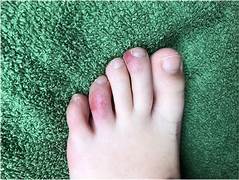
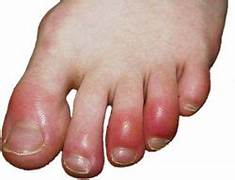
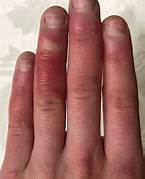
    Chilblains, also known as pernio, are painful, itchy swellings that occur on the skin due to exposure to cold and damp conditions. They result from poor circulation and abnormal reaction of blood vessels to cold temperatures, leading to inflammation in the affected areas. Chilblains typically appear on the toes, fingers, ears, and nose and are more common in people with poor circulation or underlying health conditions such as Raynaud’s phenomenon.

    Although chilblains are not usually serious, they can be uncomfortable and, if left untreated, may lead to complications such as blisters, skin ulcers, or infections. Understanding the causes, symptoms, and prevention methods can help minimize their occurrence and discomfort.


    What Causes Chilblains?

    Chilblains develop when the skin is exposed to cold temperatures, causing the small blood vessels to constrict. When the skin warms up too quickly, blood flow returns rapidly, leading to leakage of blood into surrounding tissues and inflammation. This results in redness, swelling, and discomfort.

    Risk Factors for Chilblains:

    Cold and damp weather – sudden exposure to low temperatures or fluctuating weather conditions.
    Poor circulation – conditions like Raynaud’s disease increase susceptibility.
    Autoimmune disorders – diseases like lupus can contribute to chilblain formation.
    Tight footwear – restricts blood flow and increases the risk of developing chilblains.
    Smoking – nicotine constricts blood vessels, making chilblains more likely.
    Low body weight – people with less body fat have reduced insulation against the cold.


    Symptoms of Chilblains

    Chilblains typically appear within a few hours of cold exposure and cause the following symptoms:

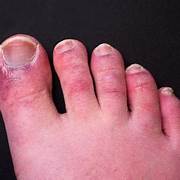
    Red, purple, or blue discoloration of the skin
    Itching, burning, or tingling sensation
    Swelling and tenderness in the affected area
    Dry, cracked skin, sometimes with small blisters
    In severe cases, ulcers or infections may develop

    Chilblains usually last for one to three weeks, but if they persist or become infected, medical attention is necessary.


    How to Treat Chilblains?

    Although chilblains usually heal on their own, proper care can speed up recovery and prevent complications.

    Home Treatment for Chilblains:

    Gradual warming of the affected area – avoid sudden heat exposure; instead, warm up gradually with wool socks, gloves, or warm (not hot) water.
    Moisturize the skin – apply fragrance-free creams or lanolin-based products to prevent dryness and cracking.
    Keep skin dry and warm – wear insulating clothing and breathable socks.
    Avoid scratching – scratching worsens irritation and may lead to infections.
    Elevate the affected area – this helps reduce swelling.

    Medical Treatment for Chilblains:

    If chilblains become severe or recurrent, a doctor may recommend:
    Nifedipine (vasodilator medication) – improves circulation by relaxing blood vessels.
    Topical steroids – help reduce inflammation and discomfort.
    Antibiotics – prescribed in case of secondary infections.


    Prevention of Chilblains

    To minimize the risk of chilblains, follow these preventive measures:

    Dress warmly in cold weather – wear thick socks, insulated gloves, and proper footwear.
    Layer clothing – use thermal layers to maintain body temperature.
    Keep feet dry – moisture can exacerbate chilblains, so change socks regularly.
    Exercise regularly – improves circulation and reduces the likelihood of chilblains.
    Avoid rapid temperature changes – allow the body to warm up gradually after cold exposure.
    Use moisturizers – protect the skin from drying out and cracking.


    When to See a Doctor?

    Consult a healthcare professional if:
    ✔ Chilblains last longer than three weeks or worsen.
    ✔ You notice blisters, ulcers, or signs of infection (redness, pus, severe pain).
    ✔ You experience recurring chilblains, as they may indicate an underlying circulatory problem.


    Conclusion

    Chilblains can be an uncomfortable reaction to cold exposure, but with proper prevention, care, and treatment, their effects can be minimized. Keeping feet warm, improving circulation, and avoiding rapid temperature changes are key strategies in managing chilblains.

    If you frequently suffer from chilblains, consider visiting a Foot Health Practitioner for professional foot care and personalized recommendations. Your feet deserve the best care, so don’t ignore the early signs of circulation problems! 🦶❄️
  • Why You Should Take Care of Your Feet and Visit a Foot Health Practitioner Regularly

    Our feet are the foundation of our body – they support us every day, allowing us to walk, run, and perform daily activities. Yet, they are often the most neglected part of our body. Many people only pay attention to their feet when they experience pain or discomfort, forgetting that foot problems can be an early sign of serious health conditions. Regular foot care and visits to specialists, such as Foot Health Practitioners, can prevent complications and improve overall well-being.


    1. Why Are Feet So Important?

    On average, a person takes 8,000–10,000 steps per day, which amounts to walking around the world several times in a lifetime! This constant strain can lead to various foot problems if we don’t take proper care of them.

    Feet are also a reflection of overall health. They can reveal early signs of diabetes, circulation issues, and even arthritis. Regular foot check-ups help in detecting and preventing serious conditions before they become major problems.


    2. Common Foot Problems

    Without proper care, minor foot discomfort can develop into painful and disabling conditions. Some of the most common foot issues include:

    Corns and calluses – thickened skin caused by friction and pressure, leading to pain while walking.
    Ingrown toenails – a painful condition that can cause inflammation and infections.
    Cracked heels – deep fissures that can lead to infections.
    Fungal infections (athlete’s foot, nail fungus) – common among people who wear non-breathable shoes.
    Diabetic foot ulcers – serious wounds in diabetics that may require amputation if left untreated.
    Poor circulation – symptoms include cold feet, swelling, and pain while walking.


    3. Why Visit a Foot Health Practitioner?

    Many people believe that foot care is limited to home treatments and wearing comfortable shoes. While these habits are essential, regular visits to a Foot Health Practitioner can prevent serious problems and improve quality of life.

    What Can a Foot Health Practitioner Do for You?

    Early diagnosis and prevention – detecting foot issues before they worsen.
    Treatment of common foot conditions – removal of corns, treatment of ingrown toenails, cracked heels, and fungal infections.
    Professional foot care and hygiene – procedures that cannot be done at home.
    Custom footwear and orthotic recommendations – guidance on the best shoes and insoles for your needs.
    Specialized care for diabetics and people with circulatory problems – personalized foot care to prevent serious complications.


    4. How Often Should You See a Foot Specialist?

    Healthy individuals – at least once a year for routine check-ups.
    Diabetics, people with circulation issues, or arthritis – every 3–6 months to prevent complications.
    Individuals with recurrent foot problems (ingrown nails, corns, cracked heels) – every 6–8 weeks, as recommended by a specialist.


    5. Healthy Feet = Better Quality of Life

    Foot pain, discomfort, and chronic conditions can greatly affect mobility and overall well-being. Regular visits to a Foot Health Practitioner, combined with proper foot care, can prevent serious issues and help maintain mobility and comfort for years to come.

    Don’t wait until problems arise – start taking care of your feet today!

  • The Impact of Chronic Diseases on Foot Health: How Diabetes, Arthritis, and Cardiovascular Diseases Affect the Feet and How to Prevent Complications

    Foot health is closely linked to overall well-being, and chronic conditions such as diabetes, arthritis, and cardiovascular diseases can significantly impact the feet. Without proper care and prevention, these conditions can lead to severe complications, including pain, mobility issues, infections, and even amputations. In this article, we will explore how these diseases affect foot health and discuss effective preventive measures.


    1. Diabetes and Its Impact on Foot Health

    Diabetic Neuropathy and Loss of Sensation

    One of the most common complications of diabetes is diabetic neuropathy, which damages nerves and causes a loss of sensation in the feet. As a result, people with diabetes may not feel cuts, burns, or injuries, increasing the risk of infections and slow-healing wounds.

    Diabetic Foot Syndrome and Infections

    Prolonged high blood sugar levels can impair circulation in the lower limbs, leading to diabetic foot ulcers—open sores that are slow to heal and prone to infections. In severe cases, untreated wounds can lead to amputation.

    Prevention Strategies

    Daily foot inspections – check feet for cuts, blisters, and wounds.
    Moisturize regularly – keep the skin hydrated to prevent cracks.
    Wear proper footwear – avoid tight, rubbing, or ill-fitting shoes.
    Control blood sugar levels – maintain stable glucose levels to improve circulation.
    Regular check-ups – visit a podiatrist or diabetes specialist for routine assessments.


    2. Arthritis and Its Impact on Foot Health

    Pain, Stiffness, and Deformities

    Arthritis refers to various inflammatory joint diseases that cause chronic pain, stiffness, and deformities in the feet. This can severely limit mobility and reduce the quality of life.

    Gout – A Specific Form of Arthritis

    Gout is a type of arthritis caused by uric acid crystal buildup in the joints, leading to sudden and intense pain, redness, and swelling—often in the big toe.

    Prevention Strategies

    Anti-inflammatory diet – reduce red meat, alcohol, and sugar intake.
    Regular exercise – keep joints flexible and strong.
    Wear supportive footwear – choose well-cushioned shoes that support the natural foot arch.
    Physical therapy – exercises and massages to maintain joint mobility.
    Medications – anti-inflammatory drugs and uric acid-lowering treatments.


    3. Cardiovascular Diseases and Their Impact on Feet

    Circulatory Issues and Swelling

    Cardiovascular diseases, such as atherosclerosis, hypertension, and chronic venous insufficiency, can impair blood circulation to the feet, causing:
    ✔ Cold, pale feet,
    ✔ Swelling, especially around the ankles,
    ✔ Pain while walking (claudication).

    Varicose Veins and Blood Clots

    People with venous insufficiency are prone to varicose veins, which can lead to deep vein thrombosis (DVT)—a condition that may cause dangerous blood clots.

    Prevention Strategies

    Regular physical activity – walking, swimming, and leg exercises to improve circulation.
    Avoid prolonged sitting or standing – move frequently to prevent blood pooling.
    Elevate the legs – rest with feet raised to reduce swelling.
    Skin care routines – prevent venous ulcers by keeping the skin hydrated.
    Compression stockings – support proper blood circulation.


    Conclusion

    Chronic diseases such as diabetes, arthritis, and cardiovascular conditions have a major impact on foot health. If left untreated, they can lead to pain, deformities, infections, and, in severe cases, amputations. Early detection, proper foot care, and regular medical check-ups are crucial for preventing complications.

    By adopting a healthy lifestyle—including a balanced diet, physical activity, and proper foot hygiene—you can maintain strong, pain-free feet and enjoy greater mobility for years to come.

  • Dehydration and Foot Health – Are You Drinking Enough Water?

    Water is an essential component for proper body function, but its role in foot health is often overlooked. Proper hydration affects skin condition, ligament flexibility, muscle function, and circulation. A lack of hydration can lead to serious issues such as dry skin, swelling, and foot pain. However, drinking plain water alone may not be enough – what matters is how we hydrate and what we drink to maximize absorption.


    The Role of Hydration in the Body

    Water plays multiple vital roles in maintaining health:

    💧 Nutrient transportation – delivers minerals and vitamins to cells.
    💧 Regulates body temperature – prevents overheating through sweating.
    💧 Supports joint and muscle function – hydrates connective tissues and reduces the risk of injury.
    💧 Prevents dry skin – maintains elasticity and moisture.

    Inadequate hydration can weaken blood circulation in the lower limbs, leading to heavy legs, swelling, and an increased risk of cracked skin on the feet.


    What to Drink for Effective Hydration?

    Contrary to popular belief, plain water alone does not always hydrate the body effectively. The body needs electrolytes to absorb fluids efficiently and maintain water-mineral balance.

    🔹 Best Drinks for Hydration:

    Water with lemon – a natural electrolyte that improves hydration and provides vitamin C.
    Water with a pinch of Himalayan salt – contains essential minerals like magnesium, potassium, and sodium that aid hydration.
    Coconut water – rich in natural electrolytes, supports hydration, and replenishes potassium levels.
    Herbal teas (mint, chamomile, nettle) – caffeine-free and provide anti-inflammatory benefits.
    Bone broth – an excellent source of minerals and collagen, supporting skin, joint, and muscle health.

    🔹 Drinks to Avoid:

    Sugary soft drinks – loaded with sugar and artificial additives, which actually dehydrate the body.
    Bottled fruit juices – most contain added sugar and preservatives, lacking the nutrients of freshly squeezed juices.
    Energy drinks – high in caffeine and artificial stimulants, which deplete minerals and lead to dehydration.
    Excess coffee and alcohol – act as diuretics, causing faster water loss.

    🔹 How to Hydrate Properly?

    🔄 Avoid drinking large amounts of water all at once – sip small amounts throughout the day.
    🧂 Add a pinch of salt – helps retain fluids and prevents the loss of essential minerals.
    🍋 Drink lemon water – one of the best natural hydration solutions.
    🥒 Eat hydrating foods – cucumbers, watermelon, oranges, and celery help maintain hydration.


    Dehydration and Foot Health – How to Recognize It?

    If you don’t drink enough water, your feet may show the first signs of dehydration:

    Dry, cracked skin – especially on the heels, which can lead to painful fissures.
    Swelling and puffiness – ironically, dehydration can cause the body to retain fluids.
    Muscle cramps and foot pain – electrolyte deficiencies (especially magnesium and potassium) increase the risk of painful cramps.
    Poor circulation – dehydration thickens the blood, making it harder for it to reach the lower limbs.


    Conclusion

    Proper hydration is essential for foot health and overall well-being. To effectively hydrate the skin, support muscles, and prevent swelling, remember that water alone is not enough – the best results come from adding lemon, Himalayan salt, or natural electrolytes to your drinks.

    🚰 The best choice? Water with lemon! It not only hydrates but also provides essential vitamins and minerals.

    Avoid sugary drinks, bottled juices, and sodas, which dehydrate the body rather than hydrating it. Drinking balanced fluids regularly will improve your foot health, prevent dry skin, and support overall body regeneration.

    💬 Do you pay attention to what you drink?

  • The Best Exercises for Healthy Feet – How to Strengthen Muscles and Improve Circulation?

    Our feet are the foundation of our body – they support our weight, enable movement, and maintain balance. Unfortunately, we often neglect their care and strengthening. Weak foot muscles and poor circulation can lead to pain, fatigue, swelling, flat feet, and even serious conditions like bunions or plantar fasciitis.

    How can we prevent these issues? Regular foot exercises help strengthen muscles, improve flexibility, and boost circulation. Here are the best exercises to include in your daily routine!


    Why Should You Strengthen Your Feet?

    Better stability and balance – strong feet help prevent falls and improve body control.
    Reduced pain and tension – proper exercises can relieve foot, heel, and ankle pain.
    Injury prevention – flexible and strong feet are less prone to sprains, strains, and fractures.
    Improved circulation – exercises enhance blood flow, reducing swelling and the risk of varicose veins.
    Support for people with diabetes – better circulation and stronger muscles help prevent diabetic foot complications.


    The Best Exercises for Healthy Feet

    The following exercises are divided into three categories: strengthening, flexibility, and circulation-boosting exercises. They can be done daily, either in the morning or evening.


    Strengthening Exercises for Foot Muscles

    1️⃣ Toe and Heel Raises
    🦶 Stand straight, lift all toes off the ground, then slowly lower them.
    🦵 You can also raise your heels and balance on your toes for a few seconds.
    🔄 Repeat 10-15 times.

    🔹 Benefits: Strengthens foot and calf muscles, improves stability.


    2️⃣ Picking Up Objects with Toes
    🦶 Place a small towel or balls (e.g., ping-pong balls) on the floor.
    👣 Try to pick them up using your toes.
    🔄 Repeat 10 times for each foot.

    🔹 Benefits: Strengthens toe muscles and improves coordination.


    3️⃣ Rolling a Ball Under the Foot
    🎾 Sit on a chair and place a small tennis ball under your foot.
    🔄 Roll the ball from your toes to your heel while applying slight pressure.
    Do this for 1-2 minutes per foot.

    🔹 Benefits: Relaxes the plantar fascia, helps with heel pain and plantar fasciitis.


    Flexibility Exercises

    4️⃣ Toe and Arch Stretch
    🦶 Sit and grab your toes with your hands.
    🦵 Gently pull them toward you to stretch the arch of your foot.
    Hold for 20 seconds, repeat 3 times per foot.

    🔹 Benefits: Improves range of motion, reduces foot tension.


    5️⃣ Towel Scrunch Exercise
    🦶 Sit on a chair, place a towel on the floor, and try to scrunch it toward you using your toes.
    🔄 Repeat 2-3 times per foot.

    🔹 Benefits: Strengthens foot arch muscles, helps prevent flat feet.


    Circulation-Boosting Exercises

    6️⃣ Ankle Rotations
    🦶 Sit comfortably and lift one foot off the ground.
    🔄 Rotate your foot in circular motions – 10 times clockwise, 10 times counterclockwise.
    🔄 Repeat with the other foot.

    🔹 Benefits: Improves blood circulation and ankle mobility.


    7️⃣ Walking on Toes and Heels
    👣 Walk a few steps on your toes, then switch to walking on your heels.
    🔄 Repeat 2-3 sets of 10 steps.

    🔹 Benefits: Improves balance and strengthens foot arches.


    8️⃣ Foot Massage and Toe Rubbing
    👋 After exercising, gently massage your foot, rubbing the heel, arch, and toes.
    💆 You can also try a warm foot bath with Epsom salt or a cold water rinse to stimulate circulation.

    🔹 Benefits: Relaxes muscles, improves blood flow, reduces foot fatigue.


    Regular foot exercises are essential for maintaining strong, healthy, and functional feet throughout life. When done daily, they can prevent pain, improve circulation, and strengthen muscles, which is especially beneficial for:

    People with a sedentary lifestyle
    Individuals with obesity or diabetes
    Those suffering from foot pain or swelling
    Athletes looking to avoid injuries

    Don’t neglect your feet – they carry you through life! If you experience chronic discomfort, consult a Foot Health Practitioner or podiatrist to receive professional guidance on foot care and exercises.

  • Intermittent Fasting 16:8 – How Does It Affect Metabolism and Health?

    Intermittent fasting (IF) is a popular eating strategy that has gained recognition for its positive effects on metabolic health, fat loss, and overall body function. One of the most commonly used methods is 16:8 fasting, where food is consumed within an 8-hour window, followed by a 16-hour fasting period.

    How does this eating pattern affect metabolism, health, and well-being? Let’s find out!


    What Is the 16:8 Fasting Method?

    The 16:8 method divides the day into two phases:

    🕒 16-hour fasting window – No calorie intake; only water, tea, black coffee (without sugar or milk), and other non-caloric beverages are allowed.
    🕗 8-hour eating window – Meals are consumed within this period, preferably rich in protein, healthy fats, and low-carb vegetables.

    Example schedule:

    Eating hours: 10:00 AM – 6:00 PM
    Fasting hours: 6:00 PM – 10:00 AM (next day)

    This means breakfast is eaten at 10:00 AM, lunch at 2:00 PM, and the last meal around 5:30-6:00 PM, followed by a fasting period until the next day.


    How Does Intermittent Fasting Affect Metabolism?

    The 16:8 fasting method impacts the body in several ways:

    1. Lowering Insulin Levels

    During fasting, insulin levels drop, which helps the body burn fat more efficiently. Lower insulin levels also improve insulin sensitivity, benefiting those with insulin resistance or type 2 diabetes.

    2. Increased Fat Burning

    During fasting, the body depletes glycogen stores (stored sugar in the liver) and begins burning fat as its primary energy source.

    3. Enhanced Mitochondrial Function

    Studies suggest that fasting improves mitochondrial efficiency – the structures responsible for energy production in cells. This may lead to higher energy levels and better endurance.

    4. Regulation of Hunger Hormones (Leptin and Ghrelin)

    Intermittent fasting helps regulate hunger and satiety hormones, reducing unnecessary cravings and overeating.


    Health Benefits of Intermittent Fasting 16:8

    💪 1. Fat Loss and Weight Management
    By lowering insulin levels and enhancing fat burning, intermittent fasting can aid in reducing body fat, particularly around the abdominal area.

    🧠 2. Brain Protection and Reduced Risk of Neurodegenerative Diseases
    Fasting boosts the production of BDNF (brain-derived neurotrophic factor), a protein essential for brain health. This may help reduce the risk of Alzheimer’s and Parkinson’s disease.

    💓 3. Improved Heart Health
    Intermittent fasting may lower LDL (“bad”) cholesterol, triglycerides, and blood pressure, reducing the risk of cardiovascular diseases.

    🩸 4. Blood Sugar Regulation
    The 16:8 method improves blood sugar control and may help prevent type 2 diabetes.

    🧬 5. Supports Cellular Autophagy
    During fasting, the body initiates autophagy, a natural process of cleansing damaged cells and removing toxins.

    🔬 6. Potential Anti-Cancer Effects
    Some studies suggest that intermittent fasting may slow the growth of certain cancer cells by limiting glucose availability.


    Is Intermittent Fasting for Everyone?

    Despite its many benefits, intermittent fasting is not suitable for everyone. It should be avoided by:

    🚫 People with type 1 diabetes or those requiring constant insulin intake
    🚫 Pregnant and breastfeeding women
    🚫 Individuals with eating disorders
    🚫 People with chronic metabolic diseases (should consult a doctor first)


    How to Effectively Implement Intermittent Fasting?

    Focus on nutrient-dense meals – Your meals should be rich in protein, healthy fats, and low-carb vegetables.
    Stay hydrated – Proper hydration helps metabolism and detoxification.
    Avoid processed foods – Fasting does not mean eating junk food during the eating window!
    Limit excessive caffeine intake – Black coffee may support fasting, but too much caffeine can lead to oxidative stress.
    Listen to your body – If you feel weak, consider adjusting your fasting window.


    The 16:8 intermittent fasting method is a simple and effective way to improve metabolism and overall health. It can aid in weight loss, blood sugar regulation, heart health, and brain protection. However, like any dietary approach, it requires conscious implementation and adaptation to individual needs.

    Is it worth trying? If you have no health contraindications, intermittent fasting may be the key to better health and a longer life.

    💬 Do you practice intermittent fasting? Share your experiences in the comments! 😊

    Leave a comment

  • The Impact of Obesity on Foot Health – How to Reduce the Burden?

    Obesity is a serious health issue that affects the entire body, including the feet. Excess weight puts pressure on the joints, tendons, and bones, leading to pain, inflammation, and severe foot conditions. What are the consequences of obesity for foot health, and how can you reduce the strain? Here’s a comprehensive guide.


    How Does Obesity Affect Foot Health?

    People with overweight and obesity are at higher risk of developing various foot-related health problems, such as:

    Foot pain and joint overload – Excess weight puts significant pressure on the ankle and midfoot joints, leading to pain and reduced mobility.
    Flat feet – Extra weight weakens the arches of the feet, causing them to flatten and increasing the risk of foot deformities.
    Plantar fasciitis – Being overweight increases the likelihood of damaging the plantar fascia, leading to severe heel pain, especially in the morning.
    Calluses and corns – Increased pressure on the feet results in painful, hardened skin formations.
    Higher risk of injuries – Obesity puts additional stress on joints and muscles, making sprains, dislocations, and fractures more likely.
    Poor circulation – Excess body weight contributes to reduced blood flow in the lower limbs, leading to swelling, varicose veins, and slower wound healing.


    How to Reduce the Burden on Your Feet?

    1. Weight Reduction

    The most effective way to reduce foot strain is to gradually lose weight through:

    🍏 A low-carb or ketogenic diet – Reducing carbohydrate intake helps control weight and blood sugar levels, lowering inflammation and joint pain.
    🚶 Regular physical activity – Activities such as swimming, cycling, and walking help burn calories without overloading the feet.
    💦 Proper hydration – Drinking enough water supports metabolism and helps maintain a healthy weight.


    2. Choosing the Right Footwear

    👟 Shoes with good cushioning – They should provide proper arch support and absorb shock to reduce joint strain.
    👣 Avoiding high heels and stiff soles – These types of shoes increase pressure on the joints and can worsen foot problems.
    🧦 Wearing compression socks – These can help reduce swelling and improve circulation.


    3. Regular Foot Care

    🛁 Daily hygiene – Washing and thoroughly drying the feet prevents bacterial and fungal infections.
    🦶 Moisturizing the skin – Using creams with urea helps prevent cracked heels and dryness.
    🔍 Regular foot inspection – People with obesity and diabetes should check their feet regularly for cuts, blisters, or skin changes.


    4. Foot-Strengthening Exercises

    To improve mobility and reduce pain, try simple foot exercises:

    Toe exercises – Picking up small objects with your toes improves strength and flexibility.
    Rolling a tennis ball under your foot – Helps release tension in the plantar fascia and reduces heel pain.
    Heel and toe lifts – Strengthens foot muscles and improves balance.


    Obesity has a significant impact on foot health, causing pain, joint strain, and an increased risk of injuries. The best way to reduce foot burden is through weight loss, a proper diet, choosing the right footwear, regular foot care, and strengthening exercises.

    🔹 Take care of your feet – they carry you through life! If you experience persistent pain or foot problems, consult a Foot Health Practitioner or podiatrist for professional help.

  • Low-Carb Diet and Diabetic Health – How Lifestyle Changes Impact Blood Sugar Levels?

    A low-carbohydrate diet (low-carb), and in some cases, a ketogenic diet, is one of the most effective tools for preventing type 2 diabetes and managing the condition. Research shows that reducing carbohydrate intake can stabilize blood sugar levels, leading to a reduced need for medication and insulin.

    Can a Low-Carb Diet Help Reverse Diabetes?

    Many people with type 2 diabetes who adopt a low-carb diet under medical supervision experience significant improvements in their blood glucose levels, and some can even completely stop taking medications. However, it’s important to remember:
    If you are already taking diabetes medication or insulin, do not start a low-carb diet on your own – reducing carbohydrates quickly stabilizes blood sugar, which may lead to hypoglycemia.
    Always consult your doctor before making major dietary changes – an informed physician will adjust your medication accordingly.
    After just a few weeks on a low-carb diet, your doctor will likely need to reduce your medication or insulin dosage, as your body will become better at regulating blood glucose naturally.

    Does a Low-Carb Diet Cause Ketoacidosis?

    Properly followed, a low-carb diet does not cause diabetic ketoacidosis (DKA) – this condition occurs only when diabetes medications and insulin dosages are not properly adjusted after changing the diet. That’s why it’s crucial to monitor blood sugar levels and consult a doctor regularly.

    Is Changing Your Lifestyle Worth It?

    Ask yourself: Do you want to continue relying on medication and insulin, or take control of your health?
    🍞 Is it worth eating white bread full of artificial additives? You might think whole-grain bread is better – but it still contains a high amount of carbohydrates.
    🥔 Do you really need potatoes, grains, oats, and cornflakes, which cause sharp blood sugar spikes?
    💉 Why do you have to check your glucose levels after every meal and take medications right away? The answer is simple – you’re eating foods that cause rapid glucose spikes, forcing you to take more medication.

    🔹 Your choice:
    ✔ You can stick to a high-carb diet, take medication, and risk diabetes complications.
    ✔ Or you can take control of your health, reduce carbohydrates, and avoid severe complications such as diabetic neuropathy, foot ulcers, and even amputations.

    A low-carb diet is not just about stabilizing blood sugar it’s also about a better quality of life, a lower risk of complications, and a longer, healthier future.

    💬 What will you choose? Health and freedom from medications, or a life of constant blood sugar monitoring and dependency on pharmaceutical drugs?

  • How to Take Care of Your Feet with Diabetes? A Guide for Diabetics

    Diabetes is a condition that affects the entire body, and one of its most common and serious complications is diabetic neuropathy and diabetic foot syndrome. People with diabetes must take special care of their feet, as even minor injuries can lead to serious infections and complications. In this guide, you will find practical tips on how to properly care for your feet and avoid health issues.


    Why Do Diabetics Need to Pay Special Attention to Their Feet?

    People with diabetes are at higher risk of:
    Diabetic neuropathy – nerve damage leading to reduced sensation in the feet, making it easier to overlook injuries.
    Circulatory problems – diabetes worsens blood flow, making wound healing more difficult and increasing the risk of infections.
    Fungal and bacterial infections – weakened skin immunity makes even small wounds prone to serious infections.

    Remember: Even minor injuries can become dangerous. That’s why prevention and daily foot care are essential!


    Daily Foot Care – Step by Step

    1. Washing and Drying Your Feet

    🛁 Wash your feet daily in lukewarm water (never hot!) with mild, unscented soap.
    🦶 Dry your feet thoroughly, especially between the toes, to prevent fungal infections.

    2. Moisturizing the Skin

    💧 Diabetes often causes dry skin, so regularly apply moisturizing creams (e.g., with 5-10% urea), but avoid applying cream between the toes to prevent excessive moisture and fungal infections.

    3. Regular Foot Inspection

    🔍 Check your feet daily – look for scrapes, cracks, redness, or wounds. If you have trouble bending down, use a mirror or ask a family member for help.

    4. Proper Nail Trimming

    ✂️ Cut your nails straight across, avoiding rounded edges to prevent ingrown toenails. If you have trouble managing your nails, consult a podiatrist or a Foot Health Practitioner.

    5. Choosing the Right Footwear

    👟 Wear comfortable, well-fitting shoes with soft padding and a wide toe box to prevent pressure and rubbing.
    🧦 Avoid walking barefoot – even at home! Always wear socks and slippers to protect your feet from injury.

    6. Preventing Injuries and Calluses

    🚫 Do not use sharp tools to remove calluses or hard skin (e.g., scalpels, pumice stones). If you have corns or calluses, visit a podiatrist.


    When to See a Doctor?

    Do not ignore any changes in your feet! Seek medical attention if you notice:
    ⚠️ Wounds that do not heal within a few days
    ⚠️ Redness, swelling, or pus
    ⚠️ Numbness, tingling, or burning in your feet
    ⚠️ Changes in the shape of your foot, such as a collapsed arch


    Additional Tips for Diabetics

    Monitor your blood sugar levels – keeping diabetes under control reduces complications.
    Move your feet regularly – daily exercises help improve circulation.
    Avoid smoking – it worsens circulation and accelerates blood vessel damage.


    Taking care of your feet when you have diabetes is about daily prevention, which can help prevent serious complications such as diabetic foot syndrome. Regular foot care, proper footwear, and blood sugar control are key elements in keeping your feet healthy.

    Do not ignore any symptoms – prevention is better than cure! If you have concerns, consult a podiatrist or Foot Health Practitioner for professional advice.

    💬 Do you have any questions? Share them in the comments!

    Leave a comment

  • Does the Ketogenic Diet Affect Foot Health? Facts and Myths

    The ketogenic (keto) diet has gained immense popularity for its potential benefits in weight loss, managing diabetes, and improving overall health. However, its impact on specific aspects of health, such as foot health, is often overlooked. Can a low-carb, high-fat diet like keto influence the condition of your feet? Let’s separate the facts from the myths.

    Understanding the Ketogenic Diet

    The keto diet emphasizes a significant reduction in carbohydrates, replacing them with fats to induce a state of ketosis. In ketosis, the body burns fat for energy instead of glucose. This shift in metabolism has been linked to several health benefits, but how does it relate to your feet?

    Fact: Keto Can Improve Circulation

    Poor circulation is a common cause of foot problems, especially in individuals with diabetes. By stabilizing blood sugar levels and reducing insulin resistance, the keto diet can improve overall blood flow, which may benefit foot health by:

    • Enhancing tissue repair and healing.
    • Reducing the risk of diabetic neuropathy (nerve damage in the feet).
    • Preventing swelling and inflammation.

    Myth: Keto Causes Nutritional Deficiencies Harmful to Feet

    Critics often claim that the restrictive nature of the keto diet can lead to deficiencies in essential nutrients necessary for foot health, such as calcium, magnesium, and vitamin D. However, with proper planning, a ketogenic diet can include:

    • Leafy greens for magnesium and vitamin K.
    • Fatty fish for vitamin D and omega-3 fatty acids.
    • Nuts and seeds for essential minerals.

    A well-balanced keto diet ensures you get the nutrients your body including your feet needs.

    Fact: Keto May Reduce Inflammation

    Chronic inflammation contributes to several foot problems, including plantar fasciitis and arthritis. The anti-inflammatory effects of a keto diet, due to its reduction in sugar and processed foods, can:

    • Alleviate joint pain in the feet.
    • Reduce swelling caused by conditions like gout.

    Myth: Keto Causes Gout in Feet

    Gout, a painful condition caused by a buildup of uric acid crystals in the joints (often in the big toe), is sometimes mistakenly associated with the keto diet. While it’s true that ketones and uric acid share excretion pathways, studies show that long-term adherence to a ketogenic diet can lower uric acid levels after an initial adjustment period.

    Fact: Keto Can Support Skin Health

    Dry, cracked skin on the feet can be a sign of poor hydration or nutrient deficiencies. The high-fat nature of the keto diet supports skin health by:

    • Providing essential fatty acids that improve skin elasticity and hydration.
    • Promoting collagen production with adequate protein intake.

    Myth: Keto Leads to Dehydration and Foot Cramps

    It’s true that ketosis can increase water and electrolyte loss, potentially leading to dehydration and muscle cramps, including in the feet. However, these issues are easily preventable by:

    • Drinking plenty of water daily.
    • Supplementing with electrolytes like sodium, potassium, and magnesium.
    • Incorporating keto-friendly foods rich in these minerals, such as avocados and nuts.

    Practical Tips for Keto and Foot Health

    To maximize the benefits of the ketogenic diet while protecting your foot health:

    1. Stay Hydrated: Drink at least 2-3 liters of water daily to prevent dehydration.
    2. Focus on Nutrient-Dense Foods: Include a variety of vegetables, nuts, seeds, and fatty fish to meet your vitamin and mineral needs.
    3. Monitor Your Feet: Regularly check for any signs of dryness, swelling, or unusual pain, especially if you have diabetes.
    4. Consult a Specialist: If you experience persistent foot problems, consider seeing a foot health practitioner or nutritionist to ensure your diet supports your overall health.

    Final Thoughts on Keto and Foot Health

    The ketogenic diet can positively impact foot health by improving circulation, reducing inflammation, and supporting skin integrity. While some myths suggest potential risks, most issues, such as dehydration and nutrient imbalances, are easily preventable with proper dietary planning. Like any diet, keto is most effective when tailored to your individual needs. By combining a well-structured keto plan with regular foot care, you can support both your overall well-being and the health of your feet.