Tag: nutrition

  • Non-Alcoholic Fatty Liver Disease – How Can Diet Help?

    Introduction

    Non-alcoholic fatty liver disease (NAFLD) is one of the most common liver conditions worldwide, affecting up to 25% of the population. It is closely linked to obesity, insulin resistance, and an unhealthy diet. While NAFLD is often asymptomatic, it can progress to serious complications such as non-alcoholic steatohepatitis (NASH), liver cirrhosis, and an increased risk of liver cancer. Diet plays a crucial role in both the prevention and management of this condition.

    How Diet Affects Non-Alcoholic Fatty Liver Disease

    Recent studies indicate that dietary modifications can reduce liver fat, improve insulin sensitivity, and lower inflammation. Here are the most effective dietary strategies for NAFLD:

    1. Limiting Simple Sugars and High-Fructose Corn Syrup

    📌 Research shows that excessive fructose consumption from sugar and processed foods triggers hepatic lipogenesis, leading to fat accumulation in the liver. Diets high in sugary drinks and ultra-processed foods accelerate NAFLD progression.

    ✅ Replace sugary drinks with water, herbal teas, or lemon-infused water. ✅ Avoid sweets, pastries, white bread, and processed foods.

    2. Adopting a Mediterranean or Low-Carb Diet

    📌 The Mediterranean diet, rich in healthy fats (olive oil, nuts), vegetables, fruits, and fish, is associated with reduced liver fat and improved insulin sensitivity.

    📌 Low-carb and ketogenic diets also show promising effects by lowering triglycerides, reducing liver fat, and improving glucose metabolism.

    ✅ Include fatty fish (salmon, mackerel), olive oil, avocados, nuts, seeds, whole grains, and vegetables. ✅ Reduce processed foods, refined grains, dark bread (whole grain and rye), potatoes, chips, rice, and all types of pasta – both white and whole grain.

    3. Increasing Fiber Intake

    📌 Fiber enhances gut microbiota health, decreases fat absorption, and supports better liver metabolism.

    ✅ Eat more leafy greens, broccoli, cauliflower, flaxseeds, almonds, and whole grains. ✅ Avoid low-fiber processed foods like fast food and ready-made meals.

    4. Consuming High-Quality Protein

    📌 Studies suggest that protein from fish, poultry, and plant sources is more beneficial for liver health than red meat and processed meats.

    ✅ Choose lean meats, tofu, eggs, nuts, and seeds. ✅ Limit excessive red meat and processed deli meats containing preservatives.

    Conclusion

    NAFLD can be reversed or slowed down with the right diet and lifestyle changes. Reducing simple sugars, increasing healthy fats, fiber, and protein intake, while avoiding processed foods, can significantly improve liver health. Even moderate weight loss (5-10% of body weight) can drastically reduce liver fat and enhance liver function. Taking proactive dietary steps can help protect the liver and promote overall well-being.
  • Metabolic Psychiatry – The Impact of Diet on Mental Health

    Introduction

    In recent years, researchers have discovered a profound connection between metabolism and mental health, giving rise to a new field known as metabolic psychiatry. This emerging discipline explores how diet and metabolic health influence mental well-being, mood disorders, and even neurodegenerative diseases. Understanding the role of nutrition in brain function offers new strategies for managing conditions such as depression, anxiety, bipolar disorder, and schizophrenia.

    The Gut-Brain Connection

    The human gut is often referred to as the “second brain” due to its extensive network of neurons and its ability to produce neurotransmitters such as serotonin and dopamine. Studies show that an imbalanced diet high in processed foods, sugars, and unhealthy fats can disrupt gut microbiota, leading to chronic inflammation and neurotransmitter imbalances, which are linked to mental health disorders.

    ✅ Healthy gut microbiota enhances mood and cognitive function.
    ❌ Dysbiosis (gut imbalance) contributes to anxiety, depression, and brain fog.

    How Diet Affects Mental Health?

    Nutrition plays a crucial role in brain function, directly impacting mood, stress levels, and cognitive performance. Specific dietary patterns have been linked to improved mental well-being:

    1. The Role of Low-Carb and Ketogenic Diets

    🔹 Stabilizing Mood: A low-carb or ketogenic diet helps regulate blood sugar levels, reducing mood swings and anxiety. Studies show that ketones provide a more stable energy source for the brain, improving cognitive clarity and emotional balance.

    🔹 Neuroprotection: Ketogenic diets have been used as therapy for epilepsy, Alzheimer’s, and bipolar disorder, showing promising effects on reducing neuroinflammation and oxidative stress.

    🔹 Depression and Anxiety Management: Lowering carbohydrate intake has been associated with reduced symptoms of major depressive disorder and generalized anxiety disorder.

    2. The Mediterranean Diet for Brain Health

    🔹 Rich in healthy fats (olive oil, nuts, fatty fish), fiber, and antioxidants, this diet has been linked to a lower risk of depression and improved cognitive function.

    🔹 Polyphenols and Omega-3 fatty acids found in Mediterranean foods support neurotransmitter balance and reduce inflammation, protecting against mood disorders.

    3. The Impact of Sugar and Processed Foods

    🔹 High sugar intake can cause blood sugar crashes, leading to irritability, fatigue, and brain fog.

    🔹 Processed foods containing artificial additives and trans fats are linked to increased rates of depression and cognitive decline.

    🔹 Eliminating ultra-processed foods and prioritizing whole, nutrient-dense meals can significantly improve mental well-being.

    The Connection Between Insulin Resistance and Mental Health

    Research shows that insulin resistance, often caused by poor diet and metabolic dysfunction, is linked to cognitive decline and psychiatric disorders.

    ⚠️ People with insulin resistance are at a higher risk of developing Alzheimer’s disease, sometimes referred to as “Type 3 diabetes”.

    ⚠️ Depression and schizophrenia have been associated with dysregulated glucose metabolism, making dietary interventions crucial for managing symptoms.

    Practical Tips for a Metabolically Healthy Brain

    Reduce refined sugar and processed foods to stabilize mood.
    Prioritize healthy fats like omega-3s, olive oil, and nuts for brain support.
    Increase fiber intake with vegetables and fermented foods to support gut health.
    Consider intermittent fasting, which has shown potential in improving mental clarity and reducing symptoms of depression and anxiety.
    Stay hydrated and include essential minerals like magnesium and zinc, which play a key role in brain function.

    Conclusion

    Metabolic psychiatry highlights the powerful connection between diet and mental health, offering new insights into how nutritional strategies can support mood stability, cognitive function, and long-term brain health. By focusing on a nutrient-dense, anti-inflammatory diet, individuals struggling with mental health conditions may find a natural and effective way to enhance their well-being. The future of mental health care may lie not just in medication but in what we put on our plates.

    Growing evidence suggests that targeted dietary interventions, such as ketogenic and Mediterranean diets, can significantly reduce the risk of mood disorders, while intermittent fasting may improve cognitive function. While more research is needed to fully understand the mechanisms, the role of nutrition in psychiatric treatment is becoming increasingly recognized in modern medicine.

    For those looking to improve their mental well-being, small but consistent dietary changes such as reducing processed foods, prioritizing healthy fats, and stabilizing blood sugar levels can make a profound difference. As metabolic psychiatry continues to evolve, it provides hope for a future where dietary therapy is integrated into mainstream mental health care, empowering individuals to take control of their psychological and metabolic health. Metabolic psychiatry highlights the powerful connection between diet and mental health, offering new insights into how nutritional strategies can support mood stability, cognitive function, and long-term brain health. By focusing on a nutrient-dense, anti-inflammatory diet, individuals struggling with mental health conditions may find a natural and effective way to enhance their well-being. The future of mental health care may lie not just in medication but in what we put on our plates.

  • Why a Low-Carb Diet and Avoiding Brominated Flour Can Support Thyroid Health in Hashimoto’s?

    Nowadays, more and more people struggle with thyroid problems, and one of the most common autoimmune disorders is Hashimoto’s disease. Many studies indicate that a proper diet can significantly impact the health of patients. One of the most effective nutritional approaches appears to be a low-carb diet and avoiding brominated flour, which may negatively affect thyroid function.


    How Does a Low-Carb Diet Affect Hashimoto’s?

    A low-carb diet involves reducing carbohydrate intake, especially those with a high glycemic index, and replacing them with healthier fats and protein. In the context of Hashimoto’s, this can bring several benefits:

    1. Reducing Inflammation – Hashimoto’s is an autoimmune disease in which the immune system attacks the thyroid. Reducing simple sugars and processed foods helps lower inflammation and decreases the autoimmune response.
    2. Stabilizing Blood Sugar Levels – People with Hashimoto’s often suffer from insulin resistance. A low-carb diet improves insulin sensitivity, which may support thyroid function and metabolism.
    3. Supporting Gut Health and Microbiota – Leaky gut can be one of the factors exacerbating Hashimoto’s. A diet rich in healthy fats and low-carb vegetables can help rebuild gut microbiota.
    4. Better Conversion of Thyroid Hormones – Hypothyroidism is often associated with poor conversion of T4 to the active T3 form. A low-carb diet may improve this conversion, especially when rich in healthy fats such as omega-3s.

    Brominated Flour and the Thyroid – Why Avoid It?

    Bromine is a chemical element that belongs to the same group as iodine, fluorine, and chlorine (halogens). It can compete with iodine, which is essential for producing thyroid hormones. Consuming products containing bromine (e.g., brominated flour) can lead to iodine deficiency and weakened thyroid function.

    Negative Effects of Brominated Flour:

    • Blocking Iodine Absorption – The thyroid may replace iodine with bromine, leading to disruptions in hormone synthesis.
    • Increased Risk of Hypothyroidism – Bromine can weaken thyroid activity, leading to chronic fatigue, weight gain, and hormonal imbalances.
    • Neurotoxic Effects – Excess bromine in the body may cause brain fog, concentration problems, and memory impairment.

    Pesticides in Flour – A Hidden Threat to the Thyroid

    Flour, especially conventional wheat flour, may contain pesticide and herbicide residues used during crop cultivation. Some of these can negatively impact thyroid health:

    • Glyphosate – Used as a herbicide, it may disrupt enzymes responsible for thyroid hormone synthesis and weaken gut microbiota, which is crucial for autoimmune thyroid diseases.
    • Chlorinated Pesticides – These may act as endocrine disruptors, interfering with the hormonal system, including thyroid function.
    • Heavy Metal Residues – Some pesticides may contain trace amounts of heavy metals such as cadmium, which can weaken thyroid function.

    For this reason, it is worth choosing organic flour from pesticide-free crops to minimize exposure to these substances.

    Is Brominated Flour Everywhere?

    • In some countries, such as the USA, brominated flour is still allowed.
    • In the European Union, Canada, and China, the use of potassium bromate in food products is banned.
    • In the UK, the use of brominated flour is banned, following the Bread and Flour Regulations of 1998. Additionally, mandatory fortification of flour with folic acid is planned to improve public health. People with Hashimoto’s in the UK do not need to worry about brominated flour, but it is still advisable to choose the least processed products that support thyroid health.

    What Are the Best Alternatives to Brominated Flour?

    To protect thyroid health, it is best to replace processed flour with healthier options:

    • Almond, coconut, or flaxseed flour – Ideal for a low-carb diet.
    • Chestnut or buckwheat flour – Suitable for those who want a moderate carbohydrate intake.
    • Sourdough bread – Fermentation reduces the amount of anti-nutritional substances.
    • Organic flour – If you consume wheat flour, choose products from organic crops to avoid pesticides.

    Conclusion

    A low-carb diet can be an effective support for people with Hashimoto’s disease, helping reduce inflammation, stabilize blood sugar levels, and support gut function. At the same time, avoiding brominated flour and pesticide exposure can prevent iodine deficiency and thyroid dysfunction, positively impacting overall health.

    In the UK, the consumption of brominated flour is not a concern, as it is banned. Nevertheless, it is worth paying attention to product composition and choosing those that are the least processed and rich in nutrients that support thyroid health.

    People with Hashimoto’s should make conscious food choices and avoid those that may worsen their condition. A healthy diet is key to improving well-being and better body function.

    Do you follow a low-carb diet or avoid brominated flour? Share your experiences! 😊

  • Obesity as a Growing Health Problem in the USA and the UK – How to Manage It?

    Obesity is a chronic disease characterized by excessive accumulation of fat tissue, leading to numerous serious health conditions such as cardiovascular diseases, type 2 diabetes, and musculoskeletal problems. In the United States and the United Kingdom, obesity has reached epidemic proportions, becoming one of the most serious health challenges of the 21st century.

    The Scale of the Problem in the USA and the UK

    In the United States, the percentage of obese individuals is currently 42%, marking an increase of nearly 10% compared to the previous decade. In the United Kingdom, projections are equally concerning – a report from The Lancet predicts that the obesity rate among children aged 5 to 14 will rise from 12% among girls in 2021 to 18.4% in 2050 and from 9.9% to 15.5% among boys in the same period.

    How to Manage Obesity?

    Effective obesity management requires a comprehensive approach, encompassing both individual actions and systemic support:

    1. Changing Dietary Habits – The Role of a Low-Carb Diet

    A low-carbohydrate (low-carb) diet has been shown to be one of the most effective dietary strategies for weight management and metabolic health. Reducing carbohydrate intake can lead to:
    Improved blood sugar control – Lower carbohydrate consumption prevents blood sugar spikes and reduces insulin resistance.
    Increased fat burning – With fewer carbs, the body switches to burning fat for energy, aiding in weight loss.
    Reduced hunger and cravings – A diet rich in healthy fats and proteins helps keep you fuller for longer.

    What to Eat on a Low-Carb Diet?
    ✔️ Proteins: Meat (beef, chicken, turkey, pork), fish (salmon, mackerel, sardines), eggs, tofu, tempeh.
    ✔️ Healthy Fats: Avocados, nuts (almonds, walnuts, macadamia), seeds, olive oil, butter, coconut oil.
    ✔️ Low-Carb Vegetables: Leafy greens (spinach, kale, arugula), cruciferous vegetables (broccoli, cauliflower, Brussels sprouts), zucchini, asparagus, peppers.
    ✔️ Dairy (if well tolerated): Cheese, Greek yogurt, cream.
    ✔️ Beverages: Water, unsweetened tea, black coffee, bone broth.

    What to Avoid?
    ❌ Sugar and sugary drinks (soda, fruit juices, energy drinks).
    ❌ Processed and refined carbohydrates (bread, pasta, rice, cereals, baked goods).
    ❌ Seed oils (canola, soybean, sunflower oils).
    ❌ High-starch vegetables (potatoes, corn).

    2. Physical Activity

    Regular Exercise – Engaging in moderate physical activities such as walking, running, swimming, or cycling for at least 150 minutes per week.
    Strength Training – Resistance exercises such as weightlifting help build muscle and improve metabolism.
    Daily Activity – Choosing stairs over elevators, walking during work breaks, and incorporating movement into everyday routines.

    3. Psychological Support

    Managing Stress – Stress can lead to emotional eating and increased cravings. Effective stress management techniques include meditation, relaxation exercises, and physical activity.
    Support Groups – Participating in peer support groups can enhance motivation and provide a sense of community.

    4. Medical Consultation

    Pharmacotherapy – In some cases, doctors may prescribe weight-loss medications to support obesity treatment.
    Bariatric Surgery – For individuals with severe obesity who have not succeeded with other methods, surgical intervention may be an effective solution.

    The Benefits of a Low-Carb Approach for Weight Loss

    📌 Faster initial weight loss – Reducing carbs can lead to significant weight loss in the first few weeks due to lower insulin levels and water loss.
    📌 Better appetite control – Eating high-protein, high-fat meals naturally reduces calorie intake.
    📌 Stable energy levels – No more energy crashes from high-carb meals; steady energy throughout the day.
    📌 Potential long-term health benefits – Lower risk of diabetes, heart disease, and metabolic disorders.

    Conclusion

    Obesity is a serious health issue with complex causes and numerous consequences. The key to effective weight management is a holistic approach that includes dietary modifications, increased physical activity, psychological support, and medical interventions if necessary.

    A low-carb diet can be particularly beneficial for obesity and metabolic health, as it helps with hormonal balance, appetite control, and fat loss. Additionally, raising public awareness and promoting education about a healthy lifestyle are essential to combat the growing obesity epidemic in the USA, UK, and worldwide.

  • Low-Carbohydrate Diets in Type 2 Diabetes – What Does the Research Say?

    Introduction

    Type 2 diabetes is a growing global health concern, affecting millions of people. Managing blood sugar levels effectively is crucial to preventing complications. One approach that has gained significant attention is low-carbohydrate diets (LCDs). But what does the scientific evidence say about their effectiveness in diabetes management?

    How Do Low-Carbohydrate Diets Affect Blood Sugar?

    A low-carbohydrate diet reduces the intake of glucose-producing foods, forcing the body to use fat for energy instead of carbohydrates. This leads to: ✅ Lower blood sugar spikes after meals ✅ Reduced insulin demand ✅ Improved insulin sensitivity ✅ More stable energy levels throughout the day

    Research Findings on Low-Carb Diets and Type 2 Diabetes

    Studies have shown that low-carbohydrate diets can significantly improve diabetes management. Here are some key findings:

    🔹 Blood Sugar Control: Research suggests that reducing carbohydrate intake helps lower HbA1c levels (a long-term blood sugar marker), making diabetes easier to manage. 🔹 Weight Loss: Many individuals with type 2 diabetes struggle with excess weight. Studies indicate that LCDs promote fat loss, especially around the abdomen, which improves insulin sensitivity. 🔹 Reduced Medication Use: Some trials have reported that patients on a low-carb diet were able to reduce or eliminate diabetes medications. 🔹 Heart Health Benefits: Contrary to previous concerns, research shows that LCDs can improve cholesterol profiles, increasing HDL (‘good’ cholesterol) and lowering triglycerides, reducing the risk of heart disease.

    Comparing Low-Carb Diets to Other Approaches

    While low-fat and calorie-restricted diets have traditionally been recommended for diabetes, recent studies show that low-carb diets can be more effective in some cases. LCDs provide better blood sugar control and long-term adherence compared to conventional dietary approaches.

    Practical Tips for Following a Low-Carb Diet with Type 2 Diabetes

    Prioritize whole, nutrient-dense foods – lean proteins, healthy fats, and non-starchy vegetables. ✅ Limit high-carb foods – minimize intake of bread, pasta, rice, and sugary snacks. ✅ Choose healthy fats – avocados, nuts, seeds, and olive oil help maintain satiety. ✅ Monitor blood sugar levels – adjusting diet based on individual responses is key. ✅ Work with a healthcare provider – dietary changes should be made under medical supervision, especially for those on medication.

    Conclusion

    Scientific research supports low-carbohydrate diets as an effective tool for managing type 2 diabetes. LCDs help stabilize blood sugar, promote weight loss, and improve overall metabolic health. While individual needs may vary, incorporating a well-balanced low-carb diet can be a game changer in diabetes care.

  • What is Therapeutic Carbohydrate Restriction (TCR)?

    Introduction

    In recent years, a dietary approach known as Therapeutic Carbohydrate Restriction (TCR) has gained popularity. This strategy involves reducing carbohydrate intake to a level that optimizes metabolism, particularly for individuals with metabolic disorders such as type 2 diabetes, insulin resistance, obesity, or non-alcoholic fatty liver disease (NAFLD).

    What is Therapeutic Carbohydrate Restriction?

    TCR is based on the principle that reducing carbohydrate consumption to a certain level can improve carbohydrate-insulin metabolism. Depending on the degree of carbohydrate reduction, several approaches fall under TCR:

    • Low-carbohydrate diet – carbohydrate intake between 50-100 g per day, which helps stabilize glucose and insulin levels.
    • Very low-carbohydrate diet (ketogenic diet) – restricting carbohydrates to below 50 g per day, leading to a state of ketosis, where fat is used as the primary energy source.
    • Moderately low-carbohydrate diet – carbohydrate intake between 100-150 g per day, which is beneficial for physically active individuals and those who want to gradually reduce carbohydrates in their diet.

    Benefits of Therapeutic Carbohydrate Restriction

    Scientific research highlights numerous health benefits of TCR, including:

    1. Improved Glycemic Control

    A low-carbohydrate diet can help stabilize blood sugar levels and reduce hemoglobin A1c (HbA1c), which is crucial for individuals with type 2 diabetes.

    2. Weight Loss

    TCR promotes fat loss, especially visceral fat, which helps prevent and treat obesity and its complications.

    3. Reduced Insulin Resistance

    Lower carbohydrate intake leads to reduced insulin levels, improving insulin sensitivity and decreasing the risk of developing type 2 diabetes.

    4. Cardiovascular Health Benefits

    TCR can help lower triglyceride levels, increase “good” HDL cholesterol, and reduce levels of small-dense LDL cholesterol (sdLDL), supporting heart health.

    5. Impact on Mental Health

    Low-carbohydrate diets are being researched for their effects on mental health. Increasing evidence suggests they may be beneficial in metabolic psychiatry, including the treatment of depression and anxiety disorders.

    6. Support in Neurodegenerative Diseases

    Some studies suggest that low-carbohydrate diets may support the treatment of neurodegenerative diseases such as Alzheimer’s and Parkinson’s disease by improving brain energy metabolism.

    How to Implement TCR in Practice?

    1. Gradual Reduction of Carbohydrates – Instead of making drastic changes, gradually reduce carbohydrate intake by replacing them with healthy fats and proteins.
    2. Choosing Minimally Processed Carbohydrates – Opt for vegetables, nuts, and seeds instead of highly processed foods.
    3. Avoiding Simple Sugars – Eliminating sugary drinks, white bread, whole grain bread, and sweets. Whole grain bread is often mistakenly considered a healthier option, but it is still high in carbohydrates and has a similar glycemic impact as white bread.
    4. Customizing the Diet to Individual Needs – Not everyone requires the same level of carbohydrate reduction.

    Conclusion

    Therapeutic Carbohydrate Restriction is an effective dietary approach that can provide numerous health benefits, especially for individuals with metabolic disorders. Implementing this strategy requires careful planning and personalization. Consulting a doctor or nutritionist before making dietary changes is advisable to ensure optimal results and prevent potential nutrient deficiencies.

    One response to “What is Therapeutic Carbohydrate Restriction (TCR)?”

    1. Object Relations Avatar

      Never heard about this!

      Like

    I’m glad you found this topic interesting! Therapeutic Carbohydrate Restriction (TCR) is a scientifically backed dietary approach that has been gaining recognition, especially for managing metabolic conditions like type 2 diabetes and insulin resistance. It’s all about reducing carbohydrate intake to optimize metabolism and improve health outcomes. If you’d like to learn more, feel free to explore the research behind it – I’ve included some references in the article. Let me know if you have any questions!

  • The Impact of Diet on Treating Toenail Fungus – Can Nutrition Support Therapy?

    Toenail fungus (onychomycosis) is a common infection caused by dermatophytes, yeast, or molds. While antifungal medications and topical treatments are essential for eliminating the infection, growing evidence suggests that lifestyle changes, particularly dietary modifications that reduce sugar and excess carbohydrates, can not only support the treatment and prevention of toenail fungus but also have a beneficial impact on overall health. How can diet influence fungal infections, and what foods should be included or avoided to aid recovery while improving overall well-being?


    1. The Connection Between Diet and Toenail Fungus

    Diet plays a crucial role in immune function, gut microbiome health, and glucose metabolism, all of which affect the body’s ability to control fungal infections. A weakened immune system, high sugar intake, and an imbalanced gut flora can create an environment where fungal infections thrive, including those affecting toenails.

    By reducing the consumption of processed carbohydrates and sugar, it is possible to inhibit fungal overgrowth while also improving overall health by stabilizing blood sugar levels, strengthening immunity, and promoting better metabolic function.


    2. Foods That Support Toenail Fungus Treatment

    2.1. Antifungal Foods

    Certain foods possess natural antifungal properties and can support the body in fighting infections:

    • Garlic – Contains allicin, a compound with strong antifungal and immune-boosting properties.
    • Turmeric – Curcumin has powerful anti-inflammatory and antifungal effects.
    • Coconut Oil – Rich in lauric and caprylic acid, which help combat fungal infections.
    • Apple Cider Vinegar – Helps regulate pH levels and inhibits fungal growth.
    • Ginger – Supports immune function and has antifungal properties.

    2.2. Strengthening the Immune System

    A strong immune system is essential in combating infections. Including the following nutrients in your diet can help:

    • Vitamin C (citrus fruits, bell peppers, broccoli, strawberries) – Supports immunity and has antioxidant effects.
    • Vitamin D (fatty fish, eggs, mushrooms, sunlight exposure) – Regulates immune responses.
    • Zinc (nuts, pumpkin seeds, meat, seafood) – Promotes skin and nail regeneration and has antifungal properties.
    • Probiotics (kefir, natural yogurt, fermented vegetables, kombucha) – Help maintain a healthy gut microbiome, reducing fungal overgrowth.

    2.3. Low-Carb (Keto) Diet for Fungus Prevention

    Excess sugar in the diet fuels fungal overgrowth, especially Candida albicans, which is often linked to fungal nail infections. Reducing simple carbohydrates and sugar intake can help slow fungal growth. Recommended dietary changes include:

    Eating non-starchy vegetables (broccoli, zucchini, spinach, cabbage).
    Choosing healthy fats (avocados, olive oil, nuts).
    Avoiding processed foods and refined sugars (sweets, sodas, white bread).

    In addition to supporting fungal infection treatment, a low-carb or ketogenic diet improves blood sugar control and insulin sensitivity, which is especially beneficial for individuals with diabetes, insulin resistance, or metabolic disorders—conditions that often increase susceptibility to fungal infections.


    3. Foods to Avoid for Toenail Fungus Treatment

    3.1. Sugar and Processed Carbohydrates

    Fungi, especially Candida, rely on sugar as their primary energy source. Excess sugar intake promotes their growth, making treatment more challenging.

    Avoid:
    Sweets, sugary drinks, high-fructose corn syrup.
    White bread, pasta, rice, and other high-glycemic foods.
    Sweetened yogurts and fruit juices.

    3.2. Alcohol and Caffeine

    Alcohol can weaken liver function, impairing the body’s ability to eliminate toxins and fight infections. Excessive caffeine intake may also contribute to oxidative stress and nutrient depletion, weakening immunity.


    4. Lifestyle Changes – Benefits Beyond Toenail Fungus Treatment

    Adopting a low-sugar, low-carb diet not only helps treat toenail fungus but also has wide-ranging health benefits:

    Blood sugar stabilization – Reduces the risk of type 2 diabetes and insulin resistance.
    Stronger immune system – Enhances the body’s defense against fungal and bacterial infections.
    Reduced inflammation – Lowers the risk of chronic diseases, including cardiovascular issues.
    Healthier skin and nails – Promotes stronger, clearer nails and hydrated skin.


    5. Conclusion – How Can Diet Support Toenail Fungus Treatment?

    • A diet rich in antifungal foods (garlic, turmeric, apple cider vinegar, probiotics) can help fight infections.
    • Strengthening immune function with vitamins and minerals (Vitamin C, D, Zinc) can enhance the body’s defense.
    • Reducing sugar and processed foods limits fungal growth and lowers the risk of reinfection.
    • A low-carb or ketogenic diet can reduce glucose availability for fungi, supporting treatment.
    • Lifestyle changes through proper nutrition not only aid in fungal infection recovery but also promote long-term health and well-being.

    Is It Worth Changing Your Diet?

    Absolutely! Proper nutrition is not only a key part of treating toenail fungus but also a powerful way to enhance overall health, improve energy levels, and prevent future infections. By adopting a balanced, low-sugar diet, you can support both your feet and your whole body for a healthier future! 😊

  • Low-Carb and Keto Diets: Effects on Blood Vessels and Cardiovascular Health

    Low-carbohydrate (low-carb) and ketogenic (keto) diets have gained popularity as effective approaches for weight management, blood sugar control, and metabolic health. However, their impact on the cardiovascular system, particularly on blood vessels, remains a subject of scientific debate. This article explores the effects of these diets on vascular health, including their influence on cholesterol levels, arterial function, and overall cardiovascular risk.


    1. Understanding Low-Carb and Keto Diets

    A low-carb diet typically restricts carbohydrate intake to 50–150 g per day, while a ketogenic diet is even more restrictive, limiting carbohydrates to below 50 g per day and increasing fat intake to induce ketosis, a metabolic state where the body primarily burns fat for energy. These dietary patterns focus on consuming healthy fats, proteins, and non-starchy vegetables, while minimizing sugars and processed carbohydrates.


    2. How Low-Carb and Keto Diets Affect Blood Vessels

    2.1. Effects on Cholesterol and Lipid Profiles

    One of the main concerns regarding low-carb and keto diets is their effect on cholesterol levels, which are closely linked to cardiovascular health. Studies suggest:

    • LDL Cholesterol (“Bad” Cholesterol)
      • Some individuals experience an increase in LDL cholesterol when following a high-fat keto diet. However, emerging evidence suggests that LDL particle size and density may be more important than total LDL levels. Small, dense LDL particles are more atherogenic (plaque-forming), whereas large, fluffy LDL particles are less harmful.
      • A meta-analysis of randomized controlled trials found that while LDL levels may rise in some cases, the LDL/HDL ratio and triglyceride levels tend to improve with low-carb diets.
    • HDL Cholesterol (“Good” Cholesterol)
      • Keto and low-carb diets are known to increase HDL levels, which helps remove cholesterol from arteries and reduces cardiovascular risk.
    • Triglycerides
      • Triglycerides, a type of fat linked to heart disease, decrease significantly on low-carb diets, reducing the risk of atherosclerosis.

    2.2. Effects on Arterial Function and Endothelial Health

    The endothelium, the inner lining of blood vessels, plays a crucial role in vascular tone, blood pressure regulation, and preventing atherosclerosis.

    • Reduced Inflammation
      • Low-carb and keto diets are associated with a reduction in inflammatory markers, such as C-reactive protein (CRP) and interleukin-6 (IL-6), which are linked to arterial damage and cardiovascular diseases.
      • Lower insulin levels and blood sugar fluctuations on keto diets help protect endothelial function.
    • Blood Pressure Regulation
      • Several studies indicate that low-carb diets lead to lower blood pressure, reducing strain on blood vessels.
      • A systematic review and meta-analysis found that low-carb diets significantly reduce systolic and diastolic blood pressure compared to high-carb diets.
    • Atherosclerosis and Plaque Formation
      • Some concerns exist regarding potential arterial stiffness due to saturated fat intake in keto diets. However, recent studies suggest that a well-formulated low-carb or keto diet, emphasizing unsaturated fats (e.g., olive oil, avocados, nuts), does not increase arterial stiffness and may even reduce plaque buildup in some individuals.

    3. Keto Diet, Type 2 Diabetes, and Vascular Complications

    People with diabetes and metabolic syndrome are at higher risk for vascular complications, including peripheral artery disease, retinopathy, and nephropathy. The keto diet has shown promise in improving vascular function in these individuals:

    • Improved Insulin Sensitivity
      • Chronic high blood sugar damages blood vessels. Low-carb and keto diets reduce insulin resistance and lower fasting glucose levels, helping to prevent vascular damage.
    • Reduction in Advanced Glycation End Products (AGEs)
      • AGEs contribute to vascular stiffness and atherosclerosis. Keto diets, by reducing blood sugar spikes, lower the formation of AGEs, protecting blood vessels.

    4. Addressing Concerns: Are Low-Carb and Keto Diets Safe for the Heart?

    While some studies raise concerns about long-term effects, well-balanced low-carb and keto diets that prioritize healthy fats (monounsaturated and polyunsaturated), high-quality proteins, and fiber-rich vegetables can be beneficial for cardiovascular health.

    Who Should Be Cautious?

    • Individuals with pre-existing heart disease: Regular lipid monitoring is recommended.
    • Hyper-responders to dietary cholesterol: Some people experience a significant rise in LDL cholesterol, requiring adjustments (e.g., replacing saturated fats with unsaturated fats).
    • People with familial hypercholesterolemia: Genetic predisposition to high cholesterol may require dietary modifications.

    5. Conclusion: A Personalized Approach to Cardiovascular Health

    Low-carb and keto diets can positively impact blood vessels by reducing inflammation, improving lipid profiles, and lowering blood pressure. However, dietary quality matters—prioritizing healthy fats, fiber, and nutrient-rich foods is essential for maintaining cardiovascular health.

    For individuals considering these diets, regular check-ups, lipid monitoring, and a well-balanced approach tailored to individual health conditions are key to optimizing vascular health and minimizing risks.

  • Chilblains – Causes, Symptoms, and Effective Treatment

    What Are Chilblains?

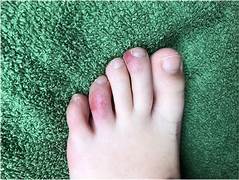
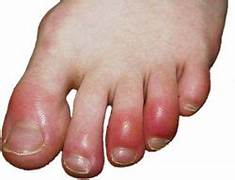
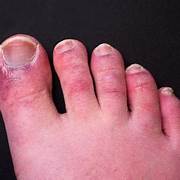
    Chilblains, also known as pernio, are painful, itchy swellings that occur on the skin due to exposure to cold and damp conditions. They result from poor circulation and abnormal reaction of blood vessels to cold temperatures, leading to inflammation in the affected areas. Chilblains typically appear on the toes, fingers, ears, and nose and are more common in people with poor circulation or underlying health conditions such as Raynaud’s phenomenon.

    Although chilblains are not usually serious, they can be uncomfortable and, if left untreated, may lead to complications such as blisters, skin ulcers, or infections. Understanding the causes, symptoms, and prevention methods can help minimize their occurrence and discomfort.


    What Causes Chilblains?

    Chilblains develop when the skin is exposed to cold temperatures, causing the small blood vessels to constrict. When the skin warms up too quickly, blood flow returns rapidly, leading to leakage of blood into surrounding tissues and inflammation. This results in redness, swelling, and discomfort.

    Risk Factors for Chilblains:

    Cold and damp weather – sudden exposure to low temperatures or fluctuating weather conditions.
    Poor circulation – conditions like Raynaud’s disease increase susceptibility.
    Autoimmune disorders – diseases like lupus can contribute to chilblain formation.
    Tight footwear – restricts blood flow and increases the risk of developing chilblains.
    Smoking – nicotine constricts blood vessels, making chilblains more likely.
    Low body weight – people with less body fat have reduced insulation against the cold.


    Symptoms of Chilblains

    Chilblains typically appear within a few hours of cold exposure and cause the following symptoms:

    Red, purple, or blue discoloration of the skin
    Itching, burning, or tingling sensation
    Swelling and tenderness in the affected area
    Dry, cracked skin, sometimes with small blisters
    In severe cases, ulcers or infections may develop

    Chilblains usually last for one to three weeks, but if they persist or become infected, medical attention is necessary.


    How to Treat Chilblains?

    Although chilblains usually heal on their own, proper care can speed up recovery and prevent complications.

    Home Treatment for Chilblains:

    Gradual warming of the affected area – avoid sudden heat exposure; instead, warm up gradually with wool socks, gloves, or warm (not hot) water.
    Moisturize the skin – apply fragrance-free creams or lanolin-based products to prevent dryness and cracking.
    Keep skin dry and warm – wear insulating clothing and breathable socks.
    Avoid scratching – scratching worsens irritation and may lead to infections.
    Elevate the affected area – this helps reduce swelling.

    Medical Treatment for Chilblains:

    If chilblains become severe or recurrent, a doctor may recommend:
    Nifedipine (vasodilator medication) – improves circulation by relaxing blood vessels.
    Topical steroids – help reduce inflammation and discomfort.
    Antibiotics – prescribed in case of secondary infections.


    Prevention of Chilblains

    To minimize the risk of chilblains, follow these preventive measures:

    Dress warmly in cold weather – wear thick socks, insulated gloves, and proper footwear.
    Layer clothing – use thermal layers to maintain body temperature.
    Keep feet dry – moisture can exacerbate chilblains, so change socks regularly.
    Exercise regularly – improves circulation and reduces the likelihood of chilblains.
    Avoid rapid temperature changes – allow the body to warm up gradually after cold exposure.
    Use moisturizers – protect the skin from drying out and cracking.


    When to See a Doctor?

    Consult a healthcare professional if:
    ✔ Chilblains last longer than three weeks or worsen.
    ✔ You notice blisters, ulcers, or signs of infection (redness, pus, severe pain).
    ✔ You experience recurring chilblains, as they may indicate an underlying circulatory problem.


    Conclusion

    Chilblains can be an uncomfortable reaction to cold exposure, but with proper prevention, care, and treatment, their effects can be minimized. Keeping feet warm, improving circulation, and avoiding rapid temperature changes are key strategies in managing chilblains.

    If you frequently suffer from chilblains, consider visiting a Foot Health Practitioner for professional foot care and personalized recommendations. Your feet deserve the best care, so don’t ignore the early signs of circulation problems! 🦶❄️

  • The Impact of Chronic Diseases on Foot Health: How Diabetes, Arthritis, and Cardiovascular Diseases Affect the Feet and How to Prevent Complications

    Foot health is closely linked to overall well-being, and chronic conditions such as diabetes, arthritis, and cardiovascular diseases can significantly impact the feet. Without proper care and prevention, these conditions can lead to severe complications, including pain, mobility issues, infections, and even amputations. In this article, we will explore how these diseases affect foot health and discuss effective preventive measures.


    1. Diabetes and Its Impact on Foot Health

    Diabetic Neuropathy and Loss of Sensation

    One of the most common complications of diabetes is diabetic neuropathy, which damages nerves and causes a loss of sensation in the feet. As a result, people with diabetes may not feel cuts, burns, or injuries, increasing the risk of infections and slow-healing wounds.

    Diabetic Foot Syndrome and Infections

    Prolonged high blood sugar levels can impair circulation in the lower limbs, leading to diabetic foot ulcers—open sores that are slow to heal and prone to infections. In severe cases, untreated wounds can lead to amputation.

    Prevention Strategies

    Daily foot inspections – check feet for cuts, blisters, and wounds.
    Moisturize regularly – keep the skin hydrated to prevent cracks.
    Wear proper footwear – avoid tight, rubbing, or ill-fitting shoes.
    Control blood sugar levels – maintain stable glucose levels to improve circulation.
    Regular check-ups – visit a podiatrist or diabetes specialist for routine assessments.


    2. Arthritis and Its Impact on Foot Health

    Pain, Stiffness, and Deformities

    Arthritis refers to various inflammatory joint diseases that cause chronic pain, stiffness, and deformities in the feet. This can severely limit mobility and reduce the quality of life.

    Gout – A Specific Form of Arthritis

    Gout is a type of arthritis caused by uric acid crystal buildup in the joints, leading to sudden and intense pain, redness, and swelling—often in the big toe.

    Prevention Strategies

    Anti-inflammatory diet – reduce red meat, alcohol, and sugar intake.
    Regular exercise – keep joints flexible and strong.
    Wear supportive footwear – choose well-cushioned shoes that support the natural foot arch.
    Physical therapy – exercises and massages to maintain joint mobility.
    Medications – anti-inflammatory drugs and uric acid-lowering treatments.


    3. Cardiovascular Diseases and Their Impact on Feet

    Circulatory Issues and Swelling

    Cardiovascular diseases, such as atherosclerosis, hypertension, and chronic venous insufficiency, can impair blood circulation to the feet, causing:
    ✔ Cold, pale feet,
    ✔ Swelling, especially around the ankles,
    ✔ Pain while walking (claudication).

    Varicose Veins and Blood Clots

    People with venous insufficiency are prone to varicose veins, which can lead to deep vein thrombosis (DVT)—a condition that may cause dangerous blood clots.

    Prevention Strategies

    Regular physical activity – walking, swimming, and leg exercises to improve circulation.
    Avoid prolonged sitting or standing – move frequently to prevent blood pooling.
    Elevate the legs – rest with feet raised to reduce swelling.
    Skin care routines – prevent venous ulcers by keeping the skin hydrated.
    Compression stockings – support proper blood circulation.


    Conclusion

    Chronic diseases such as diabetes, arthritis, and cardiovascular conditions have a major impact on foot health. If left untreated, they can lead to pain, deformities, infections, and, in severe cases, amputations. Early detection, proper foot care, and regular medical check-ups are crucial for preventing complications.

    By adopting a healthy lifestyle—including a balanced diet, physical activity, and proper foot hygiene—you can maintain strong, pain-free feet and enjoy greater mobility for years to come.