Tag: wellness

  • ☕ Coffee and Cancer — What Science Says in 2025

    Can a simple cup of coffee really protect you from cancer?

    For years, coffee had a bad reputation — people claimed it raised blood pressure, dehydrated the body, and was bad for the heart.
    Today, research paints a completely different picture. Modern studies show that moderate coffee consumption may reduce the risk of several chronic diseases, including liver and colon cancer.

    But can we really call it an anticancer beverage? Let’s look at what the latest scientific evidence says.


    🔬 What’s inside coffee that makes it so special?

    Coffee is more than caffeine. It contains over 1,000 bio-active compounds, including:

    • Polyphenols (like chlorogenic acid) — anti-inflammatory and antioxidant,
    • Diterpenes (cafestol and kahweol) — support liver detoxification enzymes,
    • Melanoidins — formed during roasting, promote gut health,
    • Minerals — magnesium, potassium, and niacin support metabolism.

    These compounds help neutralize oxidative stress, reduce inflammation, and improve insulin sensitivity — mechanisms that may explain why regular coffee drinkers show lower rates of liver and colon cancers.


    ☕ Coffee and Liver Cancer — the strongest evidence

    The link between coffee and a lower risk of liver cancer is one of the best documented.

    • A large Japanese meta-analysis (Tamura et al., BMC Cancer, 2019) involving over 600,000 participants found that heavy coffee drinkers had about 50% lower risk of liver cancer compared with non-drinkers.
    • An earlier Japanese prospective study (JNCI, 2007) reported that people drinking five or more cups daily had a 76% reduction in liver cancer risk.

    Researchers believe that coffee helps by reducing inflammation and oxidative stress — particularly among individuals infected with hepatitis B or C viruses, which are major causes of liver cancer in Asia.

    In Europe, the protective effect is milder but still significant. The EPIC cohort (over 500,000 people) and the WCRF/AICR 2024 report both show that regular coffee intake is linked to a 20–40% lower risk of liver cancer.


    🌏 Why the effect differs between Japan and Europe

    Several factors explain the differences:

    • Main causes of liver disease: In Japan, hepatitis infections dominate; in Europe, it’s obesity, alcohol, and fatty liver.
    • Genetic differences: Asian populations more often carry variants of genes (like CYP1A2) that slow caffeine metabolism.
    • Coffee type: Japan mostly drinks filtered coffee; Europeans favor espresso or French press (which contain more diterpenes that can raise LDL).
    • Baseline risk: A higher initial disease risk makes the relative effect appear stronger.

    👉 The conclusion: the protective trend is universal, but its magnitude varies by population and lifestyle.


    🧠 Coffee and Colorectal Cancer — fresh insights

    A study from the USC Norris Comprehensive Cancer Center (Stephen Gruber et al.) and the MECC Study (Frontiers in Nutrition, 2024) examined more than 9,000 participants:

    • Drinking 1–2 cups of coffee per day was linked to a 26% lower risk of colon cancer,
    • Drinking more than 2.5 cups was associated with up to 50% lower risk,
    • The effect was seen for both regular and decaffeinated coffee.

    This suggests that the benefits come not from caffeine alone, but also from the complex mix of polyphenols, diterpenes, and antioxidants in coffee.


    🧃 Does adding milk or cream destroy the benefits?

    A common myth says that milk cancels out coffee’s antioxidants.
    Recent research from the University of Copenhagen (Journal of Agricultural and Food Chemistry, 2023) found the opposite: milk proteins can actually stabilize antioxidants and prolong their activity in the body.

    If you’re on a keto diet, coffee with cream or MCT oil can be even more beneficial — fat improves the absorption of fat-soluble polyphenols.

    ✅ In short: adding cream does not destroy coffee’s health benefits, as long as you:

    • Skip sugar and syrups,
    • Brew at 92–96 °C,
    • Serve below 65 °C to avoid esophageal irritation.

    ❤️ What if you have high LDL cholesterol?

    If your LDL is elevated, coffee type matters.
    Unfiltered coffee (espresso, moka, French press) contains cafestol and kahweol, which can raise LDL levels.

    🩺 The simple fix:
    Drink paper-filtered coffee (drip, Chemex, Aeropress) — it retains flavor and antioxidants while removing most diterpenes.

    That way, you keep the anti-inflammatory benefits without the cholesterol bump.


    🔥 How much coffee is healthy?

    According to the European Food Safety Authority (EFSA):

    • Up to 400 mg of caffeine/day (about 3–5 cups) is safe for healthy adults.
    • Pregnant women should limit to 200 mg/day.

    Most benefits appear at 2–4 cups per day. Too much caffeine, however, may cause anxiety or disrupt sleep in sensitive individuals.


    ☕ Brewing coffee the healthy way

    StepRecommendationWhy
    Brewing temperature92–96 °COptimal extraction of polyphenols
    Drinking temperature< 65 °CAvoids esophageal cancer risk (WHO/IARC)
    Brewing methodPaper filterRemoves LDL-raising diterpenes
    Ratio1:16–1:18 (coffee:water)Specialty Coffee Association “Gold Cup” standard
    StorageAirtight, dry, coolPreserves aroma and antioxidants

    🩸 Coffee and your cholesterol profile

    Example: if your labs show LDL 165 mg/dL, HDL 70, TG 54, your metabolic profile is excellent despite high LDL — TG/HDL < 1 indicates good insulin sensitivity.
    In this case, filtered coffee with cream fits perfectly into a keto or low-carb lifestyle.

    For more insight, consider tracking:

    • ApoB (LDL particle count),
    • hs-CRP (inflammation marker),
    • Fasting insulin or HOMA-IR.

    These provide a better risk picture than total cholesterol alone.


    🩺 What major health authorities say

    • WHO / IARC (2016) — Coffee is not carcinogenic; only very hot drinks (> 65 °C) increase esophageal cancer risk.
    • WCRF/AICR (2024) — Strong evidence that coffee protects against liver and endometrial cancer; probable benefit for colon cancer..
    • BMJ Umbrella Review (Poole et al., 2017) — 3–4 cups/day linked to lower all-cause mortality and reduced risk of heart and liver disease.
    • EFSA (2021) — Confirms caffeine safety up to 400 mg/day for adults.

    ☕ Bottom line

    Coffee isn’t just an energy booster — it’s a scientifically supported wellness drink.
    Its strongest protective effects are seen for liver and colon cancers, but benefits also extend to type 2 diabetes and cardiovascular health.

    The keys: moderation, proper brewing, and mindful temperature.
    You don’t need five cups a day like in Japanese studies — even 2–3 cups of well-brewed, filtered coffee without sugar can make a meaningful difference.


    📚 References (credible scientific sources)

    1. Tamura T. et al. Coffee consumption and liver cancer risk in Japan: a meta-analysis of six prospective cohort studies. BMC Cancer, 2019.
    2. Inoue M. et al. Coffee drinking and hepatocellular carcinoma in a Japanese population. JNCI, 2007.
    3. WCRF/AICR. Continuous Update Project: Diet, Nutrition, Physical Activity and Liver Cancer., 2024.
    4. Poole R. et al. Coffee consumption and health: umbrella review of meta-analyses. BMJ, 2017.
    5. Gruber S. B. et al. MECC Study / USC Norris Comprehensive Cancer Center. Frontiers in Nutrition, 2024.
    6. EFSA Scientific Opinion on Caffeine Safety, 2021.
    7. WHO / IARC Monograph 116: Drinking Coffee, Mate and Very Hot Beverages., 2016.
    8. Jespersen A. et al. Protein–polyphenol interactions in coffee and milk: implications for antioxidant activity. Journal of Agricultural and Food Chemistry, 2023.
    9. EPIC Cohort Study, European Prospective Investigation into Cancer and Nutrition., Lancet Public Health, 2022.
  • 🧠 Metabolic Psychiatry and the Low-Carbohydrate Diet – A New Perspective on Mental Health

    Can what we eat really affect our mood and mental health?

    More and more research shows that the brain is not only the center of our emotions and thoughts but also a metabolic organ — consuming around 20% of all the body’s energy.
    If energy is not supplied or used efficiently, brain functions such as mood, focus, and stress resilience can be disrupted.
    This idea lies at the heart of metabolic psychiatry – an emerging medical field combining insights from neurology, psychiatry, and metabolism.


    🔬 What Is Metabolic Psychiatry?

    Metabolic psychiatry explores how disturbances in brain energy metabolism (such as insulin resistance, oxidative stress, inflammation, and mitochondrial dysfunction) may contribute to mental health disorders, including:

    • depression
    • anxiety
    • schizophrenia
    • bipolar disorder
    • cognitive impairment

    According to Dr. Christopher M. Palmer from Harvard Medical School, author of Brain Energy (2022), many psychiatric conditions can be understood as metabolic disorders of the brain.
    When neurons cannot efficiently produce or use energy, their function becomes unstable — which can lead to mood swings, anxiety, or cognitive decline.


    🥑 How a Low-Carbohydrate Diet Supports the Brain

    A low-carbohydrate (low-carb) or ketogenic diet may support brain function through several mechanisms that have been documented in scientific research:

    1️⃣ A Better Source of Energy for Neurons

    When carbohydrate intake is reduced, the body produces ketone bodies (such as beta-hydroxybutyrate), which serve as a cleaner and more stable fuel for the brain than glucose.
    Studies (Frontiers in Psychiatry, 2022) show that ketones may improve mitochondrial function and neural stability.

    2️⃣ Reducing Inflammation

    Chronic inflammation is commonly associated with depression and other mental illnesses.
    A ketogenic diet helps lower inflammatory markers such as CRP and interleukin, supporting the brain’s recovery and stability.

    3️⃣ Stabilizing Blood Sugar and Insulin

    Frequent blood sugar fluctuations can lead to fatigue, irritability, and anxiety.
    A low-carbohydrate diet helps maintain stable glucose levels, promoting better emotional balance.

    4️⃣ Supporting Neurotransmitter Balance

    Ketones can influence the balance between GABA (calming neurotransmitter) and glutamate (stimulating neurotransmitter).
    This balance is crucial for conditions such as epilepsy, anxiety, and depression.


    📚 What Does the Research Say?

    • ✅ Stanford Medicine (2024) reported a pilot study where patients with severe psychiatric disorders following a ketogenic diet showed improvements in mood, concentration, and body weight.
    • ✅ A review published in Frontiers in Psychiatry (2022) found that ketogenic diets may support the treatment of mood disorders and schizophrenia by improving brain metabolism.
    • ✅ A 2023 analysis in BMC Medicine concluded that low-carbohydrate diets enhance metabolic function and could be a promising adjunct in mental health, though more long-term studies are needed.

    While most research is still in early stages, the results are highly encouraging, particularly for people who have not fully responded to traditional pharmacological treatments.


    ⚠️ Important: Diet Is Not a Replacement for Psychiatric Care

    A low-carbohydrate or ketogenic diet should never replace psychiatric treatment.
    It can, however, serve as metabolic support that complements existing therapies, especially in people with insulin resistance, obesity, or type 2 diabetes.
    Any dietary change should always be made under professional supervision, particularly for individuals taking psychiatric or metabolic medications.


    🌿 Key Takeaways

    • Mental health and metabolic health are deeply connected — the brain depends on stable energy metabolism to function optimally.
    • A low-carbohydrate or ketogenic diet may improve brain function by:
      • enhancing energy efficiency,
      • reducing inflammation,
      • stabilizing blood sugar levels,
      • supporting mitochondrial performance.
    • This approach offers exciting potential in mental health care but requires further scientific research and personalized medical guidance.

    📖 Scientific References

    1. Palmer, C. M. (2022). Brain Energy: A Revolutionary Breakthrough in Understanding Mental Health—and Improving Treatment for Anxiety, Depression, OCD, PTSD, and More. BenBella Books.
    2. Sethi, J. K., et al. (2022). The Ketogenic Diet for Refractory Mental Illness. Frontiers in Psychiatry.
    3. Ghasemi, P., et al. (2024). Impact of Very Low Carbohydrate Ketogenic Diets on Cardiovascular and Metabolic Risk Factors. Nutrition & Metabolism.
    4. Stanford Medicine News Center (2024). “Keto diet shows promise for serious mental illness.”
    5. BMC Medicine (2023). Effects of Ketogenic Diets on Health Outcomes: An Umbrella Review of Meta-Analyses.
  • Processed Food: A Hidden Driver of Modern Illnesses?

    The Modern Diet – Fast, Cheap, but Dangerous?

    In a world where convenience often dictates our food choices, ultra-processed food has become a staple in many diets. However, emerging evidence suggests that these products—though affordable and long-lasting—could pose serious risks to our health.


    What Is Processed or Ultra-Processed Food?

    Processed food refers to products that have been significantly altered from their natural state. Ultra-processed foods (UPFs) typically contain:

    • Artificial sweeteners (e.g., aspartame)
    • Flavor enhancers (e.g., MSG)
    • Emulsifiers and stabilizers
    • Genetically modified soy protein
    • Refined vegetable oils
    • Preservatives, colorants, and synthetic additives

    Common examples include: packaged snacks, fast food, instant soups, sweetened beverages, deli meats, and soy-based meat substitutes.


    Key Health Risks Associated with Processed Food

    🧬 Cancer Risk

    A large-scale British study published in The Lancet found a clear correlation between the intake of ultra-processed food and the risk of developing various cancers, especially in middle-aged adults.

    Reference: Fiolet, T. et al. (2018). Consumption of ultra-processed foods and cancer risk: results from NutriNet-Santé prospective cohort. BMJ, 360, k322. https://doi.org/10.1136/bmj.k322


    🌱 Gut Health and Autoimmune Concerns

    Genetically modified soy proteins contain immune-reactive globulins that may damage the intestinal lining, increasing permeability (“leaky gut”), disturbing the microbiome, and raising the risk of autoimmune disorders.

    Reference: Rezaie, A., Buresi, M., Lembo, A., et al. (2017). Hydrogen sulfide in gastrointestinal diseases. Digestive Diseases and Sciences, 62(9), 2241–2257. https://doi.org/10.1007/s10620-017-4626-2


    🧠 Neurotoxic Effects

    Additives like aspartame and MSG (monosodium glutamate) have been associated with:

    • Headaches and dizziness
    • Sleep disturbances
    • Cognitive impairment
    • Increased risk of neurodegenerative diseases

    Reference: Walton, R. G. (1996). Adverse reactions to aspartame: Double-blind challenge in patients from a vulnerable population. Biological Psychiatry, 40(8), 578–582.

    Reference: Olney, J. W. (1994). Excitotoxins in foods. Neurotoxicology, 15(3), 535–544.


    🔥 Oxidative Stress from Heated Oils

    Foods fried in vegetable oils release toxic aldehydes and acrylamide, which damage mitochondria, reduce energy production, and increase the risk of cancer.

    Reference: Zhang, Y., & Zhang, G. (2007). Formation and mitigation of acrylamide in heat-processed foods. Journal of Food Science, 72(6), R174–R183.


    🧪 Additives and Functional Ingredients

    Transglutaminase (“meat glue”) and food colorants are commonly used to improve texture or appearance. However, they may create novel protein structures that are poorly digested and unrecognized by the immune system.

    Reference: Gianferri, R., et al. (2021). Transglutaminase: A review of enzymatic properties and food applications. Foods, 10(12), 3086. https://doi.org/10.3390/foods10123086


    Why It Matters

    • Long-term consumption of ultra-processed foods is associated with higher mortality, obesity, heart disease, type 2 diabetes, and mental health disorders.
    • Children, the elderly, and people with chronic illness are most vulnerable to the effects of artificial food chemicals.
    • Nutrient absorption, hormone balance, fertility, cognitive development, and immune function can all be impaired.

    Reference: Monteiro, C. A., et al. (2019). Ultra-processed foods: what they are and how to identify them. Public Health Nutrition, 22(5), 936–941. https://doi.org/10.1017/S1368980018003762


    What You Can Do

    ✔ Choose whole, unprocessed foods
    ✔ Cook more meals at home
    ✔ Read ingredient labels carefully
    ✔ Avoid products with long, unrecognizable ingredient lists
    ✔ Prioritize quality protein sources, healthy fats, and fiber


    Final Thoughts

    Ultra-processed foods may offer convenience and low cost, but they come at a significant price to your health. The science is clear: what you eat shapes your long-term well-being. Make informed choices to protect your body and brain.

    🧠 Real food fuels real health.

  • The Healing Power of Iodine: A Fascinating Insight from Lynne Farrow’s ‘The Iodine Crisis’

    Did you know iodine, a mineral most people associate only with thyroid health, might actually have far broader healing properties? Lynne Farrow, in her influential book “The Iodine Crisis,” argues that iodine deficiency is far more common and serious than previously thought, potentially influencing overall health significantly.

    Surprising Benefits of Iodine

    According to Farrow, iodine is crucial not only for thyroid function but also for the health of breasts, prostate, ovaries, and even cognitive functioning. She cites numerous cases where iodine supplementation led to improvements in:

    • Energy levels and mental clarity
    • Breast health and decreased fibrocystic breast conditions
    • Hormonal balance and reproductive health
    • Immune system support

    Scientific Insights on Iodine

    Scientific studies support some of Farrow’s claims regarding iodine’s health benefits. Research indicates iodine supplementation can indeed help reduce symptoms of fibrocystic breast disease, improve cognitive function, and support thyroid health. For instance, a study published in the Journal of the American Medical Association (JAMA) highlighted iodine’s effectiveness in reducing breast pain and cyst size in patients with fibrocystic breast disease. Additionally, research published in “Thyroid Research” found that adequate iodine intake is essential for optimal thyroid gland function and overall metabolic health.

    Why Isn’t There More Research?

    Despite these promising findings, iodine remains surprisingly under-researched. Several factors contribute to this lack of extensive scientific inquiry:

    • Lack of commercial interest: Iodine is inexpensive and cannot be patented, reducing pharmaceutical companies’ incentives to invest in extensive research.
    • Market dominance of patented treatments: Companies prefer funding research on patented medications that promise greater profits, sidelining iodine research.
    • Safety concerns: Excessive iodine intake can lead to thyroid dysfunction, making researchers cautious in designing clinical trials.
    • Limited medical awareness: Conventional medicine often focuses on newer treatments, causing iodine therapy to be overlooked despite its potential benefits.

    Historically, medical textbooks provided doctors with comprehensive knowledge about iodine therapy. Today, however, medical education has shifted toward primarily prescribing pharmaceutical drugs, significantly narrowing the understanding and application of iodine treatments among healthcare professionals. It is important to note, however, that this does not mean that modern doctors lack all knowledge about iodine’s benefits. Instead, the mainstream medical education system tends to prioritize treatments that align with contemporary pharmaceutical practices, often neglecting older or alternative therapies.

    These factors collectively explain the relatively limited scope of research into iodine’s therapeutic properties, despite promising early results.

    The Forgotten Nutrient

    Historically, iodine was commonly used medically, yet over time, its significance has been largely forgotten or underestimated in conventional medicine. Farrow highlights that modern diets and environmental toxins have significantly increased the global risk of iodine deficiency, contributing to many chronic health issues.

    Is Iodized Salt Effective?

    While iodized salt is commonly recommended as a source of iodine, it’s important to know that the iodine in salt may evaporate or oxidize after the package is opened or during cooking, reducing its effectiveness. Consequently, relying solely on iodized salt might not sufficiently ensure adequate iodine intake. To reliably meet iodine needs, consider including foods naturally rich in iodine, such as seafood, seaweed, or supplements under professional guidance.

    How to Safely Supplement Iodine

    Farrow recommends careful and informed supplementation, emphasizing the importance of:

    • Consulting with healthcare professionals knowledgeable about iodine therapy.
    • Starting supplementation slowly, gradually increasing dosage while monitoring symptoms and thyroid function.
    • Complementing iodine intake with other vital nutrients such as selenium, magnesium, and vitamin C.

    Cautions and Considerations

    While iodine can be immensely beneficial, it should always be used responsibly. Excess iodine can lead to thyroid dysfunction, so regular monitoring and medical guidance are essential.

    Final Thoughts

    Iodine, as Lynne Farrow emphasizes, is a powerful yet underappreciated nutrient that may significantly improve health when used appropriately. Always discuss iodine supplementation with a healthcare provider to tailor an approach that’s safe and beneficial for your individual health needs.

  • Calcium and Vitamin D: A Healthy Combination or a Risk to Your Arteries?

    Calcium and vitamin D are commonly recommended together for maintaining healthy bones and teeth, preventing osteoporosis, and ensuring proper muscle function. However, recent studies have raised concerns about whether this popular supplementation duo could increase the risk of arterial calcification, potentially leading to heart problems. So, what’s the truth?

    Benefits of Calcium and Vitamin D

    Vitamin D enhances calcium absorption from the digestive system, helping your body effectively use the calcium you consume. Together, these nutrients are crucial for:

    • Building and maintaining strong bones
    • Reducing osteoporosis risk
    • Supporting muscle and nerve function

    Potential Risks of Calcium Deposits

    Recent research suggests that when calcium is taken in large doses, especially without the proper balance of vitamins D and K2, it might not always end up in bones. Instead, excess calcium can be deposited in soft tissues, including arteries, increasing the risk of atherosclerosis (hardening of the arteries) and cardiovascular diseases.

    The Crucial Role of Vitamin K2

    To avoid this unintended consequence, vitamin K2 is essential. This vitamin activates specific proteins like osteocalcin and Matrix Gla Protein (MGP), directing calcium precisely where it’s needed—into bones rather than artery walls. Without adequate vitamin K2, the beneficial calcium and vitamin D combination can lose effectiveness and safety.

    How to Supplement Safely

    To maintain the benefits and avoid risks, consider these tips:

    • Limit calcium supplementation to recommended doses (usually 800–1200 mg/day).
    • Supplement vitamin D3 at moderate levels (typically 1000–2000 IU/day).
    • Ensure adequate vitamin K2 intake through diet (fermented foods, cheeses, natto) or supplements (K2 MK-7: around 90–120 µg/day).

    Who Should Be Especially Cautious?

    Certain individuals need to pay extra attention, including those:

    • With existing cardiovascular diseases or a history of artery calcification
    • Suffering from kidney disorders
    • Elderly adults who naturally have a higher risk of arterial calcification

    Final Thoughts

    Calcium and vitamin D remain a valuable pair for bone health, but they must be balanced properly with vitamin K2 to protect your arteries. As always, before starting or adjusting your supplementation routine, discuss it with your healthcare provider to ensure it aligns with your personal health needs.

  • Non-Alcoholic Fatty Liver Disease – How Can Diet Help?

    Introduction

    Non-alcoholic fatty liver disease (NAFLD) is one of the most common liver conditions worldwide, affecting up to 25% of the population. It is closely linked to obesity, insulin resistance, and an unhealthy diet. While NAFLD is often asymptomatic, it can progress to serious complications such as non-alcoholic steatohepatitis (NASH), liver cirrhosis, and an increased risk of liver cancer. Diet plays a crucial role in both the prevention and management of this condition.

    How Diet Affects Non-Alcoholic Fatty Liver Disease

    Recent studies indicate that dietary modifications can reduce liver fat, improve insulin sensitivity, and lower inflammation. Here are the most effective dietary strategies for NAFLD:

    1. Limiting Simple Sugars and High-Fructose Corn Syrup

    📌 Research shows that excessive fructose consumption from sugar and processed foods triggers hepatic lipogenesis, leading to fat accumulation in the liver. Diets high in sugary drinks and ultra-processed foods accelerate NAFLD progression.

    ✅ Replace sugary drinks with water, herbal teas, or lemon-infused water. ✅ Avoid sweets, pastries, white bread, and processed foods.

    2. Adopting a Mediterranean or Low-Carb Diet

    📌 The Mediterranean diet, rich in healthy fats (olive oil, nuts), vegetables, fruits, and fish, is associated with reduced liver fat and improved insulin sensitivity.

    📌 Low-carb and ketogenic diets also show promising effects by lowering triglycerides, reducing liver fat, and improving glucose metabolism.

    ✅ Include fatty fish (salmon, mackerel), olive oil, avocados, nuts, seeds, whole grains, and vegetables. ✅ Reduce processed foods, refined grains, dark bread (whole grain and rye), potatoes, chips, rice, and all types of pasta – both white and whole grain.

    3. Increasing Fiber Intake

    📌 Fiber enhances gut microbiota health, decreases fat absorption, and supports better liver metabolism.

    ✅ Eat more leafy greens, broccoli, cauliflower, flaxseeds, almonds, and whole grains. ✅ Avoid low-fiber processed foods like fast food and ready-made meals.

    4. Consuming High-Quality Protein

    📌 Studies suggest that protein from fish, poultry, and plant sources is more beneficial for liver health than red meat and processed meats.

    ✅ Choose lean meats, tofu, eggs, nuts, and seeds. ✅ Limit excessive red meat and processed deli meats containing preservatives.

    Conclusion

    NAFLD can be reversed or slowed down with the right diet and lifestyle changes. Reducing simple sugars, increasing healthy fats, fiber, and protein intake, while avoiding processed foods, can significantly improve liver health. Even moderate weight loss (5-10% of body weight) can drastically reduce liver fat and enhance liver function. Taking proactive dietary steps can help protect the liver and promote overall well-being.

  • Metabolic Psychiatry – The Impact of Diet on Mental Health

    Introduction

    In recent years, researchers have discovered a profound connection between metabolism and mental health, giving rise to a new field known as metabolic psychiatry. This emerging discipline explores how diet and metabolic health influence mental well-being, mood disorders, and even neurodegenerative diseases. Understanding the role of nutrition in brain function offers new strategies for managing conditions such as depression, anxiety, bipolar disorder, and schizophrenia.

    The Gut-Brain Connection

    The human gut is often referred to as the “second brain” due to its extensive network of neurons and its ability to produce neurotransmitters such as serotonin and dopamine. Studies show that an imbalanced diet high in processed foods, sugars, and unhealthy fats can disrupt gut microbiota, leading to chronic inflammation and neurotransmitter imbalances, which are linked to mental health disorders.

    ✅ Healthy gut microbiota enhances mood and cognitive function.
    ❌ Dysbiosis (gut imbalance) contributes to anxiety, depression, and brain fog.

    How Diet Affects Mental Health?

    Nutrition plays a crucial role in brain function, directly impacting mood, stress levels, and cognitive performance. Specific dietary patterns have been linked to improved mental well-being:

    1. The Role of Low-Carb and Ketogenic Diets

    🔹 Stabilizing Mood: A low-carb or ketogenic diet helps regulate blood sugar levels, reducing mood swings and anxiety. Studies show that ketones provide a more stable energy source for the brain, improving cognitive clarity and emotional balance.

    🔹 Neuroprotection: Ketogenic diets have been used as therapy for epilepsy, Alzheimer’s, and bipolar disorder, showing promising effects on reducing neuroinflammation and oxidative stress.

    🔹 Depression and Anxiety Management: Lowering carbohydrate intake has been associated with reduced symptoms of major depressive disorder and generalized anxiety disorder.

    2. The Mediterranean Diet for Brain Health

    🔹 Rich in healthy fats (olive oil, nuts, fatty fish), fiber, and antioxidants, this diet has been linked to a lower risk of depression and improved cognitive function.

    🔹 Polyphenols and Omega-3 fatty acids found in Mediterranean foods support neurotransmitter balance and reduce inflammation, protecting against mood disorders.

    3. The Impact of Sugar and Processed Foods

    🔹 High sugar intake can cause blood sugar crashes, leading to irritability, fatigue, and brain fog.

    🔹 Processed foods containing artificial additives and trans fats are linked to increased rates of depression and cognitive decline.

    🔹 Eliminating ultra-processed foods and prioritizing whole, nutrient-dense meals can significantly improve mental well-being.

    The Connection Between Insulin Resistance and Mental Health

    Research shows that insulin resistance, often caused by poor diet and metabolic dysfunction, is linked to cognitive decline and psychiatric disorders.

    ⚠️ People with insulin resistance are at a higher risk of developing Alzheimer’s disease, sometimes referred to as “Type 3 diabetes”.

    ⚠️ Depression and schizophrenia have been associated with dysregulated glucose metabolism, making dietary interventions crucial for managing symptoms.

    Practical Tips for a Metabolically Healthy Brain

    Reduce refined sugar and processed foods to stabilize mood.
    Prioritize healthy fats like omega-3s, olive oil, and nuts for brain support.
    Increase fiber intake with vegetables and fermented foods to support gut health.
    Consider intermittent fasting, which has shown potential in improving mental clarity and reducing symptoms of depression and anxiety.
    Stay hydrated and include essential minerals like magnesium and zinc, which play a key role in brain function.

    Conclusion

    Metabolic psychiatry highlights the powerful connection between diet and mental health, offering new insights into how nutritional strategies can support mood stability, cognitive function, and long-term brain health. By focusing on a nutrient-dense, anti-inflammatory diet, individuals struggling with mental health conditions may find a natural and effective way to enhance their well-being. The future of mental health care may lie not just in medication but in what we put on our plates.

    Growing evidence suggests that targeted dietary interventions, such as ketogenic and Mediterranean diets, can significantly reduce the risk of mood disorders, while intermittent fasting may improve cognitive function. While more research is needed to fully understand the mechanisms, the role of nutrition in psychiatric treatment is becoming increasingly recognized in modern medicine.

    For those looking to improve their mental well-being, small but consistent dietary changes such as reducing processed foods, prioritizing healthy fats, and stabilizing blood sugar levels can make a profound difference. As metabolic psychiatry continues to evolve, it provides hope for a future where dietary therapy is integrated into mainstream mental health care, empowering individuals to take control of their psychological and metabolic health. Metabolic psychiatry highlights the powerful connection between diet and mental health, offering new insights into how nutritional strategies can support mood stability, cognitive function, and long-term brain health. By focusing on a nutrient-dense, anti-inflammatory diet, individuals struggling with mental health conditions may find a natural and effective way to enhance their well-being. The future of mental health care may lie not just in medication but in what we put on our plates.

  • Why a Low-Carb Diet and Avoiding Brominated Flour Can Support Thyroid Health in Hashimoto’s?

    Nowadays, more and more people struggle with thyroid problems, and one of the most common autoimmune disorders is Hashimoto’s disease. Many studies indicate that a proper diet can significantly impact the health of patients. One of the most effective nutritional approaches appears to be a low-carb diet and avoiding brominated flour, which may negatively affect thyroid function.


    How Does a Low-Carb Diet Affect Hashimoto’s?

    A low-carb diet involves reducing carbohydrate intake, especially those with a high glycemic index, and replacing them with healthier fats and protein. In the context of Hashimoto’s, this can bring several benefits:

    1. Reducing Inflammation – Hashimoto’s is an autoimmune disease in which the immune system attacks the thyroid. Reducing simple sugars and processed foods helps lower inflammation and decreases the autoimmune response.
    2. Stabilizing Blood Sugar Levels – People with Hashimoto’s often suffer from insulin resistance. A low-carb diet improves insulin sensitivity, which may support thyroid function and metabolism.
    3. Supporting Gut Health and Microbiota – Leaky gut can be one of the factors exacerbating Hashimoto’s. A diet rich in healthy fats and low-carb vegetables can help rebuild gut microbiota.
    4. Better Conversion of Thyroid Hormones – Hypothyroidism is often associated with poor conversion of T4 to the active T3 form. A low-carb diet may improve this conversion, especially when rich in healthy fats such as omega-3s.

    Brominated Flour and the Thyroid – Why Avoid It?

    Bromine is a chemical element that belongs to the same group as iodine, fluorine, and chlorine (halogens). It can compete with iodine, which is essential for producing thyroid hormones. Consuming products containing bromine (e.g., brominated flour) can lead to iodine deficiency and weakened thyroid function.

    Negative Effects of Brominated Flour:

    • Blocking Iodine Absorption – The thyroid may replace iodine with bromine, leading to disruptions in hormone synthesis.
    • Increased Risk of Hypothyroidism – Bromine can weaken thyroid activity, leading to chronic fatigue, weight gain, and hormonal imbalances.
    • Neurotoxic Effects – Excess bromine in the body may cause brain fog, concentration problems, and memory impairment.

    Pesticides in Flour – A Hidden Threat to the Thyroid

    Flour, especially conventional wheat flour, may contain pesticide and herbicide residues used during crop cultivation. Some of these can negatively impact thyroid health:

    • Glyphosate – Used as a herbicide, it may disrupt enzymes responsible for thyroid hormone synthesis and weaken gut microbiota, which is crucial for autoimmune thyroid diseases.
    • Chlorinated Pesticides – These may act as endocrine disruptors, interfering with the hormonal system, including thyroid function.
    • Heavy Metal Residues – Some pesticides may contain trace amounts of heavy metals such as cadmium, which can weaken thyroid function.

    For this reason, it is worth choosing organic flour from pesticide-free crops to minimize exposure to these substances.

    Is Brominated Flour Everywhere?

    • In some countries, such as the USA, brominated flour is still allowed.
    • In the European Union, Canada, and China, the use of potassium bromate in food products is banned.
    • In the UK, the use of brominated flour is banned, following the Bread and Flour Regulations of 1998. Additionally, mandatory fortification of flour with folic acid is planned to improve public health. People with Hashimoto’s in the UK do not need to worry about brominated flour, but it is still advisable to choose the least processed products that support thyroid health.

    What Are the Best Alternatives to Brominated Flour?

    To protect thyroid health, it is best to replace processed flour with healthier options:

    • Almond, coconut, or flaxseed flour – Ideal for a low-carb diet.
    • Chestnut or buckwheat flour – Suitable for those who want a moderate carbohydrate intake.
    • Sourdough bread – Fermentation reduces the amount of anti-nutritional substances.
    • Organic flour – If you consume wheat flour, choose products from organic crops to avoid pesticides.

    Conclusion

    A low-carb diet can be an effective support for people with Hashimoto’s disease, helping reduce inflammation, stabilize blood sugar levels, and support gut function. At the same time, avoiding brominated flour and pesticide exposure can prevent iodine deficiency and thyroid dysfunction, positively impacting overall health.

    In the UK, the consumption of brominated flour is not a concern, as it is banned. Nevertheless, it is worth paying attention to product composition and choosing those that are the least processed and rich in nutrients that support thyroid health.

    People with Hashimoto’s should make conscious food choices and avoid those that may worsen their condition. A healthy diet is key to improving well-being and better body function.

    Do you follow a low-carb diet or avoid brominated flour? Share your experiences! 😊

  • The Impact of Diet on Treating Toenail Fungus – Can Nutrition Support Therapy?

    Toenail fungus (onychomycosis) is a common infection caused by dermatophytes, yeast, or molds. While antifungal medications and topical treatments are essential for eliminating the infection, growing evidence suggests that lifestyle changes, particularly dietary modifications that reduce sugar and excess carbohydrates, can not only support the treatment and prevention of toenail fungus but also have a beneficial impact on overall health. How can diet influence fungal infections, and what foods should be included or avoided to aid recovery while improving overall well-being?


    1. The Connection Between Diet and Toenail Fungus

    Diet plays a crucial role in immune function, gut microbiome health, and glucose metabolism, all of which affect the body’s ability to control fungal infections. A weakened immune system, high sugar intake, and an imbalanced gut flora can create an environment where fungal infections thrive, including those affecting toenails.

    By reducing the consumption of processed carbohydrates and sugar, it is possible to inhibit fungal overgrowth while also improving overall health by stabilizing blood sugar levels, strengthening immunity, and promoting better metabolic function.


    2. Foods That Support Toenail Fungus Treatment

    2.1. Antifungal Foods

    Certain foods possess natural antifungal properties and can support the body in fighting infections:

    • Garlic – Contains allicin, a compound with strong antifungal and immune-boosting properties.
    • Turmeric – Curcumin has powerful anti-inflammatory and antifungal effects.
    • Coconut Oil – Rich in lauric and caprylic acid, which help combat fungal infections.
    • Apple Cider Vinegar – Helps regulate pH levels and inhibits fungal growth.
    • Ginger – Supports immune function and has antifungal properties.

    2.2. Strengthening the Immune System

    A strong immune system is essential in combating infections. Including the following nutrients in your diet can help:

    • Vitamin C (citrus fruits, bell peppers, broccoli, strawberries) – Supports immunity and has antioxidant effects.
    • Vitamin D (fatty fish, eggs, mushrooms, sunlight exposure) – Regulates immune responses.
    • Zinc (nuts, pumpkin seeds, meat, seafood) – Promotes skin and nail regeneration and has antifungal properties.
    • Probiotics (kefir, natural yogurt, fermented vegetables, kombucha) – Help maintain a healthy gut microbiome, reducing fungal overgrowth.

    2.3. Low-Carb (Keto) Diet for Fungus Prevention

    Excess sugar in the diet fuels fungal overgrowth, especially Candida albicans, which is often linked to fungal nail infections. Reducing simple carbohydrates and sugar intake can help slow fungal growth. Recommended dietary changes include:

    Eating non-starchy vegetables (broccoli, zucchini, spinach, cabbage).
    Choosing healthy fats (avocados, olive oil, nuts).
    Avoiding processed foods and refined sugars (sweets, sodas, white bread).

    In addition to supporting fungal infection treatment, a low-carb or ketogenic diet improves blood sugar control and insulin sensitivity, which is especially beneficial for individuals with diabetes, insulin resistance, or metabolic disorders—conditions that often increase susceptibility to fungal infections.


    3. Foods to Avoid for Toenail Fungus Treatment

    3.1. Sugar and Processed Carbohydrates

    Fungi, especially Candida, rely on sugar as their primary energy source. Excess sugar intake promotes their growth, making treatment more challenging.

    Avoid:
    Sweets, sugary drinks, high-fructose corn syrup.
    White bread, pasta, rice, and other high-glycemic foods.
    Sweetened yogurts and fruit juices.

    3.2. Alcohol and Caffeine

    Alcohol can weaken liver function, impairing the body’s ability to eliminate toxins and fight infections. Excessive caffeine intake may also contribute to oxidative stress and nutrient depletion, weakening immunity.


    4. Lifestyle Changes – Benefits Beyond Toenail Fungus Treatment

    Adopting a low-sugar, low-carb diet not only helps treat toenail fungus but also has wide-ranging health benefits:

    Blood sugar stabilization – Reduces the risk of type 2 diabetes and insulin resistance.
    Stronger immune system – Enhances the body’s defense against fungal and bacterial infections.
    Reduced inflammation – Lowers the risk of chronic diseases, including cardiovascular issues.
    Healthier skin and nails – Promotes stronger, clearer nails and hydrated skin.


    5. Conclusion – How Can Diet Support Toenail Fungus Treatment?

    • A diet rich in antifungal foods (garlic, turmeric, apple cider vinegar, probiotics) can help fight infections.
    • Strengthening immune function with vitamins and minerals (Vitamin C, D, Zinc) can enhance the body’s defense.
    • Reducing sugar and processed foods limits fungal growth and lowers the risk of reinfection.
    • A low-carb or ketogenic diet can reduce glucose availability for fungi, supporting treatment.
    • Lifestyle changes through proper nutrition not only aid in fungal infection recovery but also promote long-term health and well-being.

    Is It Worth Changing Your Diet?

    Absolutely! Proper nutrition is not only a key part of treating toenail fungus but also a powerful way to enhance overall health, improve energy levels, and prevent future infections. By adopting a balanced, low-sugar diet, you can support both your feet and your whole body for a healthier future! 😊

  • Chilblains – Causes, Symptoms, and Effective Treatment

    What Are Chilblains?

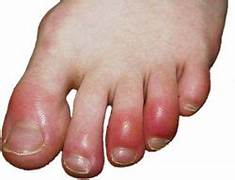
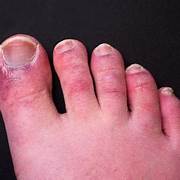
    Chilblains, also known as pernio, are painful, itchy swellings that occur on the skin due to exposure to cold and damp conditions. They result from poor circulation and abnormal reaction of blood vessels to cold temperatures, leading to inflammation in the affected areas. Chilblains typically appear on the toes, fingers, ears, and nose and are more common in people with poor circulation or underlying health conditions such as Raynaud’s phenomenon.

    Although chilblains are not usually serious, they can be uncomfortable and, if left untreated, may lead to complications such as blisters, skin ulcers, or infections. Understanding the causes, symptoms, and prevention methods can help minimize their occurrence and discomfort.


    What Causes Chilblains?

    Chilblains develop when the skin is exposed to cold temperatures, causing the small blood vessels to constrict. When the skin warms up too quickly, blood flow returns rapidly, leading to leakage of blood into surrounding tissues and inflammation. This results in redness, swelling, and discomfort.

    Risk Factors for Chilblains:

    Cold and damp weather – sudden exposure to low temperatures or fluctuating weather conditions.
    Poor circulation – conditions like Raynaud’s disease increase susceptibility.
    Autoimmune disorders – diseases like lupus can contribute to chilblain formation.
    Tight footwear – restricts blood flow and increases the risk of developing chilblains.
    Smoking – nicotine constricts blood vessels, making chilblains more likely.
    Low body weight – people with less body fat have reduced insulation against the cold.


    Symptoms of Chilblains

    Chilblains typically appear within a few hours of cold exposure and cause the following symptoms:

    Red, purple, or blue discoloration of the skin
    Itching, burning, or tingling sensation
    Swelling and tenderness in the affected area
    Dry, cracked skin, sometimes with small blisters
    In severe cases, ulcers or infections may develop

    Chilblains usually last for one to three weeks, but if they persist or become infected, medical attention is necessary.


    How to Treat Chilblains?

    Although chilblains usually heal on their own, proper care can speed up recovery and prevent complications.

    Home Treatment for Chilblains:

    Gradual warming of the affected area – avoid sudden heat exposure; instead, warm up gradually with wool socks, gloves, or warm (not hot) water.
    Moisturize the skin – apply fragrance-free creams or lanolin-based products to prevent dryness and cracking.
    Keep skin dry and warm – wear insulating clothing and breathable socks.
    Avoid scratching – scratching worsens irritation and may lead to infections.
    Elevate the affected area – this helps reduce swelling.

    Medical Treatment for Chilblains:

    If chilblains become severe or recurrent, a doctor may recommend:
    Nifedipine (vasodilator medication) – improves circulation by relaxing blood vessels.
    Topical steroids – help reduce inflammation and discomfort.
    Antibiotics – prescribed in case of secondary infections.


    Prevention of Chilblains

    To minimize the risk of chilblains, follow these preventive measures:

    Dress warmly in cold weather – wear thick socks, insulated gloves, and proper footwear.
    Layer clothing – use thermal layers to maintain body temperature.
    Keep feet dry – moisture can exacerbate chilblains, so change socks regularly.
    Exercise regularly – improves circulation and reduces the likelihood of chilblains.
    Avoid rapid temperature changes – allow the body to warm up gradually after cold exposure.
    Use moisturizers – protect the skin from drying out and cracking.


    When to See a Doctor?

    Consult a healthcare professional if:
    ✔ Chilblains last longer than three weeks or worsen.
    ✔ You notice blisters, ulcers, or signs of infection (redness, pus, severe pain).
    ✔ You experience recurring chilblains, as they may indicate an underlying circulatory problem.


    Conclusion

    Chilblains can be an uncomfortable reaction to cold exposure, but with proper prevention, care, and treatment, their effects can be minimized. Keeping feet warm, improving circulation, and avoiding rapid temperature changes are key strategies in managing chilblains.

    If you frequently suffer from chilblains, consider visiting a Foot Health Practitioner for professional foot care and personalized recommendations. Your feet deserve the best care, so don’t ignore the early signs of circulation problems! 🦶❄️