Tag: wellness

  • Why You Should Take Care of Your Feet and Visit a Foot Health Practitioner Regularly

    Our feet are the foundation of our body – they support us every day, allowing us to walk, run, and perform daily activities. Yet, they are often the most neglected part of our body. Many people only pay attention to their feet when they experience pain or discomfort, forgetting that foot problems can be an early sign of serious health conditions. Regular foot care and visits to specialists, such as Foot Health Practitioners, can prevent complications and improve overall well-being.


    1. Why Are Feet So Important?

    On average, a person takes 8,000–10,000 steps per day, which amounts to walking around the world several times in a lifetime! This constant strain can lead to various foot problems if we don’t take proper care of them.

    Feet are also a reflection of overall health. They can reveal early signs of diabetes, circulation issues, and even arthritis. Regular foot check-ups help in detecting and preventing serious conditions before they become major problems.


    2. Common Foot Problems

    Without proper care, minor foot discomfort can develop into painful and disabling conditions. Some of the most common foot issues include:

    Corns and calluses – thickened skin caused by friction and pressure, leading to pain while walking.
    Ingrown toenails – a painful condition that can cause inflammation and infections.
    Cracked heels – deep fissures that can lead to infections.
    Fungal infections (athlete’s foot, nail fungus) – common among people who wear non-breathable shoes.
    Diabetic foot ulcers – serious wounds in diabetics that may require amputation if left untreated.
    Poor circulation – symptoms include cold feet, swelling, and pain while walking.


    3. Why Visit a Foot Health Practitioner?

    Many people believe that foot care is limited to home treatments and wearing comfortable shoes. While these habits are essential, regular visits to a Foot Health Practitioner can prevent serious problems and improve quality of life.

    What Can a Foot Health Practitioner Do for You?

    Early diagnosis and prevention – detecting foot issues before they worsen.
    Treatment of common foot conditions – removal of corns, treatment of ingrown toenails, cracked heels, and fungal infections.
    Professional foot care and hygiene – procedures that cannot be done at home.
    Custom footwear and orthotic recommendations – guidance on the best shoes and insoles for your needs.
    Specialized care for diabetics and people with circulatory problems – personalized foot care to prevent serious complications.


    4. How Often Should You See a Foot Specialist?

    Healthy individuals – at least once a year for routine check-ups.
    Diabetics, people with circulation issues, or arthritis – every 3–6 months to prevent complications.
    Individuals with recurrent foot problems (ingrown nails, corns, cracked heels) – every 6–8 weeks, as recommended by a specialist.


    5. Healthy Feet = Better Quality of Life

    Foot pain, discomfort, and chronic conditions can greatly affect mobility and overall well-being. Regular visits to a Foot Health Practitioner, combined with proper foot care, can prevent serious issues and help maintain mobility and comfort for years to come.

    Don’t wait until problems arise – start taking care of your feet today!

  • The Impact of Chronic Diseases on Foot Health: How Diabetes, Arthritis, and Cardiovascular Diseases Affect the Feet and How to Prevent Complications

    Foot health is closely linked to overall well-being, and chronic conditions such as diabetes, arthritis, and cardiovascular diseases can significantly impact the feet. Without proper care and prevention, these conditions can lead to severe complications, including pain, mobility issues, infections, and even amputations. In this article, we will explore how these diseases affect foot health and discuss effective preventive measures.


    1. Diabetes and Its Impact on Foot Health

    Diabetic Neuropathy and Loss of Sensation

    One of the most common complications of diabetes is diabetic neuropathy, which damages nerves and causes a loss of sensation in the feet. As a result, people with diabetes may not feel cuts, burns, or injuries, increasing the risk of infections and slow-healing wounds.

    Diabetic Foot Syndrome and Infections

    Prolonged high blood sugar levels can impair circulation in the lower limbs, leading to diabetic foot ulcers—open sores that are slow to heal and prone to infections. In severe cases, untreated wounds can lead to amputation.

    Prevention Strategies

    Daily foot inspections – check feet for cuts, blisters, and wounds.
    Moisturize regularly – keep the skin hydrated to prevent cracks.
    Wear proper footwear – avoid tight, rubbing, or ill-fitting shoes.
    Control blood sugar levels – maintain stable glucose levels to improve circulation.
    Regular check-ups – visit a podiatrist or diabetes specialist for routine assessments.


    2. Arthritis and Its Impact on Foot Health

    Pain, Stiffness, and Deformities

    Arthritis refers to various inflammatory joint diseases that cause chronic pain, stiffness, and deformities in the feet. This can severely limit mobility and reduce the quality of life.

    Gout – A Specific Form of Arthritis

    Gout is a type of arthritis caused by uric acid crystal buildup in the joints, leading to sudden and intense pain, redness, and swelling—often in the big toe.

    Prevention Strategies

    Anti-inflammatory diet – reduce red meat, alcohol, and sugar intake.
    Regular exercise – keep joints flexible and strong.
    Wear supportive footwear – choose well-cushioned shoes that support the natural foot arch.
    Physical therapy – exercises and massages to maintain joint mobility.
    Medications – anti-inflammatory drugs and uric acid-lowering treatments.


    3. Cardiovascular Diseases and Their Impact on Feet

    Circulatory Issues and Swelling

    Cardiovascular diseases, such as atherosclerosis, hypertension, and chronic venous insufficiency, can impair blood circulation to the feet, causing:
    ✔ Cold, pale feet,
    ✔ Swelling, especially around the ankles,
    ✔ Pain while walking (claudication).

    Varicose Veins and Blood Clots

    People with venous insufficiency are prone to varicose veins, which can lead to deep vein thrombosis (DVT)—a condition that may cause dangerous blood clots.

    Prevention Strategies

    Regular physical activity – walking, swimming, and leg exercises to improve circulation.
    Avoid prolonged sitting or standing – move frequently to prevent blood pooling.
    Elevate the legs – rest with feet raised to reduce swelling.
    Skin care routines – prevent venous ulcers by keeping the skin hydrated.
    Compression stockings – support proper blood circulation.


    Conclusion

    Chronic diseases such as diabetes, arthritis, and cardiovascular conditions have a major impact on foot health. If left untreated, they can lead to pain, deformities, infections, and, in severe cases, amputations. Early detection, proper foot care, and regular medical check-ups are crucial for preventing complications.

    By adopting a healthy lifestyle—including a balanced diet, physical activity, and proper foot hygiene—you can maintain strong, pain-free feet and enjoy greater mobility for years to come.

  • How to Take Care of Your Feet with Diabetes? A Guide for Diabetics

    Diabetes is a condition that affects the entire body, and one of its most common and serious complications is diabetic neuropathy and diabetic foot syndrome. People with diabetes must take special care of their feet, as even minor injuries can lead to serious infections and complications. In this guide, you will find practical tips on how to properly care for your feet and avoid health issues.


    Why Do Diabetics Need to Pay Special Attention to Their Feet?

    People with diabetes are at higher risk of:
    Diabetic neuropathy – nerve damage leading to reduced sensation in the feet, making it easier to overlook injuries.
    Circulatory problems – diabetes worsens blood flow, making wound healing more difficult and increasing the risk of infections.
    Fungal and bacterial infections – weakened skin immunity makes even small wounds prone to serious infections.

    Remember: Even minor injuries can become dangerous. That’s why prevention and daily foot care are essential!


    Daily Foot Care – Step by Step

    1. Washing and Drying Your Feet

    🛁 Wash your feet daily in lukewarm water (never hot!) with mild, unscented soap.
    🦶 Dry your feet thoroughly, especially between the toes, to prevent fungal infections.

    2. Moisturizing the Skin

    💧 Diabetes often causes dry skin, so regularly apply moisturizing creams (e.g., with 5-10% urea), but avoid applying cream between the toes to prevent excessive moisture and fungal infections.

    3. Regular Foot Inspection

    🔍 Check your feet daily – look for scrapes, cracks, redness, or wounds. If you have trouble bending down, use a mirror or ask a family member for help.

    4. Proper Nail Trimming

    ✂️ Cut your nails straight across, avoiding rounded edges to prevent ingrown toenails. If you have trouble managing your nails, consult a podiatrist or a Foot Health Practitioner.

    5. Choosing the Right Footwear

    👟 Wear comfortable, well-fitting shoes with soft padding and a wide toe box to prevent pressure and rubbing.
    🧦 Avoid walking barefoot – even at home! Always wear socks and slippers to protect your feet from injury.

    6. Preventing Injuries and Calluses

    🚫 Do not use sharp tools to remove calluses or hard skin (e.g., scalpels, pumice stones). If you have corns or calluses, visit a podiatrist.


    When to See a Doctor?

    Do not ignore any changes in your feet! Seek medical attention if you notice:
    ⚠️ Wounds that do not heal within a few days
    ⚠️ Redness, swelling, or pus
    ⚠️ Numbness, tingling, or burning in your feet
    ⚠️ Changes in the shape of your foot, such as a collapsed arch


    Additional Tips for Diabetics

    Monitor your blood sugar levels – keeping diabetes under control reduces complications.
    Move your feet regularly – daily exercises help improve circulation.
    Avoid smoking – it worsens circulation and accelerates blood vessel damage.


    Taking care of your feet when you have diabetes is about daily prevention, which can help prevent serious complications such as diabetic foot syndrome. Regular foot care, proper footwear, and blood sugar control are key elements in keeping your feet healthy.

    Do not ignore any symptoms – prevention is better than cure! If you have concerns, consult a podiatrist or Foot Health Practitioner for professional advice.

    💬 Do you have any questions? Share them in the comments!

    Leave a comment

  • Fascinating Facts About Modern Nutrition and Foot Health

    In the fast-evolving world of health and wellness, many intriguing connections between diet and foot health have come to light. While we often focus on visible signs of health, our feet provide unique insights into our overall well-being. Below are some modern discoveries and lesser-known facts about how nutrition impacts foot health:

    1. The Microbiome Connection

    Research has shown that the health of our gut microbiome the collection of microorganisms in our digestive tract is linked to inflammation throughout the body, including in the feet. A balanced microbiome can:

    • Reduce swelling in joints.
    • Improve circulation to extremities.
    • Enhance recovery from injuries.

    Tip: Include fermented foods like yogurt, kefir, sauerkraut, and kimchi in your diet to support a healthy microbiome.

    2. Intermittent Fasting for Better Circulation

    Intermittent fasting (e.g., the 16:8 method) is becoming popular for its potential to boost circulation. Better blood flow can prevent common foot issues like swelling and varicose veins.

    Fact: Studies suggest that fasting periods trigger autophagy, a process where the body removes damaged cells, promoting healthier tissues and potentially reducing inflammation in the feet.

    3. Vitamin K2: The Unsung Hero

    Vitamin K2 directs calcium to where it’s needed your bones and away from soft tissues, preventing calcification. This is vital for foot health because calcification in the feet can reduce mobility and increase discomfort.

    Sources: Fermented foods, hard cheeses, egg yolks, and liver.

    4. Anti-Inflammatory Diets and Pain Relief

    Foot pain from conditions like plantar fasciitis or arthritis may be alleviated by adopting an anti-inflammatory diet. Foods rich in antioxidants and omega-3 fatty acids help combat inflammation.

    Include:

    • Fatty fish like salmon and mackerel.
    • Colorful fruits and vegetables (berries, spinach, carrots).
    • Spices like turmeric and ginger.

    5. Dehydration and Cramping

    Foot cramps often signal dehydration or an imbalance of electrolytes. Staying hydrated and maintaining potassium and magnesium levels can prevent this.

    Quick Fix: Snack on bananas, avocados, or a handful of nuts to keep cramps at bay.

    6. Keto Diet and Diabetes Management

    For individuals managing diabetes, ketogenic diets have gained attention for improving blood sugar levels and reducing the risk of diabetic neuropathy in the feet. However, it’s crucial to follow such diets under medical supervision to ensure balanced nutrition.

    7. The Role of Collagen in Skin Health

    Collagen supplements and collagen-rich foods are known for their role in skin elasticity and repair. This benefit extends to foot care, aiding in the prevention of cracks and dryness.

    Try: Bone broth, fish, and citrus fruits for natural collagen production.

    8. Green Tea and Circulation Boost

    Packed with antioxidants, green tea supports better blood flow, which is crucial for foot health. Improved circulation helps reduce swelling and accelerates healing of minor injuries.

    9. Alkaline Diets for Gout Prevention

    Gout, a painful condition often affecting the feet, can be managed through an alkaline diet. Foods like cucumbers, leafy greens, and watermelon help neutralize uric acid levels, reducing flare-ups.

    10. Sugar and Fungal Infections

    High sugar consumption can exacerbate fungal infections like athlete’s foot. Cutting down on refined sugars may improve the skin’s ability to resist such infections.

    Final Thoughts

    Modern research continues to unveil how closely diet is tied to the health of our feet. By making mindful food choices, you can support not only your overall well-being but also the strength, mobility, and comfort of your feet. They may be at the bottom of your body, but they should always be a top priority!

  • The Myth of Cholesterol – What You Need to Know

    For years, cholesterol has been demonized as the main culprit behind heart disease and other health problems. This has led many to avoid cholesterol-rich foods like eggs, butter, and red meat. However, modern research debunks these oversimplified theories, shedding light on a more complex reality. It turns out that the real issue often lies in insulin resistance, not cholesterol itself.


    Popular Myths About Cholesterol

    1. “Eating high-cholesterol foods raises blood cholesterol levels”
      In reality, dietary cholesterol has minimal impact on blood cholesterol for most people. Your body, particularly the liver, regulates cholesterol production. When dietary intake increases, your body produces less, and vice versa.
    2. “High cholesterol always leads to heart disease”
      Cholesterol is essential for many bodily processes, including hormone production, cell membrane structure, and vitamin D synthesis. The problem arises from chronic inflammation and metabolic disorders rather than cholesterol alone.
    3. “Eggs are unhealthy because they are high in cholesterol”
      Eggs are among the most nutrient-dense foods, rich in protein, vitamins, and minerals. Research shows that moderate egg consumption does not increase cardiovascular disease risk in healthy individuals.
    4. “Only low cholesterol is healthy”
      Extremely low cholesterol can be as harmful as high cholesterol. It may lead to hormonal imbalances, weakened immunity, and increased risk of mental health disorders.

    The Real Problem: Insulin Resistance

    Studies reveal that insulin resistance, not cholesterol, is the primary driver behind many chronic illnesses, including type 2 diabetes, heart disease, and systemic inflammation.

    What Is Insulin Resistance?

    Insulin resistance occurs when the body’s cells stop responding effectively to insulin, the hormone responsible for transporting glucose into cells for energy. As a result:

    • Blood sugar levels remain elevated, prompting the pancreas to produce more insulin.
    • Excess insulin contributes to weight gain, chronic inflammation, and lipid imbalances.

    How Does Insulin Resistance Affect Health?

    1. Cardiovascular Diseases
      Insulin resistance promotes inflammation in blood vessels, contributing to plaque buildup and atherosclerosis. It also causes:
      • An increase in small, dense LDL particles (more likely to cause blockages).
      • Elevated triglyceride levels.
      • Reduced HDL (“good cholesterol”) levels.
    2. Type 2 Diabetes
      Chronic insulin resistance can exhaust the pancreas, leading to insufficient insulin production and type 2 diabetes.
    3. Chronic Inflammation
      Insulin resistance increases markers like C-reactive protein (CRP), linked to heart disease, cancer, and neurodegenerative conditions.
    4. Metabolic Syndrome
      Insulin resistance is a key factor in metabolic syndrome, characterized by abdominal obesity, high blood pressure, and elevated blood sugar levels.

    Preventing Insulin Resistance

    1. Healthy Diet
      A low-carbohydrate or ketogenic diet, focused on whole foods with a low glycemic index, improves insulin sensitivity and stabilizes blood sugar levels.
    2. Regular Exercise
      Both strength and aerobic training improve muscle sensitivity to insulin, enhancing glucose utilization.
    3. Avoiding Processed Foods
      Reducing intake of simple sugars and trans fats supports healthy metabolism and eases the burden on the pancreas.
    4. Maintaining a Healthy Weight
      Reducing abdominal fat significantly improves insulin sensitivity.

    Why Cholesterol Is Misunderstood

    Cholesterol-related problems often stem from secondary factors like insulin resistance. Dyslipidemia (e.g., high triglycerides and low HDL levels) is more likely a symptom of chronic metabolic issues than the root cause.


    The myth of cholesterol persists, but modern scientific research highlights insulin resistance as the real health challenge. Rather than focusing solely on lowering cholesterol, it’s crucial to improve insulin sensitivity through a healthy diet, regular exercise, and lifestyle changes. By addressing the root cause, you can prevent chronic illnesses and enjoy a better quality of life.

    Take control of your health with informed decisions—your body will thank you!

  • Why Sugar Is Killing You

    Sugar for many of us, it’s a symbol of pleasure, reward, and a sweet moment during the day. However, the truth about sugar is far less sweet. This popular ingredient in our diet could be one of the greatest threats to the health of modern humans. Why? Let me explain.


    1. Sugar and the Epidemic of Lifestyle Diseases

    It’s no secret that excessive sugar consumption is closely linked to many serious diseases, including:

    • Type 2 Diabetes – consuming too much simple sugar overloads the pancreas and leads to insulin resistance.
    • Obesity – sugar provides empty calories that don’t satisfy hunger, leading to overeating.
    • Heart Disease – sugar increases triglyceride levels in the blood, raising the risk of cardiovascular disease.

    2. Sugar Is Addictive

    Research shows that sugar affects the brain in a way similar to drugs. The dopamine spike after consuming sweets makes us feel good… temporarily. Unfortunately, the body quickly demands another dose, leading to addiction and a vicious cycle of consuming increasing amounts.


    3. The Hidden Enemy

    Sugar is not only found in desserts and sweets but also in products that seem healthy, such as:

    • Flavored yogurts
    • Fruit juices
    • Ready-made sauces and dressings
    • Bread

    Did you know that the average European consumes about 30-40 teaspoons of sugar daily, while the WHO recommends reducing intake to 6-9 teaspoons?

    In the USA, the situation is even more alarming. The average American consumes 77 grams of sugar daily, equivalent to 19 teaspoons. Annually, this amounts to over 28 kilograms of sugar per person! For comparison, the American Heart Association recommends:

    • 25 g (6 teaspoons) per day for women,
    • 36 g (9 teaspoons) per day for men.

    However, leading health and nutrition experts suggest that these recommendations should be revised. Sugar is not necessary for survival. Your body can thrive without consuming this “drug.”


    4. How Does the Body Function Without Sugar?

    Your body is capable of producing the necessary amount of glucose for proper functioning from protein – this process is called gluconeogenesis. This is why it’s so important to consume the right amount of protein daily.

    How much protein should we consume?
    A healthy adult should consume 1.2 g to 2.0 g of protein per kilogram of body weight daily, depending on physical activity and other health factors.


    5. How Sugar Destroys Your Body

    • Inflammation – sugar leads to chronic inflammation, a key factor in developing chronic diseases like cancer and autoimmune conditions.
    • Weakened Immune System – excessive sugar impairs the ability of white blood cells to fight infections.
    • Skin Aging – glycation, a process in which sugar binds with proteins in the skin, leads to wrinkles and loss of elasticity.

    6. How to Minimize Sugar Intake?

    1. Read labels – look for hidden sugars in the ingredients.
    2. Choose natural substitutes – such as erythritol or stevia.
    3. Cook at home – this way, you control what goes on your plate.
    4. Opt for a low-carb or ketogenic diet – reducing carbohydrates is key to better health.

    7. Benefits of Cutting Out Sugar

    After just a few weeks of reducing sugar, you’ll notice:

    • Stable energy levels throughout the day.
    • Improved sleep quality.
    • Healthier skin.
    • Better blood test results.

    Sugar may be tempting, but remember – every teaspoon comes with a price that your body will eventually pay. Instead of reaching for sweets, choose healthy fats, vegetables, and quality protein that truly nourish your body.

    Ask yourself – do you live to eat, or do you eat to live?

    Remember, your health is in your hands – make wise choices!

    If you want to learn more about healthy eating habits and their impact on foot health, follow my blog and visit LifestyleForHealthyFeet.co.uk.

  • Insulin Resistance – A Silent Threat to Your Health

    Insulin resistance is a growing health concern affecting people worldwide. It occurs when the body’s cells stop responding properly to insulin – the hormone responsible for regulating blood sugar levels. As a result, glucose levels in the blood rise, leading to serious health problems such as type 2 diabetes, obesity, cardiovascular diseases, and other metabolic disorders.

    How Does Insulin Resistance Develop?

    Insulin resistance often results from a combination of genetic and environmental factors, such as:

    • Unhealthy diet – high intake of simple sugars, processed foods, and excess calories.
    • Lack of physical activity – a sedentary lifestyle reduces the cells’ sensitivity to insulin.
    • Obesity, especially abdominal fat – visceral fat impacts insulin metabolism.
    • Chronic stress and sleep deprivation – these disrupt the body’s hormonal balance.
    • Hormonal imbalances – such as polycystic ovary syndrome (PCOS) in women.

    Symptoms of Insulin Resistance

    Insulin resistance can develop over many years without noticeable symptoms. However, watch out for:

    • Persistent fatigue,
    • Intense sugar cravings,
    • Difficulty losing weight,
    • Weight gain, particularly around the abdomen,
    • Skin changes, like darkened patches (acanthosis nigricans).

    How to Combat Insulin Resistance?

    1. Low Glycemic Index (GI) Diet
      Following a low-carb or ketogenic diet can significantly improve insulin sensitivity. Reducing simple sugars and processed carbs is key to success.
    2. Regular Physical Activity
      Exercises like walking, strength training, or swimming enhance insulin sensitivity.
    3. Healthy Lifestyle
      Ensure adequate sleep, manage stress effectively, and maintain regular meal times.
    4. Weight Management
      Losing even a small amount of weight (5-10% of your current weight) can make a big difference.
    5. Supplementation
      Certain supplements, such as berberine, magnesium, omega-3 fatty acids, and vitamin D, can support the fight against insulin resistance.

    Why Act Now?

    Untreated insulin resistance can lead to type 2 diabetes and other severe conditions. Adopting healthy eating habits and incorporating regular physical activity into your routine is an investment in a longer, healthier life.

    If you’re struggling with insulin resistance or suspect you might have it, consult a specialist. Early intervention is key to halting disease progression and improving your quality of life.


    Follow my blog for more tips on a healthy lifestyle, low-carb diets, and health support. Remember, your health journey begins with small steps! 🌱

    Share your experiences in the comments and visit our Facebook page: Foot Health Practice & Mobile Pedicure.

  • The Impact of Vitamin D3 on the Brain – What You Need to Know

    Vitamin D3, often associated with bone health and immunity, also plays a crucial role in brain function. Its deficiency can affect mental health, cognitive processes, and emotional stability, as well as increase the risk of neurodegenerative diseases. Below is an in-depth look at how vitamin D3 supports brain health and why it is so essential.


    1. Regulating Mood and Emotions

    Vitamin D3 is involved in the production of serotonin, a neurotransmitter responsible for maintaining a stable mood. Adequate serotonin levels help:

    • Stabilize mood,
    • Reduce the risk of depression,
    • Alleviate anxiety and panic attacks.

    Studies show that individuals with vitamin D3 deficiency are more likely to experience depressive and anxiety disorders. Supplementing vitamin D3 has been found to improve mood, particularly during periods of low sunlight exposure.


    2. Supporting the Nervous System

    Vitamin D3 has neuroprotective properties, meaning it helps protect nerve cells from damage. It does so by:

    • Reducing inflammation in the brain, which can lead to neurodegeneration,
    • Decreasing oxidative stress, a key factor in brain aging,
    • Supporting the regeneration of neurons and the formation of new neural connections.

    3. Boosting Cognitive Functions

    Research suggests that vitamin D3 supports cognitive functions such as:

    • Memory,
    • Focus,
    • Learning ability.

    Its deficiency can lead to memory problems and reduced cognitive performance. In older adults, low levels of vitamin D3 are associated with an increased risk of dementia and Alzheimer’s disease.


    4. Regulating Sleep

    Vitamin D3 receptors are present in the hypothalamus, a part of the brain that regulates the sleep-wake cycle. A deficiency in vitamin D3 can lead to:

    • Difficulty falling asleep,
    • Reduced deep sleep phases,
    • Poor sleep quality.

    Maintaining optimal levels of vitamin D3 can improve circadian rhythms and support restorative sleep.


    5. Reducing the Risk of Neurodegenerative Diseases

    Vitamin D3 plays a role in protecting the brain from neurodegenerative diseases such as:

    • Alzheimer’s disease,
    • Parkinson’s disease,
    • Multiple sclerosis.

    It achieves this by supporting the immune system and reducing inflammation, both of which are major contributors to neuronal damage.


    6. Stress Response Regulation

    The amygdala, the part of the brain responsible for processing stress and emotions, functions optimally when vitamin D3 levels are sufficient. A deficiency can cause overactivation of the amygdala, leading to:

    • Exaggerated responses to everyday situations,
    • Heightened feelings of anxiety,
    • Frequent panic attacks.

    7. Balancing the Dopamine System

    Vitamin D3 supports the dopamine system, which is crucial for:

    • Motivation,
    • Pleasure,
    • Learning.

    A deficiency in vitamin D3 can impair the efficiency of this system, leading to apathy, low energy levels, and reduced enjoyment of daily activities.


    How to Maintain Brain Health with Vitamin D3

    To support brain health, consider the following:

    • Regularly monitor your vitamin D3 levels (optimal range: 30-50 ng/ml),
    • Include foods rich in vitamin D3 in your diet, such as fatty fish (salmon, mackerel, sardines), egg yolks, and fortified dairy products,
    • Supplement vitamin D3 during periods of low sunlight exposure, particularly in autumn and winter.

    Vitamin D3 is not just essential for healthy bones; it is also a cornerstone of brain health. Its influence on mood, memory, cognitive functions, and protection against neurodegenerative diseases cannot be overstated. By maintaining adequate vitamin D3 levels, you can improve your mental well-being, enhance brain function, and support your overall quality of life. Don’t overlook the power of this extraordinary vitamin your brain will thank you!

  • Vitamin D3 – The Key to Health: Unknown Deficiency Symptoms and Why You Shouldn’t Fear Supplementation

    Vitamin D3, often called the “sunshine vitamin,” is, in fact, a hormone that plays a vital role in the proper functioning of the human body. It is essential for bone health, muscle function, the nervous system, and even mental health. Did you know that 10% of our genes around 2,500 out of 25,000 depend on vitamin D3 to function correctly? Its deficiency can lead to a range of symptoms that are often overlooked. Moreover, fears of overdosing on vitamin D3 are largely unfounded, as it is extremely rare. Let’s take a closer look at some lesser-known deficiency symptoms and why supplementation is safe and beneficial.


    Lesser-Known Symptoms of Vitamin D3 Deficiency

    While vitamin D3 is widely recognized for its role in supporting bone health and immunity, its deficiency can manifest in less obvious ways. Here are eight symptoms you might not associate with a lack of vitamin D3:

    1. Excessive Sweating, Especially on the Head

    The head contains more sweat glands than other parts of the body, and their activity is regulated by the sympathetic nervous system, which requires vitamin D3 for proper functioning. Excessive sweating on the head, particularly at rest, could be an early indicator of deficiency.

    2. Mood Swings and Panic Attacks

    Vitamin D3 regulates serotonin levels a key neurotransmitter responsible for mood. Its deficiency can lead to mood swings, anxiety, and even panic attacks. The lack of vitamin D3 disrupts the functioning of the amygdala, the brain structure responsible for stress responses, potentially causing heightened panic reactions.

    3. Bone and Muscle Pain

    Pain in the lower back, hips, or upper thighs may indicate osteomalacia, a softening of the bones caused by insufficient calcium absorption due to a lack of vitamin D3. This can result in weak bones and chronic muscle discomfort.

    4. Joint Stiffness and Inflammation

    Cartilage in joints, such as the costosternal joints, is prone to inflammation when vitamin D3 levels are low. This can lead to pain, reduced mobility, and even poor posture.

    5. Difficulty Building Muscle Mass

    Vitamin D3 supports protein synthesis and mitochondrial function key factors in muscle growth. Without adequate vitamin D3, building muscle tissue, even with regular exercise, becomes challenging.

    6. Chronic Fatigue

    Vitamin D3 plays a crucial role in mitochondrial function, particularly in ATP production the body’s main energy source. Its deficiency disrupts enzyme activity involved in energy production, leading to persistent fatigue.

    7. Constant Hunger

    A lack of vitamin D3 affects appetite-regulating hormones such as leptin, leading to a continuous feeling of hunger. This debunks the myth that weight gain is solely about calorie intake or physical activity vitamin D3 deficiency could be the root cause.

    8. Insulin Resistance

    Vitamin D3 supports insulin function, the hormone responsible for regulating blood sugar levels. Its deficiency increases the risk of insulin resistance, which can lead to elevated blood glucose levels and type 2 diabetes.


    Don’t Fear Vitamin D3 – Overdosing Is Almost Impossible

    Many people are hesitant to supplement with vitamin D3, fearing potential overdose. In reality, overdosing is extremely rare. Even high doses, such as 4,000 IU daily, are considered safe. Toxicity typically occurs only with doses exceeding 50,000 IU daily over several months far beyond recommended levels.

    The body has natural mechanisms to regulate vitamin D3 absorption, and supplementation in recommended doses is both safe and effective. During periods of low sun exposure, such as autumn and winter, supplementation is essential to prevent deficiencies.


    Vitamin D3 is a cornerstone of health and proper bodily function. Its deficiency can lead to numerous symptoms that are often unnoticed but have a significant impact on well-being. Regular testing, a balanced diet, and appropriate supplementation are the best ways to maintain optimal health.

    Remember don’t fear vitamin D3! It’s not just a vitamin but a hormone that governs your health. Invest in your well-being, and your body will thank you!

  • Ingrown Toenails – Causes, Symptoms, and Modern Solutions

    Ingrown toenails are a common problem affecting millions of people worldwide. They can cause pain, inflammation, and difficulty in daily activities. Fortunately, effective and safe treatment methods exist that avoid invasive procedures. One such method is the VHO brace – an innovative solution that provides relief and improves quality of life.


    Why Do Toenails Become Ingrown?

    An ingrown toenail occurs when the edge of the nail grows into the surrounding skin, causing discomfort and pain. This condition can have various causes, including:

    • Improper nail trimming – Cutting nails too short or rounding the edges increases the risk of ingrown toenails
    • Tight footwear – Shoes that squeeze the toes put pressure on the nail plate.
    • Mechanical injuries – Trauma or injury can alter the nail’s growth direction.
    • Genetic factors – People with naturally curved nails are more prone to this issue.
    • Chronic conditions – Diseases such as diabetes or poor circulation can weaken the skin and nails, increasing susceptibility.

    Symptoms of Ingrown Toenails

    Signs that you may have an ingrown toenail include:

    • Pain and tenderness along the edge of the nail,
    • Redness and swelling,
    • In advanced cases, infection with pus discharge.

    If you notice these symptoms, it’s important to address the problem early to prevent worsening.


    VHO Brace – A Modern and Safe Solution

    The VHO brace is an effective alternative to surgical nail removal. It’s an orthonyxial method that corrects the nail’s growth direction while relieving pressure on the skin.

    How Does the VHO Brace Work?

    • A specially designed wire brace is custom-fitted to the shape of the nail.
    • Once applied, it gently lifts the nail edges, reducing pressure on the surrounding skin.
    • Gradual correction ensures the nail grows in the proper direction over time.

    Benefits of the VHO Brace

    • Pain-Free – The procedure is comfortable and doesn’t require anesthesia.
    • No Surgery Needed – Avoids the need for painful nail removal.
    • Effective – Regular monitoring and use of the brace ensure lasting results.
    • Universal Application – Suitable for people of all ages.
    • Aesthetic – The brace is nearly invisible and doesn’t interfere with daily life.

    How to Prevent Ingrown Toenails

    Here are a few simple tips to help you avoid ingrown toenails:

    1. Trim your nails straight across without rounding the edges.
    2. Avoid tight shoes – opt for footwear with a wide toe box.
    3. Maintain good foot hygiene and moisturize your skin regularly.
    4. Monitor for early symptoms and address them promptly.
    5. Consult a podiatrist if you notice any unusual changes.

    Ingrown toenails can be effectively treated with modern methods like the VHO brace. This innovative technique corrects the nail’s growth direction, providing relief and comfort without the need for surgical intervention.

    If you have questions about ingrown toenails or other foot health concerns, feel free to reach out through my Facebook page. Taking care of your feet regularly is the key to their health and your everyday comfort.

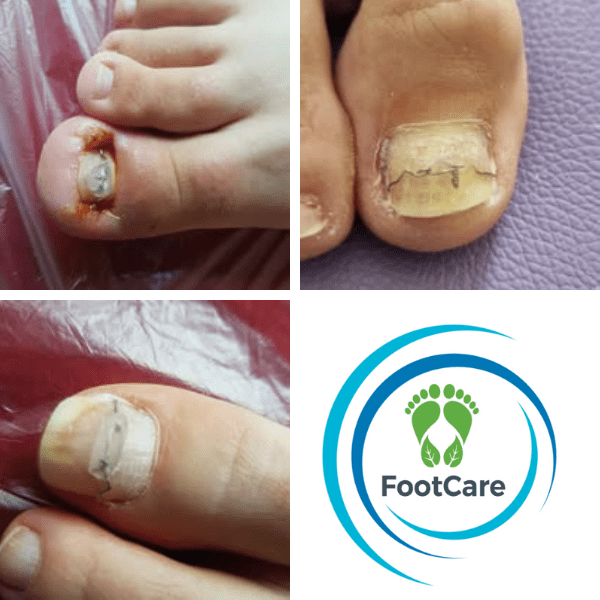
    Photo 1: Ingrown Toenail – Correction with Orthonyxic Brace


    This photo showcases the treatment of an ingrown toenail using an orthonyxic brace. The initial image shows an acute inflammatory condition around the nail. The treatment process required wearing the brace for 6 months to achieve a fully healed and corrected nail.

    Why is this important?
    Ingrown toenails are a common issue that can cause pain, infections, and significant discomfort in daily life. Brace correction is an effective alternative to surgical procedures, offering a gradual and non-invasive solution for restoring the nail’s natural shape and health.

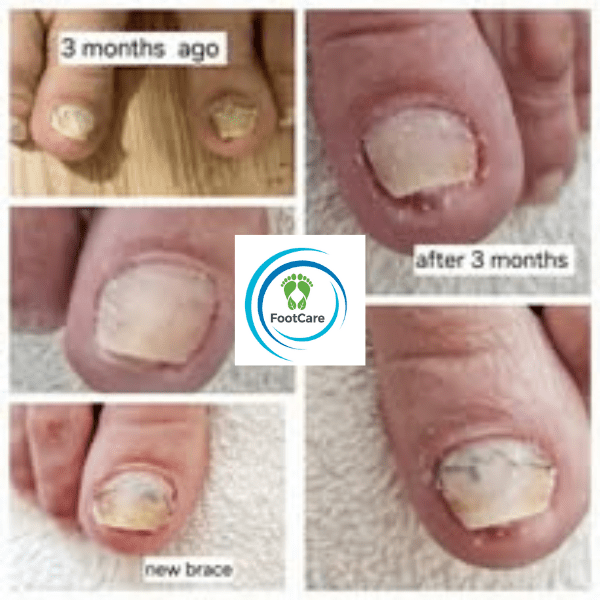
    Photo 2: Nail Correction Results After 3 Month


    This photo illustrates the process of nail correction for a client with an ingrown toenail. The first image documents the condition before treatment, while the last image highlights the results after three months of therapy. Thanks to the orthonyxic brace, the nail regained its proper shape, and the surrounding tissue healed completely.

    Client Benefits:

    • Relief from pain and discomfort
    • Restored aesthetic appearance of the nail
    • Avoidance of surgical intervention

    How to Effectively Manage Ingrown Toenails?

    Ingrown toenails are a common issue affecting people of all ages. They can result from improper nail trimming, wearing tight shoes, or underlying health conditions like diabetes. In the photos above, you can see the results of my work using orthonyxic braces, which:

    • Provide pain relief from the first application
    • Gradually restore the natural shape of the nail
    • Are safe for elderly and diabetic individuals

    If you’re struggling with a similar issue, feel free to reach out. At my clinic in Dudley, I offer professional treatments with the highest standards of hygiene and safety. Whether you need ingrown toenail correction or general foot care, I am here to help you get back on your feet comfortably.