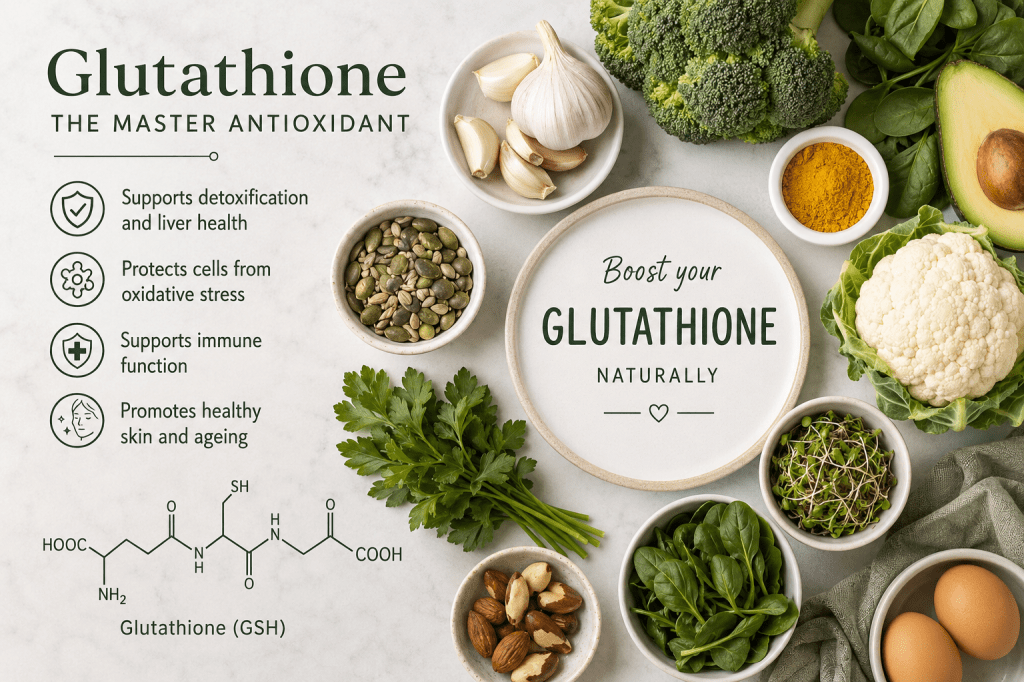
In the world of health and wellness, we often hear about collagen, probiotics and vitamin D. However, there is another substance that many experts consider one of the most important compounds for supporting overall health — glutathione.
Although it is still relatively unknown to many people, glutathione plays a vital role in protecting the body and supporting everyday wellbeing.
So why is glutathione often referred to as the body’s “master antioxidant”, and why is it becoming increasingly popular in the wellness world?
What Is Glutathione?
Glutathione is a naturally occurring antioxidant found in nearly every cell in the human body. It is made from three amino acids: cysteine, glutamine and glycine.
The highest concentrations are found in the liver, where glutathione helps support detoxification and protect cells from damage.
Its main role is to fight oxidative stress by neutralising harmful free radicals — unstable molecules that may contribute to ageing and various health issues.
Because of its important protective functions, glutathione is often called the “master antioxidant”.
How Does Glutathione Work?
Glutathione supports the body in several important ways.
1. Protects Cells from Oxidative Stress
Every day, the body is exposed to pollution, stress, processed foods and environmental toxins. These factors can increase oxidative stress and damage cells over time.
Glutathione helps defend the body by reducing the harmful effects of free radicals and supporting the body’s natural repair processes.
2. Supports Liver Function
The liver is responsible for filtering and removing toxins from the body, and glutathione plays a key role in this process.
It helps support the body’s natural detoxification pathways and contributes to healthy liver function.
3. Supports the Immune System
Healthy glutathione levels may help support the immune system and the body’s ability to respond to stress and inflammation.
This is one reason why maintaining good antioxidant balance is considered important for overall wellbeing.
4. May Support Healthy Ageing
Oxidative stress is often linked to premature ageing. Because glutathione helps protect cells from damage, it is increasingly discussed in relation to skin health, energy levels and healthy ageing.
What Can Lower Glutathione Levels?
Unfortunately, glutathione production naturally declines with age. Certain lifestyle factors may also reduce levels, including:
- chronic stress,
- lack of sleep,
- poor diet,
- smoking,
- excessive alcohol consumption,
- environmental pollution,
- ongoing inflammation,
- lack of physical activity.
When glutathione levels are low, the body may struggle more with recovery and cellular protection.
Signs of Low Glutathione Levels
There is no single symptom that clearly indicates low glutathione, but some people may experience signs such as:
- constant fatigue,
- poor concentration or “brain fog”,
- frequent infections,
- slower recovery,
- skin problems,
- low energy levels,
- increased sensitivity to stress.
Of course, these symptoms can have many different causes, so it is always important to look at health as a whole.
How to Support Glutathione Naturally
The good news is that the body can produce glutathione naturally — but it needs the right support.
Eat Sulphur-Rich Foods
Certain foods may help support natural glutathione production, including:
- broccoli,
- garlic,
- onions,
- cauliflower,
- kale,
- eggs.
Stay Physically Active
Regular exercise may help support the body’s natural antioxidant systems and improve overall wellbeing.
Prioritise Sleep and Recovery
Poor sleep can increase oxidative stress, making proper rest essential for maintaining good health.
Manage Stress Levels
Long-term stress may negatively affect the body’s natural balance. Relaxation, mindfulness and spending time outdoors can all support overall wellbeing.
What About Supplements?
Glutathione supplements have become increasingly popular in recent years, especially within the wellness and anti-ageing industry.
However, a healthy lifestyle, balanced diet and proper recovery should always come first. Before taking any supplements, it is best to speak with a healthcare professional, particularly if you have any medical conditions or take medication.
Final Thoughts
Glutathione may not be as widely discussed as other wellness trends, but it plays an important role in protecting the body from oxidative stress and supporting overall health.
While there is no single “magic” ingredient for wellbeing, supporting the body’s natural glutathione levels through healthy lifestyle choices may help promote better energy, recovery and long-term health.
References:
- National Institutes of Health (NIH) – Glutathione Review
Comprehensive review discussing glutathione’s role as a major antioxidant and its importance in detoxification and cellular protection. - Frontiers in Medicine – Glutathione: Pharmacological Aspects and Implications for Clinical Use
Scientific review exploring glutathione’s biological role, antioxidant activity and therapeutic potential. - ScienceDirect – Changes in Levels of the Antioxidant Glutathione with Ageing
Review examining how glutathione levels may decline with age and the relationship with oxidative stress. - Nature – Glutathione System Enhancement for Cardiac Protection
Research discussing glutathione as one of the body’s most important endogenous antioxidant systems. - Frontiers in Nutrition – Glutathione: A Life-Sustaining Molecule
Review covering glutathione depletion, oxidative stress and inflammation in chronic disease and ageing. - UCLA Health – What Does Glutathione Do?
Easy-to-understand medical explanation of glutathione and its role in cellular health. - MDPI – Glutathione for Food and Health Applications
Scientific review on natural dietary sources of glutathione and their potential health benefits.


Leave a comment